Health
What confirms an epilepsy diagnosis?
Recurring seizures with other causes ruled out through bloodwork and sometimes imaging, since it is a diagnosis of exclusion.

Quick answer
What confirms an epilepsy diagnosis?
Recurring seizures with other causes ruled out through bloodwork and sometimes imaging, since it is a diagnosis of exclusion.
One moment a dog is lying calmly on the floor; the next, it is unconscious and convulsing, with no warning an owner could have caught in time. A first seizure is one of the more frightening things an owner can witness, and knowing what is actually happening helps enormously in the moment.

Owners who have just witnessed their dog's first seizure and are trying to understand, often in a state of genuine shock, whether this is a one-time event, a sign of something else entirely, or the start of a lifelong condition.
This guide is not medical advice. If your dog shows pain, sudden behavior change, or worsening symptoms, consult a licensed veterinarian.
Some links may be affiliate links. We may earn a commission at no extra cost to you. We only suggest products we believe are helpful for dog owners.
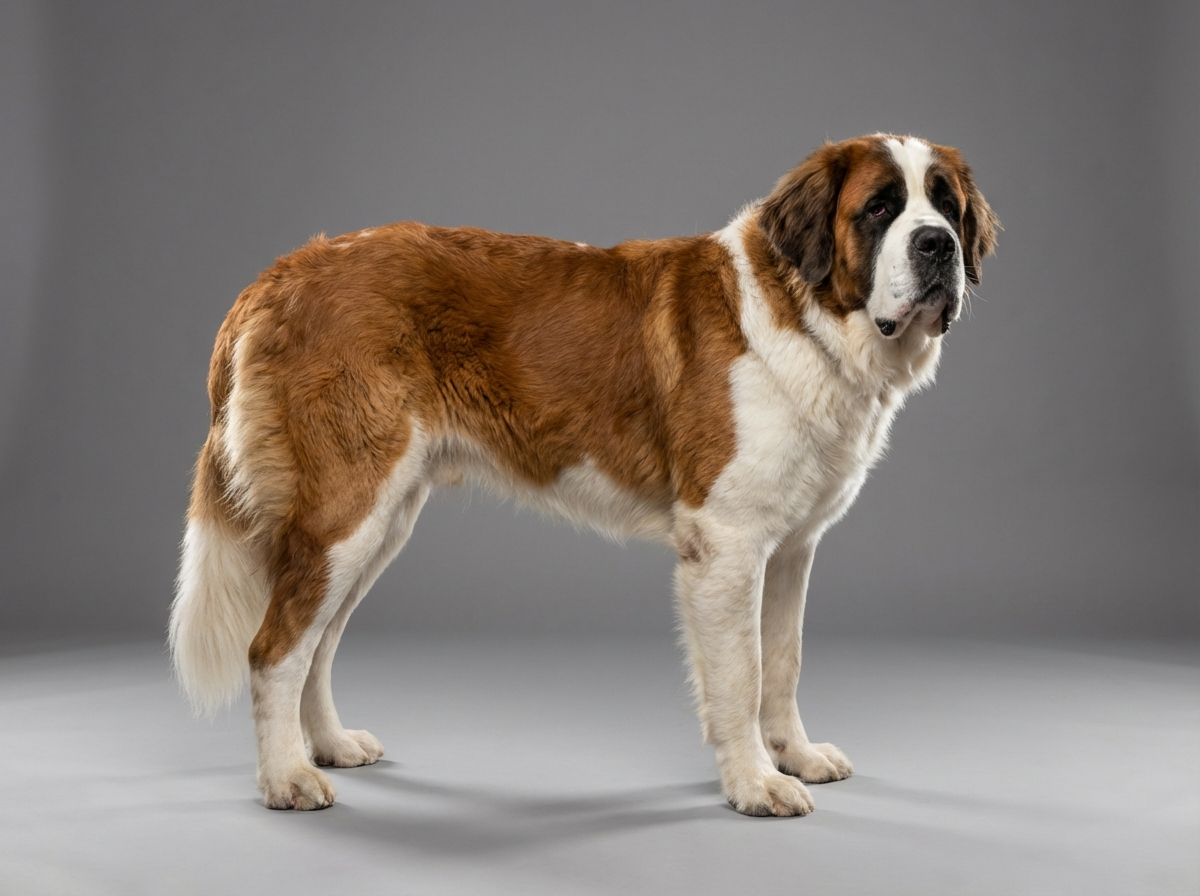
Idiopathic epilepsy is recurring seizures with no identifiable underlying cause, typically first appearing between one and five years old. It occurs across dog breeds broadly rather than being strongly documented as elevated in Saint Bernards specifically, and diagnosis is reached by ruling out other causes through bloodwork and sometimes imaging.
Idiopathic epilepsy is a recognized condition across the general dog population rather than one with strong documented elevated prevalence specifically in Saint Bernards, though it remains a real possibility in any breed.
There is no strongly established Saint Bernard-specific genetic driver for idiopathic epilepsy. The main breed-relevant consideration is practical: accurate, size-appropriate medication dosing and monitoring matter significantly given this breed's substantial body weight.
Stress, excitement, and sleep transitions are loosely associated with seizure timing in some dogs, though a specific, consistent environmental trigger is often not identifiable in idiopathic cases.
See a vet promptly after any first seizure to begin ruling out other causes. Treat as a true emergency any seizure lasting longer than five minutes, multiple seizures occurring in rapid succession without full recovery between them, or a seizure accompanied by extremely high body temperature.
See all Saint Bernard health problems, which breeds are prone to epilepsy, or the full Saint Bernard breed guide for temperament, exercise needs and ownership costs.
Reaching a stable, effective medication dose typically takes several weeks to a few months of adjustment and monitoring. Epilepsy is generally a lifelong condition once diagnosed, requiring ongoing management rather than a one-time treatment.
Success is meaningfully reduced seizure frequency and severity through consistent medication management, not necessarily the complete elimination of all seizures, which is not realistic for every dog even with good treatment.
A generalized seizure typically involves loss of consciousness, rigid or paddling limb movements, and sometimes drooling, urination or defecation, usually lasting somewhere between thirty seconds and two minutes. Afterward, a dog often enters a temporary post-seizure phase involving disorientation, temporary blindness, or unusual behavior that can last minutes to hours before returning fully to normal.
During a seizure, the most useful thing an owner can do is stay calm, move nearby objects out of the way to prevent injury, time the seizure's duration, and avoid putting hands near the mouth, since a seizing dog cannot control its jaw and there is no risk of it swallowing its tongue the way some outdated advice suggests. A seizure lasting longer than five minutes, or several seizures occurring in rapid succession without full recovery between them, is a genuine emergency requiring immediate veterinary care.
None of this eliminates the underlying tendency toward seizures, but a well-managed treatment plan can significantly reduce how often they occur and how severe they are.

If you think your Saint has epilepsy, the plan is three steps: write down what you have seen and when it started, book a veterinary appointment rather than waiting for the next flare, and take video of the behaviour or symptom before you go — the thing you are worried about rarely happens in the consulting room. Screening in the parents covers hip dysplasia, elbow dysplasia, dilated cardiomyopathy.
What the vet visit should produce is a diagnosis and a written plan, not just reassurance: what is being ruled out, what the monitoring interval is, and which signs mean you come back sooner. Ask what the treatment costs across a year rather than per visit, because that is the number that decides whether you are managing this condition or reacting to it.
Between appointments, keep a short log — dates, what you saw, what changed. It is the single most useful thing an owner brings to a follow-up, and for epilepsy it is often what separates a clear pattern from a guess.
Buddy, a three-year-old Saint Bernard, had his first seizure while napping on the living room floor, convulsing for about ninety seconds before slowly coming back to awareness, disoriented for several minutes afterward. His terrified family called their emergency vet immediately, timing the episode as instructed by the on-call staff. Bloodwork and further testing ruled out other causes, leading to an idiopathic epilepsy diagnosis after a second seizure occurred a few weeks later. Buddy started anti-seizure medication, with his vet carefully calculating and adjusting his dose given his substantial body weight. After an initial adjustment period, Buddy has had significantly fewer and milder seizures over the following year on his current, stable medication regimen.
Key takeaway: The randomness of Buddy's first seizure, striking during an ordinary nap with zero warning, is genuinely characteristic of this condition — there was nothing his family could have done differently, and consistent medication management afterward, not any preventive action beforehand, was what actually helped.
A single seizure alone does not confirm epilepsy — the diagnosis typically requires recurring seizures with other causes ruled out through bloodwork and sometimes imaging.
Stay calm, clear away nearby objects to prevent injury, time the seizure, and avoid putting your hands near the mouth. Do not try to restrain the dog or interrupt the seizure physically.
A seizure lasting longer than five minutes, or several seizures happening in a row without full recovery between them, requires immediate emergency veterinary care.
It occurs across dog breeds broadly rather than being strongly documented as elevated specifically in Saint Bernards, though any dog can develop it and it remains worth understanding regardless of breed.
Yes — accurate weight-based dosing matters significantly, and a vet experienced with large dogs is best positioned to calculate an effective dose and monitor for appropriate blood levels.
No — it is managed rather than cured, typically with lifelong medication once treatment begins, aimed at reducing seizure frequency and severity rather than eliminating the underlying tendency entirely.
Often no specific trigger is identifiable, though some dogs show patterns around stress, excitement, or sleep transitions. A seizure diary helps identify any pattern specific to your dog.
Recurring seizures with other causes ruled out through bloodwork and sometimes imaging, since it is a diagnosis of exclusion.
Usually thirty seconds to two minutes, followed by a temporary disoriented recovery period.
Lasting longer than five minutes, or multiple seizures in a row without full recovery in between.
Yes — accurate weight-based medication dosing matters significantly in a giant breed and is best managed by a vet experienced with large dogs.
No — it's managed long-term, typically with medication, rather than cured.
A one-page prep sheet for this condition: the signs, the questions to ask, what to get priced. Unlocks here.
You get: Vet visit prep sheet
No spam. One-click unsubscribe. See our privacy policy.
Preview page 1 before you decide.