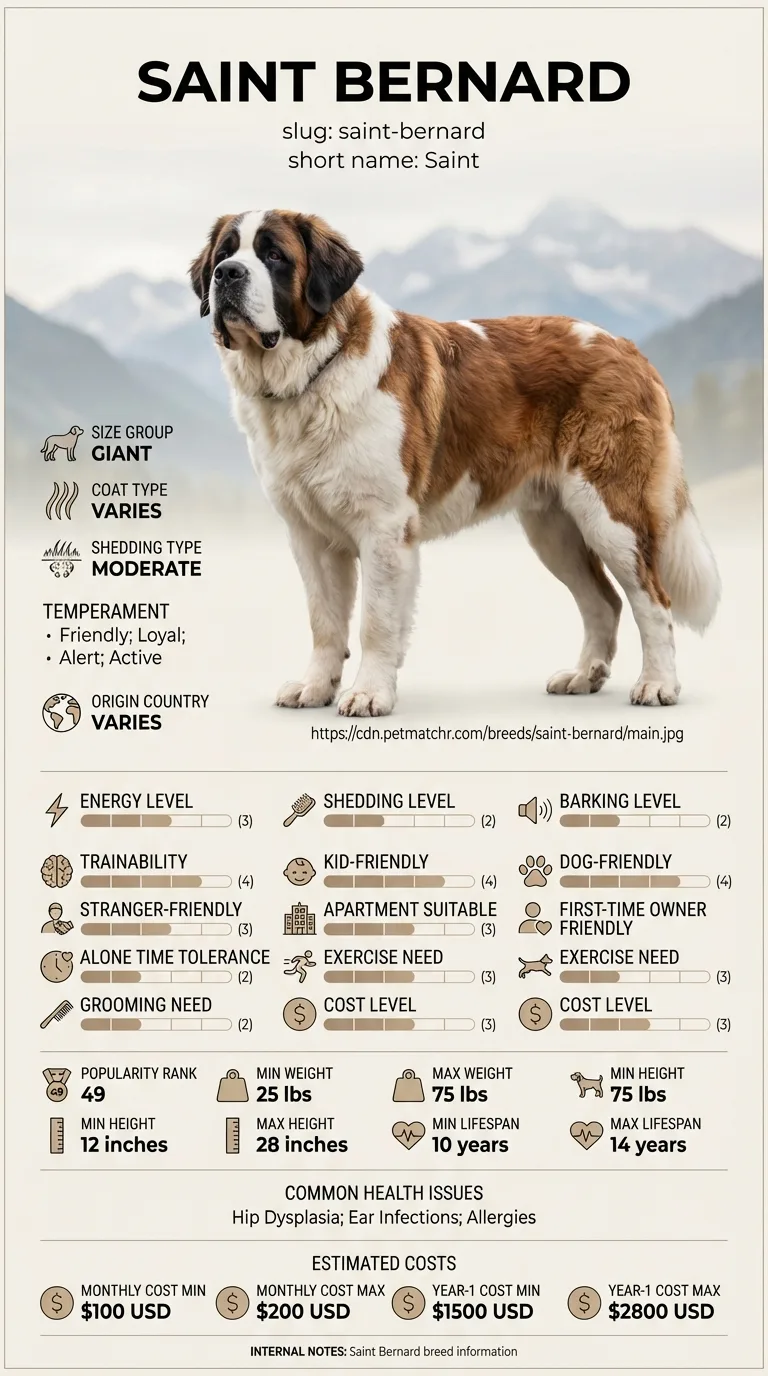
Take the monthly range on this page and run it across the breed's documented lifespan. Even at the lower end, the recurring spend over eight to ten years is a five-figure commitment before a single unscheduled event, and it is being funded out of income that Philadelphia's wage tax has already reduced. That is the honest frame for a cost-tier-five breed in an above-average market.
The distribution matters as much as the total. Years one and two carry setup costs and a great deal of food. The middle years are usually the cheap ones. Years six through ten are where joint disease, cardiac medication and the general expense of an ageing giant show up, and where a household that budgeted from its year-three experience finds itself short.
The practical response is not complicated. Budget the average rather than the current month, keep the emergency reserve funded rather than notionally available, and treat insurance as a decision made in the first year on behalf of the eighth. None of that requires more money. It requires the sum to have been done once.