Health
What is cherry eye exactly?
A prolapsed gland of the third eyelid, visible as a pink or reddish bulge in the inner corner of the eye.

Quick answer
What is cherry eye exactly?
A prolapsed gland of the third eyelid, visible as a pink or reddish bulge in the inner corner of the eye.
One morning the eye looks completely normal; that afternoon there is a pink, cherry-like lump sitting in the inner corner. It is a gland that has popped out of place, not a wound, and the term 'cherry eye' describes exactly what it looks like.
Owners who are alarmed by the sudden, dramatic appearance of the bulge and want to know quickly whether it is an emergency, whether it will resolve on its own, or whether surgery is really the only fix.
This guide is not medical advice. If your dog shows pain, sudden behavior change, or worsening symptoms, consult a licensed veterinarian.
Some links may be affiliate links. We may earn a commission at no extra cost to you. We only suggest products we believe are helpful for dog owners.
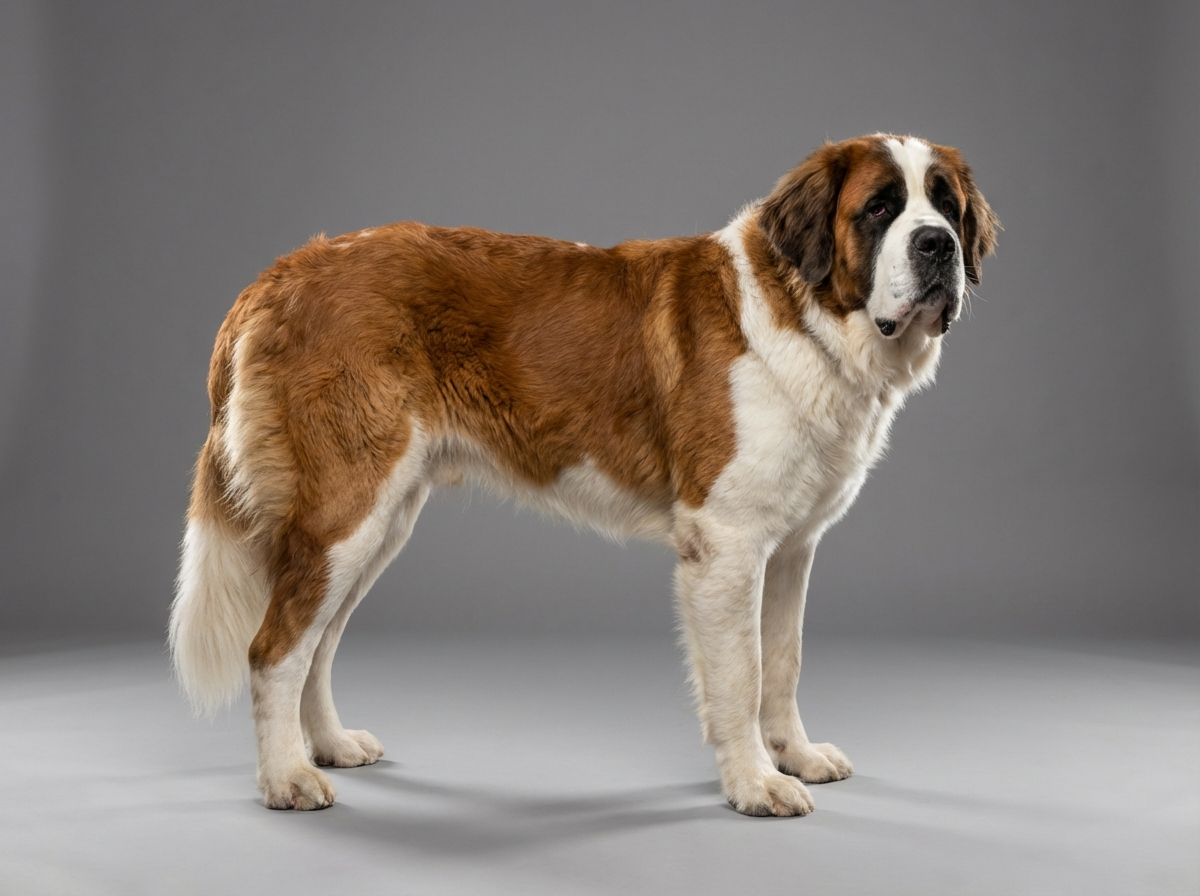
Cherry eye is the prolapse of the third eyelid's tear gland, appearing as a sudden pink or reddish bulge in the inner corner of the eye. It is a mechanical displacement tied to the connective tissue that normally anchors the gland in place, and breeds with looser facial and eyelid structure, including Saint Bernards, are more prone to it than tight-skinned breeds.
Cherry eye is a fairly commonly reported condition in breeds with loose facial and eyelid structure, and while not every Saint Bernard develops it, it is familiar enough in loose-lidded breeds generally that most vets recognize and treat it routinely.
The breed's loose facial skin, heavy lower lids and broad eye socket structure are part of the same overall conformation that can weaken the connective tissue anchoring the third eyelid gland in place, giving it a greater tendency to slip out of position than in a tighter-faced breed.
Vigorous eye rubbing, scratching, or prior local irritation can sometimes trigger a prolapse in a gland whose attachment was already borderline, though the underlying structural predisposition is the primary driver rather than any single external event.
See a vet within a day or two of noticing a pink or reddish bulge in the corner of the eye, since prolonged exposure worsens irritation and swelling. Treat as more urgent any sign of severe swelling, obvious pain, discharge suggesting infection, or the dog pawing intensely at the eye.
See all Saint Bernard health problems, which breeds are prone to cherry eye, or the full Saint Bernard breed guide for temperament, exercise needs and ownership costs.
A repositioning procedure is typically a same-day surgery with a recovery period of one to two weeks, often involving a protective collar and follow-up eye drops during healing.
Success is a gland that stays in its normal position long-term, with tear production preserved and the eye looking and functioning normally, though ongoing awareness of the second eye's risk remains worthwhile.
The gland of the third eyelid is held in place by a small connective-tissue attachment. In breeds with looser facial skin, heavier lower lids and a broader eye socket structure — all features Saint Bernards carry as part of their overall head conformation — that attachment has a somewhat greater tendency to weaken or stretch, allowing the gland to flip outward and become visible. It is a mechanical, structural predisposition rather than an infection or allergy, which is why it can happen suddenly, without any preceding illness or injury.
Once prolapsed, the gland is exposed to air, rubbing, and irritation instead of sitting protected in its normal position, and it often looks progressively more swollen and irritated the longer it stays exposed.
The goal of modern treatment is to save the gland's function, not just remove the visible bulge, because that gland matters for long-term eye health.

If you think your Saint has cherry eye, the plan is three steps: write down what you have seen and when it started, book a veterinary appointment rather than waiting for the next flare, and take video of the behaviour or symptom before you go — the thing you are worried about rarely happens in the consulting room. Screening in the parents covers hip dysplasia, elbow dysplasia, dilated cardiomyopathy.
What the vet visit should produce is a diagnosis and a written plan, not just reassurance: what is being ruled out, what the monitoring interval is, and which signs mean you come back sooner. Ask what the treatment costs across a year rather than per visit, because that is the number that decides whether you are managing this condition or reacting to it.
Between appointments, keep a short log — dates, what you saw, what changed. It is the single most useful thing an owner brings to a follow-up, and for cherry eye it is often what separates a clear pattern from a guess.
Honey, a two-year-old Saint Bernard, woke up from an afternoon nap with an obvious pink lump in the corner of her left eye that had not been there that morning. Her owner, alarmed, called their vet the same day and got her seen within twenty-four hours. The vet confirmed a classic cherry eye and scheduled a repositioning procedure for later that week rather than removing the gland outright. Honey wore a protective collar for ten days during recovery, and the gland has stayed in place in the two years since, with her right eye showing no signs of prolapse so far.
Key takeaway: Nothing Honey's owner did caused the sudden prolapse — it was simply her facial structure's underlying tendency showing up overnight, and getting her seen quickly kept a manageable issue from becoming a more irritated, harder-to-treat one.
It is not typically a same-hour emergency, but it should be evaluated within a day or two, since a prolapsed gland exposed to ongoing irritation can worsen the longer it is left untreated.
Rarely, once fully prolapsed. Occasionally very mild cases are monitored briefly, but most require surgical repositioning to resolve properly.
The gland produces a meaningful portion of a dog's tears. Removing it, rather than repositioning it, raises the risk of chronic dry eye later in life, which is why modern veterinary practice favors a repositioning procedure.
It causes irritation, swelling and sometimes discomfort from exposure and rubbing, though it is not typically described as acutely painful the way some other eye emergencies are.
There is a meaningfully increased chance of it developing in the second eye once it has happened in one, so keep an eye on the unaffected side going forward.
Costs vary by clinic and region, generally in the low-to-mid hundreds of dollars for a straightforward repositioning procedure, though this can vary with complexity.
It is best evaluated by a vet regardless of apparent comfort level, since ongoing exposure can lead to chronic irritation, dryness or secondary infection even if the dog does not seem overtly distressed.
A prolapsed gland of the third eyelid, visible as a pink or reddish bulge in the inner corner of the eye.
Usually yes — a repositioning procedure is the standard, recommended treatment since prolapse rarely resolves fully on its own.
Removal raises the risk of chronic dry eye later, since the gland contributes meaningfully to tear production.
There's a notably increased chance of the second eye developing it too, so it's worth monitoring going forward.
Not an immediate emergency, but should be seen within a day or two to prevent worsening irritation.
A one-page prep sheet for this condition: the signs, the questions to ask, what to get priced. Unlocks here.
You get: Vet visit prep sheet
No spam. One-click unsubscribe. See our privacy policy.
Preview page 1 before you decide.