Behavior
What quick tips can help with Maltese cherry eye?
Keep your Maltese's environment calm and avoid stressors. Regular vet visits can help monitor their eye health.

Quick answer
What quick tips can help with Maltese cherry eye?
Keep your Maltese's environment calm and avoid stressors. Regular vet visits can help monitor their eye health.
Maltese cherry eye is a common eye issue that can be concerning for dog owners. This condition occurs when the gland in the eyelid prolapses, causing a noticeable bulge.
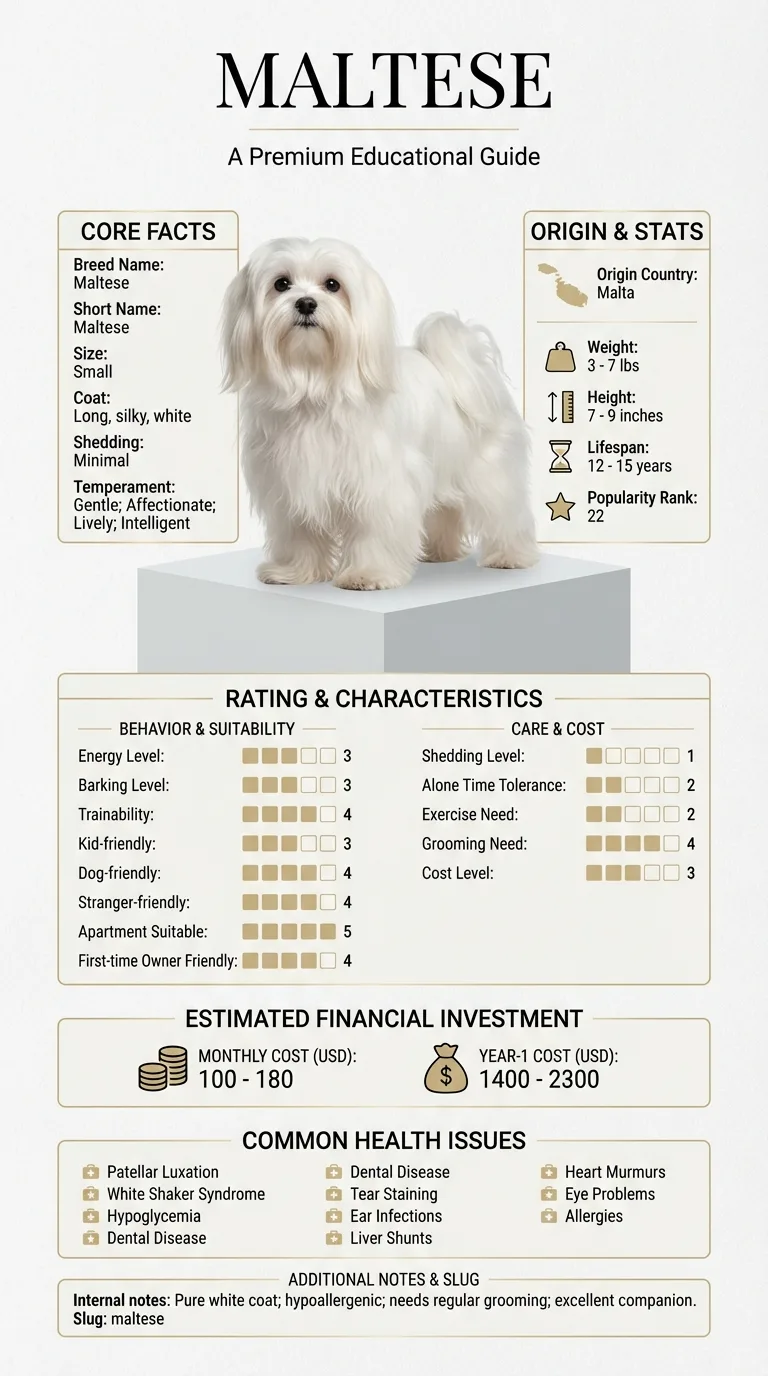
Owners of Maltese dogs, especially first-time pet parents, often find themselves dealing with cherry eye. If you're noticing unusual swelling around your dog's eyes, you might be worried about their health and well-being.
This guide is not medical advice. If your dog shows pain, sudden behavior change, or worsening symptoms, consult a licensed veterinarian.
Some links may be affiliate links. We may earn a commission at no extra cost to you. We only suggest products we believe are helpful for dog owners.
We research and check what we publish, but we do not warrant that any figure, date, price, or statement is accurate, complete, or current, and we accept no liability for any loss, cost, injury, or other harm arising from the use of this site. Use it as one reference among several. You remain responsible for your own decisions and for your dog's care - confirm anything that matters with a licensed veterinarian or another qualified professional before you act on it. Full disclaimer.
Check this first
Maltese cherry eye can be concerning for pet owners. It's important to know when to act quickly and when to monitor the situation. If you notice any of the following red flag signs, you should call your vet immediately.
If any of these apply, call your vet or an emergency clinic now. The rest of this page is for the cases that are not an emergency.
Maltese cherry eye is a common eye issue where the dog's eyelid gland prolapses, causing a red, swollen appearance. This can be alarming for owners and may lead to discomfort for the dog. You may notice your Maltese frequently squinting or rubbing their eyes, which can indicate irritation.
Cherry eye is relatively common in Maltese dogs, particularly in younger ones. Many Maltese will experience this issue at least once in their lifetime, making it essential for owners to be aware and prepared.
Maltese dogs are prone to certain eye issues, including cherry eye, due to their genetic makeup. This condition occurs when the third eyelid gland prolapses, which is more common in small dog breeds like the Maltese. Their unique eye structure can also make them more susceptible to this problem.
Environmental factors can exacerbate cherry eye in Maltese dogs. Stressful situations, such as moving to a new home or changes in routine, can lead to anxiety, which may trigger or worsen the condition. Additionally, exposure to irritants like dust or chemicals can impact their sensitive eyes.
It's essential to talk to your vet if your Maltese's cherry eye persists or worsens. They can recommend treatments, including surgical options if necessary. Regular check-ups are also important to monitor any related eye problems or overall health concerns.
Avoiding common mistakes can significantly help manage your Maltese's cherry eye. Here are some behaviors to steer clear of:
Start here: Maltese Most Common Genetic Disorders: What to Screen For
See all Maltese health problems, which breeds are prone to cherry eye, or the full Maltese breed guide for temperament, exercise needs and ownership costs.
You can expect to see improvement in your Maltese's cherry eye within a few weeks to a few months, depending on the severity and treatment approach.
Success looks like a reduction in the visibility of the cherry eye, improved comfort for your Maltese, and a return to their normal activities without irritation.
If your Maltese has a cherry eye but is otherwise healthy, you can monitor the condition. Look for signs such as slight swelling or a mild protrusion without other symptoms. In these cases, make a plan to observe your dog's behavior and consider home remedies, such as keeping the eye clean and lubricated.

Samantha, a first-time Maltese owner, noticed that her little dog, Milo, developed a cherry eye shortly after she adopted him. Concerned about how to stop the cherry eye, she consulted her vet, who recommended a combination of gentle eye drops and regular warm compresses. Over the next few months, with consistent care and monitoring, Milo's cherry eye improved significantly, allowing him to play and engage happily without discomfort. Samantha learned the importance of patience and following her vet's advice.
Key takeaway: With proper care and treatment, you can effectively manage your Maltese's cherry eye and improve their quality of life.
Maltese cherry eye occurs when the gland in the eyelid prolapses or becomes dislocated. This can happen due to genetic factors or stress. If you notice this condition, it's best to consult a vet for an accurate diagnosis.
To help manage Maltese cherry eye, keep your dog calm and reduce stressors in their environment. Regular vet check-ups can also help monitor any underlying issues. In some cases, surgery may be necessary to correct the prolapse.
Common symptoms of cherry eye include a red, swollen gland in the corner of the eye, watery eyes, and possible irritation. If you see these signs, it's important to take your Maltese to the vet for evaluation.
Yes, if left untreated, cherry eye can lead to further eye problems, such as conjunctivitis or corneal damage. Regular monitoring and prompt treatment are key to preventing complications.
Surgery is often recommended for persistent cases of cherry eye, especially if it causes discomfort or other issues. A vet can provide guidance on the best treatment options for your dog.
Cherry eye in Maltese dogs occurs when the third eyelid gland prolapses. This can be due to genetics, injury, or stress. If your Maltese has cherry eye, it's essential to consult a vet for the best treatment options.
While you can't entirely prevent cherry eye, maintaining your Maltese's overall health can help. Regular vet check-ups, proper nutrition, and minimizing stress can reduce the risk. If your dog shows early signs, early intervention with your vet is vital.
Cherry eye itself is not life-threatening, but it can lead to complications if left untreated. Prolonged exposure of the gland can cause irritation and further eye problems. It's best to address it promptly with your veterinarian.
In some cases, non-surgical treatments may help reduce the symptoms of cherry eye. However, surgery is often the most effective solution to reposition the gland. Consult your vet to discuss the best approach for your Maltese.
If you notice cherry eye in your Maltese puppy, take them to the vet as soon as possible. Early treatment can prevent further complications and ensure your puppy's eye health. Delaying may lead to more severe issues later on.
Keep your Maltese's environment calm and avoid stressors. Regular vet visits can help monitor their eye health.
While some home remedies may provide temporary relief, it's best to consult a vet for effective treatment options.
The cost of cherry eye surgery can range from $300 to $800, depending on the vet and location.
A one-page prep sheet for this condition: the signs, the questions to ask, what to get priced. Unlocks here.
You get: Vet visit prep sheet
No spam. One-click unsubscribe. See our privacy policy.
Preview page 1 before you decide.