Behavior
What are some quick tips for Poodle cherry eye?
Keep your Poodle’s eyes clean and watch for signs of irritation. Regular vet visits can help catch issues early.

Quick answer
What are some quick tips for Poodle cherry eye?
Keep your Poodle’s eyes clean and watch for signs of irritation. Regular vet visits can help catch issues early.
Poodle cherry eye is a common issue where the eyelid gland prolapses, leading to a noticeable bulge.
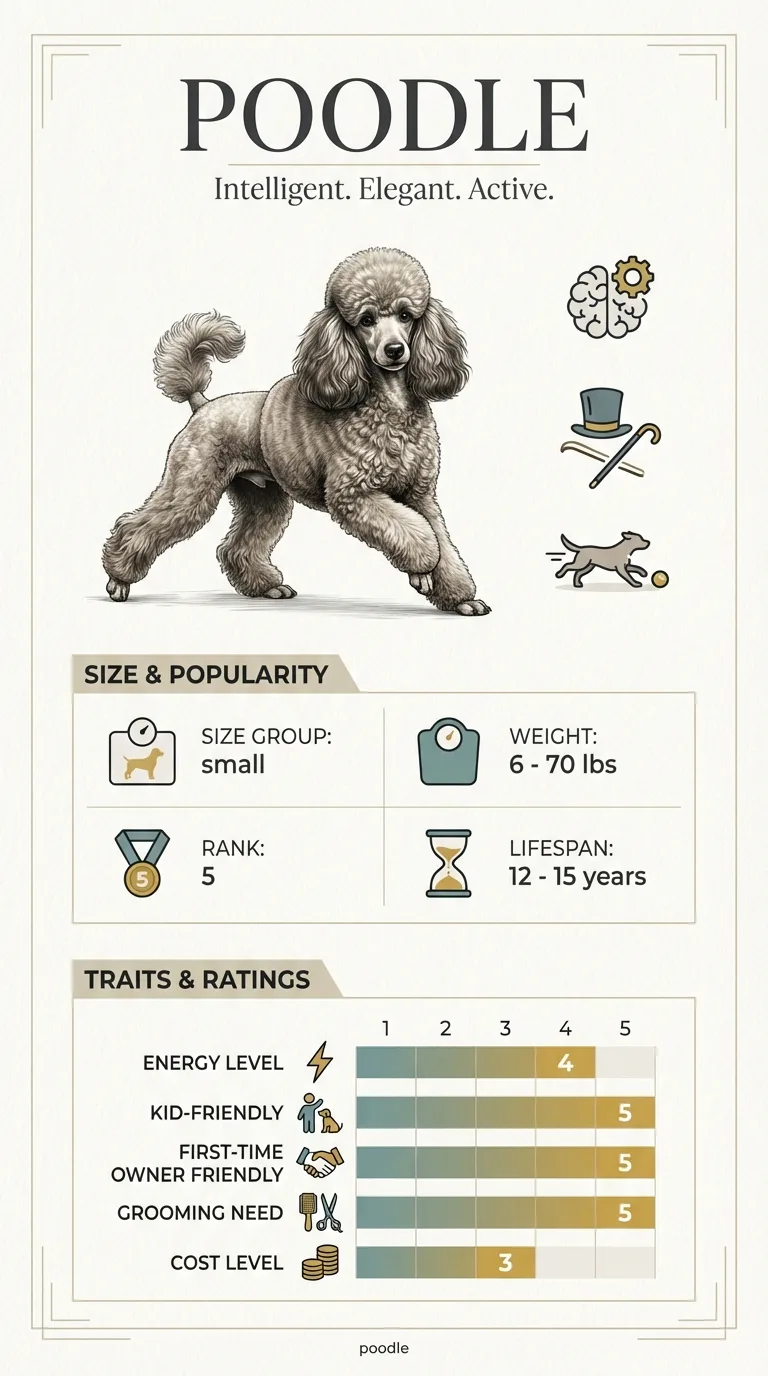
Owners of Poodles, especially first-time dog parents, often struggle with cherry eye. They may feel overwhelmed trying to find effective solutions to ensure their furry friends stay healthy and happy.
This guide is not medical advice. If your dog shows pain, sudden behavior change, or worsening symptoms, consult a licensed veterinarian.
Some links may be affiliate links. We may earn a commission at no extra cost to you. We only suggest products we believe are helpful for dog owners.
We research and check what we publish, but we do not warrant that any figure, date, price, or statement is accurate, complete, or current, and we accept no liability for any loss, cost, injury, or other harm arising from the use of this site. Use it as one reference among several. You remain responsible for your own decisions and for your dog's care - confirm anything that matters with a licensed veterinarian or another qualified professional before you act on it. Full disclaimer.
Check this first
Cherry eye occurs when a gland in the eyelid of your Poodle prolapses, causing a red, swollen appearance. While it can be a mild issue, some signs indicate you should call your vet immediately. Look for severe swelling, excessive tearing, or signs of pain, such as your dog pawing at their eye or squinting. If you notice these symptoms, don't wait—seek veterinary care right away.
On the other hand, if your Poodle has a mild case of cherry eye where the gland is slightly protruding but not causing irritation, you can monitor the situation at home. Ensure your dog isn’t showing signs of discomfort and keep their environment calm to avoid unnecessary stress. In these cases, regular check-ups with your vet can help manage the condition without immediate intervention.
Always be proactive about your dog’s health. If in doubt, it’s better to err on the side of caution and consult your veterinarian, especially if your Poodle is experiencing changes in behavior or eye discharge. Keeping a close eye on their condition can help you determine the best approach for treatment.
If any of these apply, call your vet or an emergency clinic now. The rest of this page is for the cases that are not an emergency.
Poodle cherry eye is a condition where the tear gland in the eyelid protrudes, creating a noticeable red lump. This can be distressing for both the dog and the owner. Affected Poodles may frequently squint or paw at their eyes, showing signs of discomfort.
Cherry eye is relatively common in Poodles, especially in younger dogs. While not every Poodle will experience this issue, it's important for owners to be aware of the symptoms and seek veterinary advice if needed.
Poodles are prone to certain eye issues, including cherry eye, due to their unique eye structure. This breed has a genetic predisposition to eyelid gland prolapse, which can lead to the gland becoming visible and inflamed. Their prominent eyes and facial structure can contribute to this issue.
Environmental factors can also play a role in cherry eye. Allergies, irritants, or even excessive rubbing of the eyes can increase the likelihood of this condition. Stress or other anxiety-related behaviors may cause a Poodle to rub their face, exacerbating the problem.
If you notice persistent cherry eye symptoms, such as swelling or discomfort, it's crucial to consult your vet. They can assess the condition and recommend treatments, which may include surgery if necessary.
Avoiding these common mistakes can help your Poodle's cherry eye condition improve faster. Here are some behaviors to watch out for:
See all Poodle health problems, which breeds are prone to cherry eye, or the full Poodle breed guide for temperament, exercise needs and ownership costs.
Addressing Poodle cherry eye usually takes several weeks to a few months, depending on treatment and response.
Success looks like reduced swelling or retraction of the gland, allowing your Poodle to be comfortable and healthy without surgery.
When Sarah adopted Bella, her adorable Poodle, she quickly noticed a pink bulge in Bella's eye. After consulting her vet, Sarah learned it was cherry eye, a common issue among Poodles. She was worried but decided to follow the vet's advice for a non-surgical approach. Sarah began a regimen of warm compresses and gentle massaging to help reduce the swelling. Over the next month, Bella's condition improved significantly. While it took patience and consistency, Sarah found that with daily care, Bella was much happier and more comfortable.
Key takeaway: If your Poodle has cherry eye, don't panic. With the right care and guidance, you can often manage the condition without immediate surgery.
Cherry eye occurs when a gland in the eyelid prolapses or bulges out. This can happen due to genetics or stress. It's common in certain breeds, including Poodles.
To prevent cherry eye, keep your Poodle's environment low-stress and ensure regular vet check-ups. Avoid exposing them to harsh conditions or excessive excitement, which can trigger the condition.
Treatment typically involves surgical repositioning of the gland. In some cases, your vet may suggest non-surgical options, but surgery is often the most effective solution.
Yes, if left untreated, cherry eye can lead to chronic irritation and potential vision issues. It's essential to address the condition promptly to avoid complications.
Cherry eye can be hereditary, particularly in some breeds like Poodles. Responsible breeding practices can reduce the likelihood of this condition appearing in puppies.
Signs of cherry eye in Poodles include a noticeable red mass in the corner of the eye. This mass is the prolapsed gland, and it may cause your dog discomfort or irritation. If you notice this, it's essential to consult your vet for proper diagnosis and treatment.
In some cases, cherry eye may temporarily resolve but often reoccurs without treatment. It's important to seek veterinary advice as untreated cherry eye can lead to more serious issues, such as dry eye or infection. Your vet can provide options for managing this condition.
Surgery is often recommended for cherry eye, especially if it causes persistent discomfort or does not resolve on its own. The surgery involves repositioning the gland, which helps prevent future issues. Always discuss the risks and benefits with your veterinarian.
While home management is limited, keeping your Poodle's eyes clean can help reduce irritation. You can use a damp cloth to gently wipe away any discharge. Always follow your vet's instructions for any prescribed treatments or medications.
If your older Poodle develops cherry eye, it's crucial to see a vet promptly. Older dogs may have other health concerns that could complicate treatment. A vet can evaluate the situation and recommend the best course of action tailored to your dog's health.
Keep your Poodle’s eyes clean and watch for signs of irritation. Regular vet visits can help catch issues early.
Provide a calm environment and avoid stressful situations. If you notice cherry eye, consult your vet for appropriate care.
The surgery typically lasts about 30 minutes and is done under anesthesia. Your vet will provide aftercare instructions to ensure a smooth recovery.
If treated promptly, most Poodles recover well without long-term effects. However, untreated cases can lead to chronic issues.
A one-page prep sheet for this condition: the signs, the questions to ask, what to get priced. Unlocks here.
You get: Vet visit prep sheet
No spam. One-click unsubscribe. See our privacy policy.
Preview page 1 before you decide.