Health
Is this condition exclusive to Schnauzers despite the name?
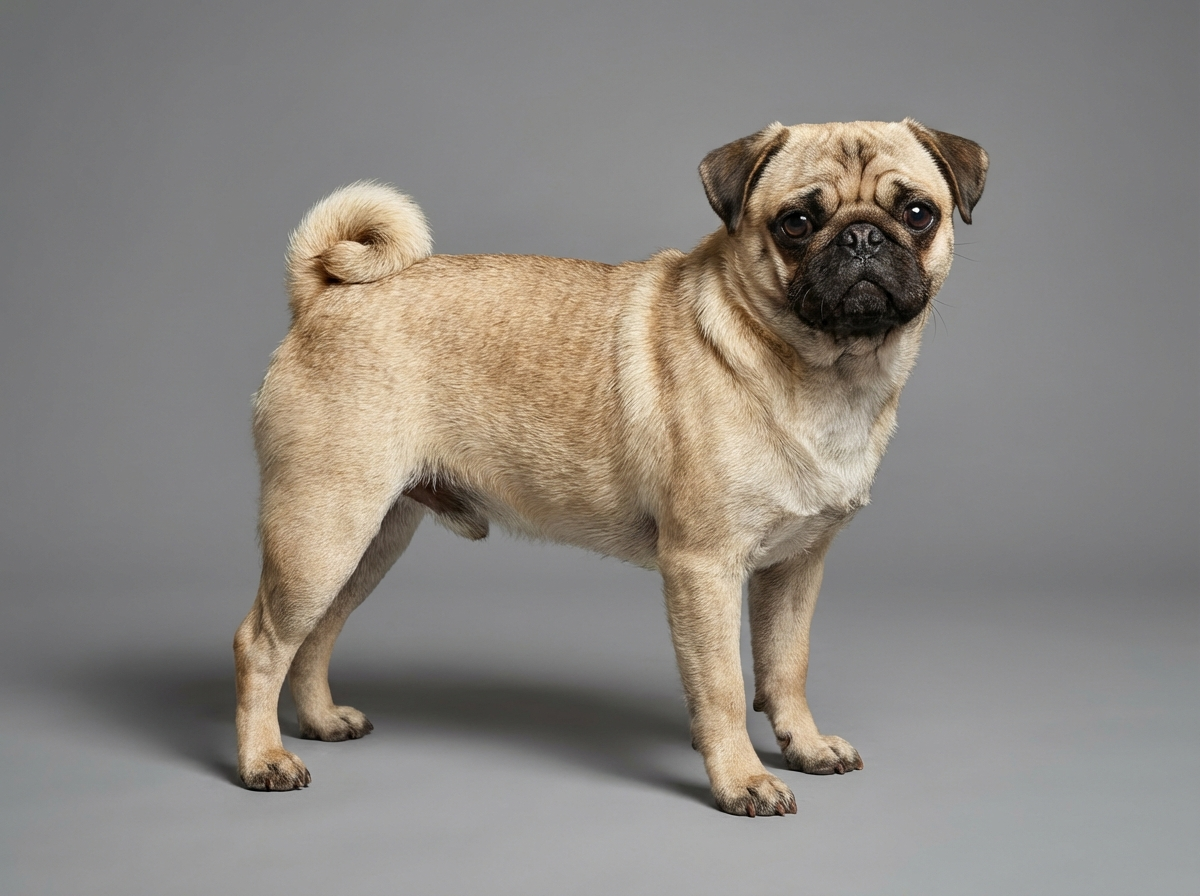
No — the underlying follicular blockage process has been documented in other breeds, including Pugs, despite the condition's name.

Quick answer
Is this condition exclusive to Schnauzers despite the name?
No — the underlying follicular blockage process has been documented in other breeds, including Pugs, despite the condition's name.
A name like "Schnauzer comedo syndrome" can make an owner assume it doesn't apply to their dog at all — which is exactly the trap worth avoiding if your Pug is showing this specific pattern of small bumps along their back.
Owners who've noticed small, blackhead-like bumps along their Pug's back and spine, and are confused by a diagnosis name that sounds like it belongs to a completely different breed.
This guide is not medical advice. If your dog shows pain, sudden behavior change, or worsening symptoms, consult a licensed veterinarian.
Some links may be affiliate links. We may earn a commission at no extra cost to you. We only suggest products we believe are helpful for dog owners.
We research and check what we publish, but we do not warrant that any figure, date, price, or statement is accurate, complete, or current, and we accept no liability for any loss, cost, injury, or other harm arising from the use of this site. Use it as one reference among several. You remain responsible for your own decisions and for your dog's care - confirm anything that matters with a licensed veterinarian or another qualified professional before you act on it. Full disclaimer.
Schnauzer comedo syndrome involves hair follicles along the back becoming blocked with keratin and oil, forming blackhead-like comedones. Despite the breed-specific name, this follicular tendency isn't exclusive to Schnauzers and has been documented in other breeds, including Pugs, presenting with the same characteristic bump pattern along the topline.
This condition is most extensively documented and discussed in Schnauzers, making it a less commonly recognized diagnosis in Pugs, though it has been reported in the breed and shouldn't be ruled out based on the name alone when the characteristic symptom pattern is present.
The underlying follicular blockage tendency behind this condition isn't a documented core Pug-specific structural trait the way brachycephalic airway issues are, but individual dogs across various breeds, Pugs included, can develop this same pattern, suggesting some degree of individual, rather than strictly breed-wide, susceptibility.
Inconsistent grooming and coat maintenance can allow oil and keratin to accumulate more readily within follicles, potentially worsening the blockage pattern, while regular, appropriate skin care can help keep follicles clearer and reduce the frequency or severity of flare-ups.
Bring your Pug in for evaluation if you notice small, firm, blackhead-like bumps concentrated along the back, particularly if they seem to be increasing in number or becoming inflamed. Seek a prompt visit if any bumps show signs of infection, such as increased redness, swelling, or discharge.
Start here: Pug Most Common Genetic Disorders: What to Screen For
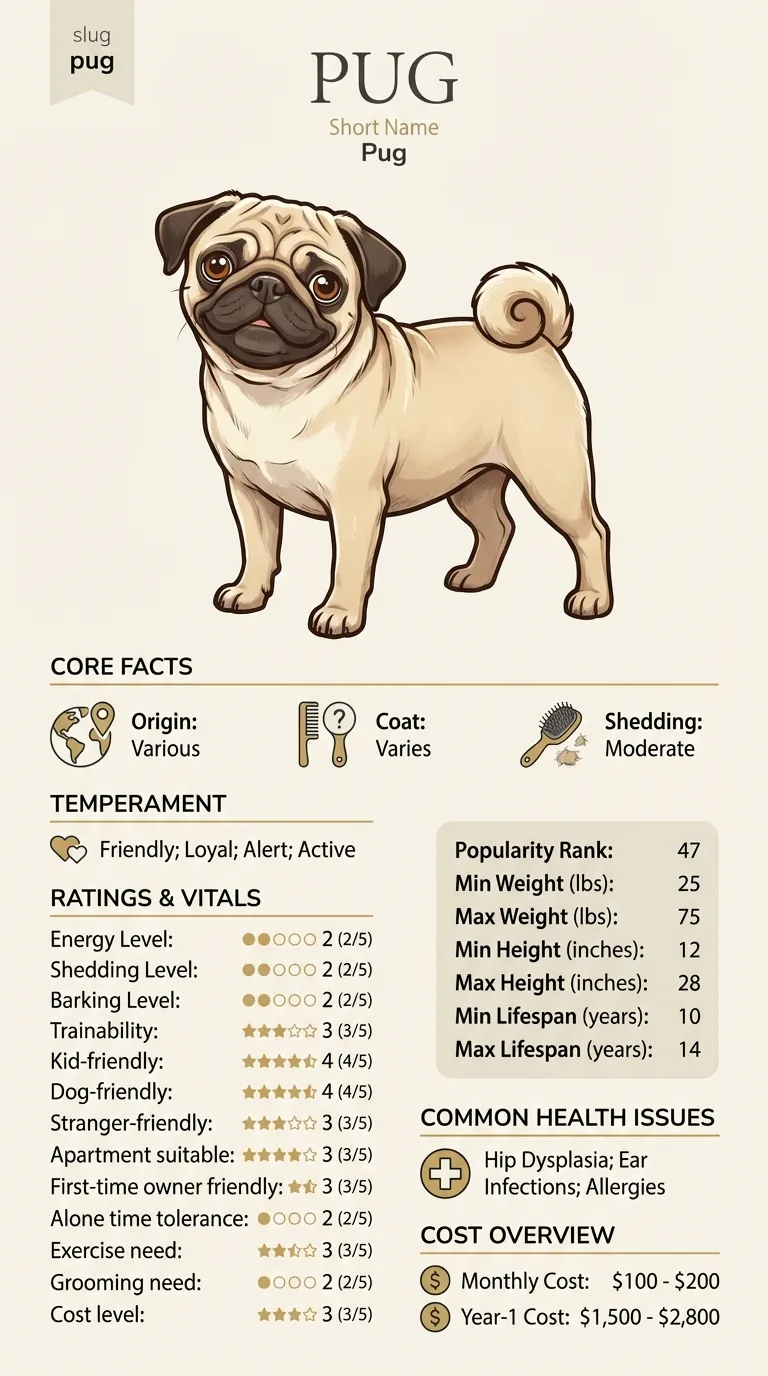
See all PUG health problems, which breeds are prone to schnauzer comedo syndrome, or the full PUG breed guide for temperament, exercise needs and ownership costs.
Initial improvement with consistent medicated shampoo use is often noticeable within a few weeks, though this is generally a chronic condition requiring ongoing maintenance rather than a one-time treatment course.
Success is keeping the follicular blockage pattern controlled and infection-free through consistent, ongoing skin care — not a permanent resolution of the underlying tendency, which tends to persist and require continued management.
In this condition, hair follicles along the back and spine become blocked with keratin and oil, forming comedones — the same basic blackhead structure seen in human acne, just occurring within a dog's hair follicles rather than skin pores. These typically appear as small, firm bumps, sometimes with visible dark plugs, concentrated along the topline of the back rather than scattered randomly across the body. In more affected dogs, these blocked follicles can become secondarily infected, leading to more visibly inflamed, sometimes crusted lesions requiring more active treatment.
While Schnauzers are the breed most classically and extensively documented with this condition, the underlying process — a follicular tendency toward blockage — isn't breed-exclusive, and it has been reported in other breeds including Pugs. This means a vet examining a Pug with this specific bump pattern along the back shouldn't rule out this diagnosis purely because the breed name in the condition doesn't match, even though it remains a less commonly discussed presentation in this breed than in the one it's named after.
Treatment focuses on managing the follicular blockage on an ongoing basis rather than curing an underlying tendency that tends to persist.

If you think your Pug has schnauzer comedo syndrome, the plan is three steps: write down what you have seen and when it started, book a veterinary appointment rather than waiting for the next flare, and take video of the behaviour or symptom before you go — the thing you are worried about rarely happens in the consulting room. Screening in the parents covers brachycephalic airway syndrome (boas), pug dog encephalitis, corneal ulcers.
What the vet visit should produce is a diagnosis and a written plan, not just reassurance: what is being ruled out, what the monitoring interval is, and which signs mean you come back sooner. Ask what the treatment costs across a year rather than per visit, because that is the number that decides whether you are managing this condition or reacting to it.
Between appointments, keep a short log — dates, what you saw, what changed. It is the single most useful thing an owner brings to a follow-up, and for schnauzer comedo syndrome it is often what separates a clear pattern from a guess.
Julian noticed small, dark bumps appearing along his Pug Rocky's back and initially assumed it was just dirt or debris caught in his coat. When regular bathing didn't clear them up, he brought it to his vet's attention. His vet recognized the pattern as consistent with Schnauzer comedo syndrome, explaining — to Julian's surprise given the name — that this condition wasn't actually exclusive to that breed and could occur in Pugs too. Julian started using a specific medicated shampoo twice weekly as recommended. Within a month, the bumps had noticeably reduced, and Rocky's back has stayed mostly clear since, with Julian maintaining the shampoo routine roughly weekly as ongoing upkeep.
Key takeaway: A condition's name doesn't determine which breeds can actually get it — dismissing a diagnosis because it sounds like it belongs to a different breed can delay treatment your dog actually needs.
Yes — while the condition is named after and most extensively documented in Schnauzers, the underlying follicular blockage process isn't exclusive to that breed and has been reported in Pugs and other breeds as well.
Small, firm, blackhead-like bumps concentrated along the back and spine, sometimes with visible dark plugs. In more affected areas, secondary infection can cause more visibly inflamed or crusted lesions.
This condition specifically involves follicular blockage forming comedone structures similar to blackheads, concentrated along the back, which is a different mechanism and pattern than the generalized itching and inflammation typical of allergic skin disease.
Medicated shampoos designed to help clear blocked follicles are the standard first-line treatment, used consistently over an extended period. Topical treatments and, when needed, antibiotics for secondary infection round out typical management.
It's generally considered a chronic, manageable tendency rather than something with a permanent cure — ongoing maintenance care, particularly consistent medicated shampoo use, is typically needed to keep it controlled long-term.
Yes — if your Pug has the characteristic bump pattern along the back, it's worth raising specifically, since this diagnosis being less commonly discussed in the breed doesn't mean it should be ruled out based on breed name alone.
Yes, blocked follicles can become secondarily infected over time, leading to more inflamed, sometimes crusted lesions that generally require more active treatment, including antibiotics in some cases.
No — the underlying follicular blockage process has been documented in other breeds, including Pugs, despite the condition's name.
Small, firm, blackhead-like bumps concentrated along the back and spine, sometimes with visible dark plugs.
Medicated shampoos and occasional vet visits for monitoring represent a modest, ongoing cost rather than a single large expense.
No — it's a specific follicular blockage condition with its own distinct bump pattern, different from the generalized itching typical of allergic skin disease.
Generally yes — it's typically a chronic tendency managed with ongoing medicated shampoo use rather than resolved permanently.
A one-page prep sheet for this condition: the signs, the questions to ask, what to get priced. Unlocks here.
You get: Vet visit prep sheet
No spam. One-click unsubscribe. See our privacy policy.
Preview page 1 before you decide.