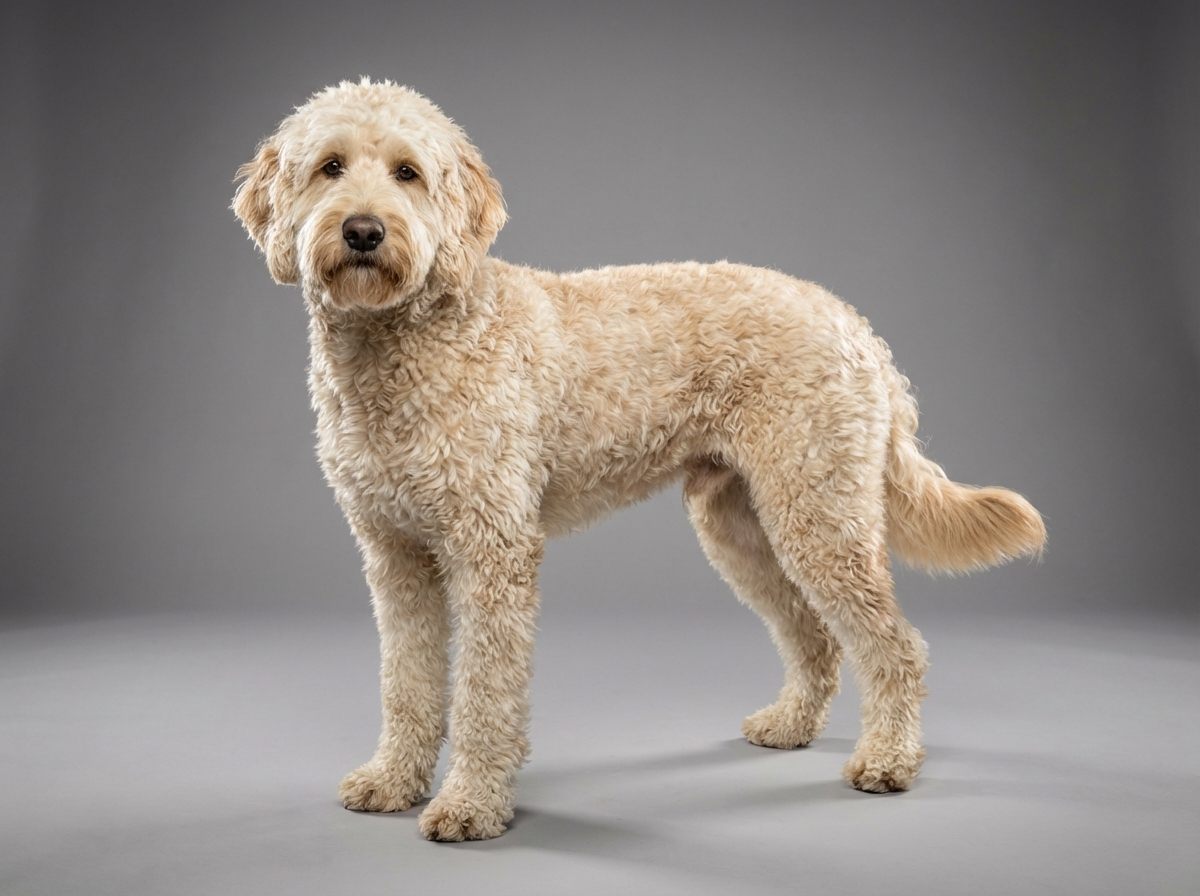
Behavior
What are Labradoodle schnauzer comedo syndrome quick tips?
Regular grooming and cleaning can help manage the condition. Use a gentle cleanser to keep your dog's skin healthy.

Quick answer
What are Labradoodle schnauzer comedo syndrome quick tips?
Regular grooming and cleaning can help manage the condition. Use a gentle cleanser to keep your dog's skin healthy.
Labradoodle schnauzer comedo syndrome is a skin condition that can affect your dog's comfort and health. Understanding it is crucial for proper care.

Owners of Labradoodles, especially those new to dog care, may find themselves struggling with this skin issue. Busy families, dog lovers in urban settings, or those with limited grooming experience often seek solutions to manage and treat this syndrome effectively.
This guide is not medical advice. If your dog shows pain, sudden behavior change, or worsening symptoms, consult a licensed veterinarian.
Some links may be affiliate links. We may earn a commission at no extra cost to you. We only suggest products we believe are helpful for dog owners.
We research and check what we publish, but we do not warrant that any figure, date, price, or statement is accurate, complete, or current, and we accept no liability for any loss, cost, injury, or other harm arising from the use of this site. Use it as one reference among several. You remain responsible for your own decisions and for your dog's care - confirm anything that matters with a licensed veterinarian or another qualified professional before you act on it. Full disclaimer.
Check this first
Understanding when Labradoodle schnauzer comedo syndrome is an emergency is crucial for your dog's health. While this skin condition can often be managed, there are specific signs that require immediate veterinary attention. If your dog shows severe symptoms, such as excessive scratching, open sores, or signs of infection, you should call your vet right away. These can lead to more serious complications if left untreated.
If any of these apply, call your vet or an emergency clinic now. The rest of this page is for the cases that are not an emergency.
Labradoodle schnauzer comedo syndrome is a skin condition that affects Labradoodles. It appears as small bumps or blackheads on the skin, particularly on the back and abdomen. This can lead to itching, discomfort, and even secondary infections if not managed properly.
This syndrome is fairly common in Labradoodles due to their Schnauzer ancestry. Many owners report encountering this issue, especially in young adult dogs, making it a significant concern for the breed.
Labradoodles, being a mix of Labradors and Poodles, can inherit genetic predispositions to certain skin conditions like Schnauzer Comedo Syndrome. Their unique coat type may trap oils and dirt, leading to clogged pores and skin irritation.
Environmental factors such as humidity, temperature, and allergens can worsen skin conditions. Poor grooming habits, like infrequent brushing or bathing, can also contribute to the development of this syndrome.
If your dog shows signs of severe irritation, excessive scratching, or if the condition worsens despite home care, it's time to see a vet. They can diagnose the issue and suggest appropriate treatments.
Avoiding common pitfalls can significantly improve your Labradoodle's condition. Here are some mistakes to watch out for.
Start here: Labradoodle Most Common Genetic Disorders: Screening
See all Labradoodle health problems, which breeds are prone to schnauzer comedo syndrome, or the full Labradoodle breed guide for temperament, exercise needs and ownership costs.
Expect to see improvements in 4 to 8 weeks with consistent care and management.
Success means your Labradoodle has healthier skin, fewer outbreaks, and is more comfortable overall.
When Sarah adopted Max, her Labradoodle, she noticed he often scratched and had patches of irritated skin. After visiting the vet, she learned about Schnauzer Comedo Syndrome, a common issue in mixed breeds like Max. Initially frustrated, Sarah followed the vet's advice on grooming and diet, incorporating fish oil into his meals and using a special shampoo. Gradually, Max's skin condition improved, and he became much happier and more active.
Key takeaway: With the right care and attention, managing Labradoodle schnauzer comedo syndrome can lead to a happier, healthier pet.
Labradoodle schnauzer comedo syndrome is a skin condition that causes blackheads and bumps. It primarily affects Labradoodles, especially those with Schnauzer ancestry. Proper grooming and care can help manage this issue.
To manage Labradoodle schnauzer comedo syndrome, maintain a regular grooming schedule. Use gentle cleansers and consult your vet for specialized treatments if needed. Keeping your dog's skin clean and hydrated is essential.
While there isn't a specific diet for this condition, a balanced diet can promote overall skin health. Omega fatty acids can be beneficial for skin and coat condition. Always consult your vet before making dietary changes.
Signs that the condition is worsening include increased redness, swelling, or discomfort in the affected areas. If you notice your Labradoodle scratching excessively or showing signs of pain, contact your vet for advice.
Training can help your Labradoodle become accustomed to grooming routines, which is essential for managing this condition. Positive reinforcement during grooming can make the process easier for both you and your dog.
Signs of Schnauzer Comedo Syndrome include blackheads, hair loss, and skin inflammation. You may also notice your Labradoodle scratching or biting at their skin. If you observe these symptoms, it's important to consult your vet for a proper diagnosis.
Yes, older Labradoodles may experience more severe symptoms of Schnauzer Comedo Syndrome. Their immune system can be weaker, making them more susceptible to skin issues. Regular vet check-ups are crucial to monitor their skin condition as they age.
To manage Schnauzer Comedo Syndrome at home, keep your Labradoodle's skin clean and dry. Regular grooming helps remove excess oil and debris. Additionally, a balanced diet and supplements may support skin health, but always consult with your vet before starting any new treatments.
Schnauzer Comedo Syndrome can have a genetic component, particularly in breeds like Schnauzers. Since Labradoodles are a mix of Labradors and Poodles, they may inherit this trait. If you have concerns about genetics, discuss this with your breeder or vet.
You should take your Labradoodle to the vet if symptoms of Schnauzer Comedo Syndrome worsen or do not improve with home care. Additionally, if you notice open sores or signs of infection, seek veterinary attention promptly to prevent complications.
Regular grooming and cleaning can help manage the condition. Use a gentle cleanser to keep your dog's skin healthy.
Aim to groom your Labradoodle at least once a week to prevent buildup and manage skin health.
Some owners find that coconut oil can help soothe the skin. However, always consult your vet before trying home remedies.
While there is no cure, the condition can be effectively managed with proper care and grooming.
A one-page prep sheet for this condition: the signs, the questions to ask, what to get priced. Unlocks here.
You get: Vet visit prep sheet
No spam. One-click unsubscribe. See our privacy policy.
Preview page 1 before you decide.