Behavior
What are quick tips for Maltese schnauzer comedo syndrome?
Establish a regular grooming schedule, use a gentle, medicated shampoo, and keep your dog's skin clean and dry. Consult your vet for additional treatment options if needed.

Quick answer
What are quick tips for Maltese schnauzer comedo syndrome?
Establish a regular grooming schedule, use a gentle, medicated shampoo, and keep your dog's skin clean and dry. Consult your vet for additional treatment options if needed.
Maltese schnauzer comedo syndrome is a skin condition that can affect your dog's comfort and appearance.
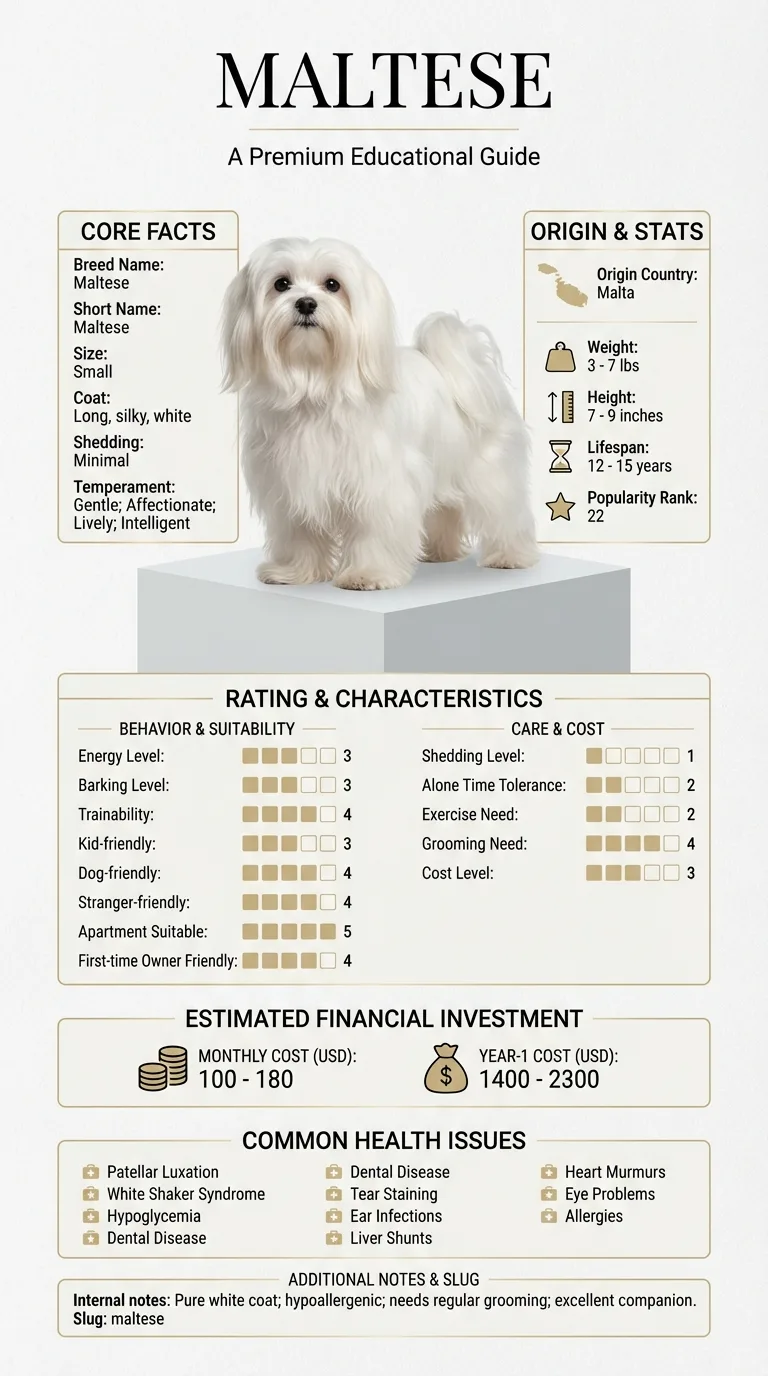
Owners of Maltese and Schnauzer mixes often encounter this issue, especially those who may not be familiar with specific grooming needs and skin conditions. If you're a first-time dog owner or someone who has little experience with grooming, this problem might surprise you.
This guide is not medical advice. If your dog shows pain, sudden behavior change, or worsening symptoms, consult a licensed veterinarian.
Some links may be affiliate links. We may earn a commission at no extra cost to you. We only suggest products we believe are helpful for dog owners.
We research and check what we publish, but we do not warrant that any figure, date, price, or statement is accurate, complete, or current, and we accept no liability for any loss, cost, injury, or other harm arising from the use of this site. Use it as one reference among several. You remain responsible for your own decisions and for your dog's care - confirm anything that matters with a licensed veterinarian or another qualified professional before you act on it. Full disclaimer.
Check this first
Maltese schnauzer comedo syndrome can sometimes lead to serious issues. It is crucial to know when to seek immediate veterinary help and when you can monitor the situation at home. If your dog shows any severe symptoms, it’s best to act quickly.
Emergency signs include excessive scratching, open sores, or if your dog is in visible pain. If you notice these symptoms, call your vet right away. Other red flags are significant swelling or redness in the skin, as these can indicate infections that require prompt treatment.
On the other hand, if your Maltese is experiencing mild symptoms like occasional scratching or small bumps, you can take a wait-and-see approach. Monitor their behavior and skin condition closely. Keeping a log of any changes can help you and your vet decide if further action is needed. Always ensure your dog is comfortable and consult your vet if you’re unsure about their condition.
If any of these apply, call your vet or an emergency clinic now. The rest of this page is for the cases that are not an emergency.
Maltese schnauzer comedo syndrome is a skin condition that affects many dogs, particularly those with a Maltese lineage. It's characterized by the development of blackheads and lesions on the skin, which can lead to discomfort and itching. Daily life for a dog experiencing this syndrome may involve frequent scratching or licking, resulting in irritation and potential infections.
This condition is fairly common among Maltese schnauzers, especially as they age. Many owners notice signs during grooming or when their pet begins to show signs of discomfort. Regular veterinary check-ups can help identify and manage this condition early.
Maltese Schnauzer Comedo Syndrome is often linked to genetic factors in the breed. These dogs may have skin that is more prone to developing clogged follicles or comedones. This condition is typically seen in breeds with longer hair and may be exacerbated by a lack of proper grooming.
Environmental factors such as poor diet, allergies, and inadequate grooming can also play a significant role. For instance, a diet lacking in essential fatty acids can lead to skin issues. Additionally, exposure to allergens or irritants in their environment can worsen symptoms.
Talk to your vet if the symptoms persist or worsen. They can provide guidance on topical treatments or medications. Persistent cases may require a thorough examination for underlying health issues.
Avoiding these common mistakes can help manage Maltese schnauzer comedo syndrome effectively.
Start here: Maltese Most Common Genetic Disorders: What to Screen For
See all Maltese health problems, which breeds are prone to schnauzer comedo syndrome, or the full Maltese breed guide for temperament, exercise needs and ownership costs.
You can expect to see improvements in your Maltese schnauzer's skin condition within 4 to 8 weeks of consistent care and follow-up with your vet.
Success means your dog has fewer skin irritations, reduced itching, and overall healthier skin. Regular vet check-ups will help track progress.
Jessica, a first-time dog owner in Seattle, noticed her Maltese, Lily, developing small bumps on her skin. After researching, she learned about Maltese schnauzer comedo syndrome. With her vet's help, she adjusted Lily's diet, implemented a gentle grooming routine, and included supplements. Over two months, Lily's skin improved dramatically, giving Jessica peace of mind.
Key takeaway: Early intervention and consistent care can significantly improve your dog's skin health, making a big difference in their quality of life.
Maltese schnauzer comedo syndrome can occur due to genetic factors, poor grooming habits, or oily skin. It is essential to maintain a regular grooming routine to prevent the buildup of oils and dirt. If your Maltese is showing signs of this condition, consult your vet for a proper diagnosis.
To help stop Maltese schnauzer comedo syndrome, establish a consistent grooming routine that includes regular baths and brushing. Using a gentle, medicated shampoo can also help manage the skin condition. Always consult your vet for recommended products and treatments.
Mild cases of Maltese schnauzer comedo syndrome can sometimes be managed at home with proper grooming and over-the-counter treatments. However, for severe cases, it's best to consult a vet for professional advice and possible prescription medications.
While Maltese schnauzer comedo syndrome is not life-threatening, it can cause discomfort and lead to infections if left untreated. Regular veterinary check-ups and a good grooming routine are crucial to keep your pet comfortable and healthy.
Yes, older Maltese dogs may experience more severe symptoms of comedo syndrome due to weakened skin and overall health. It's crucial to monitor their skin condition closely and consult a vet if you notice worsening symptoms.
To prevent worsening of Maltese schnauzer comedo syndrome, maintain a consistent grooming routine to keep the coat clean and free of debris. Additionally, a balanced diet and regular vet check-ups can help keep your dog's skin healthy.
Yes, Maltese schnauzer comedo syndrome can have a hereditary component. If you notice this condition in your dog, it's helpful to inform your vet about any family history of skin issues. This information can guide better management and treatment options.
You should consider seeing a vet if your Maltese shows signs of severe itching, hair loss, or if the blackheads become inflamed or infected. Early intervention can help prevent complications and improve your dog's comfort.
Establish a regular grooming schedule, use a gentle, medicated shampoo, and keep your dog's skin clean and dry. Consult your vet for additional treatment options if needed.
Groom your Maltese at least once a week to prevent oil buildup and maintain healthy skin. Regular baths every 4-6 weeks can also help.
Yes, a balanced diet rich in omega fatty acids can improve skin health. Consult your vet for dietary recommendations that may benefit your Maltese.
A one-page prep sheet for this condition: the signs, the questions to ask, what to get priced. Unlocks here.
You get: Vet visit prep sheet
No spam. One-click unsubscribe. See our privacy policy.
Preview page 1 before you decide.