Health
Do Papillons get Schnauzer comedo syndrome?
No. It is defined by follicular anatomy specific to the Miniature Schnauzer and is not documented in the Papillon.

Quick answer
Do Papillons get Schnauzer comedo syndrome?
No. It is defined by follicular anatomy specific to the Miniature Schnauzer and is not documented in the Papillon.
If you have found small firm bumps along your Papillon's spine, the answer is somewhere else on the list, and several of the alternatives are worth knowing.
Owners running their hands down a Papillon's back and finding texture that was not there before, and anyone who searched the sensation and arrived at a breed specific syndrome that does not fit.
This guide is not medical advice. If your dog shows pain, sudden behavior change, or worsening symptoms, consult a licensed veterinarian.
Some links may be affiliate links. We may earn a commission at no extra cost to you. We only suggest products we believe are helpful for dog owners.
We research and check what we publish, but we do not warrant that any figure, date, price, or statement is accurate, complete, or current, and we accept no liability for any loss, cost, injury, or other harm arising from the use of this site. Use it as one reference among several. You remain responsible for your own decisions and for your dog's care - confirm anything that matters with a licensed veterinarian or another qualified professional before you act on it. Full disclaimer.
Schnauzer comedo syndrome is a breed specific follicular keratinisation disorder producing plugged follicles along the top of the back in Miniature Schnauzers. It is defined by the follicle architecture of a harsh wiry double coat and is not documented in the Papillon, whose long fine single coat has a different structure. Bumps along a Papillon's spine have a different and far more everyday differential, headed by folliculitis, flea allergy, ticks and simple matting.
Comedo syndrome is common enough in Miniature Schnauzers that it carries the breed's name, and essentially absent elsewhere. Skin complaints in Papillons are not rare, but they are the ordinary ones every dog gets, and skin disease does not feature on the breed's documented list of common health issues at all.
Follicle structure is inherited alongside coat type, so skin disease profiles cluster by coat rather than by size or temperament. The Papillon's long silky single coat sits on thin skin with no dense undercoat, which produces a very different set of vulnerabilities from a wiry double coated breed: less trapped moisture across the body generally, but concentrated risk wherever long fringing can mat. Nothing in that architecture supports the mechanism behind comedo syndrome.
For a Papillon, the environmental factors that produce skin trouble are grooming and parasites rather than anything intrinsic. A dog whose ear fringes, armpits and tail plume are not combed regularly develops mats that hold moisture and debris against the skin. A dog without consistent flea prevention can develop intense localised itching over the tail base from a single bite. Both are preventable and neither has anything to do with follicular keratinisation.
Book a routine appointment for any new lump, any patch of hair loss, or persistent scratching, taking your photographs with you. Go sooner for a lump that is growing quickly, bleeding, ulcerated or fixed to deeper tissue, or for skin that is inflamed, painful, weeping or smells. Seek same day care if your Papillon has widespread rapidly spreading skin lesions, facial swelling, hives, or any skin change accompanied by lethargy, fever or difficulty breathing, since those combinations can indicate a systemic reaction rather than a local problem.
See all Papillon health problems, which breeds are prone to schnauzer comedo syndrome, or the full Papillon breed guide for temperament, exercise needs and ownership costs.
Identifying what a bump actually is usually takes one appointment, sometimes with a swab or a fine needle sample. Bacterial folliculitis typically responds over two to four weeks of prescribed treatment. Flea allergy improves within weeks once prevention is genuinely consistent across every animal in the household. Mats resolve the afternoon you comb them out.
Success is knowing what you are feeling. That means skin you inspect weekly rather than worry about, a diagnosis when there is something to diagnose, and a grooming routine that stops the fringing from creating problems in the first place.
Skin disease follows follicle architecture. A dog's coat determines how many hairs emerge from each follicular opening, how much sebum the associated glands produce, how well the skin surface ventilates and how readily debris is trapped against it.
The Miniature Schnauzer has a harsh wiry double coat with a specific follicular arrangement along the dorsal midline, and it is that arrangement, combined with an inherited keratinisation defect, that produces the characteristic plugged follicles. The condition is essentially a fault in how skin cells and sebum are processed within those particular follicles.
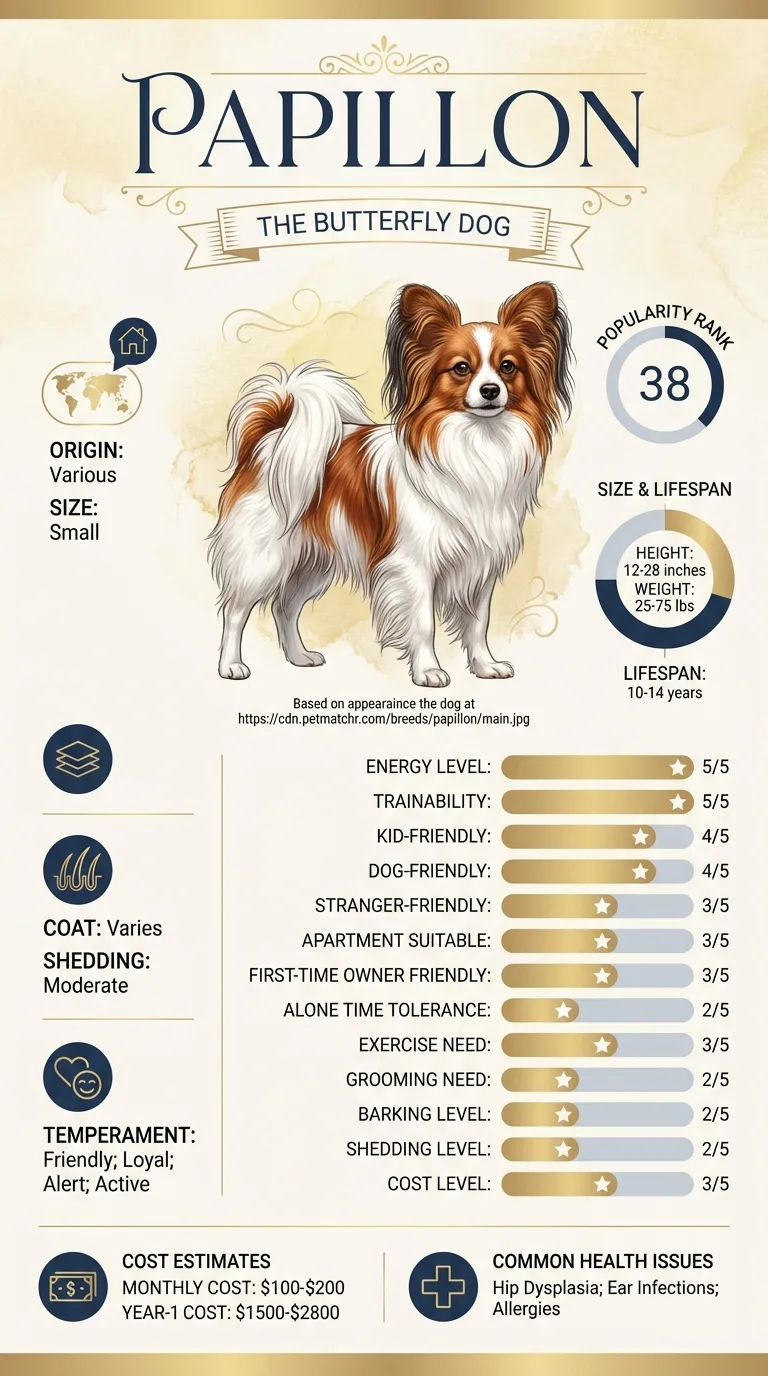
A Papillon has a long, fine, silky single coat with no dense woolly undercoat, and a low grooming requirement relative to its glamorous appearance. Its skin is thin and its follicles are not built the same way. It has no anatomical basis for developing this syndrome, and it is not documented in the breed. What the Papillon does have, in terms of documented issues, is patellar luxation, progressive retinal atrophy, dental disease, an open fontanel and a weak windpipe. Its skin is not on that list at all.
So the sensible move on finding bumps is not to look up a Schnauzer condition but to describe what you are feeling accurately: are they in the skin or under it, do they come to a point or feel deep, is there hair loss, is the dog itchy, and did they appear all at once or one at a time.

This is the list a vet works through, and it is far shorter and more tractable than the rare breed specific syndromes that turn up in search results.
If you think your Papillon has schnauzer comedo syndrome, the plan is three steps: write down what you have seen and when it started, book a veterinary appointment rather than waiting for the next flare, and take video of the behaviour or symptom before you go — the thing you are worried about rarely happens in the consulting room. Screening in the parents covers patellar luxation, progressive retinal atrophy, dental disease.
What the vet visit should produce is a diagnosis and a written plan, not just reassurance: what is being ruled out, what the monitoring interval is, and which signs mean you come back sooner. Ask what the treatment costs across a year rather than per visit, because that is the number that decides whether you are managing this condition or reacting to it.
Between appointments, keep a short log — dates, what you saw, what changed. It is the single most useful thing an owner brings to a follow-up, and for schnauzer comedo syndrome it is often what separates a clear pattern from a guess.
Iain found half a dozen firm bumps along the back and flanks of his Papillon Wren while towelling her after a wet walk. He searched dog blackheads back and found a breed specific syndrome described in detail, none of which mentioned Papillons. At the appointment his vet spent two minutes with a comb. Four of the six were tight mats of silky coat felted flat against the skin, which had formed under the harness after several damp walks. They combed out and the skin underneath was normal. The remaining two were small crusted lesions consistent with folliculitis, treated with a prescribed shampoo over three weeks. The vet also pointed out that Wren's ear fringes were beginning to felt at the base and suggested combing those weekly. Iain now spends five minutes a week with a comb and has found nothing since.
Key takeaway: In a long silky coated breed, a good proportion of alarming lumps are hair rather than skin. Part the coat, look at what you are feeling, and reserve the rare breed specific syndromes for the breeds they were named after.
It is not documented in the breed and the follicular anatomy that defines the condition belongs to a different coat type. Papillons can develop plugged follicles as part of other skin conditions, but that is a general dermatological finding rather than this named syndrome. A vet examining the skin will give you a diagnosis that fits the dog.
Part the coat right down to the skin and look, rather than feeling through the hair. A mat is felted hair that lifts away from the skin and can be teased apart. A lump is in or under the skin and stays put when the coat is parted. This distinction resolves a large share of worried phone calls.
Skin disease does not appear on the breed's documented list of common health issues. Papillons develop the ordinary problems all dogs get, principally allergic itch and its secondary infections. One genuine advantage of the single silky coat is that the skin underneath is easy to see, so problems are usually spotted earlier than in a dense double coated breed.
No. Squeezing forces material deeper into the follicle and surrounding tissue and turns a superficial problem into a painful inflamed one. It also introduces bacteria. If you can see plugged follicles, that is a reason for a veterinary examination and possibly a prescribed shampoo, not for home extraction.
Yes, but through matting rather than through follicles. A Papillon's fringing and feathering mat readily behind the ears, in the armpits and under the tail, and a mat traps moisture and debris against the skin. Regular combing of those specific areas prevents more skin trouble in this breed than any product does.
Get a prompt appointment for any lump that is growing quickly, that is ulcerated or bleeding, that the dog will not leave alone, that is fixed to underlying tissue, or that appears alongside weight loss or lethargy. A single small stable lump in a well dog can reasonably wait for a routine slot, but it should still be examined.
No. It is defined by follicular anatomy specific to the Miniature Schnauzer and is not documented in the Papillon.
Most often bacterial folliculitis, flea allergy dermatitis, ticks, benign lumps in older dogs, or simply mats of silky coat felted against the skin.
Part the coat down to the skin in sections rather than feeling through it. The single silky coat makes the skin easy to see once you separate the hair.
Never. It drives material deeper and causes inflammation and infection. Have the skin examined and use whatever your vet prescribes.
A one-page prep sheet for this condition: the signs, the questions to ask, what to get priced. Unlocks here.
You get: Vet visit prep sheet
No spam. One-click unsubscribe. See our privacy policy.
Preview page 1 before you decide.