Behavior
What are quick tips for Poodle pancreatitis?
Monitor your Poodle's diet carefully, avoid high-fat foods, and consult your vet for a suitable low-fat diet plan.

Quick answer
What are quick tips for Poodle pancreatitis?
Monitor your Poodle's diet carefully, avoid high-fat foods, and consult your vet for a suitable low-fat diet plan.
Poodle pancreatitis is a serious health issue that can affect your dog's well-being. Recognizing the signs and understanding how to manage it is crucial for any Poodle owner.
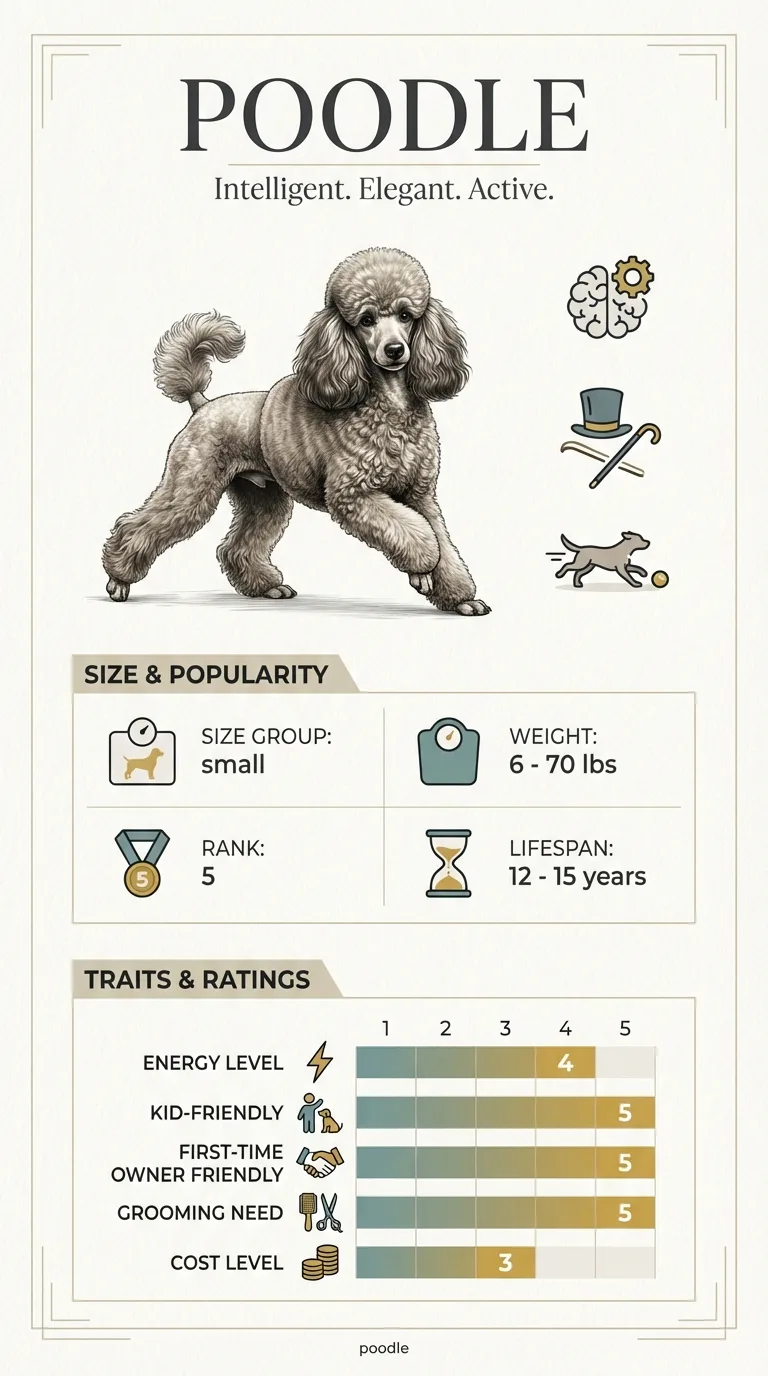
Many owners of Poodles, especially first-time dog parents, may struggle with understanding pancreatitis. If you notice your Poodle showing signs of lethargy, vomiting, or loss of appetite, it’s essential to take action quickly.
This guide is not medical advice. If your dog shows pain, sudden behavior change, or worsening symptoms, consult a licensed veterinarian.
Some links may be affiliate links. We may earn a commission at no extra cost to you. We only suggest products we believe are helpful for dog owners.
We research and check what we publish, but we do not warrant that any figure, date, price, or statement is accurate, complete, or current, and we accept no liability for any loss, cost, injury, or other harm arising from the use of this site. Use it as one reference among several. You remain responsible for your own decisions and for your dog's care - confirm anything that matters with a licensed veterinarian or another qualified professional before you act on it. Full disclaimer.
Check this first
Recognizing when Poodle pancreatitis is an emergency is crucial for your dog's health. If your Poodle shows severe symptoms, it's time to call your vet immediately. Look for signs like vomiting, severe abdominal pain, lethargy, or a sudden change in appetite. These can indicate a serious situation that requires urgent care.
On the other hand, if your Poodle has mild symptoms such as slight nausea or intermittent vomiting without any severe pain, you might not need to rush to the vet. Instead, monitor them closely for a day or two. Ensure they stay hydrated and consider a bland diet to see if symptoms improve. However, if mild symptoms persist or worsen, don't hesitate to seek veterinary advice.
Always trust your instincts as a pet owner. If something feels off, it’s better to err on the side of caution. Recognizing these red flags can make a significant difference in your Poodle's recovery.
If any of these apply, call your vet or an emergency clinic now. The rest of this page is for the cases that are not an emergency.
Poodle pancreatitis is a serious condition that occurs when the pancreas becomes inflamed. Day-to-day, this may present as vomiting, diarrhea, lethargy, or loss of appetite in your Poodle. These symptoms can be distressing for both the dog and the owner, leading to frequent vet visits and increased anxiety.
Pancreatitis is relatively common in Poodles, especially those who are overweight or have a history of dietary indiscretion. It’s important for Poodle owners to be aware of this risk to manage their dog's health effectively.
Poodles can be prone to pancreatitis due to their dietary habits and genetic predispositions. Their intelligence and energy levels make them more likely to indulge in inappropriate foods, which can trigger inflammation in the pancreas.
Environmental factors also play a role. Stress, changes in diet, and exposure to high-fat foods can lead to pancreatitis in Poodles. Additionally, a lack of regular exercise can contribute to obesity, further increasing the risk.
If your Poodle shows symptoms like vomiting, lethargy, or abdominal pain, talk to your vet immediately. These could be signs of pancreatitis and require prompt medical attention.
Understanding what not to do can help you manage Poodle pancreatitis more effectively. Here are common mistakes to avoid.
See all Poodle health problems, which breeds are prone to pancreatitis, or the full Poodle breed guide for temperament, exercise needs and ownership costs.
Managing Poodle pancreatitis typically takes 1-3 months with consistent treatment and dietary changes.
A successful outcome means your Poodle shows fewer symptoms, maintains a healthy weight, and enjoys a balanced diet without any flare-ups.
Maggie, a first-time Poodle owner, noticed her dog, Bella, frequently vomiting and acting lethargic. After a vet visit, she learned that Bella had pancreatitis. Initially overwhelmed, Maggie quickly educated herself about the condition and worked on a strict low-fat diet for Bella, along with regular vet check-ups. Over two months, Bella's health improved significantly, and Maggie became more confident in managing her dog’s condition.
Key takeaway: With the right knowledge and support, you can successfully manage your Poodle’s pancreatitis and help them lead a happy, healthy life.
Poodles can develop pancreatitis due to various factors, including diet, obesity, and certain medications. High-fat foods are particularly risky for Poodles, as their digestive systems are sensitive. If your Poodle shows symptoms like vomiting, lethargy, or abdominal pain, consult your vet immediately.
While you should always consult a vet for pancreatitis treatment, you can help your Poodle by providing a low-fat diet and ensuring they stay hydrated. Gradually reintroduce food after a fasting period, and monitor their symptoms closely. Always follow your vet's specific recommendations.
To prevent future episodes of pancreatitis, maintain a consistent low-fat diet and avoid table scraps. Regular exercise and weight management are crucial. Regular vet check-ups will also help catch potential issues early.
Yes, common signs include vomiting, diarrhea, loss of appetite, and abdominal pain. Some Poodles may also exhibit restlessness or hunching over to relieve discomfort. If you notice any of these symptoms, seek veterinary help quickly.
Yes, Poodles can still be trained even if they have pancreatitis. However, keep training sessions short and positive, ensuring not to stress them. Focus on gentle exercises and commands that keep their minds engaged without overexerting them.
Common signs of Poodle pancreatitis include vomiting, diarrhea, lethargy, and abdominal pain. If you notice any of these symptoms, it’s important to consult your vet right away.
Yes, Poodles can develop pancreatitis as they get older, especially if they have a history of dietary indiscretion. Regular vet check-ups can help catch any potential issues early.
High-fat foods are often linked to pancreatitis in Poodles. It's best to stick to a balanced diet specifically formulated for your dog's needs to minimize the risk.
To manage Poodle pancreatitis at home, follow your vet's dietary recommendations, keep your dog calm, and monitor their condition closely. Regular vet visits are essential for ongoing management.
If your Poodle has a pancreatitis flare-up, contact your veterinarian immediately. They may suggest a special diet, medication, or further testing based on your dog's condition.
Monitor your Poodle's diet carefully, avoid high-fat foods, and consult your vet for a suitable low-fat diet plan.
Regular vet visits are essential, especially after a pancreatitis episode. Aim for at least every 6 months or as advised by your vet.
Choose low-fat training treats specifically designed for dogs with pancreatitis. Always check the ingredients to ensure they are safe.
A one-page prep sheet for this condition: the signs, the questions to ask, what to get priced. Unlocks here.
You get: Vet visit prep sheet
No spam. One-click unsubscribe. See our privacy policy.
Preview page 1 before you decide.