Behavior
How to stop Rottweiler pancreatitis?
To stop pancreatitis, provide a low-fat diet and avoid table scraps. Regular vet check-ups are also key.

Quick answer
How to stop Rottweiler pancreatitis?
To stop pancreatitis, provide a low-fat diet and avoid table scraps. Regular vet check-ups are also key.
Rottweiler pancreatitis is a serious health issue that can lead to inflammation of the pancreas, affecting your dog's digestion and overall health.
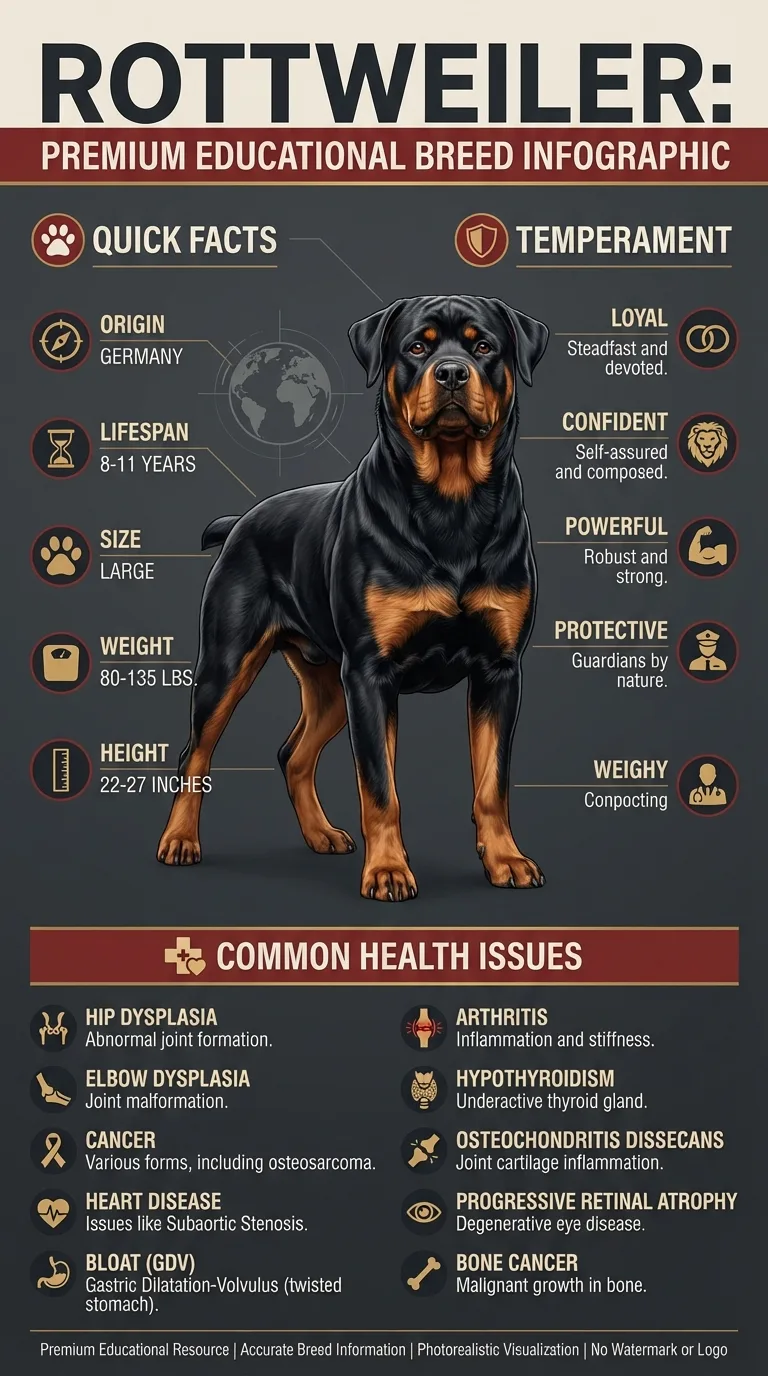
Typically, Rottweiler owners who face this issue are those who may notice their dog experiencing symptoms like vomiting, lethargy, or a lack of appetite. First-time dog owners or those with busy lifestyles may find it challenging to manage their Rottweiler's diet and health needs.
This guide is not medical advice. If your dog shows pain, sudden behavior change, or worsening symptoms, consult a licensed veterinarian.
Some links may be affiliate links. We may earn a commission at no extra cost to you. We only suggest products we believe are helpful for dog owners.
We research and check what we publish, but we do not warrant that any figure, date, price, or statement is accurate, complete, or current, and we accept no liability for any loss, cost, injury, or other harm arising from the use of this site. Use it as one reference among several. You remain responsible for your own decisions and for your dog's care - confirm anything that matters with a licensed veterinarian or another qualified professional before you act on it. Full disclaimer.
Check this first
Recognizing when Rottweiler pancreatitis is an emergency is crucial for your dog's health. If your Rottweiler shows severe signs such as persistent vomiting, diarrhea with blood, or extreme lethargy, it's time to call your vet immediately. Other red flags include a swollen abdomen, signs of pain when touched, or any significant change in behavior.
These symptoms could indicate a serious condition requiring urgent care.
If any of these apply, call your vet or an emergency clinic now. The rest of this page is for the cases that are not an emergency.
Rottweiler pancreatitis is a serious condition that involves inflammation of the pancreas. This can lead to severe abdominal pain, vomiting, and digestive issues. Owners may notice their Rottweiler becoming lethargic, refusing food, or experiencing sudden weight loss, which can be alarming.
Pancreatitis occurs relatively frequently in Rottweilers compared to other breeds. Their larger size and tendency toward obesity can increase the risk, making it crucial for owners to monitor their dog's diet and health closely.
Rottweilers can be predisposed to pancreatitis due to their larger size and unique metabolism. Their powerful build means they often have higher fat reserves, which can contribute to inflammation of the pancreas if not managed properly. Additionally, certain health issues common in Rottweilers, like obesity, can increase the risk of pancreatitis.
Diet plays a significant role in pancreatitis. Feeding your Rottweiler high-fat foods or sudden dietary changes can trigger inflammation. Stressful environments or sudden changes in routine can also impact your dog's digestive health, making them more susceptible to pancreatitis.
If your Rottweiler displays symptoms like vomiting, diarrhea, or lethargy, contact your vet immediately. These can be signs of pancreatitis. It's essential to get a proper diagnosis and treatment plan tailored to your dog's needs.
Avoiding common mistakes can help manage Rottweiler pancreatitis more effectively. Here are some behaviors to steer clear of.
See all Rottweiler health problems, which breeds are prone to pancreatitis, or the full Rottweiler breed guide for temperament, exercise needs and ownership costs.
Managing Rottweiler pancreatitis typically takes 1 to 3 months of consistent care and monitoring. Adjustments in diet and routine may take a few weeks to show improvement.
Success means your Rottweiler can enjoy a balanced diet without experiencing painful flare-ups. You’ll notice increased energy levels, a healthy appetite, and fewer gastrointestinal issues.
In less severe cases, you can monitor your Rottweiler at home. If your dog experiences mild vomiting or diarrhea but still drinks water and seems to have energy, you can typically wait and see. Keep track of their eating habits and any changes in behavior.
It's essential to provide a bland diet and ensure they stay hydrated. However, if symptoms persist beyond 24 hours or worsen, contact your vet for guidance.

Emily, a busy nurse from Denver, noticed that her Rottweiler, Max, was lethargic and had frequent vomiting. After a vet visit, she learned he had pancreatitis. Determined to help him, Emily researched how to stop Rottweiler pancreatitis and revamped Max’s diet to include low-fat foods. She also developed a structured exercise routine, which included daily walks and playtime to keep him active without overexertion. Over the next two months, Max improved significantly. He regained energy and was back to his playful self. Emily learned to manage his condition by staying consistent with his diet and monitoring for any signs of distress.
Key takeaway: With dedication and the right dietary changes, Rottweilers with pancreatitis can lead happy, active lives. Consistency in care is essential.
Rottweilers can develop pancreatitis due to factors like obesity, dietary indiscretion, or certain medications. A high-fat diet is often a common trigger. It's essential to monitor their food intake and consult your vet if you notice any signs of distress.
Signs of pancreatitis in Rottweilers include vomiting, diarrhea, lethargy, and abdominal pain. They may also exhibit a hunched posture and decreased appetite. If you notice these symptoms, it's crucial to seek veterinary care immediately.
To prevent pancreatitis, feed your Rottweiler a balanced diet with limited fat content. Avoid giving them table scraps and monitor their weight. Regular exercise and vet check-ups can also help maintain their overall health.
Treatment for pancreatitis usually involves hospitalization for hydration, medication, and a special diet. Your vet may recommend a low-fat diet after recovery. Always follow your vet’s guidance for the best outcomes.
Yes, Rottweiler pancreatitis can be managed long-term with dietary changes and regular vet visits. It's important to establish a feeding routine that avoids high-fat foods. Consistent monitoring can help prevent flare-ups.
If your Rottweiler has a pancreatitis attack, take them to the vet immediately. Quick action is essential to prevent severe complications. Ensure they are comfortable and avoid feeding them until you consult your vet.
Yes, many Rottweilers can recover from pancreatitis with proper care. Treatment often involves dietary changes, medication, and rest. However, severe cases may require hospitalization.
Yes, older Rottweilers may be more prone to pancreatitis due to age-related health issues. Monitoring their diet and health as they age can help reduce risks.
To stop pancreatitis, provide a low-fat diet and avoid table scraps. Regular vet check-ups are also key.
Monitor their food intake carefully and ensure they don’t have access to high-fat treats. Regular exercise is also important.
Yes, pancreatitis can make your Rottweiler lethargic or irritable due to discomfort. Close observation is necessary.
Rottweilers are prone to health issues like hip dysplasia and pancreatitis. Regular vet visits can help catch problems early.
A one-page prep sheet for this condition: the signs, the questions to ask, what to get priced. Unlocks here.
You get: Vet visit prep sheet
No spam. One-click unsubscribe. See our privacy policy.
Preview page 1 before you decide.