Health
Is this a real diagnosis for this breed?
Not by the Schnauzer-specific name, but the underlying follicular blockage mechanism can occur in any heavily coated dog, this breed included.

Quick answer
Is this a real diagnosis for this breed?
Not by the Schnauzer-specific name, but the underlying follicular blockage mechanism can occur in any heavily coated dog, this breed included.
The name belongs to a different breed entirely, but a heavily coated dog's follicles can get blocked the same way, and it's worth understanding regardless of what it's called.
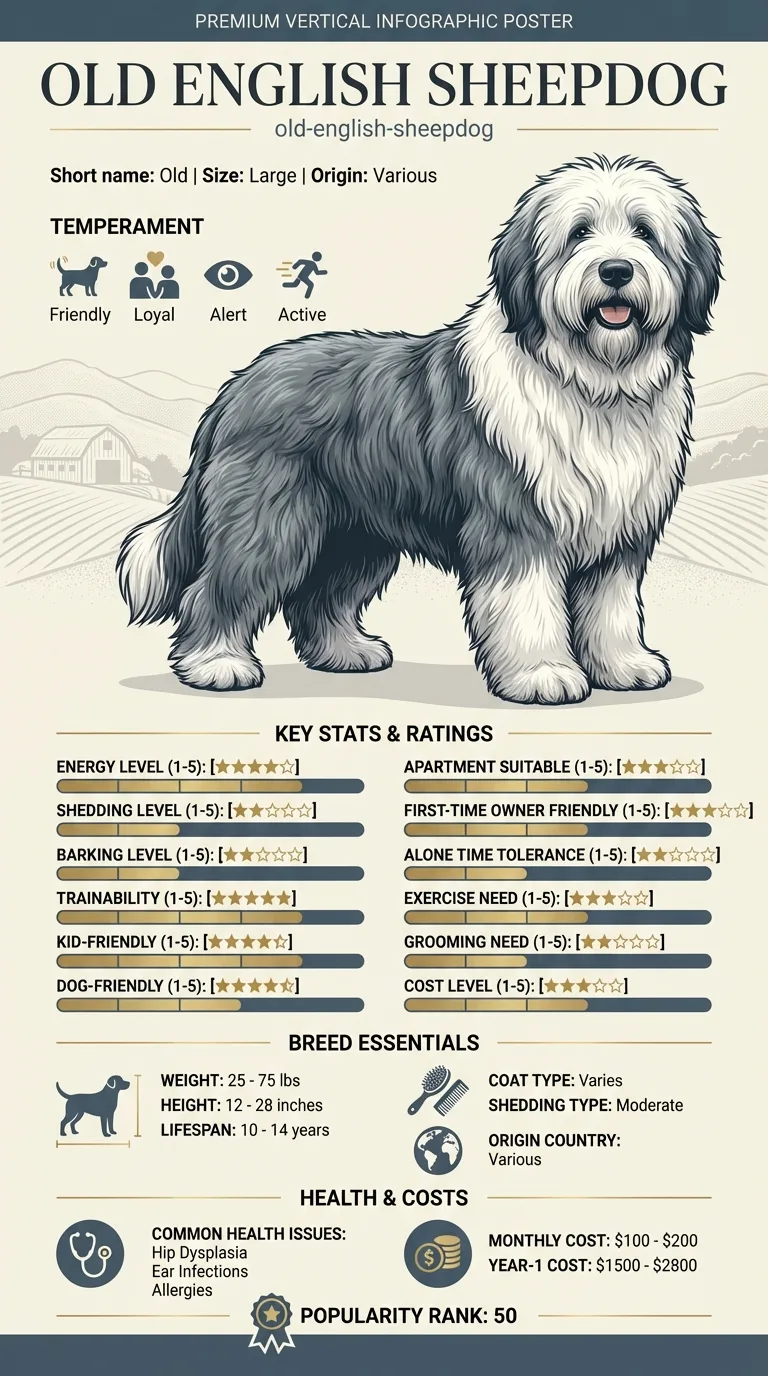
Owners who've noticed small bumps or blackhead-like spots along their dog's back or spine, particularly in a coat that isn't brushed out to the skin regularly.
This guide is not medical advice. If your dog shows pain, sudden behavior change, or worsening symptoms, consult a licensed veterinarian.
Some links may be affiliate links. We may earn a commission at no extra cost to you. We only suggest products we believe are helpful for dog owners.
We research and check what we publish, but we do not warrant that any figure, date, price, or statement is accurate, complete, or current, and we accept no liability for any loss, cost, injury, or other harm arising from the use of this site. Use it as one reference among several. You remain responsible for your own decisions and for your dog's care - confirm anything that matters with a licensed veterinarian or another qualified professional before you act on it. Full disclaimer.
Schnauzer comedo syndrome is named for and best documented in Miniature Schnauzers, not this breed. The underlying mechanism, hair follicles blocked by oil and debris producing blackhead-like bumps, isn't breed-exclusive though, and this breed's own dense double coat, particularly along the back, creates a real, if differently named, version of the same basic follicular blockage issue.
This exact named syndrome isn't documented in this breed, but the general follicular blockage mechanism underlying it is a common, everyday grooming-related issue for heavily coated breeds broadly, this one included, particularly for owners who don't brush all the way to the skin regularly.
This breed's own documented health profile doesn't include this named syndrome, which is specifically associated with Miniature Schnauzers. What this breed does share is the general risk factor behind it: a dense double coat that can trap oil and debris against hair follicles, particularly along the back where the coat grows thickest.
Infrequent or superficial brushing that doesn't reach the skin, leftover bathing product residue, and matting from delayed grooming all contribute directly to follicular blockage, regardless of breed or formal diagnosis name.
Talk to your vet if bumps become red, swollen, or clearly painful, or if they don't improve with more thorough grooming. This isn't usually an emergency, but persistent or worsening bumps warrant a proper skin exam to rule out infection or another cause.
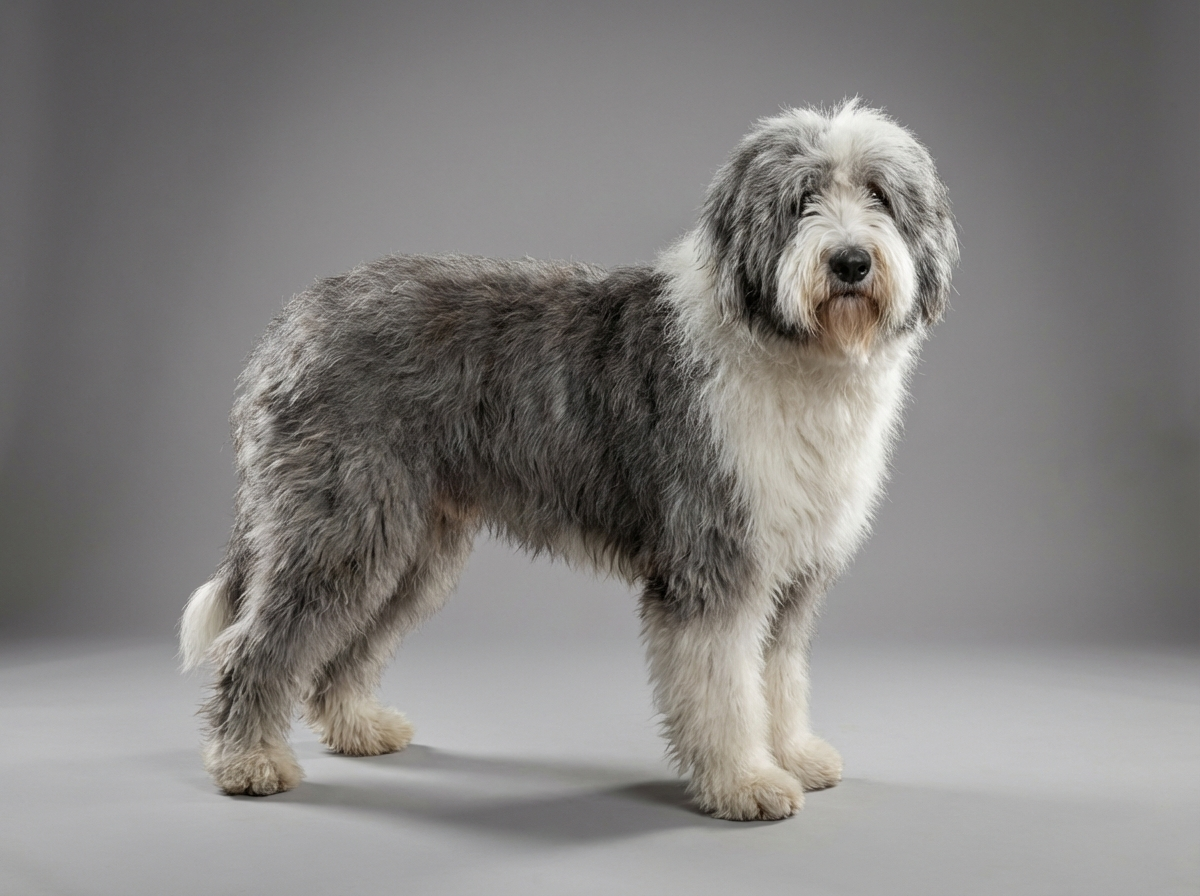
See all OLD English Sheepdog health problems, which breeds are prone to schnauzer comedo syndrome, or the full OLD English Sheepdog breed guide for temperament, exercise needs and ownership costs.
Mild follicular blockage often improves within one to two weeks of more thorough, consistent brushing. Established or infected bumps may take longer and sometimes need a vet-directed topical treatment to fully resolve.
Success looks like a coat maintained clear down to the skin through regular, thorough grooming, with any bumps that do appear resolving quickly rather than progressing to infection.
Schnauzer comedo syndrome, as formally described, is understood to have a breed-specific component in Miniature Schnauzers, tied to that breed's particular coat and skin follicle structure along the back. It isn't part of this breed's documented health profile, and using that exact name for an Old English Sheepdog's skin bumps would be borrowing a diagnosis that doesn't have established relevance here. What is genuinely relevant to this breed is the more general mechanism underneath the name: any dog with a dense coat, particularly along the back where hair grows thickest and least ventilated, can develop blocked follicles when oil, dead skin, and debris accumulate faster than regular brushing clears them out.
In a heavily coated breed like this one, follicular blockage tends to show up as small, firm bumps or blackhead-like spots most noticeable along the back and spine, precisely where the coat is densest and hardest to brush all the way to the skin. Left alone, these can occasionally become infected, turning into small, tender pustules. The practical fix has nothing to do with any Schnauzer-specific treatment protocol and everything to do with basic coat maintenance: regular brushing that actually reaches the skin, not just the outer coat, and prompt attention to bathing residue or product buildup that can contribute to blockage.

Bodie, a five-year-old Old English Sheepdog in Portland, developed a scattering of small, firm bumps along his back that his owner Ilsa initially worried might be a serious skin disease after some searching online turned up a Schnauzer-specific condition with a similar description. Her vet examined Bodie and explained that the exact named syndrome she'd read about didn't really apply to his breed, but the bumps themselves were genuine follicular blockage from oil and debris built up in his dense coat, likely worsened by brushing that hadn't been reaching all the way to the skin. Ilsa switched to a slower, more thorough brushing routine focused on getting down to skin level along his back. Within two weeks, most of the bumps had resolved on their own.
Key takeaway: The scary-sounding name Ilsa found online didn't actually apply to Bodie's breed, and the real fix turned out to be far simpler than a medical syndrome, just brushing that finally reached the skin.
Not by that specific name, since it's a condition documented mainly in Miniature Schnauzers with breed-specific relevance there. Your dog can still develop similar-looking comedone bumps from general follicular blockage, a different but related everyday issue.
Oil, dead skin, and debris accumulating faster than regular brushing clears them out, particularly along the back where this breed's coat is densest and hardest to reach down to the skin.
Small, firm bumps or blackhead-like spots, most commonly along the back and spine, sometimes becoming small, tender pustules if they become infected.
Regular, thorough brushing that reaches all the way to the skin, not just the visible outer coat, along with prompt attention to any bathing product buildup, addresses the underlying blockage mechanism directly.
If bumps become red, swollen, or clearly painful, or if they don't improve with more thorough grooming, a vet visit is worthwhile to rule out infection or a different underlying skin condition.
Skin and coat quality can be affected by overall nutrition, so a balanced diet supports healthy oil production and skin turnover, though grooming frequency and thoroughness matter more directly for this specific issue.
Generally no, it's a manageable grooming-related issue rather than a serious systemic disease, though persistent or worsening bumps should still be checked by a vet to rule out infection or another cause.
Not by the Schnauzer-specific name, but the underlying follicular blockage mechanism can occur in any heavily coated dog, this breed included.
Most commonly along the back and spine, where this breed's coat is densest and hardest to brush all the way to the skin.
Regular, thorough brushing that reaches the skin, not just the outer coat, along with attention to bathing product buildup.
If bumps become red, swollen, or painful, or don't improve with more thorough grooming.
Yes, regular brushing down to the skin is the most direct preventive measure for this kind of follicular blockage.
A one-page prep sheet for this condition: the signs, the questions to ask, what to get priced. Unlocks here.
You get: Vet visit prep sheet
No spam. One-click unsubscribe. See our privacy policy.
Preview page 1 before you decide.