Health
What's the key symptom combination for diabetes?
Increased thirst and urination together with weight loss despite normal or increased eating.

Quick answer
What's the key symptom combination for diabetes?
Increased thirst and urination together with weight loss despite normal or increased eating.
A dog that's suddenly drinking and urinating far more than usual, while also losing weight despite eating normally, is showing a pattern worth taking to the vet specifically, not just a general 'something seems off.'
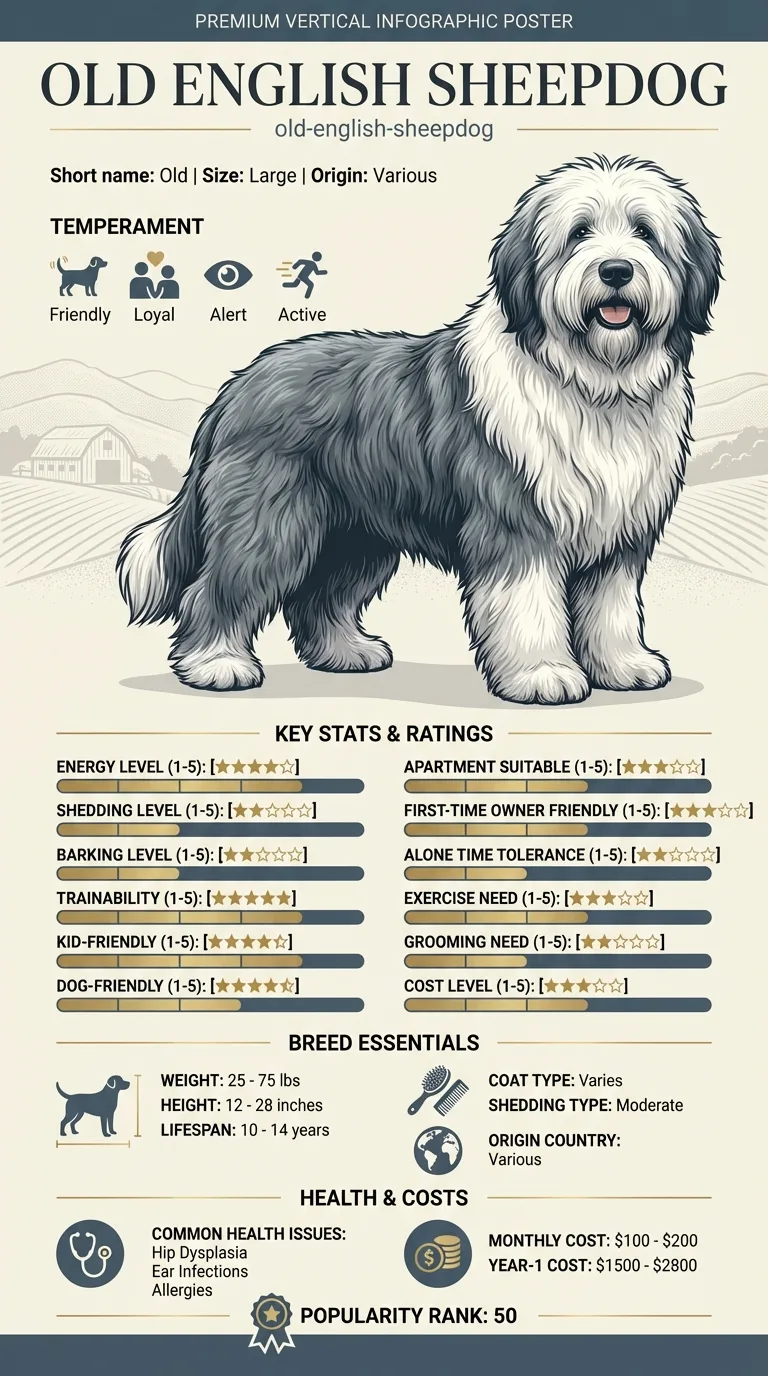
This is relevant to owners of dogs in their senior years, and it's especially easy to mix up with other endocrine issues in this breed given the documented hypothyroidism risk, which causes a nearly opposite symptom pattern.
This guide is not medical advice. If your dog shows pain, sudden behavior change, or worsening symptoms, consult a licensed veterinarian.
Some links may be affiliate links. We may earn a commission at no extra cost to you. We only suggest products we believe are helpful for dog owners.
Check this first
Diabetic ketoacidosis, a serious complication of unmanaged or newly diagnosed diabetes, can cause vomiting, lethargy, rapid breathing, and collapse, and is a genuine emergency requiring immediate veterinary treatment. Cataracts can also develop relatively quickly in diabetic dogs as a complication, which, while not itself an emergency, is worth mentioning to your vet promptly if noticed.
The gradual pattern of increased thirst, urination, and weight loss despite normal eating is not typically an emergency on its own and warrants a prompt, non-emergency vet visit with bloodwork. It becomes urgent specifically when a dog with these symptoms also becomes lethargic, starts vomiting, or its breathing changes.
If any of these apply, call your vet or an emergency clinic now. The rest of this page is for the cases that are not an emergency.
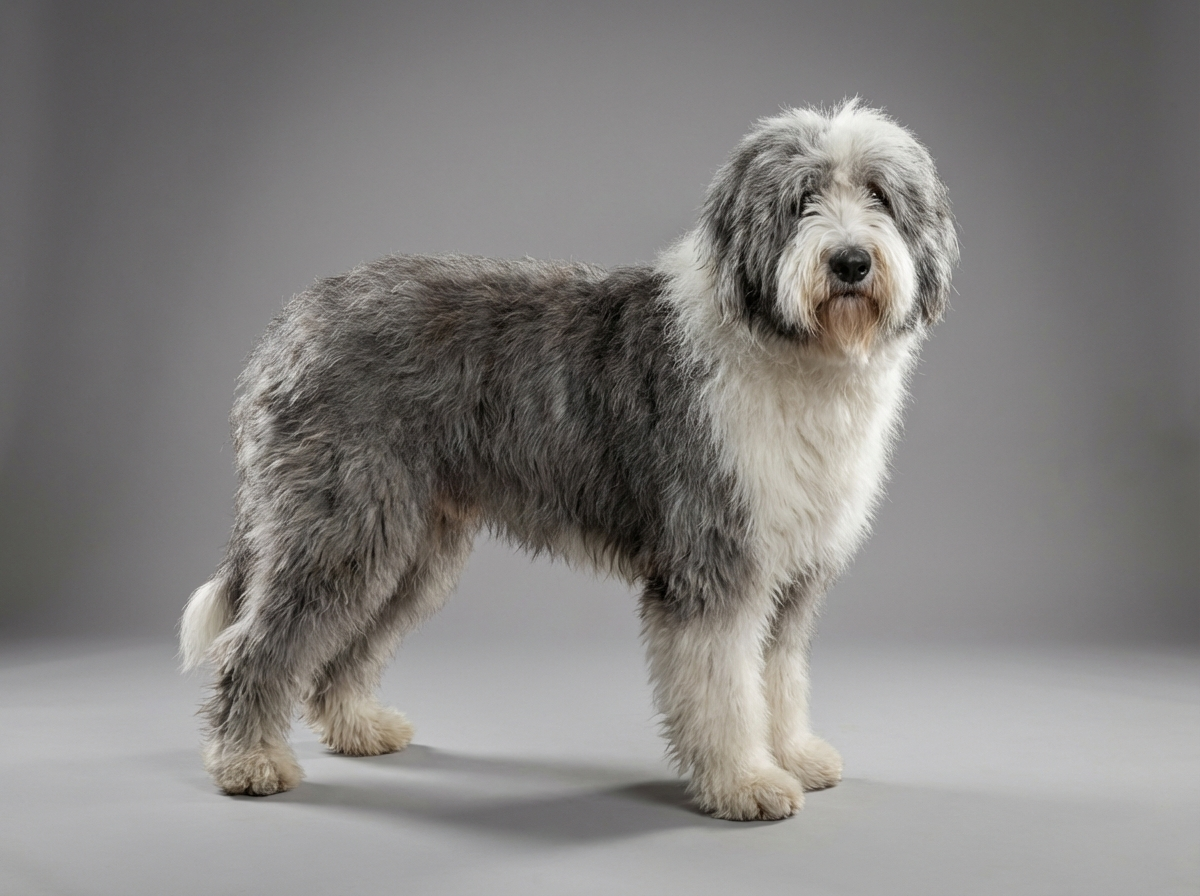
Diabetes isn't a documented common health issue in Old English Sheepdogs, but it's a genuine age-related risk in dogs generally, marked by a fairly distinct symptom pattern: increased thirst and urination alongside weight loss despite normal or increased eating, which is meaningfully different from this breed's documented hypothyroidism symptom pattern.
Diabetes isn't documented as an elevated risk specifically in this breed, but it remains a real, age-related condition seen across dog breeds generally, particularly in senior dogs.
There's no documented breed-specific predisposition to diabetes in Old English Sheepdogs. What is breed-relevant is the importance of distinguishing diabetes from this breed's documented hypothyroidism, since the two conditions can initially seem similar but actually present with largely opposite symptom patterns.
Obesity is a recognized risk factor for diabetes in dogs generally, making weight management broadly relevant, alongside general age-related changes in pancreatic function that increase risk in the senior years.
Talk to your vet about a marked increase in thirst and urination combined with weight loss despite normal eating. Seek emergency care for vomiting, lethargy, rapid breathing, or collapse, which can indicate a serious diabetic complication.
The symptom pattern for diabetes is distinct enough to be genuinely useful, if you know to look for the right combination.
See all OLD English Sheepdog health problems, which breeds are prone to diabetes, or the full OLD English Sheepdog breed guide for temperament, exercise needs and ownership costs.
Diagnosis typically takes a single vet visit with bloodwork and a urine test. Achieving stable insulin regulation after diagnosis commonly takes several weeks of monitoring and dose adjustments.
Success looks like stable blood sugar regulation, normalized thirst and urination, and a dog maintaining a healthy weight and energy level on an established management routine.
Maple, a ten-year-old Old English Sheepdog, started needing her water bowl refilled twice as often as usual, and her owner noticed she'd lost some weight despite eating her normal amount of food. Given the breed's documented hypothyroidism risk, her owner initially assumed a thyroid issue, but the symptom pattern, weight loss rather than gain, didn't quite fit. Bloodwork and a urine test confirmed diabetes instead. With insulin therapy started and monitored closely over the following weeks, Maple's thirst, urination, and weight stabilized, and she returned to her normal routine.
Key takeaway: Weight loss with increased thirst points a different direction than weight gain with fatigue. Paying attention to the specific pattern, not just that 'something's off,' helps get to the right diagnosis faster.
No, it isn't among this breed's documented common health issues, but it remains a real, age-related risk for dogs generally, and this breed is not protected from it simply by not being on that specific list.
Increased thirst and urination combined with weight loss despite normal or increased appetite. This combination is more specific and useful than any single symptom alone.
Hypothyroidism typically causes weight gain, lethargy, and a slowed metabolism. Diabetes causes weight loss despite eating normally, along with excess thirst and urination, a distinctly different pattern.
Through bloodwork showing elevated blood glucose, often confirmed alongside a urine test showing glucose in the urine, both straightforward, common veterinary tests.
Yes, cataracts are a well-known complication of diabetes in dogs and can develop relatively quickly once diabetes is present, which is worth knowing given this breed's separate, documented hereditary cataract risk.
Management is directed and monitored by your vet, typically involving insulin therapy alongside consistent feeding routines, with regular monitoring and dose adjustments to achieve good regulation.
Ongoing management involves recurring costs for insulin, monitoring supplies, and periodic vet rechecks, which together represent a genuine, ongoing monthly expense rather than a one-time cost.
Increased thirst and urination together with weight loss despite normal or increased eating.
Hypothyroidism causes weight gain and lethargy; diabetes causes weight loss and increased thirst, a nearly opposite pattern.
No, but it's still a real age-related risk regardless of documented breed predisposition.
Yes, cataracts are a known complication and can develop relatively quickly once diabetes is present.
It involves ongoing monthly costs for insulin, supplies, and vet monitoring, which add up over time.
A one-page prep sheet for this condition: the signs, the questions to ask, what to get priced. Unlocks here.
You get: Vet visit prep sheet
No spam. One-click unsubscribe. See our privacy policy.
Preview page 1 before you decide.