Health
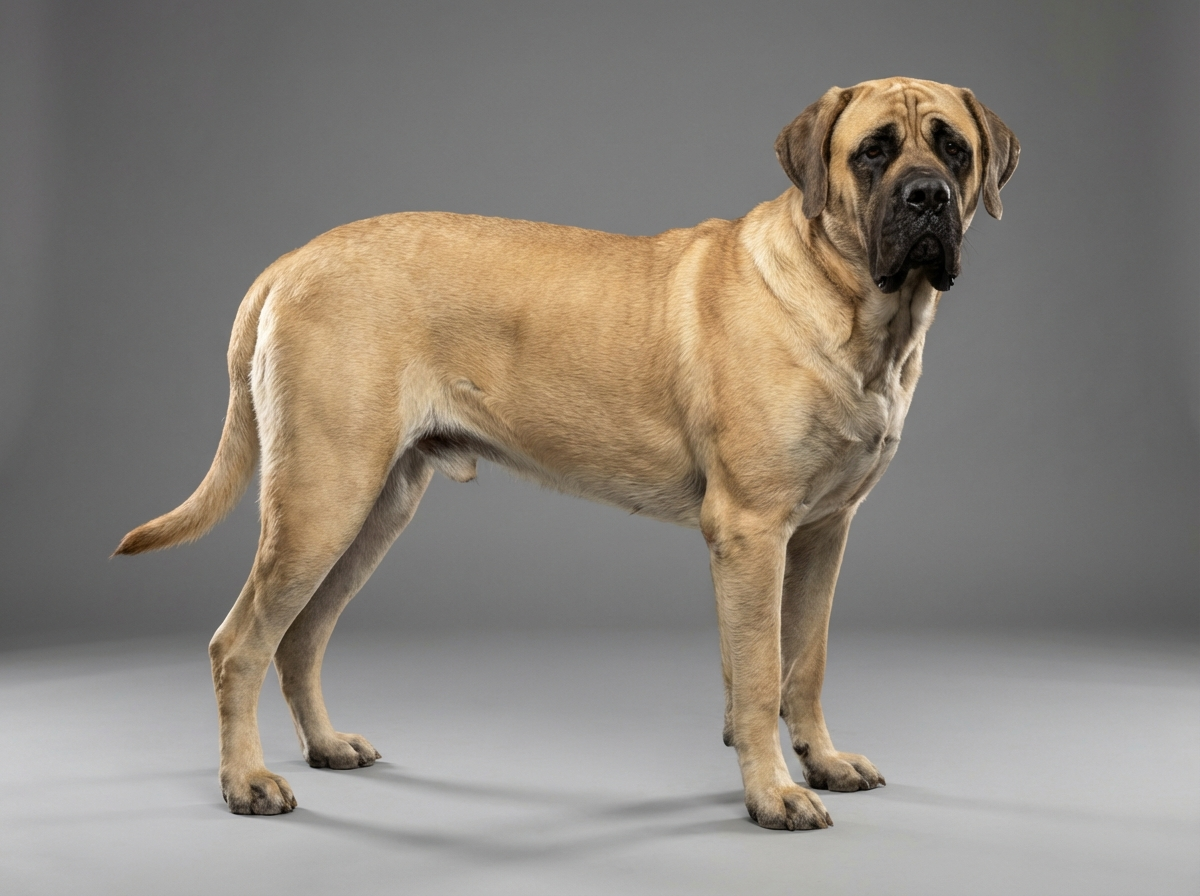
Is Von Willebrand's disease common in Mastiffs?
It's a documented inherited clotting disorder in the breed, though many affected dogs show no symptoms until a surgery or significant injury occurs.

Quick answer
Is Von Willebrand's disease common in Mastiffs?
It's a documented inherited clotting disorder in the breed, though many affected dogs show no symptoms until a surgery or significant injury occurs.
This condition often hides in plain sight for years, showing up only when a routine procedure suddenly doesn't go the way it should.
This matters for owners preparing their Mastiff for any surgery, and for anyone whose dog has bled unusually heavily or for an unusually long time after a minor cut, nail trim, or medical procedure.
This guide is not medical advice. If your dog shows pain, sudden behavior change, or worsening symptoms, consult a licensed veterinarian.
Some links may be affiliate links. We may earn a commission at no extra cost to you. We only suggest products we believe are helpful for dog owners.
We research and check what we publish, but we do not warrant that any figure, date, price, or statement is accurate, complete, or current, and we accept no liability for any loss, cost, injury, or other harm arising from the use of this site. Use it as one reference among several. You remain responsible for your own decisions and for your dog's care - confirm anything that matters with a licensed veterinarian or another qualified professional before you act on it. Full disclaimer.
Von Willebrand's disease is an inherited clotting disorder that affects a protein needed early in the blood clotting process. Many affected Mastiffs show no obvious symptoms during normal daily life, since the deficiency typically only becomes apparent when the body faces a bigger clotting demand, such as surgery, a significant wound, or a dental procedure.
It's a documented inherited condition in the breed's genetic background, and while not every dog is affected, it's common enough that many vets recommend screening before elective surgery in breeds known to carry it.
This is a genetic condition passed down through specific breeding lines, affecting the availability or function of a protein essential to normal clot formation. It isn't caused by size, coat, or lifestyle - it's inherited, which is why family history and screening matter more here than general breed-wide prevention.
Environment plays a limited role in whether a dog has this condition, but it plays a large role in whether it's ever discovered. A dog that never experiences a significant injury or surgery may never reveal symptoms, while one facing a routine procedure without prior screening is at real risk of an unexpected bleeding complication.
Talk to your vet before any planned surgery about clotting screening, and seek care promptly if your dog experiences unusually heavy or prolonged bleeding from any cut, procedure, or injury, since this can indicate an undiagnosed clotting issue needing management.
See all Mastiff health problems, which breeds are prone to von willebrands disease, or the full Mastiff breed guide for temperament, exercise needs and ownership costs.
Diagnosis via a screening blood test typically takes a few days for results. Once identified, the condition itself doesn't resolve, but precautions can be built into all future medical care essentially immediately.
Success looks like a documented diagnosis that travels with the dog to every future vet, groomer, and emergency visit, allowing appropriate precautions to be taken proactively rather than discovered the hard way during a crisis.
Von Willebrand's disease affects a protein involved in the initial clumping stage of blood clotting, rather than the later stages that most owners think of when they picture clotting. In mild or moderate cases, everyday bumps and scrapes clot normally enough that nothing seems wrong. The deficiency usually only becomes obvious when the body faces a bigger test - a surgical incision, a deeper wound, or a procedure involving more significant blood vessels - and the clumping process can't keep up with the demand.
This is exactly why a dog can reach adulthood, or even old age, without ever showing a symptom, only for a routine spay or dental procedure to reveal prolonged bleeding that catches everyone off guard, including the vet, if pre-surgical screening wasn't done.
A few proactive steps reduce the risk of this condition causing a dangerous surprise.

If you think your Mastiff has von willebrand's disease, the plan is three steps: write down what you have seen and when it started, book a veterinary appointment rather than waiting for the next flare, and take video of the behaviour or symptom before you go — the thing you are worried about rarely happens in the consulting room. Screening in the parents covers hip dysplasia, elbow dysplasia, cancer.
What the vet visit should produce is a diagnosis and a written plan, not just reassurance: what is being ruled out, what the monitoring interval is, and which signs mean you come back sooner. Ask what the treatment costs across a year rather than per visit, because that is the number that decides whether you are managing this condition or reacting to it.
Between appointments, keep a short log — dates, what you saw, what changed. It is the single most useful thing an owner brings to a follow-up, and for von willebrand's disease it is often what separates a clear pattern from a guess.
Naomi hadn't thought twice about her Mastiff Cassius's upcoming neuter until the surgery took noticeably longer than the vet had anticipated, due to bleeding that wasn't responding to standard measures as quickly as expected. The procedure was completed safely, but the surgical team flagged it as unusual enough to test for a clotting disorder afterward. The test confirmed Von Willebrand's disease, something that had never shown up in Cassius's life before, since he'd never had a significant injury or procedure that would have revealed it. Naomi was relieved it hadn't caused a genuine emergency, but unsettled realizing how easily it could have, especially if he'd ever needed emergency surgery for something like bloat. She now keeps a laminated card with Cassius's diagnosis in her car and shares it with any new vet or groomer immediately. A minor cut healed slower than she expected a few months later, and she was able to explain exactly why without any confusion at the clinic.
Key takeaway: This condition often reveals itself the hard way, during a procedure that's already underway - proactive screening before elective surgery is the difference between a planned precaution and an unexpected complication.
It's an inherited clotting disorder affecting a protein needed for the initial stage of blood clot formation. Affected dogs may bleed more heavily or for longer than normal, particularly after injury or surgery.
In mild to moderate cases, everyday minor injuries clot well enough that nothing seems unusual. The deficiency tends to become obvious only during a bigger challenge to the clotting system, like surgery or a significant wound.
It's a reasonable question to raise with your vet, particularly before any planned procedure, since a simple pre-surgical screening test can identify the condition before it causes an unexpected complication in the operating room.
No, it's a genetic condition that isn't cured, but it can be managed. Affected dogs often do fine with precautions taken around surgery and injury, including special clotting support if a procedure is needed.
Unusually heavy or prolonged bleeding from minor cuts, nail trims that bleed longer than expected, or frequent nosebleeds are all worth mentioning to your vet, even if they seem minor individually.
Often yes, with proper precautions. Once diagnosed, vets can plan around it with strategies like having clotting support available during the procedure, which significantly reduces the risk compared to an undiagnosed case.
It's a documented inherited clotting disorder in the breed, though many affected dogs show no symptoms until a surgery or significant injury occurs.
Yes - a simple pre-surgical screening blood test can identify it before a planned procedure, which is the safest way to catch it.
It can be during surgery or significant injury if undiagnosed, since prolonged bleeding can become serious without proper precautions.
Yes - sharing a confirmed diagnosis proactively helps any future provider plan around it safely, especially before procedures involving bleeding risk.
Yes - most affected dogs live normally with precautions taken around surgery and injury, even though the underlying condition isn't curable.
A one-page prep sheet for this condition: the signs, the questions to ask, what to get priced. Unlocks here.
You get: Vet visit prep sheet
No spam. One-click unsubscribe. See our privacy policy.
See a sample page before you decide.
Early access list
The free prep sheet covers the same-day warning signs, a symptom log and the questions to ask. We are considering a fuller kit that adds a cost worksheet for the usual tests and treatments (US price ranges with their sources) and a plain-English guide to ways of covering the bill. It is not built yet; this list tells us whether it is worth building.
One email, no spam, unsubscribe anytime. Information only, not veterinary advice.