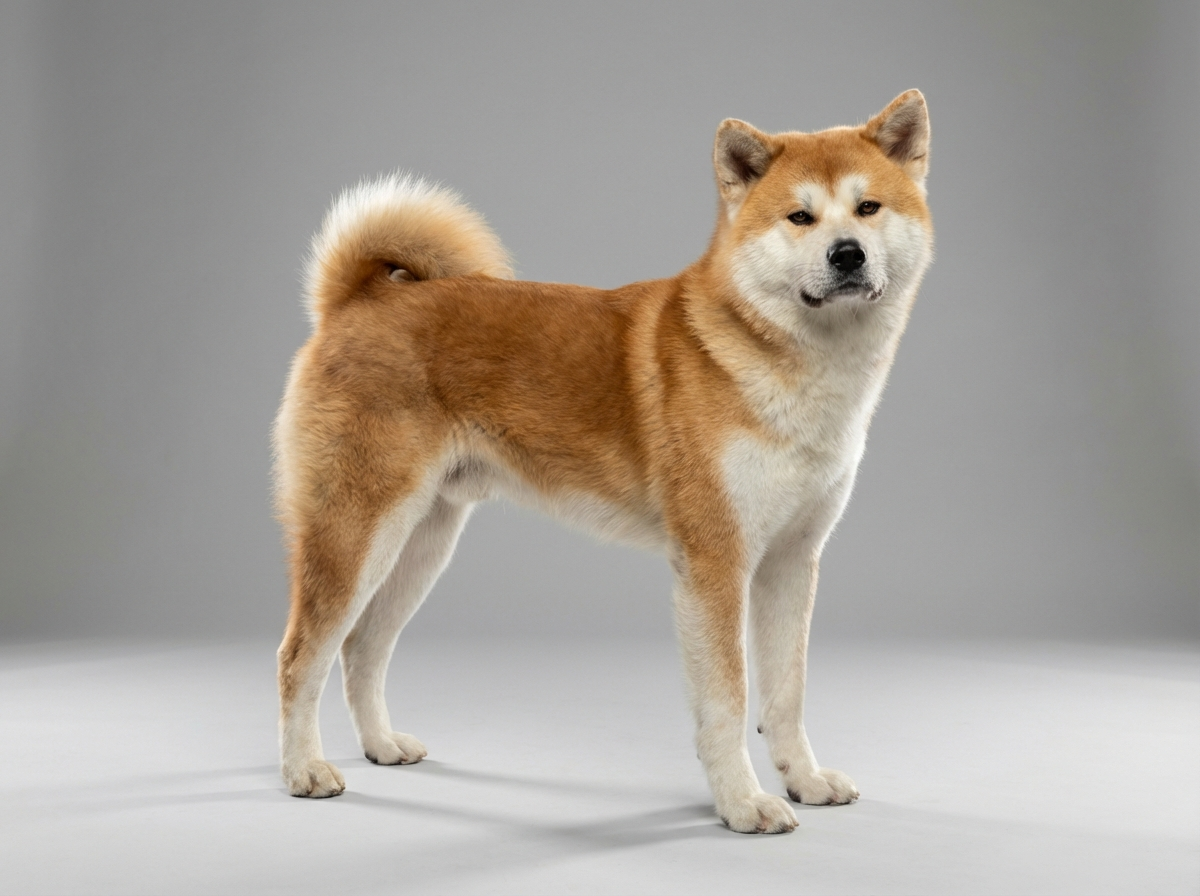
Health
Is this condition genuinely documented in Akitas?
Yes — Akitas are among the breeds with documented, meaningful prevalence of this bleeding disorder.

Quick answer
Is this condition genuinely documented in Akitas?
Yes — Akitas are among the breeds with documented, meaningful prevalence of this bleeding disorder.
A dog that bleeds longer than expected from a minor cut, or that has an unusually bad nosebleed, may be dealing with a genuine, documented inherited bleeding disorder rather than simple bad luck.
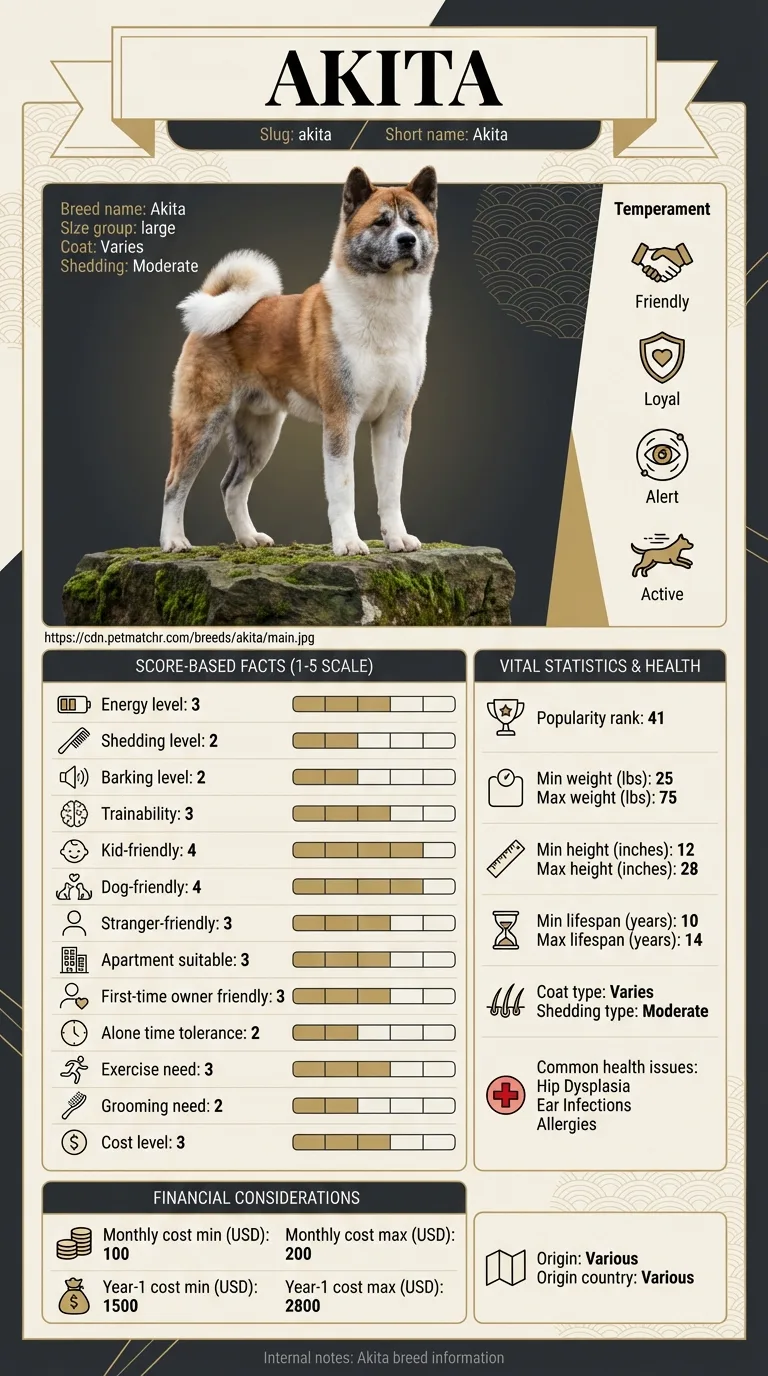
Owners noticing unusually prolonged bleeding from minor injuries or before a planned surgery like a spay or neuter are the ones who most often encounter this diagnosis.
This guide is not medical advice. If your dog shows pain, sudden behavior change, or worsening symptoms, consult a licensed veterinarian.
Some links may be affiliate links. We may earn a commission at no extra cost to you. We only suggest products we believe are helpful for dog owners.
We research and check what we publish, but we do not warrant that any figure, date, price, or statement is accurate, complete, or current, and we accept no liability for any loss, cost, injury, or other harm arising from the use of this site. Use it as one reference among several. You remain responsible for your own decisions and for your dog's care - confirm anything that matters with a licensed veterinarian or another qualified professional before you act on it. Full disclaimer.
Check this first
Bleeding that doesn't stop after 10 to 15 minutes of firm, direct pressure, significant blood loss, pale gums, or a dog appearing weak or disoriented after any bleeding episode warrant immediate emergency veterinary care.
A minor cut that stops bleeding within a reasonable time with basic first aid, even if it took a bit longer than expected, is not necessarily an emergency, though it's worth noting as a data point if you suspect this condition and haven't yet had it confirmed.
For a dog with a confirmed diagnosis, any planned procedure, from a dental cleaning to spay or neuter surgery, should involve a clear conversation with your vet in advance about precautions, rather than treating bleeding risk as something to manage only if a problem arises during the procedure itself.
If any of these apply, call your vet or an emergency clinic now. The rest of this page is for the cases that are not an emergency.
Von Willebrand's Disease is a hereditary bleeding disorder caused by a deficiency or dysfunction of a key clotting protein, and it's a genuinely documented, meaningful concern in Akitas. Most affected dogs live entirely normal lives, with the main practical considerations centering on precautions around surgery, dental work, and significant injury risk.
Von Willebrand's Disease is specifically documented as occurring in Akitas at a meaningful rate, placing this breed among those where pre-surgical screening for the condition is a reasonable, sometimes recommended, precaution.
The Akita carries a documented genetic predisposition to Von Willebrand's Disease, consistent with its recognized place among breeds where this bleeding disorder is more prevalent than in the general dog population. This is a well-established, testable genetic condition rather than a vague or unverified concern.
Because this is a genetic clotting-protein deficiency, environment doesn't cause the condition itself, but injury risk and surgical procedures are the situations where the condition's practical impact becomes most relevant, making advance testing and precaution planning the key management factors.
Seek emergency care for bleeding that doesn't stop after 10 to 15 minutes of firm pressure, significant blood loss, or a weak or disoriented dog. Schedule testing proactively before any planned surgery given this breed's documented risk.
Because this condition isn't always obvious until a bleeding event occurs, certain gaps in awareness can lead to avoidable risk.
See all Akita health problems, which breeds are prone to von willebrands disease, or the full Akita breed guide for temperament, exercise needs and ownership costs.
Diagnostic testing typically returns results within a few days. Once diagnosed, management is an ongoing awareness and precaution-based approach rather than a treatment with a defined timeline, unless a specific bleeding event requires acute treatment.
Success is a diagnosed dog living a full, normal life with appropriate precautions in place for surgery and significant injury risk, and every relevant vet aware of the diagnosis in advance.
If you think your Akita has von willebrand's disease, the plan is three steps: write down what you have seen and when it started, book a veterinary appointment rather than waiting for the next flare, and take video of the behaviour or symptom before you go — the thing you are worried about rarely happens in the consulting room. Screening in the parents covers hip dysplasia, progressive retinal atrophy, hypothyroidism.
What the vet visit should produce is a diagnosis and a written plan, not just reassurance: what is being ruled out, what the monitoring interval is, and which signs mean you come back sooner. Ask what the treatment costs across a year rather than per visit, because that is the number that decides whether you are managing this condition or reacting to it.
Between appointments, keep a short log — dates, what you saw, what changed. It is the single most useful thing an owner brings to a follow-up, and for von willebrand's disease it is often what separates a clear pattern from a guess.
Before her Akita puppy Yumi's spay surgery, Nadia's vet in Denver recommended a von Willebrand factor test given the breed's documented risk. The test came back showing Yumi had the condition, information that changed how her vet approached the surgery, including having clotting-supportive medication on hand as a precaution. The spay went smoothly with these precautions in place, and Nadia now keeps Yumi's diagnosis prominently noted for any future vet visits or procedures. Knowing about the condition in advance, rather than discovering it during an actual bleeding crisis, made all the difference in how smoothly things went.
Key takeaway: Testing for this condition before a planned surgery, given the breed's documented risk, allows for precautions that make a real difference if the diagnosis comes back positive.
Yes — Akitas are among the breeds with a documented, meaningful prevalence of this hereditary bleeding disorder, making it a genuine breed-relevant health consideration rather than a rare, coincidental finding.
It's caused by a deficiency or dysfunction of von Willebrand factor, a protein essential for normal blood clotting, meaning affected dogs bleed longer than normal after an injury or during surgery.
A specific blood test measuring von Willebrand factor levels confirms the diagnosis; this is often recommended as a screening test before any planned surgery in breeds with documented risk, including the Akita.
Prolonged bleeding from minor cuts, nosebleeds, bleeding gums, blood in urine or stool, or excessive bruising are the general signs, though many affected dogs show no obvious symptoms until an injury or surgery reveals the issue.
There's no cure, but it's managed through precautions around surgery and injury, and in a significant bleeding event, treatment can include specific clotting-supportive medication or in severe cases a blood or plasma transfusion.
The diagnostic blood test typically costs $50 to $150; ongoing management costs are generally low unless a significant bleeding event requiring emergency treatment occurs.
Testing before any planned surgery is a reasonable precaution given this breed's documented risk, allowing your vet to plan appropriately even if your dog has never shown an obvious bleeding symptom.
Yes — Akitas are among the breeds with documented, meaningful prevalence of this bleeding disorder.
Prolonged bleeding from minor cuts or unusually bad nosebleeds.
A specific blood test measuring von Willebrand factor levels.
Typically $50 to $150 for the diagnostic blood test.
Yes — this is a reasonable precaution given this breed's documented risk.
A one-page prep sheet for this condition: the signs, the questions to ask, what to get priced. Unlocks here.
You get: Vet visit prep sheet
No spam. One-click unsubscribe. See our privacy policy.
Preview page 1 before you decide.