DogBreedCompass
← Back to breed profile

Understanding Yorkshire Terrier von Willebrand's Disease

Yorkshire Terrier von Willebrand's disease is a serious bleeding disorder that can impact your furry friend’s health.

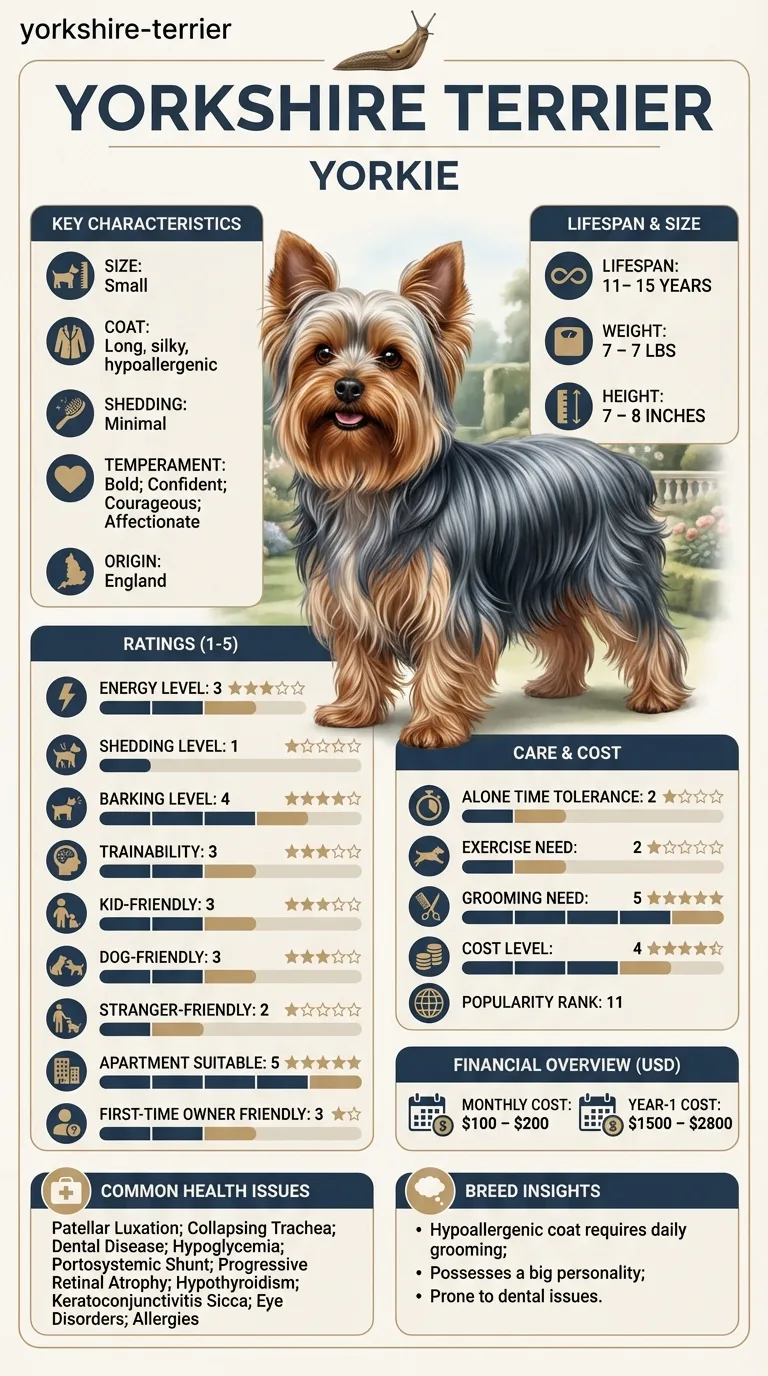
Understanding Yorkshire Terrier von Willebrand's Disease infographic

Owners of Yorkshire Terriers, particularly first-time pet parents or those unfamiliar with canine health issues, often struggle with this disease. It's especially concerning for those with active dogs who may be prone to injuries.

Important reminder

This guide is not medical advice. If your dog shows pain, sudden behavior change, or worsening symptoms, consult a licensed veterinarian.

Some links may be affiliate links. We may earn a commission at no extra cost to you. We only suggest products we believe are helpful for dog owners.

What this problem looks like

Yorkshire Terrier von Willebrand's disease is a bleeding disorder that affects these small, spirited dogs. Day-to-day, this condition can lead to excessive bleeding from minor injuries, prolonged bleeding after surgery, or spontaneous bleeding episodes. Owners may notice their Yorkies bruising easily or experiencing nosebleeds, which can be alarming.

Common triggers

  • Stressful situations like vet visits
  • Minor injuries or trauma
  • Certain medications or procedures

Von Willebrand's disease is relatively common in Yorkshire Terriers, particularly in those with a family history of the condition. Estimates suggest that around 10-20% of Yorkies may be affected, making it important for owners to be aware of the signs and symptoms.

Why this happens

Breed factors

Yorkshire Terriers are prone to von Willebrand's disease due to their genetic makeup. This bleeding disorder is inherited and affects their ability to form blood clots. If your Yorkie has a family history of this condition, they may be more susceptible.

Environment factors

Environmental factors can also contribute to the severity of von Willebrand's disease. Stress, trauma, or certain medications may exacerbate the symptoms. A well-managed environment can help minimize triggers and keep your dog calm.

What you can try

At-home strategies

  • Monitor your Yorkie's health closely, noting any signs of excessive bleeding or unusual bruising.
  • Maintain a stress-free environment by providing a quiet space for your dog to retreat and feel safe.
  • Ensure your Yorkie is on a balanced diet to support overall health, but avoid supplements or medications without vet approval.

When to consider a trainer

If your Yorkie's anxiety levels seem elevated, consider working with a trainer who specializes in behavior issues. They can offer techniques to help your dog feel more secure and reduce stress.

When to talk to your vet

Speak to your vet if you notice any symptoms of von Willebrand's disease, like prolonged bleeding from minor injuries. Regular check-ups are important, especially if your Yorkie has a family history of this condition.

Realistic expectations

Managing Yorkshire Terrier von Willebrand's disease can take several months of consistent care and training. Regular vet visits and monitoring are crucial for long-term success.

Success means learning to manage the condition with proper veterinary support, understanding your dog's needs, and being able to engage in safe activities without triggering bleeding episodes.

Mistakes that make this worse

Avoiding common pitfalls can significantly help your Yorkshire Terrier manage von Willebrand's disease. Here are some mistakes to watch out for and safer alternatives.

  • Ignoring Symptoms: Many owners overlook mild symptoms, thinking they will go away. Always consult a vet if you notice unusual bleeding or bruising.
  • Overexerting Your Dog: Some owners may not recognize that high-energy activities can lead to injury. Opt for moderate exercise to keep your Yorkie safe.
  • Neglecting Dental Care: Dental disease is common in Yorkies, and poor dental health can complicate von Willebrand's disease. Regular dental check-ups and cleanings are essential.
  • Skipping Regular Vet Visits: Failing to schedule routine check-ups can delay important health assessments. Keep up with regular vet visits to monitor your dog’s condition.
  • Using Inappropriate Training Methods: Harsh training techniques can increase anxiety and stress in your dog. Use positive reinforcement to encourage calm behavior.
  • Not Educating Yourself: Many owners don't research this specific disease. Understanding von Willebrand's can empower you to make better decisions for your pet's care.
  • Neglecting Nutrition: Owners might not prioritize a balanced diet. Consult your vet for dietary recommendations tailored to support your Yorkie's health.

When Yorkshire Terrier von Willebrand's Disease is an Emergency

Recognizing the signs of Yorkshire Terrier von Willebrand's disease is crucial for your pup's health. There are clear red flags that indicate you should call your vet immediately. If your Yorkie experiences excessive bleeding, whether from minor cuts or spontaneously, it’s a sign of an emergency.

Unexplained bruising, prolonged bleeding after surgery, or blood in their urine or stool are all serious symptoms requiring prompt attention.

On the other hand, milder cases can often be monitored at home. If your Yorkshire Terrier has a history of minor bleeding episodes that resolve quickly and don’t escalate, you can create a watch-and-wait plan. Keep an eye on any changes in behavior or new symptoms.

Regular vet check-ups can help you manage the condition effectively without immediate panic.

In summary, trust your instincts: if something feels off, it’s better to be safe and consult with your vet. However, not every minor bleed or bruise means an emergency. Understanding these differences can help you respond appropriately and keep your furry friend healthy.

Understanding Yorkshire Terrier von Willebrand's Disease - When Yorkshire Terrier von Willebrand's Disease is an Emergency

A Journey with Bella: Overcoming Von Willebrand's Disease

When Sarah adopted Bella, her Yorkshire Terrier, she quickly learned about the challenges of von Willebrand's disease. After a few scary moments with excessive bleeding during playtime, Sarah sought help from her vet. They established a management plan that included regular check-ups, careful monitoring of Bella’s activity, and training techniques focused on calmness. With time, Bella learned to engage in gentle play, and Sarah felt more confident about their routine.

Key takeaway: Understanding and managing Yorkshire Terrier von Willebrand's disease requires patience and a solid plan. With the right support, you can lead an enjoyable life with your dog while keeping them safe.

Frequently asked questions

What is Yorkshire Terrier von Willebrand's disease?

Yorkshire Terrier von Willebrand's disease is a bleeding disorder that affects blood clotting. It occurs due to a deficiency in a clotting protein called von Willebrand factor. This can lead to excessive bleeding from minor injuries or surgeries.

Why does my Yorkshire Terrier have von Willebrand's disease?

Von Willebrand's disease is often inherited in Yorkshire Terriers. If your dog has this condition, it may have been passed down from its parents. Regular vet check-ups can help identify this issue early.

How can I manage my Yorkshire Terrier's von Willebrand's disease?

Managing a Yorkshire Terrier with von Willebrand's disease includes regular veterinary check-ups and possibly medication. Avoiding situations where they might get injured is also crucial. Keeping a close eye on their activity levels can help prevent bleeding episodes.

Is there a cure for Yorkshire Terrier von Willebrand's disease?

Currently, there is no cure for von Willebrand's disease in Yorkshire Terriers. Treatment focuses on managing symptoms and preventing bleeding. Your vet may recommend specific strategies tailored to your dog's needs.

What should I do if my Yorkshire Terrier is bleeding?

If your Yorkshire Terrier starts bleeding, apply gentle pressure to the wound and contact your vet immediately. Quick action can make a significant difference in a bleeding episode. Always have a first-aid kit handy for emergencies.

Can training help with Yorkshire Terrier von Willebrand's disease?

Training can help your Yorkshire Terrier adapt to their condition by teaching them to avoid risky activities. Reinforcing calm behavior and obedience can reduce the likelihood of injuries. Always consult your vet about suitable training methods.

What are the symptoms of von Willebrand's disease in Yorkshire Terriers?

Symptoms of von Willebrand's disease in Yorkshire Terriers may include excessive bleeding from small cuts, prolonged bleeding after surgery, and unusual bruising. If your Yorkie shows any of these signs, it’s important to consult with a vet promptly.

Can von Willebrand's disease affect older Yorkshire Terriers differently?

Yes, older Yorkshire Terriers may experience more severe symptoms of von Willebrand's disease due to age-related health issues. It's crucial to monitor their health closely and discuss any changes or concerns with your veterinarian.

How can I help my Yorkshire Terrier if they have von Willebrand's disease?

Managing a Yorkshire Terrier with von Willebrand's disease involves regular vet check-ups and avoiding situations that could lead to injury. Training your dog to follow commands can also help keep them safe in potentially risky situations.

Is there a specific diet for Yorkshire Terriers with von Willebrand's disease?

While there isn't a special diet solely for Yorkshire Terriers with von Willebrand's disease, a balanced, nutritious diet can support overall health. Always consult your vet about any dietary changes or supplements that may benefit your dog's condition.

Why does my Yorkshire Terrier have von Willebrand's disease?

Von Willebrand's disease is often hereditary in Yorkshire Terriers, meaning it can be passed down from parent to puppy. If your dog has this condition, it’s best to discuss potential genetic concerns with your vet, especially if you're considering breeding.

Quick answers

View more answers
Health

What are quick tips for Yorkshire Terrier von Willebrand's disease?

Always monitor your Yorkie's activity and avoid rough play to minimize injury risks. Regular vet visits are crucial for managing their health. Keep a first-aid kit ready for any bleeding incidents.

Training

How do I train a Yorkshire Terrier with von Willebrand's disease?

Focus on gentle, positive reinforcement training methods that encourage calm behavior. Avoid high-energy exercises that could lead to accidents. Consistent training helps ensure your Yorkie understands their limits.

Living

Can Yorkshire Terrier von Willebrand's disease be prevented?

While it cannot be prevented, early detection through regular vet check-ups can help manage the disease effectively. Responsible breeding practices can also reduce the risk of passing on this condition.

Related DogBreedCompass guides

  • Common health issues in Yorkshire TerriersLearn more about common health issues in Yorkshire Terriers, including tips on managing them.
  • Yorkshire Terrier behavior problemsUnderstand how to train your Yorkshire Terrier to cope with behavior problems effectively.
  • Yorkshire Terrier separation anxiety guideExplore our comprehensive guide to help your Yorkshire Terrier with separation anxiety.
  • Yorkshire Terrier first-year cost breakdownFind out the first-year cost breakdown of owning a Yorkshire Terrier to plan your budget.
  • How to stop Yorkshire Terrier von Willebrand's diseaseGet insights on how to stop Yorkshire Terrier von Willebrand's disease through training and care.

Related guides