Health
Why does my Lab get so many ear infections?
Its naturally floppy, low-airflow ears combined with a strong swimming instinct create ideal moist conditions for yeast and bacteria, a well-documented pattern in this breed.

Quick answer
Why does my Lab get so many ear infections?
Its naturally floppy, low-airflow ears combined with a strong swimming instinct create ideal moist conditions for yeast and bacteria, a well-documented pattern in this breed.
A Lab that shakes its head, scratches at its ears, or has a faint yeasty smell isn't being dramatic, it's showing one of this breed's most predictable, well-documented health patterns.
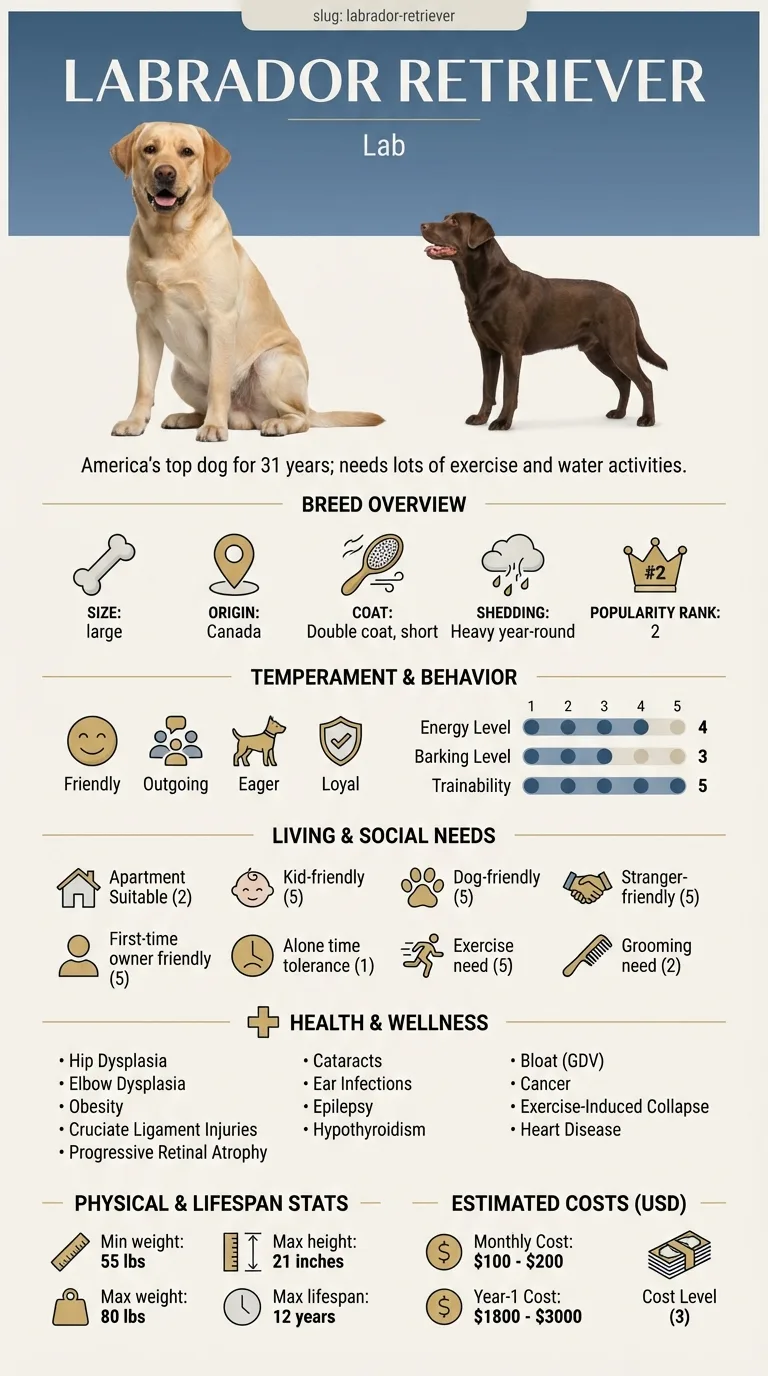
Owners of Labradors that swim regularly, live near water, or bathe their dog often are the ones who deal with this most directly, since moisture retention is the single biggest driver of this breed's ear infection risk.
This guide is not medical advice. If your dog shows pain, sudden behavior change, or worsening symptoms, consult a licensed veterinarian.
Some links may be affiliate links. We may earn a commission at no extra cost to you. We only suggest products we believe are helpful for dog owners.
We research and check what we publish, but we do not warrant that any figure, date, price, or statement is accurate, complete, or current, and we accept no liability for any loss, cost, injury, or other harm arising from the use of this site. Use it as one reference among several. You remain responsible for your own decisions and for your dog's care - confirm anything that matters with a licensed veterinarian or another qualified professional before you act on it. Full disclaimer.
Ear infections are one of the most consistently documented health concerns for Labrador Retrievers, driven by the combination of naturally floppy, low-airflow ears and this breed's strong instinct for swimming and water retrieving. Trapped moisture creates ideal conditions for yeast and bacteria, making this a highly predictable, largely preventable pattern rather than a random occurrence.
Directly and consistently documented as one of this breed's most common health concerns, making ear infections a near-expected challenge for Labrador owners rather than an occasional surprise, particularly for dogs that swim often.
Ear infections are specifically listed among Labrador Retrievers' documented health concerns, and the mechanism is straightforward: naturally floppy, low-airflow ears combined with a strong, historically bred-in drive to swim create a warm, damp environment ideally suited to the yeast and bacteria responsible for most canine ear infections.
Frequent swimming or bathing without thorough ear drying afterward is the single biggest environmental driver. Households in humid climates, and dogs with underlying allergies that inflame the ear canal, both compound the baseline moisture risk this breed already carries.
See your vet if ear infections recur more than two or three times a year, if you notice persistent odor, discharge, or redness, or if your dog seems in pain or is shaking its head excessively. Head tilting that doesn't resolve, loss of balance, or a severely swollen ear needs prompt attention rather than waiting.
See all Labrador Retriever health problems, which breeds are prone to ear infections, or the full Labrador Retriever breed guide for temperament, exercise needs and ownership costs.
An active infection typically clears within one to two weeks of prescribed ear drops. Prevention is an ongoing, lifelong routine for this breed rather than a problem that's solved once and forgotten, given the underlying anatomy doesn't change.
Success looks like infrequent infections, ideally none, achieved through a consistent post-swim drying routine, rather than eliminating swimming or accepting frequent infections as inevitable for this breed.
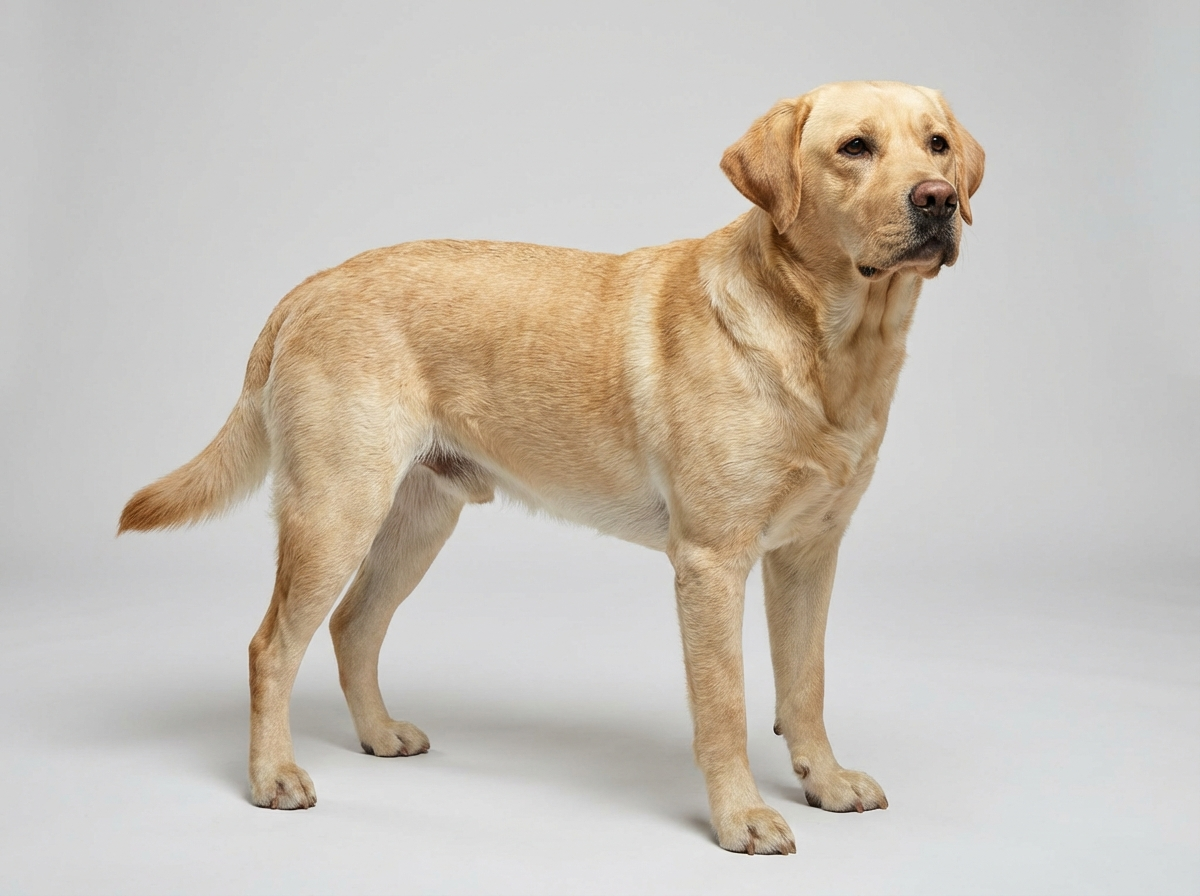
Ear infections are directly and consistently documented as a common health concern for Labrador Retrievers, and the anatomy explains why. This breed's ears are naturally floppy and hang close to the head, restricting airflow into the ear canal compared to an upright-eared breed. Combine that with a strong, historically bred-in love of swimming and water retrieving, and you get ears that stay damp far more often than most breeds', creating ideal conditions for the yeast and bacteria that cause the majority of canine ear infections. This isn't a subtle or occasional risk; it's one of the most predictable, well-established patterns in this breed's health profile.
Because moisture is the core driver, an effective prevention routine focuses specifically on getting the ear canal properly dry, not just cleaning it:

If you think your Lab has ear infections, the plan is three steps: write down what you have seen and when it started, book a veterinary appointment rather than waiting for the next flare, and take video of the behaviour or symptom before you go — the thing you are worried about rarely happens in the consulting room. Screening in the parents covers hip dysplasia, elbow dysplasia, obesity.
What the vet visit should produce is a diagnosis and a written plan, not just reassurance: what is being ruled out, what the monitoring interval is, and which signs mean you come back sooner. Ask what the treatment costs across a year rather than per visit, because that is the number that decides whether you are managing this condition or reacting to it.
Between appointments, keep a short log — dates, what you saw, what changed. It is the single most useful thing an owner brings to a follow-up, and for ear infections it is often what separates a clear pattern from a guess.
Finn, a three-year-old Labrador who swam almost daily at the family lake house every summer, had gotten two ear infections in a single June before his owner made a real change. Instead of just cleaning his ears after infections appeared, she started using a vet-approved drying solution after every single swim, drying his outer ears thoroughly with a towel each time, rain or shine. The following summer, despite swimming just as often, Finn had zero ear infections. His owner now considers the drying routine as automatic as toweling off his coat, something that simply happens every time he gets out of the water.
Key takeaway: This breed's ear infection risk is highly preventable once you address the actual cause, trapped moisture, with a consistent drying routine rather than only treating infections after they've already started.
Yes, this is one of the most consistently documented health concerns for this breed, driven by the combination of naturally floppy, low-airflow ears and a strong instinct for swimming and water retrieving.
A drying rinse after every swim is more important than routine cleaning on a fixed schedule; many owners also do a full cleaning weekly, adjusting based on their individual dog's tendency toward buildup.
Head shaking, scratching at the ears, a yeasty or foul odor, redness or swelling inside the ear flap, and sometimes visible discharge are the classic signs worth a vet visit.
Yes, swimming itself isn't the problem, moisture left sitting in the canal afterward is. A thorough drying routine after every swim addresses the actual cause without requiring you to limit your dog's water time.
Yes, allergic inflammation changes the ear canal's normal defenses and is a major contributing factor in dogs with recurring infections despite good moisture management.
A vet visit to identify whether yeast, bacteria, or both are involved, followed by prescribed ear drops for one to two weeks, typically resolves an active infection, though the underlying moisture or allergy driver still needs addressing to prevent recurrence.
If your dog is in obvious pain, tilting its head persistently, has lost balance, or the ear is severely swollen shut, see a vet promptly rather than waiting, since these can indicate a more serious middle or inner ear involvement.
Its naturally floppy, low-airflow ears combined with a strong swimming instinct create ideal moist conditions for yeast and bacteria, a well-documented pattern in this breed.
No, the fix is thorough ear drying after each swim, not avoiding water, which this breed is both built for and loves.
A vet visit plus prescribed ear drops typically runs a modest cost; recurring infections requiring allergy testing add more over time.
No, use a vet-approved canine ear-drying solution specifically formulated for the different pH and sensitivity of a dog's ear canal.
An occasional infection despite good prevention isn't unusual, but frequent recurrence, several times a year, usually means an underlying allergy needs addressing alongside moisture control.
A one-page prep sheet for this condition: the signs, the questions to ask, what to get priced. Unlocks here.
You get: Vet visit prep sheet
No spam. One-click unsubscribe. See our privacy policy.
Preview page 1 before you decide.