Health
Why do ear infections keep coming back in this breed?
Semi-erect ears limit airflow, and combined with a documented allergy tendency, that creates a warm, inflamed environment prone to repeat infections.

Quick answer
Why do ear infections keep coming back in this breed?
Semi-erect ears limit airflow, and combined with a documented allergy tendency, that creates a warm, inflamed environment prone to repeat infections.
A head shake after every bath, a faint yeasty smell by evening, or a dog rubbing an ear against the couch are the small signals that usually come well before a full-blown infection sets in.

Owners already managing this breed's documented allergies see this the most, since chronic ear infections are typically a direct downstream consequence of that underlying allergic sensitivity rather than a standalone ear problem.
This guide is not medical advice. If your dog shows pain, sudden behavior change, or worsening symptoms, consult a licensed veterinarian.
Some links may be affiliate links. We may earn a commission at no extra cost to you. We only suggest products we believe are helpful for dog owners.
We research and check what we publish, but we do not warrant that any figure, date, price, or statement is accurate, complete, or current, and we accept no liability for any loss, cost, injury, or other harm arising from the use of this site. Use it as one reference among several. You remain responsible for your own decisions and for your dog's care - confirm anything that matters with a licensed veterinarian or another qualified professional before you act on it. Full disclaimer.
Chronic ear infections in Australian Shepherds result from a combination of this breed's semi-erect, folded ear shape limiting airflow and its documented tendency toward allergies inflaming the canal. That combination creates a warm, humid, irritated environment where yeast and bacteria repeatedly take hold unless both factors are addressed together.
Recurring ear infections are one of the most frequently reported chronic complaints among owners of this breed, closely tied to its documented allergy issue, making it a familiar long-term management topic rather than an occasional concern.
This breed's semi-erect ear shape reduces airflow into the canal compared to fully upright ears, and its documented predisposition to allergies means the skin lining that canal is often already inflamed and more vulnerable to yeast and bacterial overgrowth.
Moisture from baths, swimming, or humid climates gets trapped more easily in a partially covered ear canal. Seasonal allergy flares compound this, meaning infections often cluster in the same high-pollen months that worsen this breed's broader allergy symptoms.
Talk to your vet at the first sign of odor, redness, head shaking, or discharge rather than waiting to see if it clears on its own. Sudden severe pain, swelling, or a head tilt need prompt evaluation, since these can indicate a more serious inner ear involvement.
Recurring infections almost always trace back to one of a few habits that let the underlying moisture and allergy problem persist.
See all Australian Shepherd health problems, which breeds are prone to ear infections, or the full Australian Shepherd breed guide for temperament, exercise needs and ownership costs.
A typical infection responds to treatment within one to two weeks, though full resolution of the underlying allergy driving repeat infections can take several months of consistent management.
Success means significantly fewer infections per year rather than zero, since seasonal allergy flares may still occasionally affect the ears even with excellent management.
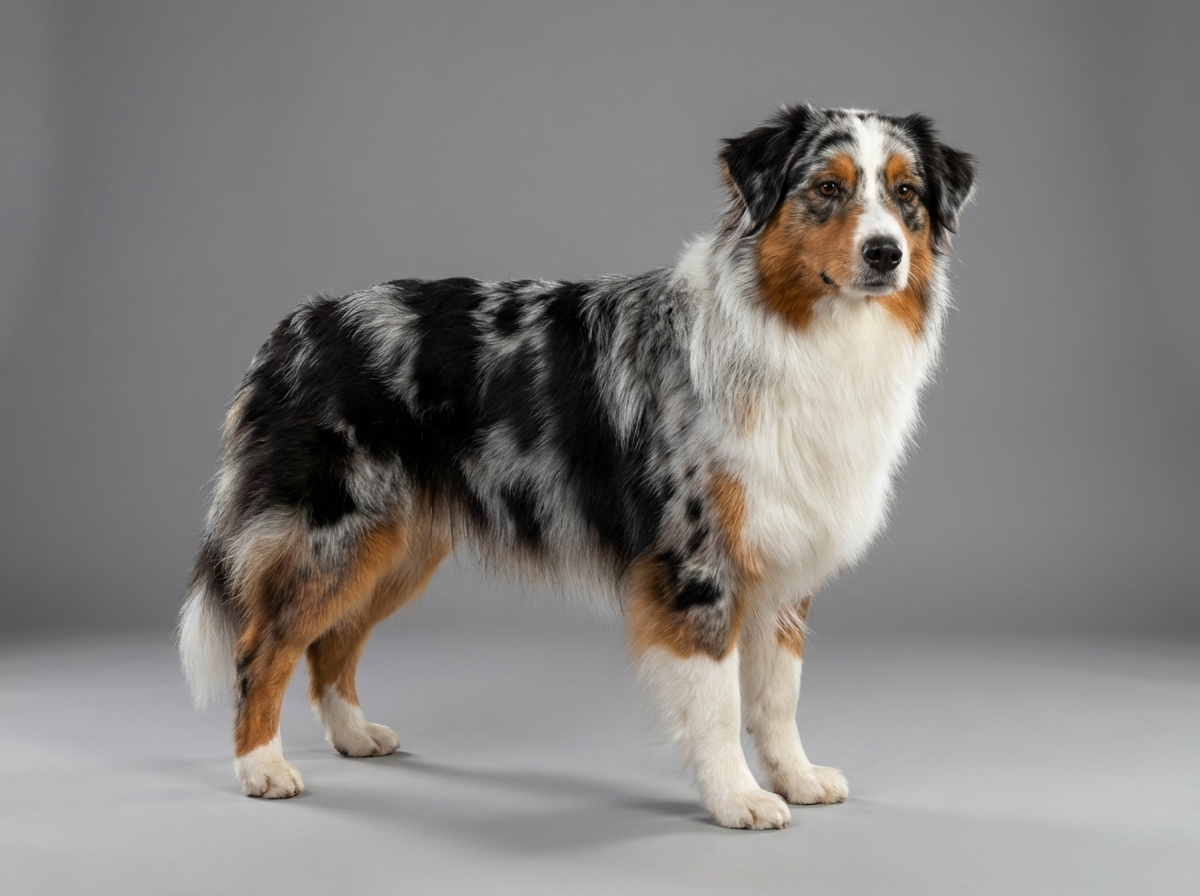
A semi-erect, folded ear traps more warmth and moisture against the canal than a fully upright ear would, since airflow is partially blocked by the fold itself. On its own, this isn't usually enough to cause chronic infections, but combined with this breed's documented tendency toward allergies, it creates a canal that's both allergically inflamed and poorly ventilated at the same time.
That combination is what makes the infections recurring rather than a one-time event. Managing the ears alone treats the symptom; managing the underlying allergy alongside better ear ventilation and drying is what actually reduces how often infections come back.

Indy had an ear infection roughly every other month for over a year before her owner, Callum, asked his vet whether something bigger was going on. Allergy testing revealed an environmental sensitivity, and Callum started a combined approach: allergy management, weekly ear checks, and thorough drying after every bath. Indy's infections dropped from six a year to one, occurring only during the worst weeks of spring pollen season.
Key takeaway: Treating the ears alone had kept Indy on a frustrating treadmill, but addressing the allergy underneath the ear symptoms is what actually broke the cycle.
This breed's semi-erect, folded ears limit airflow into the canal, and combined with a documented tendency toward allergies, that creates a warm, inflamed environment where yeast and bacteria thrive repeatedly.
A foul or yeasty odor, redness, head shaking, or visible discharge point to infection, while normal ear wax typically has little smell and doesn't cause behavioral changes.
Usually not for long — if an underlying allergy is driving the inflammation, infections will likely return unless that root cause is also addressed alongside ear treatment.
Weekly checks and drying after water exposure are generally enough for most dogs; over-cleaning can actually irritate the canal and make things worse.
Yes, trapped moisture after swimming is a common trigger, so thoroughly drying ears after any water exposure helps reduce infection risk.
Yes, especially for the first few episodes, since proper diagnosis of what's actually causing the infection guides more effective long-term treatment than guessing at home.
Semi-erect ears limit airflow, and combined with a documented allergy tendency, that creates a warm, inflamed environment prone to repeat infections.
Address the underlying allergy alongside regular drying and gentle ear checks, rather than only treating each infection as it appears.
Gently wipe the visible ear canal with a dry cotton cloth or a vet-approved drying solution rather than leaving them damp.
Recurring treatment costs add up over time, making it worthwhile to address the underlying allergy rather than treating each episode individually.
It's one of the most common signs, especially combined with odor or redness, and warrants a vet check rather than assuming it will pass.
A one-page prep sheet for this condition: the signs, the questions to ask, what to get priced. Unlocks here.
You get: Vet visit prep sheet
No spam. One-click unsubscribe. See our privacy policy.
Preview page 1 before you decide.