Health
Do Akitas get fewer ear infections than other breeds?
Yes — their upright ears allow good airflow, giving them genuinely lower baseline risk than floppy-eared breeds.

Quick answer
Do Akitas get fewer ear infections than other breeds?
Yes — their upright ears allow good airflow, giving them genuinely lower baseline risk than floppy-eared breeds.
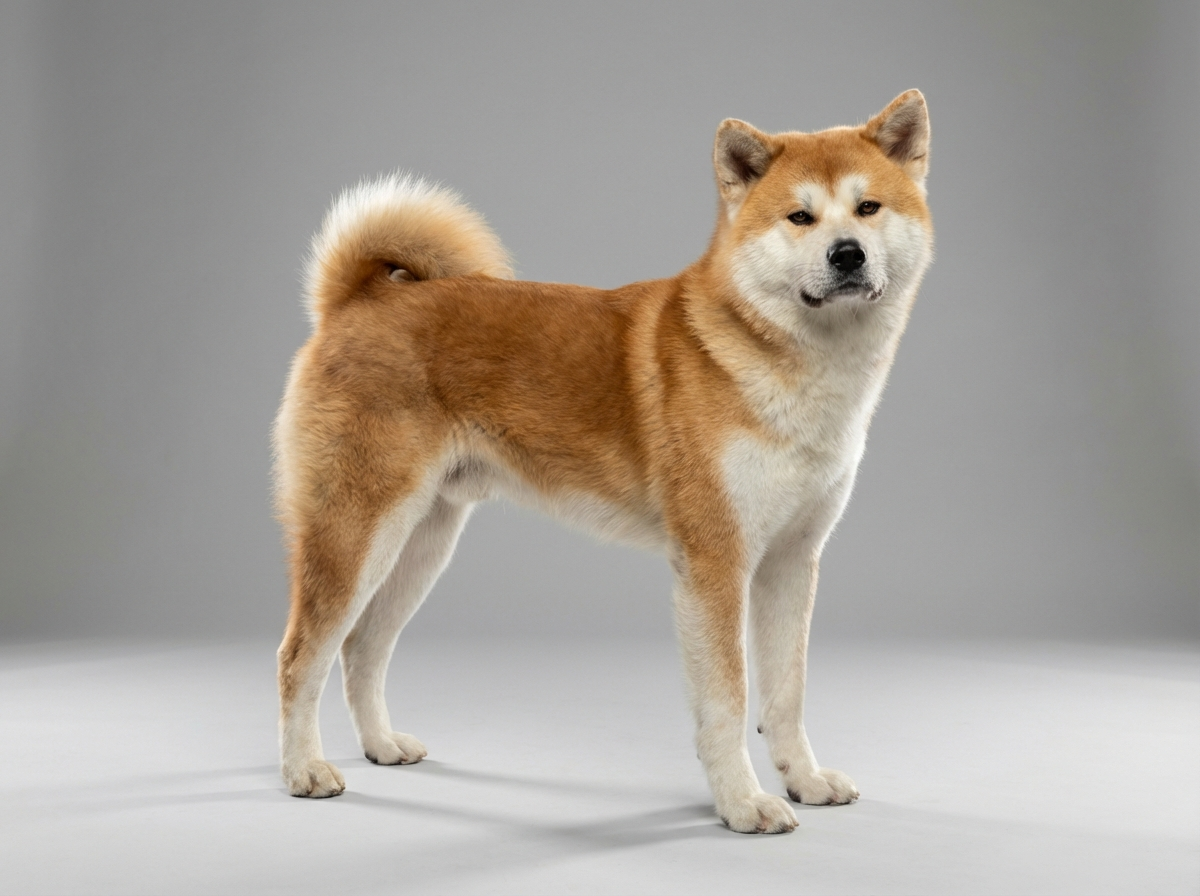
The Akita's upright, alert ears aren't just a defining part of its look — they also mean this breed starts from a genuinely lower baseline ear infection risk than floppy-eared breeds like Spaniels or Beagles.
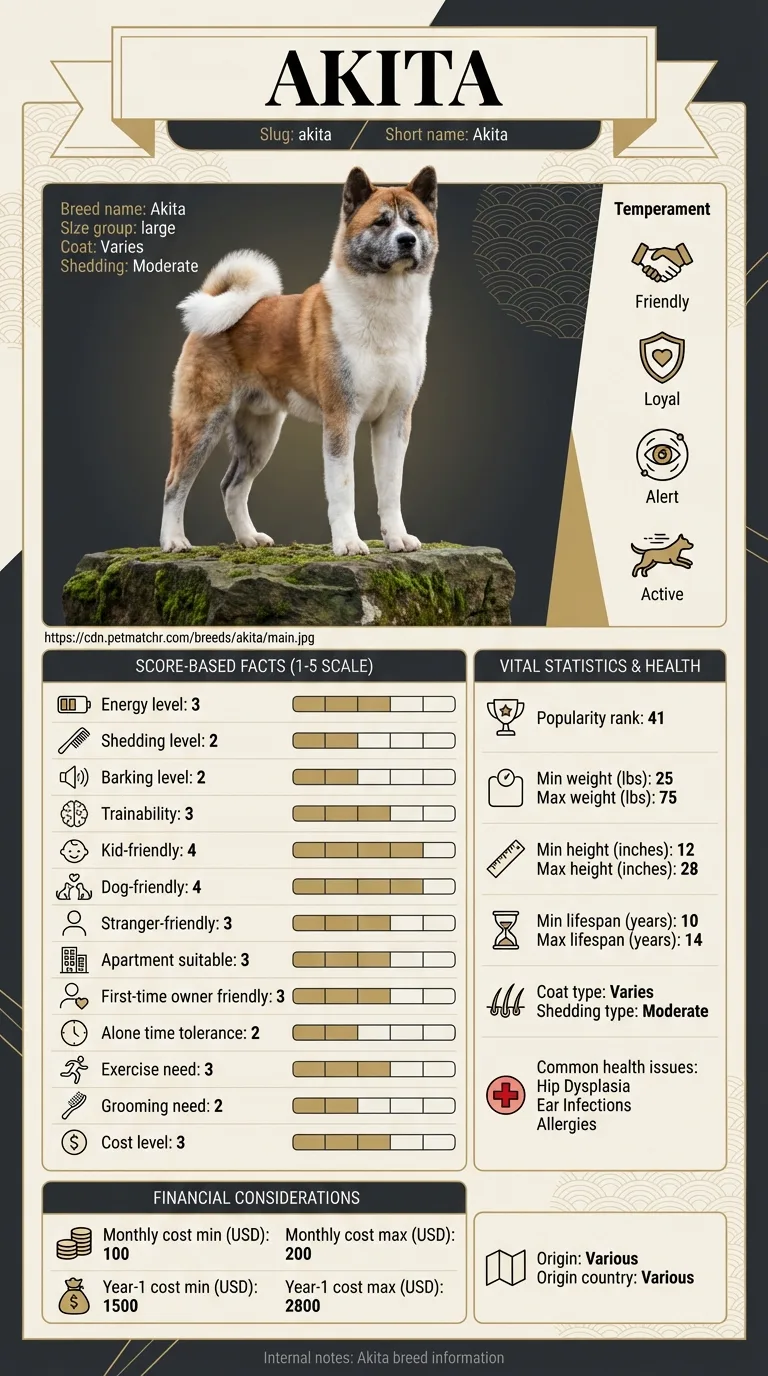
Owners of Akitas with underlying skin allergies, or those in humid climates or with dogs that swim regularly, are the ones most likely to encounter ear infections in this breed despite its favorable ear conformation.
This guide is not medical advice. If your dog shows pain, sudden behavior change, or worsening symptoms, consult a licensed veterinarian.
Some links may be affiliate links. We may earn a commission at no extra cost to you. We only suggest products we believe are helpful for dog owners.
We research and check what we publish, but we do not warrant that any figure, date, price, or statement is accurate, complete, or current, and we accept no liability for any loss, cost, injury, or other harm arising from the use of this site. Use it as one reference among several. You remain responsible for your own decisions and for your dog's care - confirm anything that matters with a licensed veterinarian or another qualified professional before you act on it. Full disclaimer.
Check this first
A head tilt, loss of balance, significant pain when the ear area is touched, or a visibly swollen ear flap (which can indicate a hematoma, a blood-filled swelling from vigorous head shaking) warrant prompt veterinary attention, generally within a day rather than waiting.
Mild symptoms — occasional head shaking, a bit of discharge or odor, or mild redness — are not typically emergencies and are appropriate for a scheduled vet visit, though earlier evaluation is more comfortable for the dog and easier to treat effectively.
Given this breed's generally lower baseline ear infection risk, any genuine, persistent ear symptom is worth taking seriously as a real finding rather than assuming it will resolve on its own, precisely because it's somewhat less expected in this breed.
If any of these apply, call your vet or an emergency clinic now. The rest of this page is for the cases that are not an emergency.
The Akita's upright, prick-eared conformation gives it a genuinely lower baseline ear infection risk compared to floppy-eared breeds, since good airflow into the ear canal reduces the moist, poorly ventilated environment that favors infection. This doesn't mean ear infections can't occur in this breed — allergies, water exposure, and other factors remain realistic causes, just at a lower baseline frequency.
Ear infections occur less frequently in Akitas than in floppy-eared breeds as a baseline pattern, though they're not absent from the breed entirely, particularly in dogs with underlying allergies or significant water exposure.
The Akita's erect ear conformation allows for good natural airflow and ventilation into the ear canal, which is the primary reason this breed's baseline ear infection risk is lower than in breeds with heavy, low-hanging ear flaps. This is a genuine anatomical advantage rather than an assumption, though it doesn't eliminate risk from other causes like allergies.
Water exposure from swimming or bathing, combined with how thoroughly ears are dried afterward, is a relevant environmental factor even in this lower-risk breed. Underlying allergies, whether environmental or food-related, remain the more significant driver of recurrent ear issues when they do occur.
See a vet promptly for a head tilt, loss of balance, significant ear pain, or a visibly swollen ear flap. Schedule a routine visit for milder symptoms like occasional head shaking, mild odor, or discharge.
Because this breed's baseline risk is lower, some owners under-monitor ear health entirely, which can let an infection progress further before being caught.
See all Akita health problems, which breeds are prone to ear infections, or the full Akita breed guide for temperament, exercise needs and ownership costs.
A straightforward ear infection typically resolves within one to two weeks of appropriate treatment. Recurrent infections connected to an underlying allergy may need a longer-term management plan addressing the root cause.
Success is ears that stay clean, odor-free, and comfortable, with any infection that does occur caught early and resolved promptly, and any underlying allergy identified and managed if infections recur.
Kayla had always understood that Akitas rarely get ear infections given their upright ears, so she was surprised when her dog Sable started shaking her head and scratching at one ear in Tucson. Rather than assuming it would resolve on its own because 'Akitas don't get ear infections,' Kayla brought Sable in for an exam. Her vet diagnosed a mild yeast infection, likely connected to a developing skin allergy, and treated it with medicated drops. Further allergy investigation helped Kayla adjust Sable's diet, and ear issues haven't recurred since the underlying allergy was addressed.
Key takeaway: A lower baseline risk doesn't mean zero risk — genuine ear symptoms in an Akita still deserve a proper vet visit, and recurrent issues often point to an underlying allergy worth addressing directly.
Their upright, prick-eared conformation allows good airflow into the ear canal, unlike floppy-eared breeds where the ear flap traps moisture and reduces ventilation, creating conditions favorable for infection.
Yes — while baseline risk is lower, underlying allergies, water exposure, or other factors can still cause infections in this breed; lower risk doesn't mean no risk.
Head shaking, scratching at the ears, an unpleasant odor, discharge, redness, or visible discomfort when the ear is touched are the classic signs, regardless of breed.
A vet exam to identify the type of infection (bacterial, yeast, or both) guides treatment, typically involving a prescribed ear cleaner and medicated drops or ointment applied over one to two weeks.
A straightforward ear infection visit and treatment commonly runs $100 to $250; recurrent or complicated cases needing further workup for an underlying cause can cost more.
Routine gentle cleaning after water exposure is reasonable, but excessive cleaning without a specific need can disrupt the ear's natural balance; check with your vet about an appropriate routine for your individual dog.
If an Akita does develop recurrent ear infections despite the breed's favorable conformation, an underlying skin allergy is a common root cause, and addressing the allergy itself often reduces how often ear infections recur.
Yes — their upright ears allow good airflow, giving them genuinely lower baseline risk than floppy-eared breeds.
Yes — allergies, moisture, or other factors can still cause infections despite the favorable ear shape.
Head shaking, scratching, odor, or discharge are the classic signs.
Typically $100 to $250 for a straightforward infection visit and treatment.
An underlying skin allergy is a common root cause worth investigating.
A one-page prep sheet for this condition: the signs, the questions to ask, what to get priced. Unlocks here.
You get: Vet visit prep sheet
No spam. One-click unsubscribe. See our privacy policy.
Preview page 1 before you decide.
Early access list
The free prep sheet covers the same-day warning signs, a symptom log and the questions to ask. We are considering a fuller kit that adds a cost worksheet for the usual tests and treatments (US price ranges with their sources) and a plain-English guide to ways of covering the bill. It is not built yet; this list tells us whether it is worth building.
One email, no spam, unsubscribe anytime. Information only, not veterinary advice.