Health
How do I tell a cataract from normal ageing?
Age-related haze is diffuse, bluish and even in both eyes; a cataract looks denser and whiter, often in one eye. A vet settles it in a minute with the right light.

Quick answer
How do I tell a cataract from normal ageing?
Age-related haze is diffuse, bluish and even in both eyes; a cataract looks denser and whiter, often in one eye. A vet settles it in a minute with the right light.
Most owners who notice a bluish haze in an older dog's eyes are looking at something entirely harmless. Telling that apart from a genuine cataract is the first useful thing to learn.
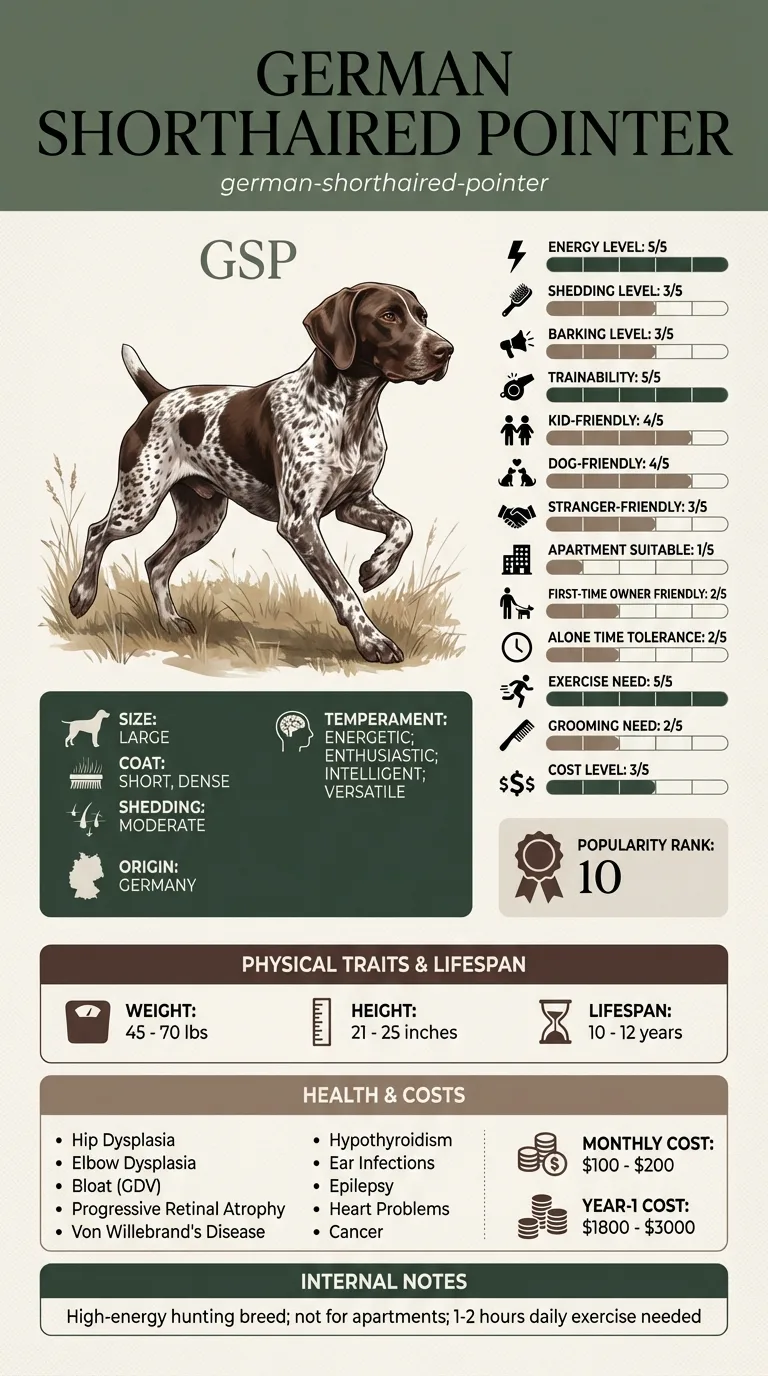
Owners who have spotted cloudiness and want to know whether it matters, and owners of working dogs whose sight seems to be going in ways that do not fit a simple lens problem.
This guide is not medical advice. If your dog shows pain, sudden behavior change, or worsening symptoms, consult a licensed veterinarian.
Some links may be affiliate links. We may earn a commission at no extra cost to you. We only suggest products we believe are helpful for dog owners.
We research and check what we publish, but we do not warrant that any figure, date, price, or statement is accurate, complete, or current, and we accept no liability for any loss, cost, injury, or other harm arising from the use of this site. Use it as one reference among several. You remain responsible for your own decisions and for your dog's care - confirm anything that matters with a licensed veterinarian or another qualified professional before you act on it. Full disclaimer.
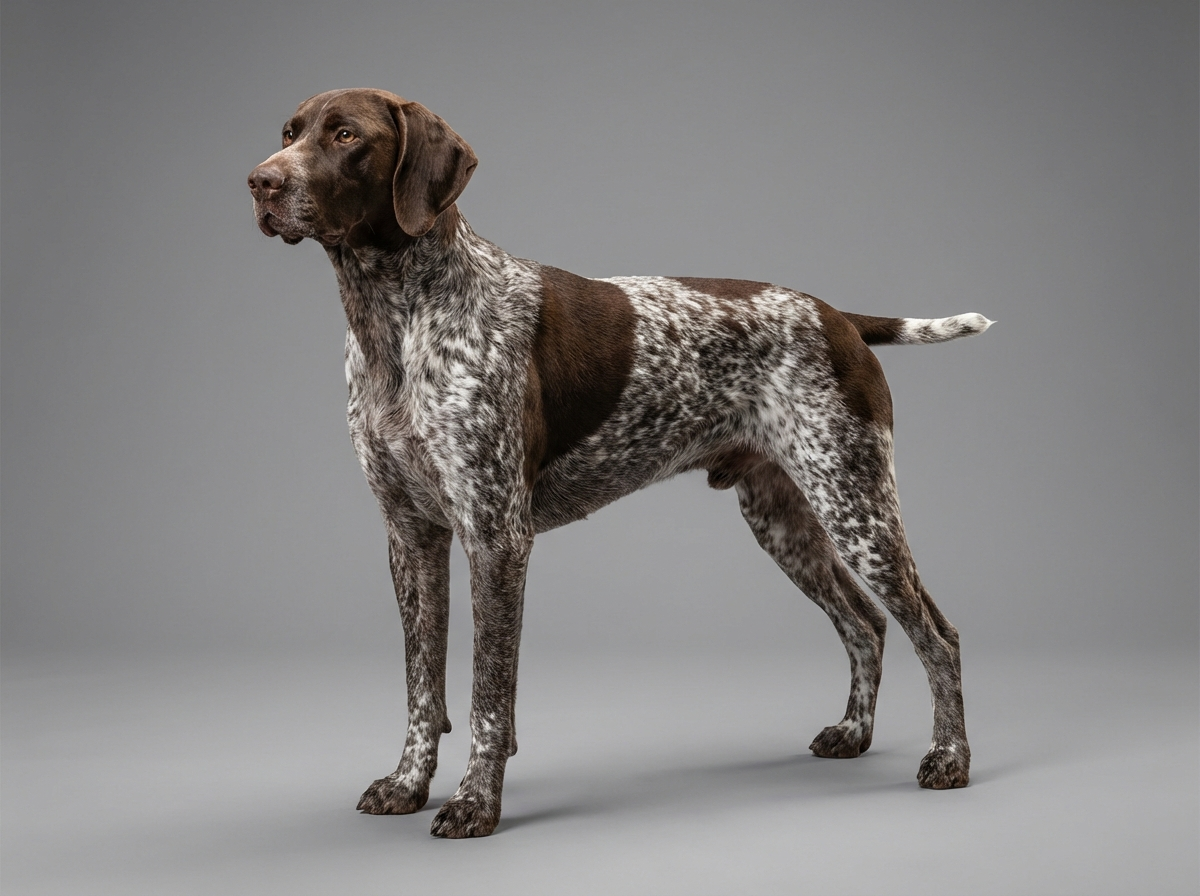
A cataract is an opacity within the lens of the eye that blocks light from reaching the retina. It ranges from a small dot with no effect on vision to a completely white lens and a blind eye. In German Shorthaired Pointers the important context is that the breed also carries documented retinal disease, so cloudiness and blindness are not the same question.
Cataracts are not specifically listed among the German Shorthaired Pointer's documented health issues, while progressive retinal atrophy is. Cataracts occur across all breeds and become more likely with age, so in a dog living ten to twelve years they are a realistic possibility, but retinal disease is the eye condition this breed is actually flagged for.
The German Shorthaired Pointer's documented eye condition is progressive retinal atrophy rather than cataract, which shapes how a cloudy or failing eye should be investigated in this breed. The lifestyle contributes indirectly: a dog that hunts head-down through brush and stubble sustains far more eye trauma than a pet dog, and injury and subsequent inflammation are recognised routes to cataract formation. The breed's ten to twelve year lifespan also places most dogs into the age range where lens changes of some kind are common.
Field work is the main environmental factor. Thorns, seed heads, whipping stems and airborne grit all strike the eye of a galloping pointer, and repeated minor injury raises the chance of lasting change. Beyond that, environment matters most in how a visually impaired dog is managed: unchanged furniture, safe fencing, and controlled access to water and roads determine how well a dog with reduced sight actually lives.
Book an appointment for any new cloudiness, for cloudiness that is uneven between the eyes, or for a dog that is hesitant in dim light, missing thrown objects or bumping into things. Ask specifically whether the retina has been assessed as well as the lens. Go the same day, treating it as urgent, for an eye that is red, painful, held shut or being rubbed, for an eye that looks larger than the other, for sudden blindness, or for cloudiness that has appeared over days rather than months. Acute eye pain and rapidly developing cataracts both need immediate attention, the latter because they can signal undiagnosed diabetes.
See all German Shorthaired Pointer health problems, which breeds are prone to cataracts, or the full German Shorthaired Pointer breed guide for temperament, exercise needs and ownership costs.
Age-related lens haze progresses over years and needs no intervention. A true cataract may be stable for a long time or may advance over months, which is why monitoring intervals are set individually. Where surgery is performed, useful vision usually returns within days, followed by four to six weeks of frequent eye medication and strict restriction, which is the demanding part in this breed.
For most dogs, an accurate diagnosis and the reassurance that what the owner is seeing is normal ageing. For a genuine cataract, success is either a well-selected surgical case that regains functional sight, or a monitored eye that stays comfortable and inflammation-free while the dog adapts, aided by a nose that does most of the work anyway.
Several unrelated things produce a hazy-looking eye, with very different implications. Your vet distinguishes them properly with an ophthalmoscope, but knowing the categories helps you judge urgency.
The most important complication for a German Shorthaired Pointer owner is that this breed has progressive retinal atrophy on its documented health list. That matters here for two reasons.
The first is diagnostic. A dog losing vision might have a lens problem, a retinal problem, or both, and they look nothing alike from the owner's side. Retinal disease classically causes night blindness first, so the dog is confident in daylight and hesitant in dusk or a dim hallway, with eyes that look entirely clear. A cataract does not respect the light level in the same way and is usually visible if you look closely in good light.
The second reason is practical, and it governs whether surgery is worth doing. Cataract surgery removes the cloudy lens and replaces it with an artificial one, and in a healthy eye it restores sight remarkably well. But it only works if the retina behind the lens is functional. Operating on a dog whose retina has already degenerated achieves nothing, which is why any surgical candidate is assessed with an electroretinogram to check that the retina still responds to light before an operation is offered.
So in this breed, the question is never simply is it a cataract. It is what is behind it.

Sable's owner brought her in at nine because both eyes had developed a bluish tint over the past year and she had begun hesitating on the stairs at night. He expected to be told she had cataracts and to be discussing surgery. The haze turned out to be nuclear sclerosis, the normal age change, and it was not affecting her vision at all. But her pupils were wider than expected and her response in dim light was poor, and the examination of the back of her eyes showed retinal degeneration. The honest news was that there was no operation for it and that her vision would continue to decline. What her owner got instead was a plan: unchanged furniture, a whistle stop, directional cues taught over the following months, and a switch from open-country work to structured scentwork. At eleven Sable has very little sight and finds every hidden article he sets for her.
Key takeaway: The visible change was harmless and the invisible one was not. In this breed, an eye that looks cloudy is worth checking, and an eye that looks perfect while the dog stops coping at dusk is worth checking more.
Probably not. A diffuse bluish-grey haze appearing in both eyes in a dog over about seven is usually nuclear sclerosis, a normal ageing change that has little effect on vision. A true cataract tends to look denser and whiter, and often affects one eye more than the other.
Inherited forms are the most common overall, and they can appear in young dogs. Diabetes is a major cause and produces cataracts that develop unusually fast, sometimes within weeks. Eye injury, inflammation and simple age also contribute.
No. There is no eye drop, supplement or diet that clears an established cataract, and products marketed for that purpose do not do it. What medication can do is control associated inflammation inside the eye, which matters and is prescribed by a vet.
It can be excellent, with most suitable dogs regaining functional vision. Suitability depends on the retina working, on the eye being otherwise healthy, and on an owner able to manage several weeks of frequent eye medication and restricted activity, which is demanding in this breed.
They can. A cataract that begins to break down leaks lens protein into the eye, provoking inflammation that can lead to glaucoma or lens dislocation. This is why an untreated cataract still needs periodic monitoring rather than being forgotten about.
Remarkably well, generally, and better than their owners expect. Dogs navigate largely by scent and memory, and a German Shorthaired Pointer has an exceptional nose. Consistency in furniture layout and a careful approach to water and traffic matter far more than the vision itself.
Age-related haze is diffuse, bluish and even in both eyes; a cataract looks denser and whiter, often in one eye. A vet settles it in a minute with the right light.
The cataract itself does not, but the inflammation it can cause does. Redness, squinting or an eye the dog rubs means pain and needs a same-day appointment.
It is specialist ophthalmic surgery and one of the more expensive elective procedures, usually including the pre-operative retinal testing. Ask for the full quote including aftercare.
Keep furniture where it is, use scent and voice cues, and never let the dog off lead near water or roads without certainty about what it can see.
A one-page prep sheet for this condition: the signs, the questions to ask, what to get priced. Unlocks here.
You get: Vet visit prep sheet
No spam. One-click unsubscribe. See our privacy policy.
Preview page 1 before you decide.