Health
What are Poodle cataracts quick tips?
Keep regular vet appointments to monitor your Poodle's eye health and consider a diet rich in antioxidants. Early detection is crucial for effective treatment.

Quick answer
What are Poodle cataracts quick tips?
Keep regular vet appointments to monitor your Poodle's eye health and consider a diet rich in antioxidants. Early detection is crucial for effective treatment.
Poodle cataracts are a common eye issue that can affect your dog's vision. Understanding this condition is crucial for their well-being.
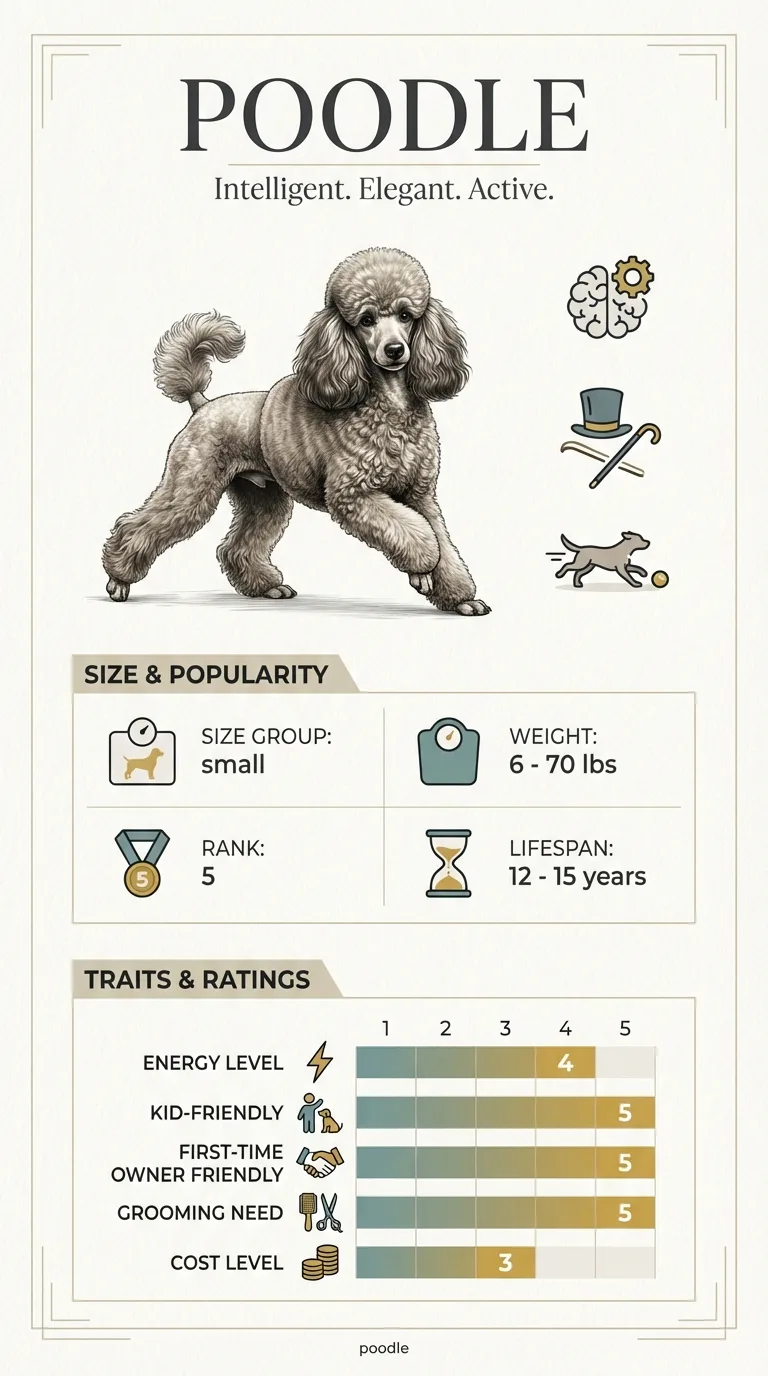
Poodle owners, especially those with older dogs, often face this challenge. If you notice your Poodle struggling to see clearly or exhibiting changes in behavior, such as hesitance to jump or play, it may be time to investigate cataracts.
This guide is not medical advice. If your dog shows pain, sudden behavior change, or worsening symptoms, consult a licensed veterinarian.
Some links may be affiliate links. We may earn a commission at no extra cost to you. We only suggest products we believe are helpful for dog owners.
We research and check what we publish, but we do not warrant that any figure, date, price, or statement is accurate, complete, or current, and we accept no liability for any loss, cost, injury, or other harm arising from the use of this site. Use it as one reference among several. You remain responsible for your own decisions and for your dog's care - confirm anything that matters with a licensed veterinarian or another qualified professional before you act on it. Full disclaimer.
Check this first
Poodle cataracts can sometimes signal serious health issues. It's essential to know when to call your vet immediately and when you can take a wait-and-see approach. If your Poodle shows signs of sudden vision loss, eye redness, or excessive tearing, these are red flags that demand prompt veterinary attention.
In contrast, if your Poodle is experiencing minor cloudiness without additional symptoms, it may be a situation you can monitor. Keep an eye on their behavior and any changes in their sight. If they seem to navigate well and aren't exhibiting distress, you might not need to rush to the vet right away. However, having a plan for regular check-ups is crucial.
Always trust your instincts about your dog's health. If you're ever unsure, it's better to be safe and consult your vet. Regular eye exams can help catch cataracts early and determine the best course of action.
If any of these apply, call your vet or an emergency clinic now. The rest of this page is for the cases that are not an emergency.
Poodle cataracts can significantly impact your dog's vision. This condition leads to clouding of the eye lens, making it difficult for your Poodle to see clearly. You may notice your dog bumping into furniture or hesitating before jumping off the couch.
Cataracts are a relatively common issue in Poodles, particularly as they age. Many Poodles will begin showing signs of cataracts by the time they are in their senior years, often affecting their quality of life.
Poodles are more prone to cataracts due to their genetic makeup. Certain lines may have a higher risk of developing this condition, especially as they age. Additionally, being a small breed, Poodles can experience eye issues more frequently than larger breeds.
Environmental factors can also contribute to cataracts in Poodles. Poor nutrition, exposure to harmful substances, or previous eye injuries can lead to cataract development. Aging is another significant factor, as older dogs are more likely to experience this condition.
If you notice any signs of cataracts, such as cloudy eyes or changes in vision, it's essential to consult your vet. They can provide a proper diagnosis and discuss treatment options, which may include surgery.
Avoiding certain behaviors can significantly improve your Poodle's condition. Here are some common mistakes to steer clear of.
See all Poodle health problems, which breeds are prone to cataracts, or the full Poodle breed guide for temperament, exercise needs and ownership costs.
With consistent care and veterinary guidance, you may notice improvements in your Poodle's vision within a few months. Regular check-ups will help monitor progress.
Success means your Poodle is adjusting well to any changes. They should display improved behavior and comfort as their vision stabilizes, allowing them to navigate their environment more easily.
Emily, a first-time dog owner, noticed her Poodle Max bumping into furniture and hesitating to jump onto their favorite couch. After a vet visit, she learned Max had cataracts. Initially overwhelmed, Emily started a routine of regular vet check-ups and explored training techniques to adapt Max's environment. With patience and consistent care, Max became more confident in his movements, and Emily felt relieved watching him thrive again.
Key takeaway: Cataracts in Poodles can be managed with regular veterinary care and environmental adjustments. Patience and support can significantly improve your dog's quality of life.
Poodle cataracts can occur due to aging, genetics, or underlying health issues. Regular vet check-ups can help catch these problems early. If you notice cloudy eyes in your Poodle, schedule a vet visit.
While you can't fully prevent cataracts, maintaining your Poodle's overall health can help. Provide a balanced diet, regular exercise, and routine vet visits to monitor eye health. Keeping your Poodle's weight in check can also reduce the risk.
Treatment for Poodle cataracts typically involves surgery to remove the cloudy lens. Your vet will discuss the potential benefits and risks. It's crucial to address cataracts early to prevent further vision loss.
To help your Poodle adapt, keep their environment consistent and free of obstacles. Use verbal cues to guide them and consider using a harness for walks. Patience and understanding are key during this adjustment period.
Watch for signs like increased bumping into objects, changes in behavior, or reluctance to go outside. If you notice these changes, consult your vet for an eye exam. Early intervention can make a significant difference.
Early signs of cataracts in Poodles can include cloudy eyes, difficulty seeing in low light, or bumping into objects. If you notice these signs, it’s important to consult your vet for a thorough examination.
Currently, cataracts in Poodles cannot be reversed. However, surgical options are available to remove the cloudy lens and restore vision, depending on your dog's overall health and the severity of the cataracts.
Older Poodles are more prone to cataracts due to aging and genetic factors. Other health conditions, like diabetes, can also contribute to the development of cataracts, so regular vet check-ups are essential.
While not all cases of cataracts can be prevented, maintaining a healthy diet and regular vet visits can help monitor your Poodle's eye health. Additionally, managing any underlying health issues promptly can reduce the risk.
Keep regular vet appointments to monitor your Poodle's eye health and consider a diet rich in antioxidants. Early detection is crucial for effective treatment.
Yes, cataracts can be hereditary in Poodles. If you have a Poodle with cataracts, consult your vet about potential genetic factors.
Cataract surgery for a Poodle can range from $2,500 to $4,000. It's essential to discuss costs with your vet and consider pet insurance.
Yes, training can help a Poodle with cataracts adapt. Use consistent commands and reward-based training to build their confidence and navigate their environment safely.
Schedule a vet appointment as soon as possible. Early diagnosis can lead to better treatment options and outcomes for Poodle cataracts.
A one-page prep sheet for this condition: the signs, the questions to ask, what to get priced. Unlocks here.
You get: Vet visit prep sheet
No spam. One-click unsubscribe. See our privacy policy.
Preview page 1 before you decide.