Health
How can I help my Maltese with cataracts?
Ensure your Maltese receives regular vet check-ups and consider a balanced diet for eye health.

Quick answer
How can I help my Maltese with cataracts?
Ensure your Maltese receives regular vet check-ups and consider a balanced diet for eye health.
Maltese cataracts can cloud your dog's vision, impacting their quality of life.
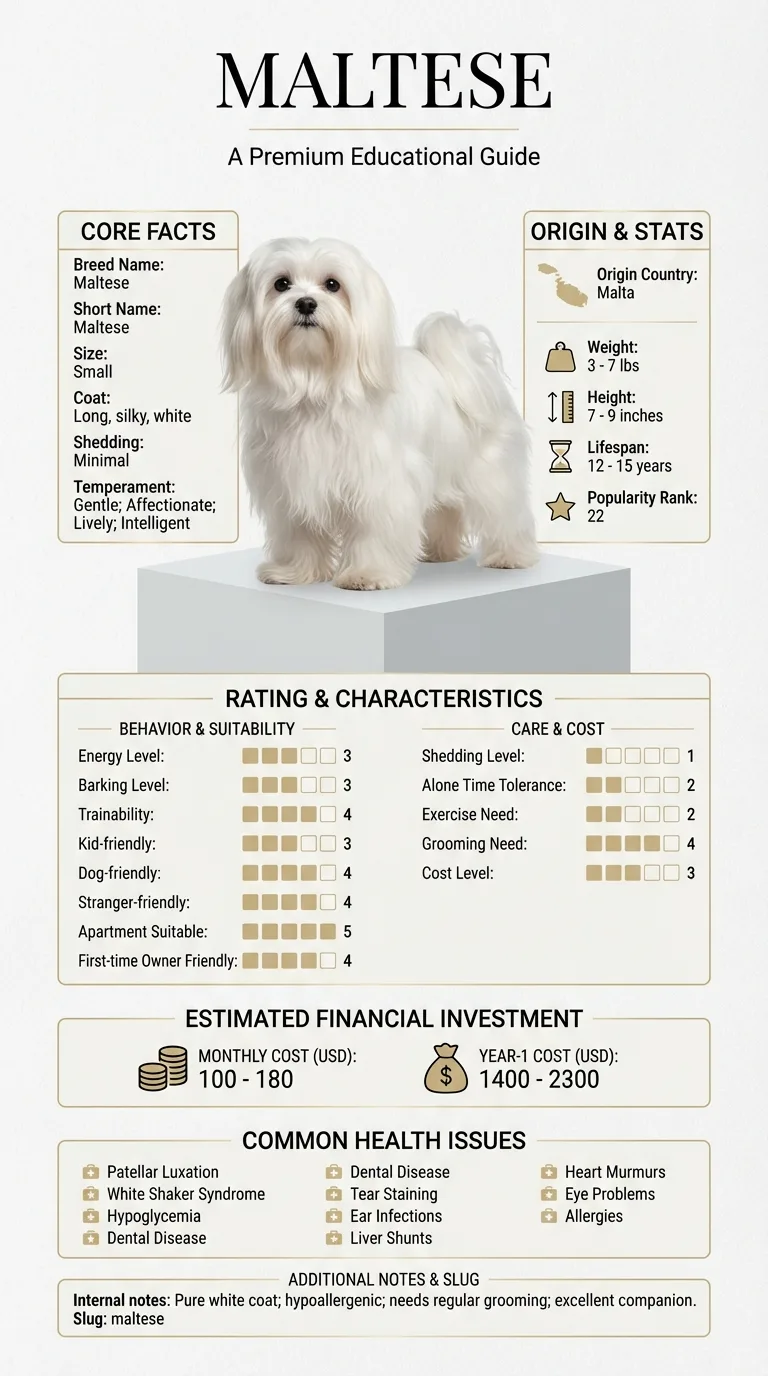
Owners of Maltese dogs, especially older ones, often face the challenge of recognizing and managing cataracts. If you notice your dog struggling to see or showing changes in behavior, this information will help you understand and address the issue.
This guide is not medical advice. If your dog shows pain, sudden behavior change, or worsening symptoms, consult a licensed veterinarian.
Some links may be affiliate links. We may earn a commission at no extra cost to you. We only suggest products we believe are helpful for dog owners.
We research and check what we publish, but we do not warrant that any figure, date, price, or statement is accurate, complete, or current, and we accept no liability for any loss, cost, injury, or other harm arising from the use of this site. Use it as one reference among several. You remain responsible for your own decisions and for your dog's care - confirm anything that matters with a licensed veterinarian or another qualified professional before you act on it. Full disclaimer.
Check this first
Recognizing when Maltese cataracts are an emergency is crucial for your dog's health. If you notice any sudden changes in your dog's vision, like bumping into objects or becoming disoriented, it's time to call your vet. Other red flags include squinting, excessive tearing, or a noticeable cloudiness in their eyes that seems to worsen rapidly.
On the other hand, if your Maltese shows mild signs, such as slightly cloudy eyes without other symptoms, you can monitor the situation at home. Keep track of any changes in their behavior, vision, or activity level. Regular vet check-ups can also help manage mild cataract cases before they escalate.
In summary, if your Maltese is experiencing severe symptoms or any sudden changes, don’t hesitate to seek immediate veterinary care. But if the signs are subtle, observe and maintain regular vet visits to ensure your furry friend stays healthy.
If any of these apply, call your vet or an emergency clinic now. The rest of this page is for the cases that are not an emergency.
Maltese cataracts can significantly impact your dog's vision. This condition is characterized by clouding in the eye lens, often leading to blurry or impaired sight. Owners might notice their Maltese bumping into objects or hesitating in unfamiliar environments.
Cataracts are relatively common in Maltese dogs, particularly as they age. Many Maltese will experience some form of cataract development by their senior years. Early detection and treatment can help manage the condition effectively.
Maltese dogs may develop cataracts due to hereditary factors. Genetic predisposition plays a significant role, as certain breeds, including the Maltese, are more prone to this condition. Additionally, age-related changes can lead to cataracts, particularly in older Maltese.
Environmental factors can also contribute to cataract formation. Prolonged exposure to UV light without proper eye protection can increase risk. Furthermore, underlying health issues like diabetes or trauma to the eye can lead to cataracts.
If you notice changes in your Maltese's vision or behavior, schedule an appointment with your vet. They can determine if cataracts are present and discuss treatment options, including surgery if necessary.
Avoid these common mistakes that can worsen Maltese cataracts and delay improvement.
Start here: Maltese Most Common Genetic Disorders: What to Screen For
See all Maltese health problems, which breeds are prone to cataracts, or the full Maltese breed guide for temperament, exercise needs and ownership costs.
Improvement in your Maltese's vision may take several weeks to months with proper care and treatment.
Success means your Maltese can navigate their environment better, showing signs of increased comfort and confidence.
Sarah, a busy nurse in Dallas, noticed her Maltese, Bella, bumping into furniture and hesitating during walks. After a vet visit confirmed cataracts, Sarah felt overwhelmed. She started by researching how to stop Maltese cataracts and implemented eye drops and a special diet. With patience and consistent care, Bella's confidence returned, and she started playing fetch again. Sarah learned the importance of regular vet check-ups and managing Bella's environment to keep her safe.
Key takeaway: Early intervention and consistent care can significantly improve your Maltese's quality of life when dealing with cataracts.
Maltese cataracts can develop due to genetics, age, or underlying health issues. They may also result from diabetes or other health problems. If you notice changes in your dog's vision, contact your vet for a thorough examination.
While you can't completely prevent cataracts, maintaining your Maltese's overall health can help. Ensure they have a balanced diet, regular vet check-ups, and prompt treatment for any health issues. Keeping them active and mentally stimulated also supports eye health.
Signs of cataracts include cloudy or bluish eyes, difficulty seeing in low light, and changes in behavior like hesitance to jump or run. If you observe these symptoms, consult your veterinarian for a proper diagnosis.
Yes, cataracts can be treated, often through surgical removal. However, the decision should be made with your vet based on the severity of the cataracts and your dog's overall health. Early detection can lead to better outcomes.
Yes, Maltese dogs are somewhat more prone to cataracts, especially as they age. Genetics can play a significant role, so it's essential to monitor their eye health regularly and consult your vet if you have concerns.
You might notice your Maltese having cloudy or bluish eyes. Other signs include difficulty seeing in bright light or bumping into objects, which can indicate vision problems.
Yes, untreated cataracts can lead to more severe problems like glaucoma or retinal detachment. Regular vet check-ups are essential to monitor your dog's eye health.
For older Maltese, providing a familiar and safe environment is crucial. Ensure furniture is in the same place and consider using a harness for walks to help guide them safely.
Not all cataracts need surgery, but if they severely impact your dog's vision or quality of life, your vet may recommend it. Early intervention can help maintain your Maltese's sight.
Cataracts can be hereditary or caused by other health issues, even in younger dogs. If you notice cataracts in a young Maltese, consult your vet for a thorough examination and advice.
Ensure your Maltese receives regular vet check-ups and consider a balanced diet for eye health.
Feeding your Maltese high-quality dog food that includes antioxidants can help support their eye health.
Schedule an appointment with your veterinarian as soon as possible for an eye examination.
Light, guided exercise can help maintain your Maltese's overall health, but avoid activities that may lead to injury.
Cataract surgery costs can vary widely, typically ranging from $2,000 to $4,000, depending on the complexity.
A one-page prep sheet for this condition: the signs, the questions to ask, what to get priced. Unlocks here.
You get: Vet visit prep sheet
No spam. One-click unsubscribe. See our privacy policy.
Preview page 1 before you decide.