DogBreedCompass

Malamute or Rough Collie: Same Coat Bill, Different Week

Five ratings match here — grooming, barking, children, strangers and energy — and both dogs carry heavy double coats that need serious seasonal work. What separates them is what they want from a day: the Collie needs an hour and a job it can think about, and the Malamute needs two hours and something to pull.

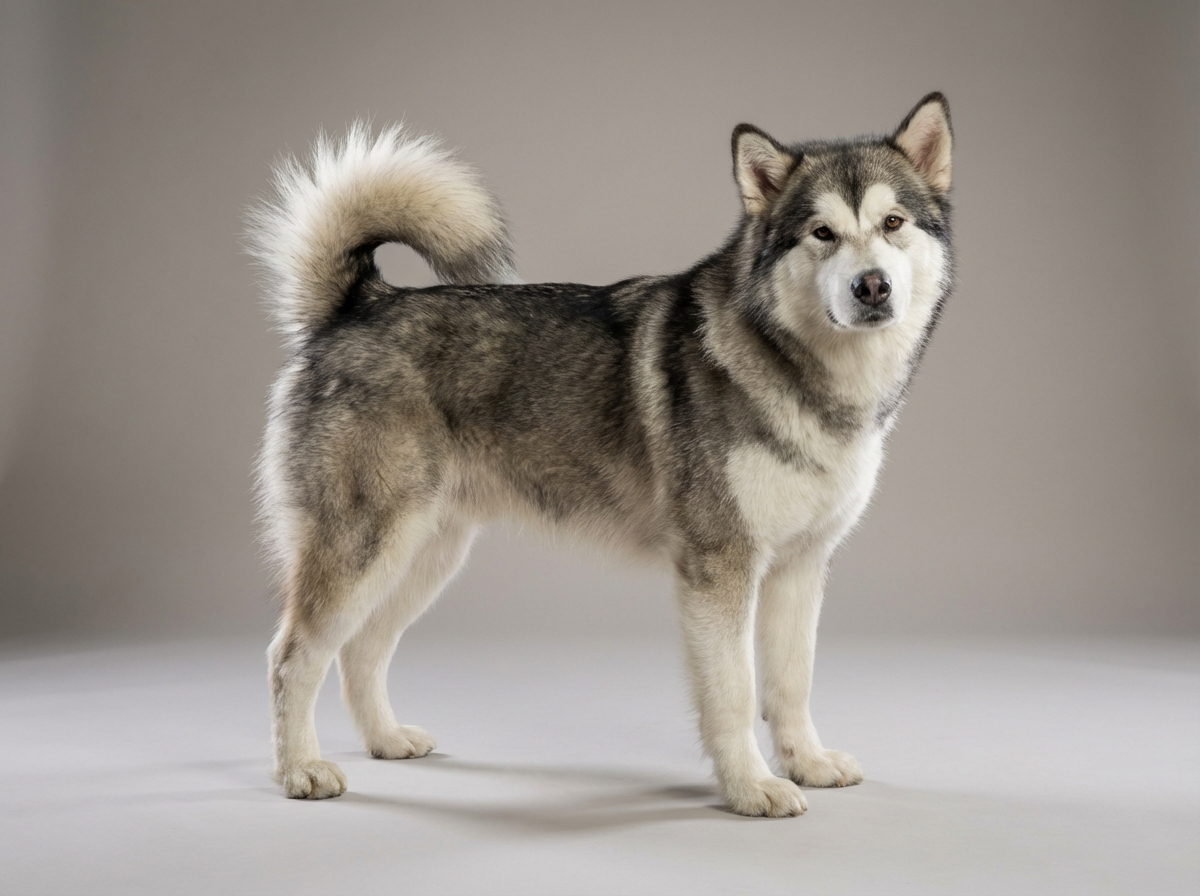
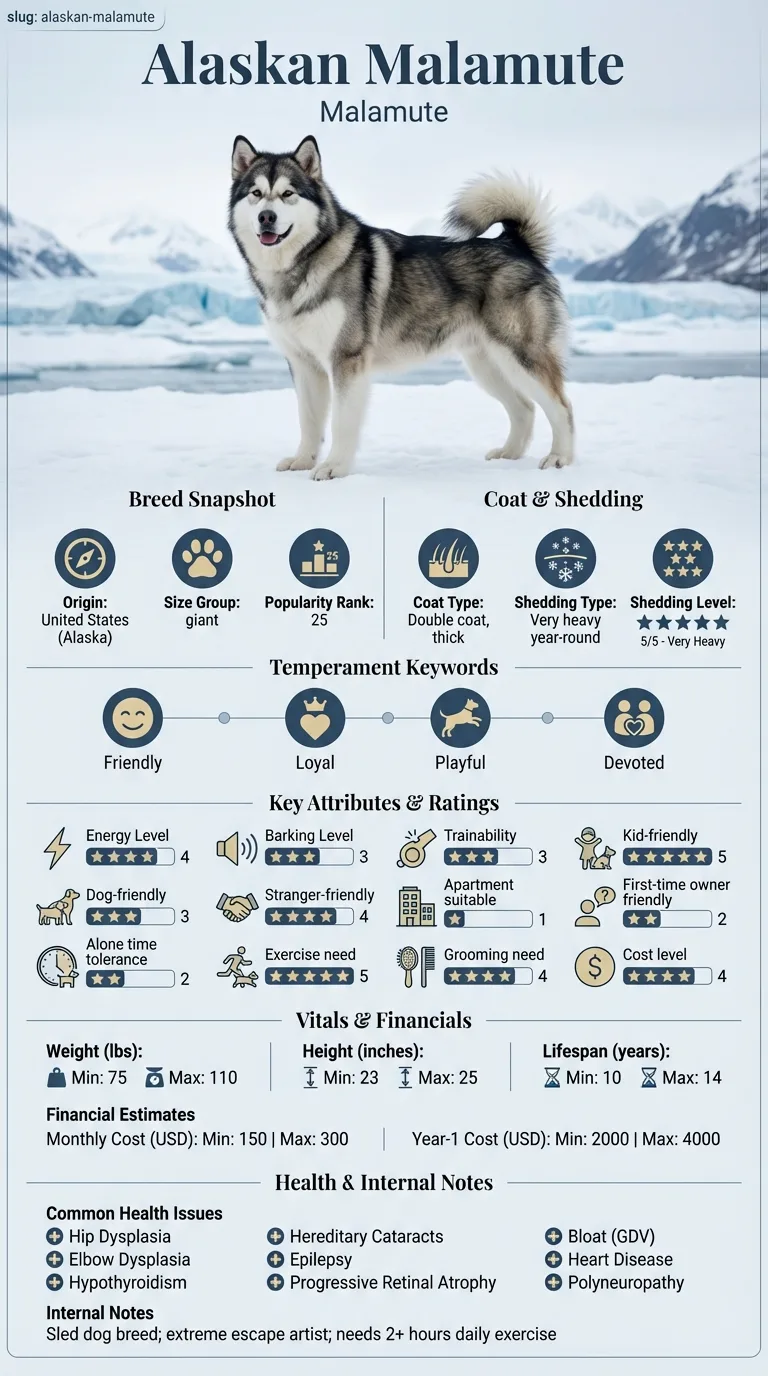
alaskan malamute infographic
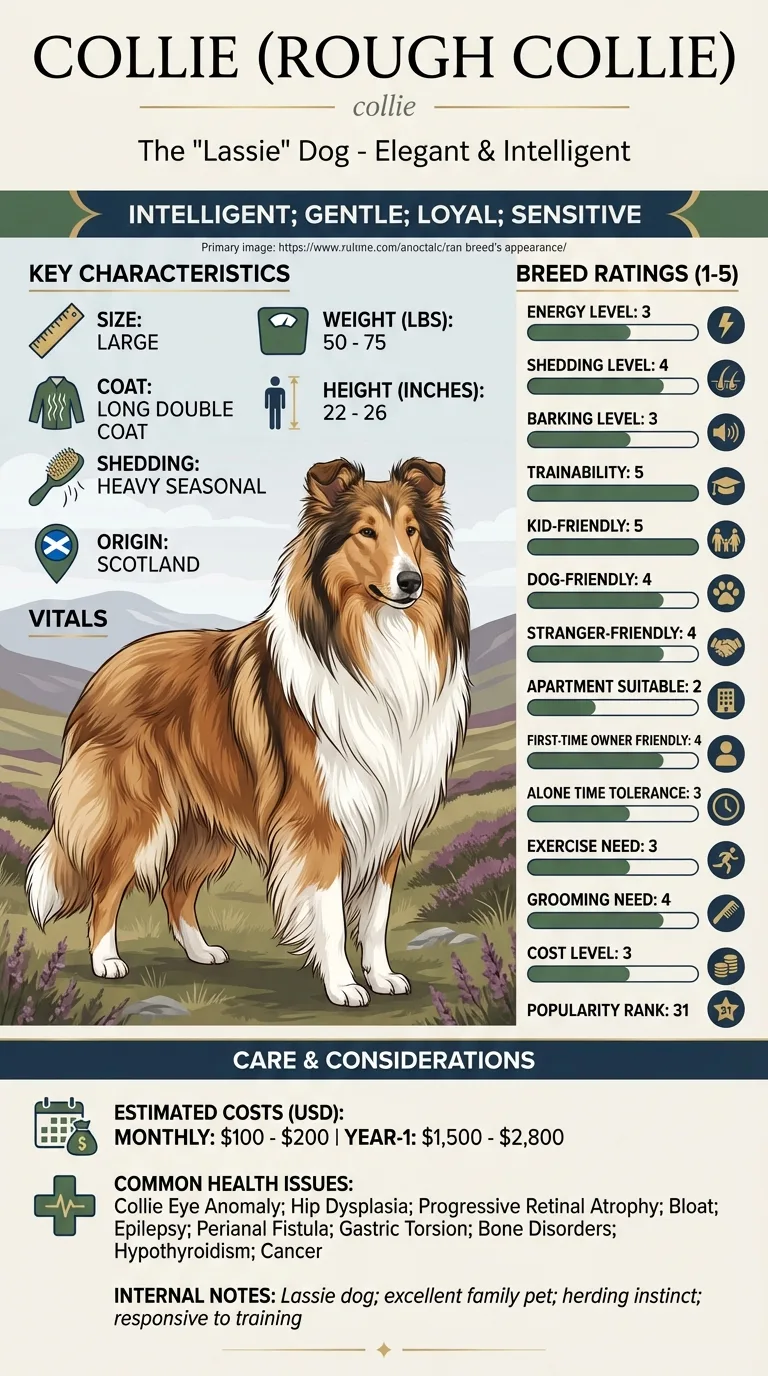
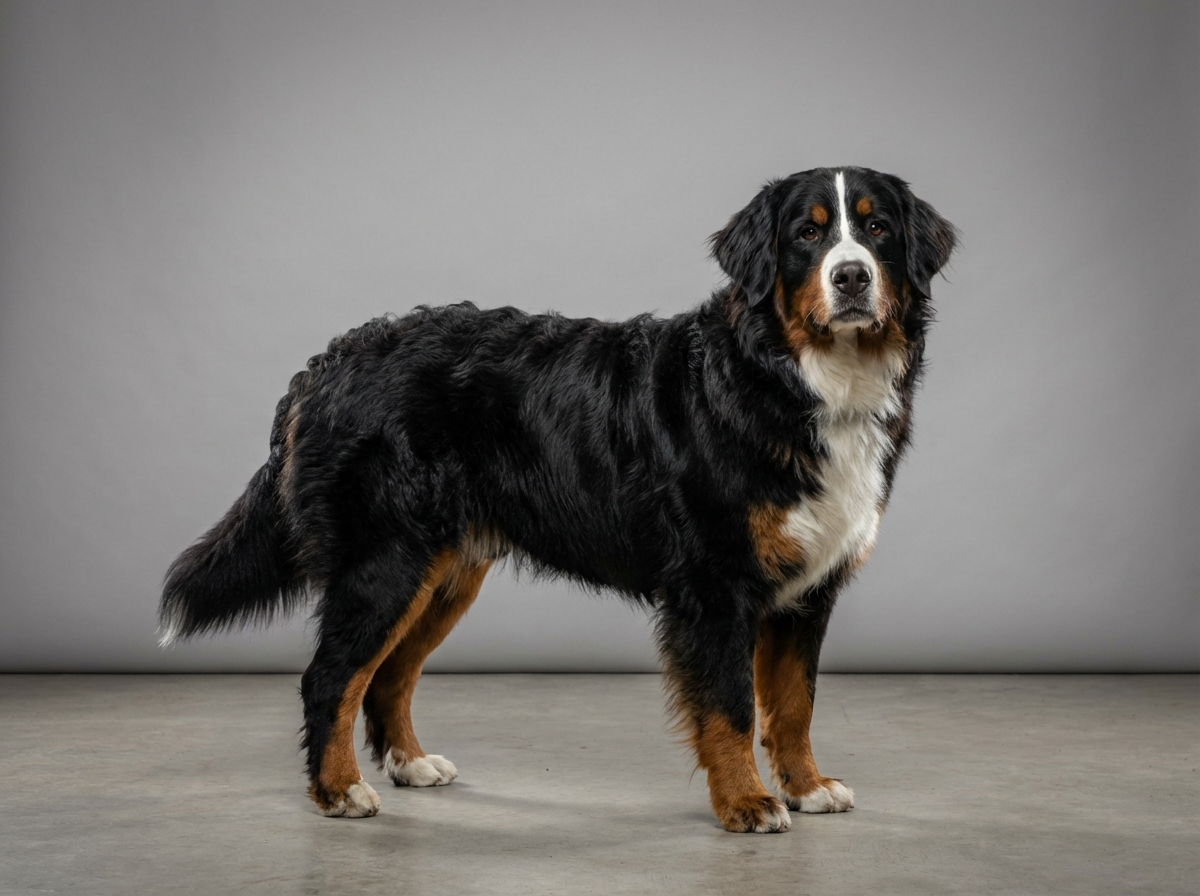
collie infographic

This page is for someone weighing two large coated breeds. It covers the trainability and exercise gap, the coat work involved in each, two genetic tests every Collie buyer should ask for, and cost.

Quick verdict

The Collie is cheaper, far more trainable and needs half the exercise; the Malamute is stronger, hairier and more sociable with strangers in a way that makes it useless as a guard.

Choose alaskan malamute if...

Choose the Alaskan Malamute if the work you can offer is physical and you want a large northern breed. It is the more robust dog outdoors and equally good with children at 5/5. You are accepting $150–$300 a month against $100–$200, 5/5 exercise against 3/5, 5/5 shedding against 4/5 and a 1/5 apartment rating.

Choose collie if...

Choose the Rough Collie if you want a large, gentle, highly trainable family dog. It rates 5/5 for trainability against 3/5, 4/5 with other dogs against 3/5, 4/5 for first-time owners against 2/5, needs only 3/5 exercise and lives 11 to 14 years. You are accepting a 4/5 coat and noise sensitivity.

Head-to-head comparison

Featurealaskan malamutecollieWinner
Weight75–110 lbs50–75 lbsEqual
Height23–25 in22–26 inEqual
Lifespan10–14 years11–14 yearscollie
CoatThick double coatLong double coatEqual
Grooming needHigh (4/5)High (4/5)Equal
SheddingVery high (5/5)High (4/5)collie
Energy levelHigh (4/5)Moderate (3/5)Equal
Exercise needVery high (5/5)Moderate (3/5)collie
TrainabilityModerate (3/5)Very high (5/5)collie
BarkingModerate (3/5)Moderate (3/5)Equal
Good with kidsVery high (5/5)Very high (5/5)Equal
Good with other dogsModerate (3/5)High (4/5)collie
Friendly to strangersHigh (4/5)High (4/5)Equal
Apartment suitabilityVery low (1/5)Low (2/5)collie
Good for first-time ownersLow (2/5)High (4/5)collie
Tolerates being aloneLow (2/5)Moderate (3/5)collie
Typical monthly cost$150–$300$100–$200collie
Typical first-year cost$2,000–$4,000$1,500–$2,800collie

Deep dive

Two 4/5 coats on different schedules

The grooming rating matches and the work does not.

The Collie's long standing coat mats behind the ears, in the ruff, in the trousers and around the tail, and brushing has to reach the skin in sections rather than skimming the top. A proper session two or three times a week is the routine, with much more when the coat is dropping — and a Collie in full blow produces an amount of hair that surprises people who expected it.

The Malamute's denser, shorter coat does not mat and needs very little for most of the year. Twice a year the undercoat comes out in sheets over two or three weeks and needs an undercoat rake, several long sessions and somewhere to put the result.

So the Collie's coat is a weekly obligation and the Malamute's is two intense fortnights, with year-round shedding at 5/5 against 4/5 underneath both.

Neither should ever be clipped. Both insulate against heat as well as cold, and a clipped double coat frequently regrows with a coarser, less functional texture. Both breeds are more comfortable in cold than heat, and both need summer walks moved to the cooler ends of the day.

5/5 without the drive, and 3/5 without the interest

The Rough Collie learns quickly, retains reliably and works well at distance, and it is content afterwards with an hour's walk and an evening on the floor. That combination is genuinely rare.

The caveat is sensitivity. Collies are soft and noise-sensitive: sharp correction stops progress, thunderstorm and firework fear are common, and a Collie in a chaotic household can become anxious rather than merely unsettled. Barking rises when the dog is worried.

Herding instinct persists too — circling and gathering running children needs interrupting early rather than being found endearing.

The Malamute at 3/5 is not slow; it is uninterested in taking direction, which is what a sled dog was bred for. Its recall should be treated as a bonus rather than a safety measure, and its containment problem is permanent: the breed's own notes describe an extreme escape artist that digs, climbs, works at latches and travels once loose.

So a fence dug in at the base and secured gates are baseline for the Malamute, and largely unnecessary for the Collie.

Two tests for the Collie, one for the Malamute

Collie eye anomaly heads the Rough Collie's condition list. It is an inherited developmental abnormality of the eye, present from birth, ranging from mild and stable to causing retinal detachment and blindness. Puppies can and should be examined by an ophthalmologist at six to eight weeks, and a DNA test exists — ask to see the results.

MDR1 drug sensitivity is the second. Many herding-breed dogs carry a mutation affecting a protein that keeps certain drugs out of the brain, and affected dogs can react severely to normal doses of some common medications including particular wormers and sedatives. The test is cheap, done once, and the result belongs on your vet's file permanently.

Perianal fistula is the third and it is the one owners have usually never heard of — painful ulcerating tracts around the anus, immune-mediated, presenting as straining, licking and reluctance to sit. It responds to modern immunosuppressive treatment far better than it once did, and early recognition matters.

Hip dysplasia, epilepsy, bloat, thyroid disease and cancer complete the list.

The Malamute's own testable item is inherited polyneuropathy, which has a DNA test and shows in young dogs as exercise intolerance and a wobbly gait.

What each costs to run

The Collie runs $100–$200 a month against the Malamute's $150–$300, and $1,500–$2,800 against $2,000–$4,000 in the first year.

Many Collie owners also use a professional groomer periodically, particularly during the shedding seasons, and that is a recurring cost the Malamute does not have — its coat needs no professional attention if you own a rake and have somewhere to use it.

Both are deep-chested enough for bloat to be a genuine emergency risk, and both households should know the signs: unproductive retching, a distending abdomen, restlessness. Gastric torsion appears explicitly on the Collie's list alongside bloat.

The Malamute's other expensive risks are orthopaedic, which is a four-figure event at this size.

On lifespan the Collie is marginally ahead at 11 to 14 years against 10 to 14, and on housing it rates 2/5 for apartments against 1/5 — better, though neither is a flat dog.

Alaskan Malamute vs Collie: five ties and one big divergence

Grooming ties at 4/5, barking at 3/5, children at 5/5, strangers at 4/5, and energy is 4/5 against 3/5. Two large, coated, demonstrative dogs that are equally hopeless as guards.

The divergence is trainability and exercise. The Collie rates 5/5 and 3/5; the Malamute rates 3/5 and 5/5. That is the whole shape of the difference: one dog is easy to teach and modest in its demands, the other is independent and demanding.

The Rough Collie is unusual for a 5/5 trainable breed in not carrying a matching exercise requirement. Most dogs that biddable were selected alongside high drive. This one gives you the responsiveness without the two hours, which is why it is such a practical large family dog.

The Collie also manages a working day at 3/5 against 2/5, rates 4/5 for first-time owners against 2/5, and costs a third less.

The Malamute's advantages are strength, cold-weather capability and a coat that never mats.

Frequently asked questions

Which is easier to train?

The Rough Collie by a wide margin — 5/5 against the Malamute's 3/5. It learns quickly, retains reliably and works at distance, and unusually for a 5/5 breed it only needs 3/5 exercise. The Malamute is not slow; it was bred to work without taking direction, and it does.

Which needs more grooming?

They tie at 4/5 and the schedules differ. The Collie's long coat mats behind the ears, in the ruff and trousers and needs a proper session two or three times a week. The Malamute's does not mat and needs very little for most of the year, then a rake and several long sessions twice a year.

Can either coat be clipped in summer?

No. Both are double coats that insulate against heat as well as cold, and clipping frequently produces a coarser regrowth that works worse in both directions. Move summer exercise to the cooler ends of the day instead — both breeds are more comfortable in cold than heat.

What is MDR1 and why does it matter?

A mutation common in herding breeds affecting a protein that keeps certain drugs out of the brain. Affected dogs can react severely to normal doses of some common medications, including particular wormers and sedatives. The test is cheap and done once — keep the result on your vet's file and volunteer it at every new practice.

What is perianal fistula?

Painful ulcerating tracts around the anus, immune-mediated in origin, appearing on the Rough Collie's condition list. The signs are straining, excessive licking of the area and reluctance to sit. It responds to modern immunosuppressive treatment far better than it once did, so early recognition genuinely changes the outcome.

Which needs more exercise?

The Malamute at 5/5 against the Collie's 3/5 — around two hours of pulling work against an hour of walking. The Malamute is tired by resistance rather than distance, so carting, scootering or loaded hikes do far more for it than a long walk does.

Which is cheaper to keep?

The Rough Collie, at $100–$200 a month against the Malamute's $150–$300, and $1,500–$2,800 against $2,000–$4,000 in the first year. Periodic professional grooming narrows that a little, since many Collie owners use a groomer during the shedding seasons.

Quick answers

View more answers
Living

Malamute vs Rough Collie: which should I choose?

The Collie if you want a large, gentle, highly trainable family dog that only needs an hour a day. The Malamute if the work you can offer is physical and you want a northern breed with real pulling power.

Costs

How much does each cost per month?

The Malamute runs $150–$300 a month and the Collie $100–$200, with first-year totals of $2,000–$4,000 and $1,500–$2,800. Grooming ties at 4/5, though only the Collie usually needs a professional.

Behavior

Is either a good guard dog?

No — both rate 4/5 with strangers and 5/5 with children. The Malamute will greet an intruder happily and the Collie will bark and then make friends. Neither should be chosen for deterrence.

Health

What should I ask a Collie breeder?

Eye examination results from six to eight weeks covering Collie eye anomaly, the MDR1 drug-sensitivity result, hip scores as numbers, and whether epilepsy has appeared in the line.

Related DogBreedCompass guides

  • Alaskan Malamute breed guideThe Malamute profile covers exercise, containment and the breed's coat.
  • Rough Collie breed guideThe Collie profile covers coat maintenance, eye testing and the breed's sensitivity.
  • Malamute vs Border CollieThe Border Collie is the working cousin with far higher drive and the same MDR1 concern.
  • Akita vs CollieThe Akita comparison covers the same Collie issues against a Japanese guardian breed.
  • Collie eye problemsEye disease is the Collie's defining inherited problem and is testable before purchase.
  • Malamute bloat and GDVBloat is a genuine emergency in both breeds and every owner should know the signs.

Related guides

Important reminder

Health information here is general and is not veterinary advice. If your dog shows pain, sudden behaviour change, or worsening symptoms, consult a licensed veterinarian.

Some links on this site are affiliate links. We may earn a commission at no extra cost to you, and we only suggest products we believe are helpful for dog owners.

Find Your Perfect Breed

Match your lifestyle to the right dog.

Take quiz

Find your match

Not sure which breed is right for you? Take our 2-minute quiz to find out.

Take the quiz