DogBreedCompass
← Back to breed profile

Alaskan Malamute Ocular Disease: What You Need to Know

Alaskan Malamute ocular disease is a serious concern for many owners. This condition can lead to severe vision issues and affect your dog's overall quality of life.

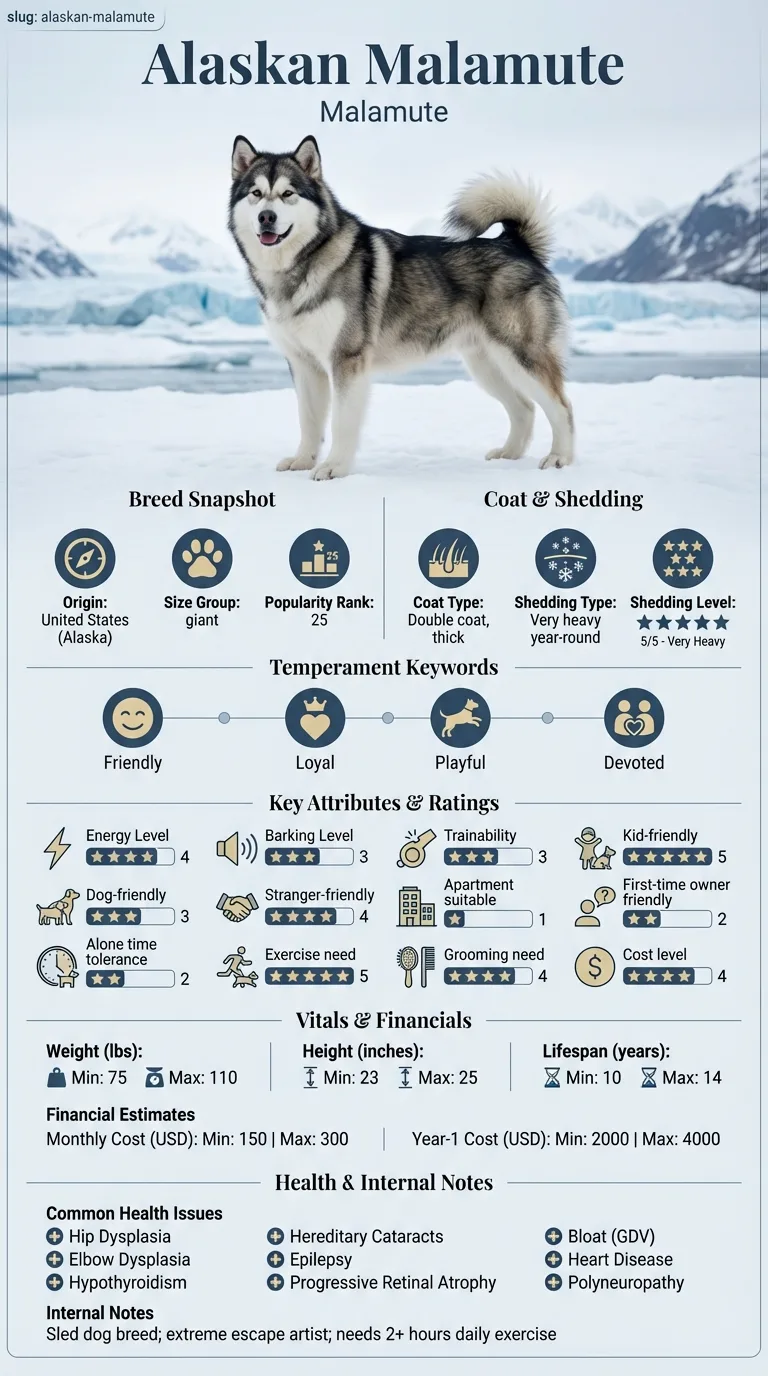
Alaskan Malamute Ocular Disease: What You Need to Know infographic

Typically, owners of Alaskan Malamutes may struggle with ocular disease, especially those who are first-time dog owners or live in areas with less access to veterinary care. Understanding this condition can help you make informed decisions for your furry friend.

Important reminder

This guide is not medical advice. If your dog shows pain, sudden behavior change, or worsening symptoms, consult a licensed veterinarian.

Some links may be affiliate links. We may earn a commission at no extra cost to you. We only suggest products we believe are helpful for dog owners.

What this problem looks like

Alaskan Malamute ocular disease presents as various eye issues, including cataracts and progressive retinal atrophy. Owners may notice cloudy eyes, difficulty seeing in low light, or even signs of discomfort. These symptoms can develop gradually, often leading to frustration for both the dog and the owner.

Common triggers

  • Genetic predisposition
  • Age-related changes
  • Environmental factors such as allergens

Ocular disease is a significant concern for Alaskan Malamutes, with studies indicating they are at a 467% higher risk than many other breeds. Early detection and regular vet check-ups can help manage these issues.

Why this happens

Breed factors

Alaskan Malamutes are prone to certain genetic conditions, including various ocular diseases. Hereditary cataracts and progressive retinal atrophy are common in this breed, which can lead to vision impairment. Their thick double coat and heavy shedding can also contribute to eye irritation and other ocular issues.

Environment factors

Environmental factors can exacerbate ocular disease in Alaskan Malamutes. Exposure to allergens, irritants, or harsh weather conditions may increase the risk of eye problems. Additionally, a lack of proper care and regular check-ups can lead to undetected issues worsening over time.

What you can try

At-home strategies

  • Regularly inspect your Malamute’s eyes for signs of redness, discharge, or cloudiness. If you notice anything unusual, consult a vet.
  • Keep your home free of dust and allergens that might irritate your dog's eyes. Regular cleaning can help reduce exposure.
  • Ensure your Malamute gets a balanced diet rich in nutrients that support eye health, such as omega-3 fatty acids and antioxidants.
  • Incorporate gentle eye cleaning with a damp cloth to remove any debris that may cause irritation. Use a separate cloth for each eye to avoid cross-contamination.

When to consider a trainer

If your Alaskan Malamute exhibits behavioral changes, such as increased anxiety or aggression, consider consulting a trainer. Training can help your dog adapt to any vision changes and improve their confidence. A qualified trainer can also guide you in addressing any specific behavior problems.

When to talk to your vet

If you notice any signs of ocular disease, such as squinting, excessive tearing, or difficulty seeing, contact your vet immediately. Early detection is key to managing ocular diseases effectively. Regular vet check-ups are essential for your Malamute's overall health.

Realistic expectations

You can expect to see some improvement in your Alaskan Malamute's ocular health within 6 to 12 months of consistent care and management. Regular vet visits and proper training can make a significant difference over time.

Success looks like a noticeable reduction in symptoms, such as excessive tearing or squinting, and an overall improvement in your dog's comfort. Regular vet check-ups will help you track progress and adjust care as needed.

Mistakes that make this worse

Avoid these common mistakes that can make Alaskan Malamute ocular disease worse. Instead, try these safer alternatives to help your pup.

  • Ignoring early symptoms: Many owners overlook signs like squinting or excessive tearing. If you see these signs, consult your vet promptly to address potential issues early.
  • Neglecting regular vet check-ups: Some owners think their Malamute is healthy without regular exams. Schedule yearly check-ups to catch any developing ocular diseases before they escalate.
  • Over-exercising: While Malamutes need plenty of exercise, too much can strain their eyes. Balance playtime with rest to prevent exacerbating eye conditions.
  • Using harsh grooming products: Some shampoos and grooming tools can irritate the eyes. Opt for gentle, vet-recommended products to keep your Malamute's eyes safe.
  • Delaying treatment: If your Malamute develops ocular disease, putting off treatment can lead to worsening conditions. Follow your vet's recommendations promptly to avoid complications.
  • Self-diagnosing: Relying on online forums instead of your vet can lead to incorrect treatments. Always consult your veterinarian for accurate diagnosis and care.
  • Avoiding eye protection: Some owners don't use protective gear on sunny days. Sunglasses for dogs can shield their eyes from harmful UV rays, especially if they have existing conditions.

When Alaskan Malamute Ocular Disease is an Emergency

It's crucial to recognize when Alaskan Malamute ocular disease becomes an emergency. Certain signs indicate you should call your vet immediately. Look out for symptoms like sudden blindness, severe swelling around the eyes, or any unusual discharge that seems excessive or painful. If your Malamute is pawing at their eyes or showing signs of distress, don’t wait—get them to a vet right away.

Alaskan Malamute Ocular Disease: What You Need to Know - When Alaskan Malamute Ocular Disease is an Emergency

When to Watch and Wait

On the other hand, some symptoms can be monitored at home. If your Malamute has mild redness or slight discharge without any significant pain or behavioral changes, consider keeping an eye on it. Regular check-ups can help ensure that any minor issues don’t escalate into something more serious. Always have a plan in place and consult your vet if symptoms worsen or persist.

Alaskan Malamute Ocular Disease: What You Need to Know - When to Watch and Wait

Navigating Ocular Disease with Max the Malamute

When Lisa adopted Max, her Alaskan Malamute, she noticed he often squinted and had excessive tearing. Concerned, she took him to the vet and learned Max had hereditary cataracts. After discussing options, they decided to start with monitoring and training to help Max adapt to his condition. Lisa learned to adjust the way she exercised him, focusing more on indoor activities that limited his eye strain. Over several months, with regular vet visits and attention to his symptoms, Max showed improvement and was happier overall.

Key takeaway: Understanding your dog's condition and adjusting daily routines can lead to a better quality of life for both you and your pet.

Frequently asked questions

Why does my Alaskan Malamute have ocular disease?

Alaskan Malamutes are prone to certain ocular diseases due to their genetic makeup. Common conditions include hereditary cataracts and progressive retinal atrophy, which can develop as they age. Regular vet check-ups are crucial for early detection and management. This answer relates to Alaskan Malamute ocular disease.

How can I stop my Alaskan Malamute from developing ocular disease?

While you can't completely prevent ocular diseases, you can reduce risks by maintaining a healthy diet and regular exercise. Ensuring your Malamute receives routine eye examinations can help catch potential issues early. Consult your vet for specific guidance tailored to your dog's needs.

What are the signs of ocular disease in Alaskan Malamutes?

Signs of ocular disease may include excessive tearing, redness, cloudiness in the eyes, or changes in behavior such as bumping into objects. If you notice any of these symptoms, it's important to contact your veterinarian for an evaluation.

Are there treatments available for ocular disease in Alaskan Malamutes?

Treatment options for ocular diseases vary depending on the specific condition. In some cases, surgery may be necessary, while others may require medication or dietary adjustments. Always consult your veterinarian for the best treatment plan.

Can ocular disease affect my Alaskan Malamute's quality of life?

Yes, ocular diseases can impact your dog's quality of life, affecting their vision and mobility. Early diagnosis and management can help maintain their well-being. Regular visits to the vet will ensure your Malamute receives the care they need.

What are the symptoms of ocular disease in Alaskan Malamutes?

Common symptoms include excessive tearing, cloudiness in the eyes, and difficulty seeing. If your Malamute is bumping into objects or seems disoriented, it may be time to consult a vet.

Is ocular disease hereditary in Alaskan Malamutes?

Yes, certain ocular diseases, like hereditary cataracts, can be passed down through genetics. Breeders should provide health clearances to help identify potential issues.

How can I support my older Alaskan Malamute with ocular disease?

Provide a safe and familiar environment to help your dog navigate more easily. Consistent routine and gentle guidance can also make a difference in their comfort and confidence.

When should I see a vet for my Alaskan Malamute's eye issues?

If you notice any sudden changes in your dog's vision or eye appearance, it’s best to consult a vet immediately. Early intervention can often lead to better outcomes.

Can training help an Alaskan Malamute with ocular disease?

Yes, training can improve their confidence and reduce anxiety. Focus on positive reinforcement techniques that encourage your dog to respond to verbal cues and touch.

Quick answers

View more answers
Health

What are quick tips for managing Alaskan Malamute ocular disease?

Regular vet check-ups and eye exams are crucial. Keep your Malamute active and healthy with a balanced diet and exercise. Monitor their eyes for any changes and seek veterinary advice immediately if you notice issues.

Health

How often should my Alaskan Malamute see the vet for eye checks?

Aim for an eye examination at least once a year, or more often if your Malamute shows signs of discomfort or vision issues. Early detection is key in managing ocular diseases.

Living

Is Alaskan Malamute ocular disease hereditary?

Yes, many ocular diseases in Alaskan Malamutes are hereditary. Buying from a responsible breeder who tests for genetic conditions can help mitigate risks.

Related DogBreedCompass guides

  • Common health issues for Alaskan MalamutesLearn about common health issues that may affect your Alaskan Malamute, including ocular diseases.
  • Alaskan Malamute ocular disease trainingDiscover effective training techniques to manage and prevent ocular disease in Alaskan Malamutes.
  • Alaskan Malamute cost breakdownUnderstand the costs associated with owning an Alaskan Malamute and how to prepare for potential health expenses.
  • Alaskan Malamute separation anxiety guideExplore solutions for separation anxiety, which can also impact your Alaskan Malamute's health and behavior.
  • Alaskan Malamute behavior problemsGet tips on managing behavior problems that may arise from health issues like ocular disease.

Related guides