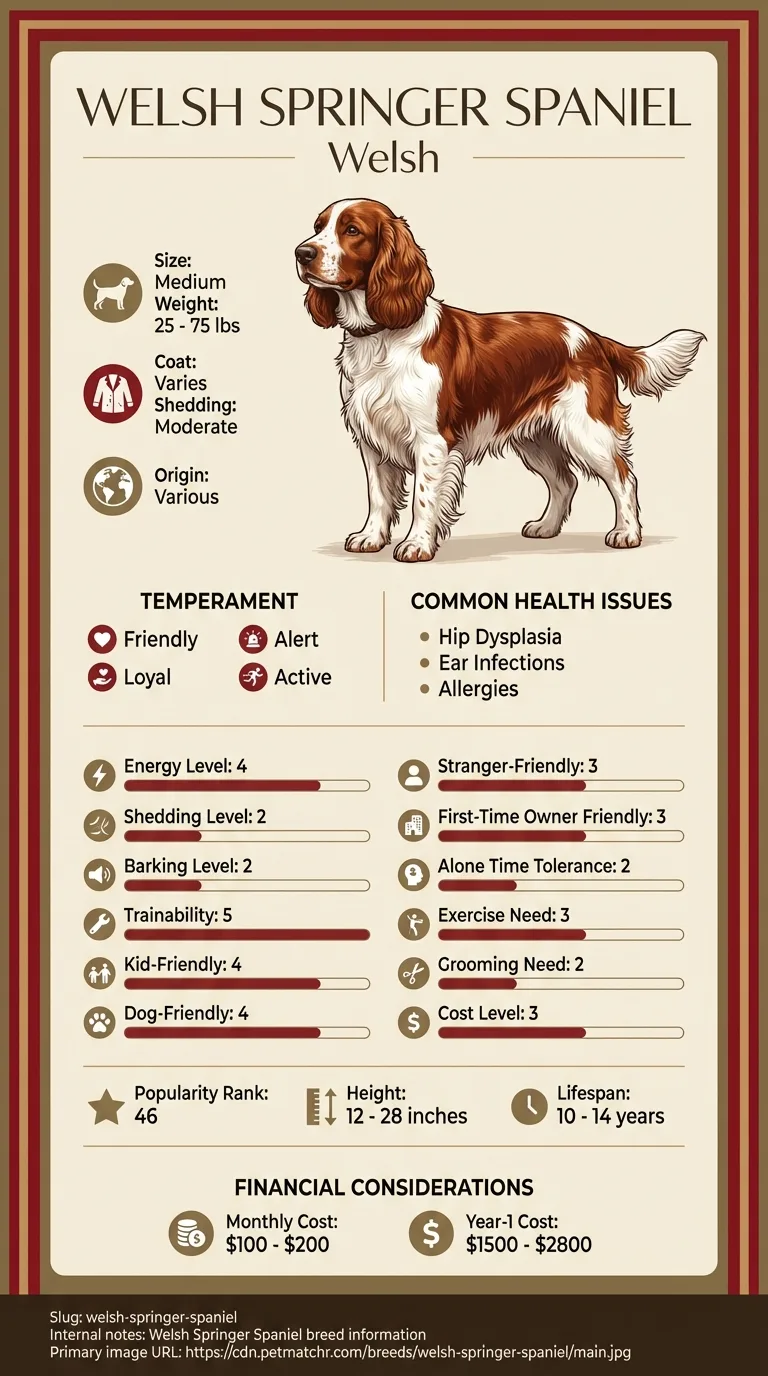
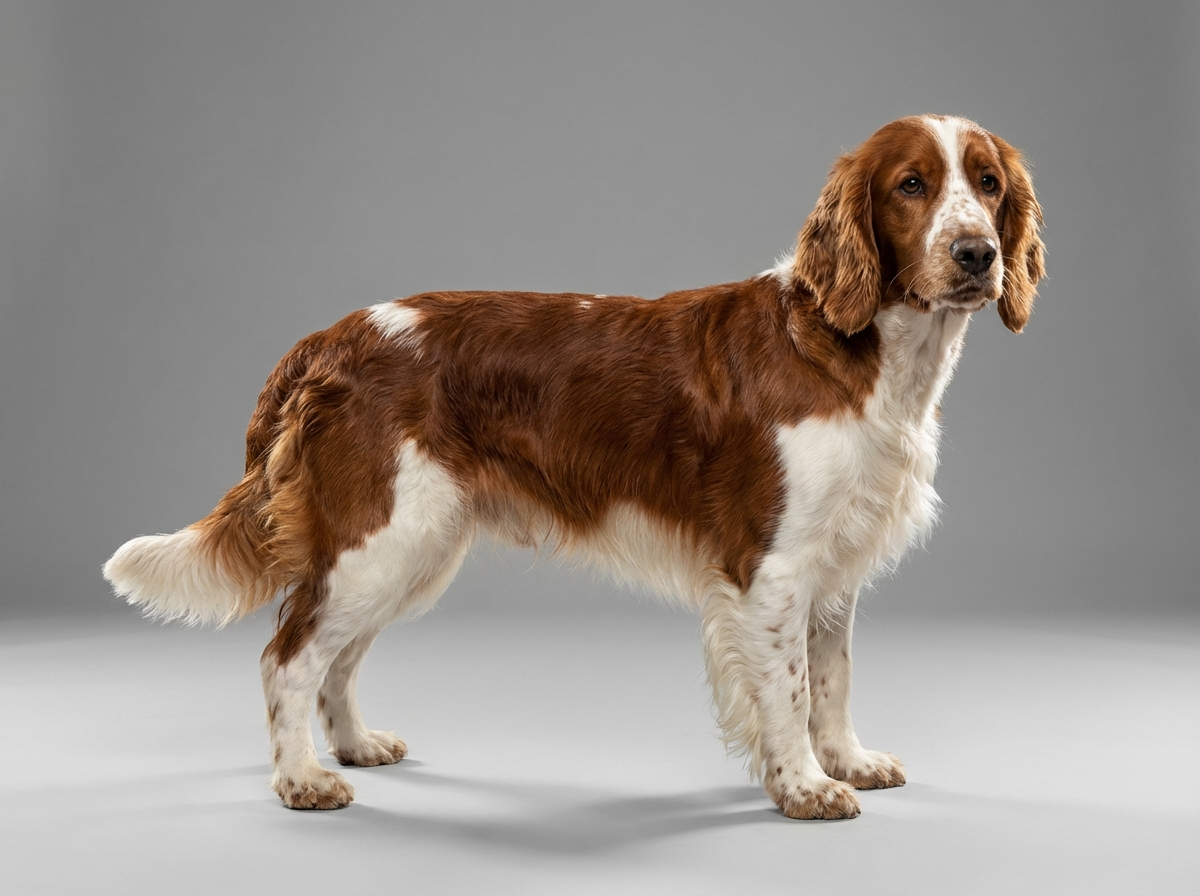
A healthy Welsh Springer Spaniel handles Wyoming winter well. The breed standard describes a medium, straight, water-resistant coat, which is a genuine working asset in wind-driven weather, and a dog rated 4 out of 5 on energy will happily walk into a stiff breeze that its owner would rather avoid.
That baseline is what makes a change meaningful. When a dog with this coat and this drive starts turning back at the door on a windy day, shivering on a route it walked all last winter, or pressing itself against heat sources indoors, that is a real signal rather than a preference. In a mild climate the same early loss of thermoregulatory margin produces nothing you would notice. Cheyenne's wind removes the hiding place.
The follow-up is straightforward and cheap: a thyroid panel is an ordinary blood draw at a general practice, and Colorado State University's veterinary teaching hospital sits about forty-five miles south in Fort Collins if anything more involved is needed. For a state with a small and widely spread veterinary market, having a major academic hospital that close is an unusual advantage worth knowing about before you need it.