DogBreedCompass
← Back to breed profile

Understanding Vizsla Insurance Claims

Vizsla insurance claims can be a significant concern for owners, as these dogs may be prone to certain health issues that lead to higher vet bills.

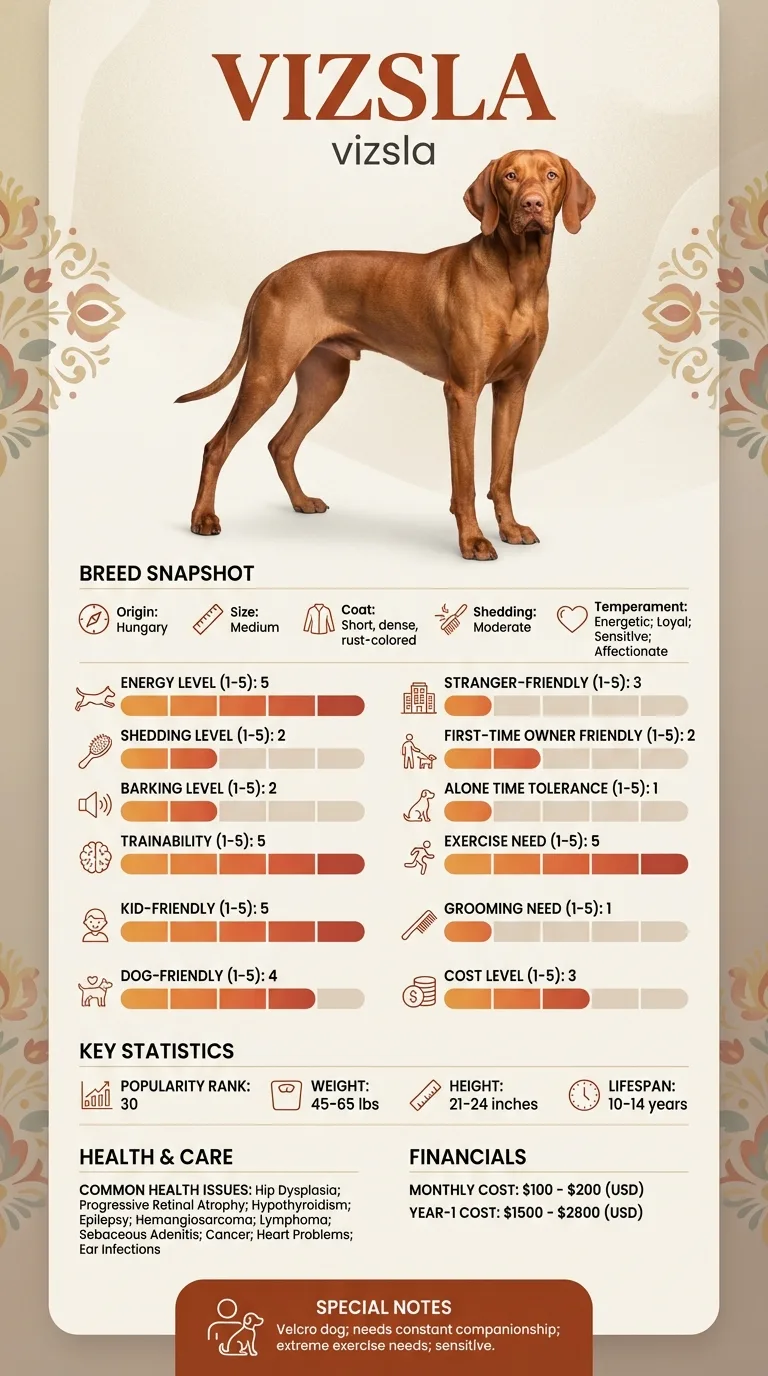
Understanding Vizsla Insurance Claims infographic

Typically, first-time Vizsla owners or busy families may struggle with managing these insurance claims. They often find themselves unprepared for the potential financial burden of health-related issues.

Important reminder

This guide is not medical advice. If your dog shows pain, sudden behavior change, or worsening symptoms, consult a licensed veterinarian.

Some links may be affiliate links. We may earn a commission at no extra cost to you. We only suggest products we believe are helpful for dog owners.

What this problem looks like

Vizsla insurance claims can be a significant issue for owners. These dogs, known for their high energy and close bond with humans, often face health problems that lead to insurance claims. Common health concerns include hip dysplasia, progressive retinal atrophy, and heart problems, which can result in frequent vet visits and claims.

Common triggers

  • Genetic predispositions to health issues
  • High energy levels leading to accidents or injuries
  • Sensitivity to environmental changes causing stress-related conditions

Insurance claims among Vizslas are relatively common, especially due to their active lifestyle and susceptibility to certain health conditions. Owners should be prepared for potential claims related to both routine care and unexpected health issues.

Why this happens

Breed factors

Vizslas are energetic and sensitive dogs, which can make them prone to certain health issues like hip dysplasia and heart problems. These conditions may lead to increased insurance claims, as they require ongoing veterinary care. Their strong attachment to owners can also result in anxiety-related issues that might manifest as behavioral problems, leading to costly claims.

Environment factors

The environment plays a significant role in the health of a Vizsla. Lack of exercise or mental stimulation can lead to behavioral issues, which might also result in insurance claims due to accidents or injuries. Additionally, living in a stressful environment can exacerbate their anxiety, leading to higher medical costs.

What you can try

At-home strategies

  • Ensure daily exercise by taking your Vizsla for long walks or runs. Aim for at least 1-2 hours of physical activity each day to keep them healthy and happy.
  • Create a consistent routine for feeding, exercise, and socialization. This helps reduce anxiety and provides a sense of security for your Vizsla.
  • Engage your Vizsla in mental stimulation activities, like puzzle toys or training sessions. This can help curb unwanted behaviors and reduce the likelihood of accidents.
  • Monitor their health regularly by keeping an eye on their weight, energy levels, and any changes in behavior. Early detection of issues can lower insurance claims.

When to consider a trainer

If your Vizsla exhibits persistent behavioral problems or anxiety despite your efforts, consider hiring a professional trainer. A trainer can provide tailored strategies to address specific issues and help build your dog's confidence.

When to talk to your vet

If you notice any sudden changes in your Vizsla's health or behavior, such as lethargy or decreased appetite, consult your veterinarian. Regular check-ups can help catch potential issues early, reducing the chance of insurance claims.

Realistic expectations

It typically takes 3 to 6 months to see significant improvements in reducing Vizsla insurance claims through training and behavioral adjustments.

Success looks like a noticeable decrease in claims, improved behavior in various situations, and a happier, more confident Vizsla that can handle stress better.

Mistakes That Make This Worse

Avoiding these common mistakes can help manage your Vizsla's insurance claims effectively.

  • 1. Ignoring Symptoms: Many owners overlook early signs of health issues. Regular vet check-ups can catch problems before they escalate.
  • 2. Delaying Treatment: Waiting too long to seek veterinary care can lead to more serious conditions. If your Vizsla shows unusual behavior or health symptoms, consult a vet promptly.
  • 3. Inconsistent Training: Inconsistent training can lead to confusion and behavioral issues. Stick to a consistent training schedule and use positive reinforcement to encourage good behavior.
  • 4. Overlooking Exercise Needs: Vizslas are high-energy dogs that require adequate exercise. Lack of physical activity can lead to anxiety and health problems, increasing the likelihood of insurance claims.
  • 5. Neglecting Socialization: Not socializing your Vizsla can lead to anxiety and behavioral issues. Regularly expose your dog to different environments, people, and other animals to reduce fear and stress.
  • 6. Failing to Document Health Issues: Not keeping track of your dog's health history may complicate insurance claims. Maintain detailed records of vet visits, treatments, and any incidents for smoother claim processes.

When Vizsla Insurance Claims are an Emergency

Knowing when to act quickly is crucial for your Vizsla's health. Some situations demand immediate attention, while others can be monitored over time. Here’s how to distinguish between emergencies and situations that require patience.

Understanding Vizsla Insurance Claims - When Vizsla Insurance Claims are an Emergency

Signs of Emergency

If you notice any of the following, it's time to call your vet immediately: - Sudden lethargy or unresponsiveness - Severe vomiting or diarrhea lasting more than a day - Difficulty breathing or persistent coughing - Excessive bleeding or signs of pain - Seizures or collapsing - Sudden changes in appetite or water intake - Visible swelling or lumps on the body

Understanding Vizsla Insurance Claims - Signs of Emergency
  • Sudden lethargy or unresponsiveness
  • Severe vomiting or diarrhea lasting more than a day
  • Difficulty breathing or persistent coughing
  • Excessive bleeding or signs of pain
  • Seizures or collapsing
  • Sudden changes in appetite or water intake
  • Visible swelling or lumps on the body

When to Watch and Wait

In less urgent cases, you can monitor your Vizsla at home. Keep an eye on these mild symptoms: - Occasional coughing without distress - Minor digestive upset (like a brief bout of diarrhea) - Slight changes in energy or behavior over a few days - Mild itching or skin irritation without significant redness - Temporary changes in appetite that correct themselves

Understanding Vizsla Insurance Claims - When to Watch and Wait
  • Occasional coughing without distress
  • Minor digestive upset (like a brief bout of diarrhea)
  • Slight changes in energy or behavior over a few days
  • Mild itching or skin irritation without significant redness
  • Temporary changes in appetite that correct themselves

Emma's Journey with Max the Vizsla

Emma, a busy nurse in Chicago, struggled with her Vizsla, Max, who had frequent insurance claims for anxiety-related issues. After consulting with a trainer, she learned that Max needed more structured activity and socialization. By incorporating daily exercise routines, interactive toys, and training sessions, Emma slowly helped Max become more relaxed and balanced. In just a few months, the claims dropped significantly, and their bond grew stronger.

Key takeaway: With patience and the right strategies, you can effectively reduce insurance claims related to anxiety in your Vizsla.

Frequently asked questions

Why does my Vizsla have insurance claims?

Vizslas may have insurance claims due to their propensity for certain health issues like hip dysplasia and epilepsy. Additionally, their high energy levels can lead to accidents or injuries, increasing the likelihood of claims. Regular vet check-ups can help catch potential problems early.

How can I reduce insurance claims for my Vizsla?

To reduce insurance claims, focus on preventive care, including regular vet visits and a healthy diet. Training your Vizsla to minimize accidents and injuries is also crucial. A well-exercised dog is less likely to get into trouble, so provide ample physical and mental stimulation.

Is Vizsla insurance training effective?

Yes, Vizsla insurance training can be effective. Training teaches your dog to avoid risky behaviors and can reduce the likelihood of injuries that lead to claims. Incorporate obedience training, socialization, and healthy outlets for their energy.

What common health issues should I watch for in my Vizsla?

Vizslas are prone to certain health issues like hip dysplasia, heart problems, and ear infections. Being aware of these conditions can help you monitor your dog’s health and seek timely veterinary care. Keeping up with vaccinations and preventive care is essential.

How much do Vizsla insurance claims typically cost?

The cost of Vizsla insurance claims can vary widely but typically falls within the range of $100 to $200 per month for insurance. Annual costs can escalate quickly if your dog has chronic health issues, so consider budget-friendly options for care.

What common health issues lead to Vizsla insurance claims?

Vizslas are prone to several health conditions that can lead to insurance claims. These include hip dysplasia, progressive retinal atrophy, and heart problems. It's important to monitor your Vizsla's health and consult a vet regularly.

When should I consider changing my Vizsla's insurance policy?

If you notice frequent health issues or your Vizsla is aging, it might be time to review your insurance coverage. Look for policies that better suit their changing needs. Always ensure that the policy covers potential breed-specific conditions.

How can I prevent high insurance claims for my Vizsla?

Maintaining your Vizsla's health is key to preventing insurance claims. Regular vet check-ups, a balanced diet, and daily exercise can minimize health issues. Training and socialization also help reduce behavioral problems that might lead to claims.

Are there specific training methods for reducing Vizsla insurance claims?

Yes, positive reinforcement training can help address behaviors that may lead to insurance claims. Focus on socialization and basic obedience to prevent issues like anxiety or destructive behavior. A well-trained Vizsla is less likely to develop problems that could result in claims.

What should I do if my older Vizsla starts having frequent insurance claims?

If your older Vizsla is experiencing frequent claims, consult your veterinarian for a comprehensive health evaluation. Aging dogs often face increased health risks, so adjusting their care routine and insurance coverage may be necessary to reflect their needs.

Quick answers

View more answers
Costs

What are some quick tips for Vizsla insurance claims?

To minimize Vizsla insurance claims, maintain a healthy diet, ensure regular exercise, and provide consistent training. Keeping up with vet check-ups can also prevent health issues from escalating.

Health

How often should I take my Vizsla to the vet?

It's recommended to take your Vizsla to the vet at least once a year for preventive care. If your dog has existing health issues, more frequent visits may be necessary.

Training

Can training help reduce my Vizsla's health issues?

Yes, effective training can help reduce health issues by promoting safe behaviors and reducing accidents. Consistent training also strengthens your bond with your Vizsla.

Behavior

How can I tell if my Vizsla is injured?

Signs of injury in your Vizsla include limping, whining, or reluctance to move. If you notice these signs, consult your vet promptly to avoid further complications.

Related DogBreedCompass guides

  • Vizsla behavior problemsUnderstanding the unique challenges of Vizslas can help prevent insurance claims.
  • Vizsla separation anxiety guideLearn how to help your Vizsla with separation anxiety, a common issue.
  • Vizsla cost breakdownDiscover the costs associated with owning a Vizsla and potential insurance impacts.
  • Vizsla insurance claims trainingExplore training tips specific to Vizslas to reduce the likelihood of insurance claims.
  • Vizsla health issuesGet insights on common health issues in Vizslas that may lead to insurance claims.

Related guides