DogBreedCompass
← Back to breed profile

Understanding Vizsla Immune-Mediated Thyroiditis

Vizsla immune-mediated thyroiditis is a serious autoimmune condition that affects your dog's thyroid function. This can lead to various health issues, impacting their quality of life.

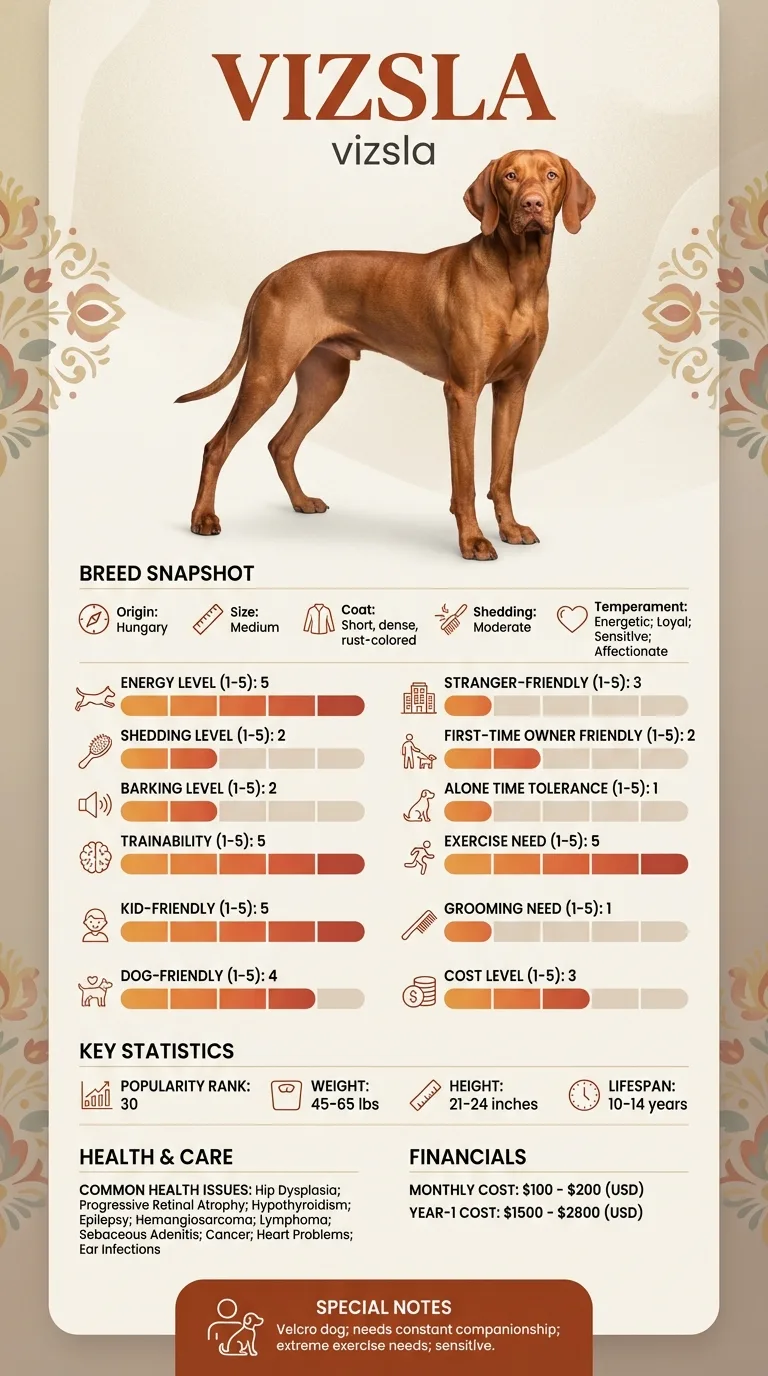
Understanding Vizsla Immune-Mediated Thyroiditis infographic

This problem often affects dedicated Vizsla owners who may be dealing with sudden health changes in their furry companions. Those seeking to understand the best care strategies will find this information particularly useful.

Important reminder

This guide is not medical advice. If your dog shows pain, sudden behavior change, or worsening symptoms, consult a licensed veterinarian.

Some links may be affiliate links. We may earn a commission at no extra cost to you. We only suggest products we believe are helpful for dog owners.

What this problem looks like

Vizsla immune-mediated thyroiditis is a condition where the dog's immune system mistakenly attacks its thyroid gland. This can lead to weight gain, lethargy, and changes in coat quality. Owners may notice their Vizsla becoming more sluggish or experiencing unusual weight fluctuations, which can be concerning.

Common triggers

  • Genetic predisposition in certain Vizslas
  • Environmental stressors
  • Changes in diet or routine

This condition is moderately common in Vizslas, particularly as they age. While not every Vizsla will develop it, awareness is crucial for early detection and management.

Why this happens

Breed factors

Vizslas are sensitive dogs that can be predisposed to autoimmune diseases, including immune-mediated thyroiditis. Their loyal and affectionate nature means they can be more affected by stress, which may trigger or exacerbate health issues.

Environment factors

Environmental factors such as exposure to certain toxins or stressors can also contribute to immune-mediated thyroiditis. A chaotic household or lack of routine can lead to anxiety, which may weaken their immune system.

What you can try

At-home strategies

  • Create a structured daily routine for your Vizsla. Consistent feeding, walking, and playtimes can help reduce anxiety.
  • Provide a calm environment by minimizing loud noises and chaotic activities. Consider using calming aids like anxiety wraps or pheromone diffusers.
  • Focus on a balanced diet rich in nutrients that support immune health. Consult with your vet for recommendations on high-quality dog food or supplements.

When to consider a trainer

If your Vizsla shows signs of extreme anxiety or behavioral issues, hiring a professional trainer can be beneficial. Look for trainers who specialize in positive reinforcement methods and can customize a plan for your dog’s needs.

When to talk to your vet

If you notice significant changes in your Vizsla's energy, appetite, or behavior, schedule a vet appointment. It's essential to discuss any health concerns, especially related to thyroid function, as early intervention can lead to better outcomes.

Realistic expectations

You can expect to see improvements in your Vizsla's health within 4 to 6 months of consistent treatment and dietary adjustments.

Success means your Vizsla has stabilized thyroid levels, shows increased energy, and returns to a more normal behavior pattern.

Mistakes that make this worse

It's easy to make mistakes that can worsen your Vizsla's immune-mediated thyroiditis or delay improvement. Here are some common pitfalls to avoid.

  • Ignoring symptoms: Many owners overlook early signs like lethargy or weight changes. Regular vet check-ups are crucial for catching these issues early.
  • Inconsistent medication: Skipping doses or not following the prescribed treatment can worsen your dog's condition. Always stick to the vet's instructions for medication.
  • Self-diagnosing: Relying on online sources instead of a vet can lead to mismanagement. It's essential to consult with a veterinarian for accurate diagnosis and treatment.
  • Neglecting diet: Poor nutrition can impact your Vizsla's immune system. Feed a balanced diet recommended by your vet to support overall health.
  • Over-exercising: While Vizslas need exercise, too much can stress their bodies. Balance playtime with rest, especially if you notice any health issues.
  • Ignoring mental stimulation: A bored Vizsla might exhibit anxiety or behavioral problems. Provide engaging toys and activities to keep their mind active.
  • Avoiding vet visits: Skipping follow-up appointments can hinder progress. Regular visits are vital for monitoring your dog's health and adjusting treatments as needed.

When to Call Your Vet for Vizsla Immune-Mediated Thyroiditis

Knowing when Vizsla immune-mediated thyroiditis becomes an emergency is crucial for your dog's health. If you notice severe symptoms like vomiting, excessive lethargy, or sudden weight loss, don’t wait—call your vet immediately. These signs can indicate that your dog’s thyroid levels are critically low, leading to more serious health risks.

On the other hand, if your Vizsla exhibits mild symptoms such as slight fatigue, increased thirst, or changes in appetite, you can keep an eye on them at home. Monitor these symptoms closely and consider scheduling a vet appointment soon, but don’t panic. A proactive approach can help catch any worsening conditions early without immediate stress.

In summary, severe symptoms warrant immediate veterinary care, while mild symptoms can often be monitored with a watchful eye. Always trust your instincts as a dog owner; if something feels off, it’s best to consult a professional.

Understanding Vizsla Immune-Mediated Thyroiditis - When to Call Your Vet for Vizsla Immune-Mediated Thyroiditis

Sarah's Journey with Max and Thyroiditis

Sarah, a busy nurse in Denver, adopted Max, a lively Vizsla who was diagnosed with immune-mediated thyroiditis shortly after she brought him home. Initially, Max was lethargic and lost interest in playtime, which worried Sarah. After consulting with her vet, she learned about a tailored diet and medication regimen. With patience and dedication, Sarah followed the vet's advice, incorporating regular check-ups and monitoring Max's symptoms. Over six months, Max's energy soared, and he became the playful companion Sarah had hoped for.

Key takeaway: With the right treatment and commitment, you can help your Vizsla thrive despite immune-mediated thyroiditis.

Frequently asked questions

Why does my Vizsla have immune-mediated thyroiditis?

Vizsla immune-mediated thyroiditis is an autoimmune disease where the dog's immune system attacks its thyroid gland. This condition can arise due to genetic factors, environmental triggers, or even infections. If you notice symptoms like weight gain, lethargy, or skin issues, it's crucial to consult your vet.

How can I stop Vizsla immune-mediated thyroiditis?

While there is no cure for Vizsla immune-mediated thyroiditis, you can manage it with medication prescribed by your vet. Regular check-ups and blood tests are essential to monitor hormone levels and adjust treatment as needed. A balanced diet and maintaining a healthy weight can also support your dog's overall health.

What are the signs of immune-mediated thyroiditis in Vizslas?

Common signs of immune-mediated thyroiditis in Vizslas include fatigue, weight gain, dry skin, and hair loss. You might also notice behavioral changes, such as increased sensitivity or lethargy. If you observe any of these symptoms, it's important to seek veterinary care promptly.

Is Vizsla immune-mediated thyroiditis common?

Yes, immune-mediated thyroiditis can be relatively common in Vizslas, as they are prone to certain autoimmune diseases. Early diagnosis and treatment can significantly improve the quality of life for affected dogs. Regular health screenings can help catch this condition early.

Can I train my Vizsla with immune-mediated thyroiditis?

Yes, you can train your Vizsla with immune-mediated thyroiditis, but it's important to tailor the training to their energy levels and health status. Focus on positive reinforcement techniques and avoid overly strenuous activities. Always consult your vet about your dog's specific needs during training.

What causes immune-mediated thyroiditis in Vizslas?

The exact cause of immune-mediated thyroiditis in Vizslas is not well understood. It's believed to be a combination of genetic factors and environmental triggers that lead to the immune system mistakenly attacking the thyroid gland.

How can I manage my Vizsla's immune-mediated thyroiditis?

Managing your Vizsla's immune-mediated thyroiditis typically involves regular veterinary check-ups and blood tests. Your vet may prescribe medications to help regulate hormone levels and recommend a specialized diet to support overall health.

When should I see a vet for my Vizsla's thyroid issues?

If you notice signs like weight changes, excessive shedding, or lethargy in your Vizsla, it’s crucial to consult a vet. Early diagnosis can make a significant difference in managing immune-mediated thyroiditis effectively.

Can immune-mediated thyroiditis affect my Vizsla's behavior?

Yes, immune-mediated thyroiditis can impact your Vizsla's behavior. Hormonal imbalances may lead to changes in energy levels and mood, so it's essential to monitor your dog closely and communicate any concerns to your vet.

Are there specific training tips for Vizslas with immune-mediated thyroiditis?

While training is essential for all Vizslas, those with immune-mediated thyroiditis may require extra patience. Focus on positive reinforcement techniques and adjust training sessions to be shorter and more frequent, especially if your dog shows signs of fatigue.

Quick answers

View more answers
Health

What are quick tips for managing Vizsla immune-mediated thyroiditis?

To manage Vizsla immune-mediated thyroiditis, ensure regular vet visits for medication adjustments and blood tests. A balanced diet and moderate exercise can help maintain your dog's health. Keeping a close eye on any changes in behavior or weight is also crucial.

Living

What should I feed my Vizsla with thyroid issues?

Feed your Vizsla a high-quality, balanced diet rich in nutrients to support their overall health. Consult your vet for specific dietary recommendations suited to their condition. Omega-3 fatty acids can also be beneficial for skin and coat health.

Health

Are there any supplements for Vizslas with thyroid problems?

Certain supplements, like omega-3 fatty acids and antioxidants, may help support your Vizsla's health. Always consult your vet before starting any new supplements to ensure they are appropriate for your dog's condition.

Behavior

Can immune-mediated thyroiditis affect my Vizsla's energy levels?

Yes, immune-mediated thyroiditis can lead to decreased energy levels in your Vizsla. It's important to monitor their activity and adjust their exercise accordingly. A gradual approach to exercise can help keep them healthy without overexerting them.

Related DogBreedCompass guides

  • Vizsla immune-mediated thyroiditis trainingUnderstand the potential causes and treatments for this health issue.
  • Vizsla behavior problemsLearn about common behavior issues that may arise due to health problems.
  • Vizsla separation anxiety guideExplore how to manage anxiety and behavioral issues in Vizslas.
  • Vizsla cost breakdownFind out about the costs associated with owning a Vizsla.
  • Vizsla common health issuesCheck other health issues that Vizslas are prone to, for better awareness.

Related guides