Behavior
What are quick tips for managing Vizsla allergies?
To manage Vizsla allergies, keep their environment clean, use hypoallergenic foods, and consult a vet for appropriate medications. Regular grooming can also help reduce allergens.

Quick answer
What are quick tips for managing Vizsla allergies?
To manage Vizsla allergies, keep their environment clean, use hypoallergenic foods, and consult a vet for appropriate medications. Regular grooming can also help reduce allergens.
Vizsla allergies can be a frustrating challenge for dog owners. These allergies may lead to discomfort and health issues, affecting your dog's quality of life.
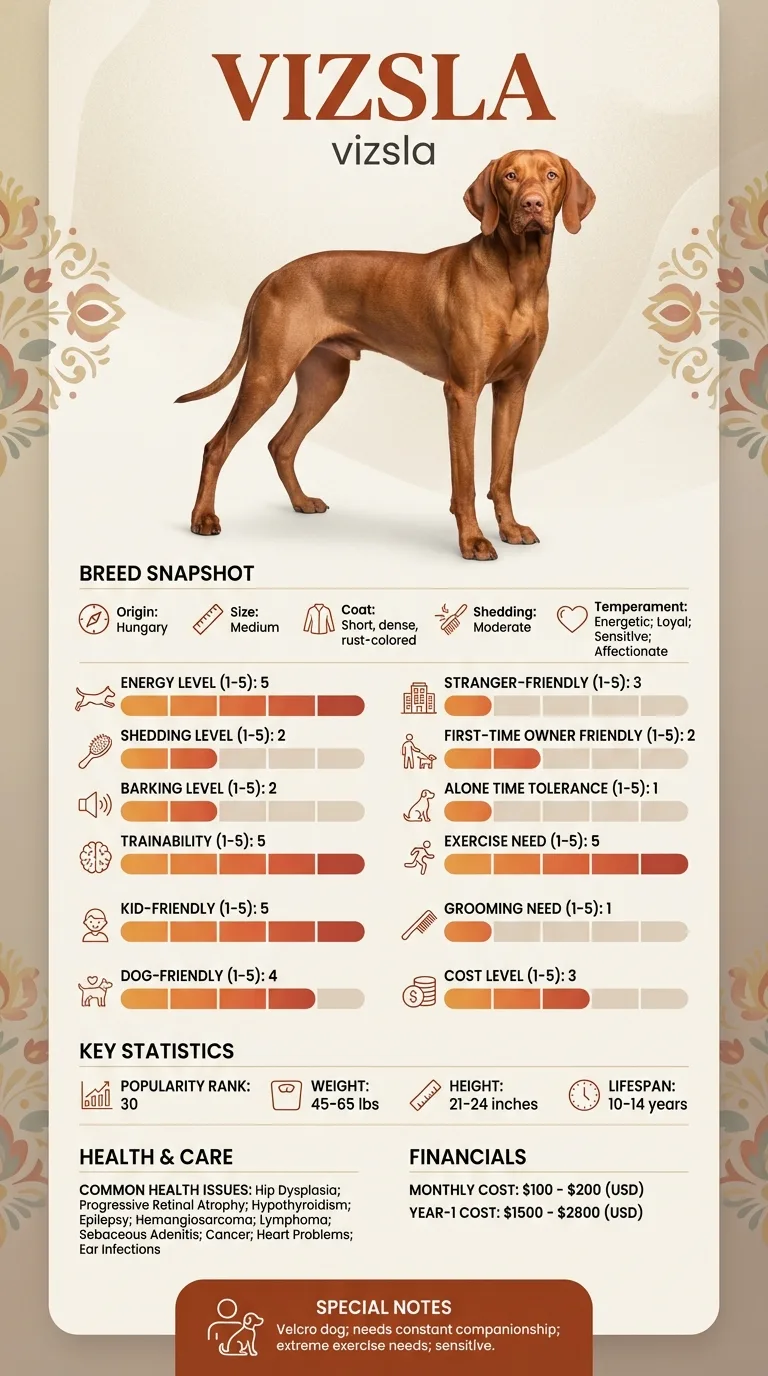
Owners of Vizslas, especially those who are new to dog care or live in allergy-prone areas, often struggle with managing these conditions. Understanding how to identify and address these allergies is crucial for maintaining their health and happiness.
This guide is not medical advice. If your dog shows pain, sudden behavior change, or worsening symptoms, consult a licensed veterinarian.
Some links may be affiliate links. We may earn a commission at no extra cost to you. We only suggest products we believe are helpful for dog owners.
We research and check what we publish, but we do not warrant that any figure, date, price, or statement is accurate, complete, or current, and we accept no liability for any loss, cost, injury, or other harm arising from the use of this site. Use it as one reference among several. You remain responsible for your own decisions and for your dog's care - confirm anything that matters with a licensed veterinarian or another qualified professional before you act on it. Full disclaimer.
Check this first
Call Your Vet Immediately If: - Your Vizsla experiences severe swelling, especially around the face or throat. - There are signs of difficulty breathing, such as wheezing or gasping. - Your dog is experiencing persistent vomiting or diarrhea that lasts more than a few hours. - You notice any signs of severe lethargy or unresponsiveness.
These symptoms can indicate a serious allergic reaction, which can escalate quickly. If you see any of these red flags, don’t hesitate to seek emergency care.
Monitor and Wait If: - Your Vizsla has mild itching or occasional sneezing without other severe symptoms. - There are minor skin irritations that do not seem to worsen. - Your dog is still active and eating normally despite some allergy signs.
In these cases, you can develop a management plan with your vet. Keep track of symptoms and any potential triggers to discuss during your next appointment. Monitoring can help you figure out what works best for your Vizsla and when to escalate care if needed.
Understanding these signs can save your Vizsla from serious complications. Always err on the side of caution and consult your vet if you’re unsure.
If any of these apply, call your vet or an emergency clinic now. The rest of this page is for the cases that are not an emergency.
Vizsla allergies can manifest as itchy skin, frequent ear infections, and digestive upset. These issues often arise from food or environmental allergens, making daily life challenging for both the dog and owner. You might notice your Vizsla scratching excessively or experiencing discomfort after meals.
Allergies in Vizslas are fairly common, with many owners reporting issues at some point in their dog's life. This breed's sensitive skin makes them more prone to allergic reactions compared to some other breeds.
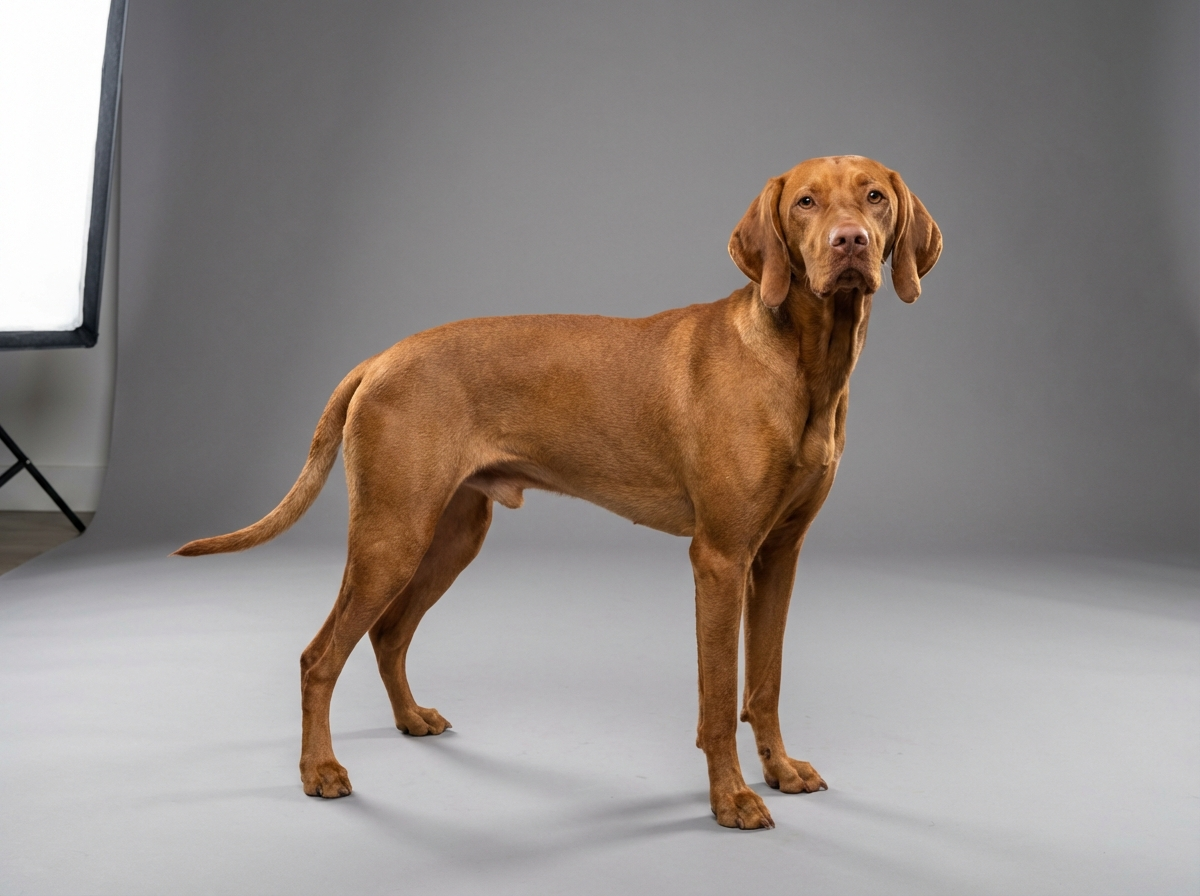
Vizslas can be more prone to allergies due to their sensitive skin and immune systems. Their short, dense coat offers less protection against allergens, making them vulnerable to skin irritations and reactions. Additionally, genetic predispositions in this breed can elevate the likelihood of developing allergies.
Environmental factors such as pollen, dust, mold, and certain chemicals in cleaning products can trigger allergy symptoms in Vizslas. Changes in climate or exposure to new substances, like different types of food or household items, can also lead to unexpected allergic reactions.
If your Vizsla shows persistent allergy symptoms, such as excessive itching, hair loss, or chronic ear infections, it's time to talk to your vet. They can perform tests to identify specific allergies and suggest appropriate treatment options.
Understanding what not to do can help you manage your Vizsla's allergies more effectively. Here are some common mistakes to avoid.
Start here: Vizsla Most Common Genetic Disorders: What to Screen For
See all Vizsla health problems, which breeds are prone to allergies, or the full Vizsla breed guide for temperament, exercise needs and ownership costs.
You can expect to see improvements in your Vizsla's allergies within 4 to 6 weeks after starting a consistent treatment plan.
Success means your Vizsla will have fewer allergy symptoms, such as itching or ear infections, allowing them to enjoy daily activities without discomfort.
Emily, a busy nurse in Seattle, noticed that her Vizsla, Max, was constantly scratching and had frequent ear infections. After a vet visit, she learned that Max had allergies to certain foods and environmental factors. Determined to help him, Emily switched to a hypoallergenic diet and started a regular cleaning routine to minimize allergens in their home. Within a couple of months, Max's symptoms significantly improved, and he was back to his playful self, chasing squirrels in the park.
Key takeaway: Identifying triggers and maintaining a consistent treatment plan can help your Vizsla thrive despite allergies.
Vizslas can develop allergies due to various factors, including genetics, diet, and environmental triggers. Common allergens include certain foods, pollen, dust mites, and mold. If your Vizsla shows signs of allergies, consult your vet for an accurate diagnosis.
To manage Vizsla allergies, start by identifying and avoiding allergens. This may involve changing their diet or minimizing exposure to environmental triggers. Regular vet visits can help tailor a treatment plan, which might include medications or allergy shots.
Common signs of allergies in Vizslas include excessive scratching, chewing on their paws, and skin irritations. You might also notice watery eyes, sneezing, or ear infections. If you see these symptoms, it’s best to consult your vet for proper diagnosis and treatment.
Yes, Vizslas can be prone to certain allergies, including food allergies and environmental allergies. Common food allergens include chicken, beef, and grains. Environmental triggers may consist of pollen or dust, making it essential to monitor their reactions.
Training a Vizsla with allergies focuses on positive reinforcement and understanding their sensitivities. Use treats that are safe for their dietary restrictions and maintain a consistent routine. If allergies cause discomfort, consider a training approach that minimizes stress.
Yes, allergies can influence your Vizsla's behavior. Discomfort from itching or gastrointestinal distress may make them more anxious or irritable. Addressing their allergies can help improve their overall mood and behavior.
If your Vizsla experiences a severe allergic reaction, such as swelling or difficulty breathing, seek emergency veterinary care immediately. Quick action is crucial in these situations to ensure your dog receives the appropriate treatment.
Managing your Vizsla's allergies at home can involve regular grooming to reduce allergens, using hypoallergenic dog food, and keeping their living area clean. You can also limit their exposure to known allergens such as pollen or dust. However, always check with your vet before making significant changes.
You should take your Vizsla to the vet if their allergy symptoms persist despite home care, or if you notice severe reactions like swelling or difficulty breathing. Chronic issues like ear infections that don’t respond to treatment also warrant a vet visit. Early intervention can help prevent more serious complications.
Yes, Vizslas can develop allergies at any age, even if they previously had none. This can be due to changes in their immune system or environmental factors. If you notice new allergy symptoms in an older dog, it’s important to consult your vet.
Certain hypoallergenic dog foods can help reduce allergies in Vizslas by eliminating common allergens. Ingredients like novel proteins and grains that your dog hasn’t been exposed to before are often recommended. Always discuss dietary changes with your vet to ensure they meet your dog’s needs.
To manage Vizsla allergies, keep their environment clean, use hypoallergenic foods, and consult a vet for appropriate medications. Regular grooming can also help reduce allergens.
To identify allergens, keep a journal of your Vizsla's symptoms and any potential triggers, such as food or environmental factors. Consult your vet for allergy testing options.
Treating Vizsla allergies can vary in cost, ranging from dietary changes to medications. Expect to spend between $100 and $200 monthly, depending on your dog's needs.
Some over-the-counter allergy medications may be safe for Vizslas, but consult your vet before administering any drugs. Dosing varies based on your dog's size and health.
Long-term allergies in Vizslas can lead to chronic skin and ear infections if left untreated. Regular veterinary care is essential to manage symptoms and maintain their health.
A one-page prep sheet for this condition: the signs, the questions to ask, what to get priced. Unlocks here.
You get: Vet visit prep sheet
No spam. One-click unsubscribe. See our privacy policy.
See a sample page before you decide.
Early access list
The free prep sheet covers the same-day warning signs, a symptom log and the questions to ask. We are considering a fuller kit that adds a cost worksheet for the usual tests and treatments (US price ranges with their sources) and a plain-English guide to ways of covering the bill. It is not built yet; this list tells us whether it is worth building.
One email, no spam, unsubscribe anytime. Information only, not veterinary advice.