DogBreedCompass
← Back to breed profile

Vizsla Intervertebral Disc Disease (IVDD) Type I: What You Need to Know

Vizsla intervertebral disc disease (IVDD) type I is a serious condition that can affect your dog's mobility and quality of life.

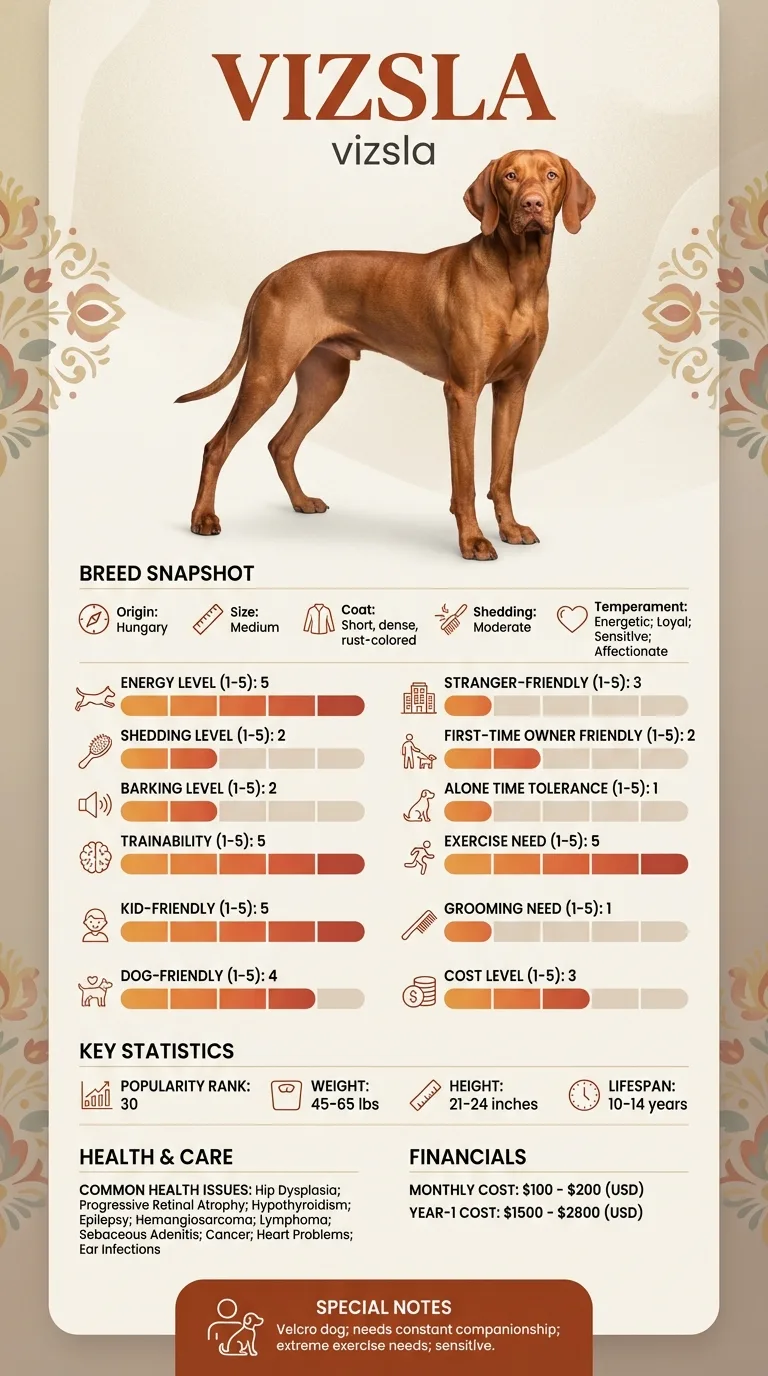
Vizsla Intervertebral Disc Disease (IVDD) Type I: What You Need to Know infographic

Vizsla owners, especially those with active lifestyles, often face challenges as their pets age or if they engage in high-impact activities. This condition can be particularly concerning for families who want their dogs to enjoy outdoor adventures without the risk of injury.

Important reminder

This guide is not medical advice. If your dog shows pain, sudden behavior change, or worsening symptoms, consult a licensed veterinarian.

Some links may be affiliate links. We may earn a commission at no extra cost to you. We only suggest products we believe are helpful for dog owners.

What this problem looks like

Vizsla intervertebral disc disease (IVDD) type I is a painful condition where herniated discs put pressure on the spinal cord. This often leads to severe discomfort, trouble walking, or even paralysis in severe cases. Daily life for a Vizsla with IVDD can be challenging, as they may struggle with basic movements and require extra care and monitoring.

Common triggers

  • Excessive jumping or running
  • Sudden movements or rough play
  • Age-related degeneration

Intervertebral disc disease (IVDD) type I is relatively common in Vizslas, particularly as they age. Around 20-30% of Vizslas may develop some form of IVDD, making it an important concern for owners.

Why this happens

Breed factors

Vizslas are energetic and active dogs, which can lead to stress on their spine. Their medium size and athletic build make them more prone to intervertebral disc disease (IVDD) type I. Additionally, genetic factors can contribute to their vulnerability to this condition.

Environment factors

Living in a high-energy environment without sufficient support for their spine can trigger IVDD. Activities that involve jumping or rough play can put extra pressure on their discs. Furthermore, poor flooring or lack of proper resting areas can exacerbate their condition.

What you can try

At-home strategies

  • Limit high-impact activities. Avoid jumping on and off furniture or excessive running.
  • Create a comfortable resting area with soft bedding to support their back.
  • Incorporate gentle stretching exercises to promote flexibility. Start with short sessions and gradually increase the duration.
  • Use ramps or pet stairs to help them access higher areas without strain.
  • Monitor their weight closely. Keeping them at a healthy weight reduces stress on their spine.

When to consider a trainer

If your Vizsla shows signs of pain or discomfort during activities, a professional trainer who specializes in canine physical therapy can help develop a safe exercise routine. They can also guide you on proper training techniques to avoid injury.

When to talk to your vet

If you notice any signs of IVDD, like limping, reluctance to move, or changes in temperament, consult your vet. They can assess the severity of your dog's condition and recommend medical interventions if necessary.

Realistic expectations

Managing Vizsla intervertebral disc disease (IVDD) type I typically takes several weeks to months. Initial signs may appear suddenly, and treatment plans often involve rest and possibly medication. Improvement can be seen in a few weeks, but long-term management may be necessary.

Success means your Vizsla regains mobility and comfort, allowing them to engage in light activities. Regular vet check-ups and a tailored exercise routine are key to maintaining their health.

Mistakes that make this worse

Addressing Vizsla intervertebral disc disease (IVDD) type I can be tricky. Here are some common mistakes that may worsen the situation, along with safer alternatives to consider.

  • Ignoring early signs of pain: Many owners overlook subtle signs of discomfort, like changes in posture or reluctance to jump. If you notice any signs of pain, consult your vet promptly.
  • Inadequate rest periods: Overexertion can exacerbate IVDD. Instead of allowing your Vizsla to play freely, establish a balanced routine of physical activity and rest.
  • Poor lifting techniques: Lifting your Vizsla incorrectly can strain their back. Always lift them using both hands for support, keeping their back straight.
  • Neglecting weight management: Excess weight adds stress to your Vizsla's spine. Ensure a healthy diet and regular exercise to maintain a healthy weight.
  • Skipping recommended physical therapy: Some owners may dismiss physical therapy as unnecessary. Following your vet's recommendation for therapy can improve recovery and mobility.
  • Failing to secure a safe environment: A chaotic home can lead to accidents. Keep your living space safe by removing obstacles and providing a comfortable resting area.
  • Delaying veterinary visits: Some owners wait too long to seek help. If your Vizsla shows signs of IVDD, don’t hesitate to contact your veterinarian for advice and treatment.

When Vizsla Intervertebral Disc Disease (IVDD) Type I is an Emergency

Look for these red-flag signs: sudden inability to walk, severe pain when touched, or loss of bladder or bowel control. These symptoms can indicate significant spinal cord compression and require urgent medical attention.

On the other hand, if your Vizsla has mild signs like slight hesitation in jumping or occasional yelping, you can monitor them at home. Make a plan for rest and limited activity, while observing their condition closely over a few days.

Always err on the side of caution. If you're unsure, it's better to consult your vet. They can offer guidance on whether immediate treatment is necessary or if a watchful waiting approach is best.

Vizsla Intervertebral Disc Disease (IVDD) Type I: What You Need to Know - When Vizsla Intervertebral Disc Disease (IVDD) Type I is an Emergency

A Journey to Recovery: Max the Vizsla

Max, a 5-year-old Vizsla, suddenly started limping and struggling to jump onto the couch. His owner, Sarah, rushed him to the vet, where they diagnosed him with intervertebral disc disease (IVDD) type I. After a treatment plan of strict rest, anti-inflammatory medication, and gentle physical therapy, Max began to show signs of improvement within a month. Sarah learned to adjust his exercise routine and now incorporates low-impact activities. Max can now enjoy walks again, albeit at a slower pace.

Key takeaway: With patience and a tailored treatment plan, even a serious condition like IVDD can be managed effectively, allowing your Vizsla to maintain a good quality of life.

Frequently asked questions

Why does my Vizsla have intervertebral disc disease (ivdd) type i?

Vizslas are prone to intervertebral disc disease (IVDD) type I, which often results from genetic factors and their active lifestyle. This condition occurs when discs in the spine become herniated and press on the spinal cord, causing pain and mobility issues. Providing proper care and monitoring your dog's activity can help manage the risk.

How can I stop Vizsla intervertebral disc disease (ivdd) type i?

While you can't completely prevent IVDD, you can take steps to reduce the risk. Maintain a healthy weight for your Vizsla, avoid excessive jumping or rough play, and ensure they have a comfortable, supportive sleeping area. Regular vet check-ups can also catch problems early.

What are the signs of intervertebral disc disease (ivdd) type i in Vizslas?

Signs of IVDD in Vizslas may include back pain, reluctance to move, weakness in the legs, or even paralysis in severe cases. If you notice these symptoms, it's crucial to consult your veterinarian immediately for a proper diagnosis and treatment plan.

What treatments are available for Vizsla intervertebral disc disease (ivdd) type i?

Treatment options for IVDD in Vizslas can range from conservative methods like rest and medication to more invasive procedures like surgery. Your vet will recommend the best course of action based on the severity of your dog's condition and overall health.

Can training help manage my Vizsla's intervertebral disc disease (ivdd) type i?

Yes, specific training can help manage IVDD symptoms. Focus on gentle exercises that strengthen the back and core without putting too much strain on the spine. Always consult a professional trainer familiar with IVDD for tailored guidance.

What are the early signs of Vizsla intervertebral disc disease (ivdd) type i?

Early signs of Vizsla intervertebral disc disease (ivdd) type i can include reluctance to jump, changes in walking patterns, or signs of pain when being touched. Keeping an eye on your dog's mobility and comfort is key to catching this issue early.

Can older Vizslas develop intervertebral disc disease (ivdd) type i?

Yes, older Vizslas are at a higher risk for developing intervertebral disc disease (ivdd) type i due to age-related degeneration of the spine. Regular vet check-ups can help monitor their spine health as they age.

What should I do if my Vizsla shows symptoms of ivdd?

If your Vizsla shows symptoms of intervertebral disc disease (ivdd), such as severe pain or inability to move, you should see a vet immediately. Prompt treatment can significantly improve their recovery chances.

How can I manage my Vizsla's ivdd if they have already been diagnosed?

Managing your Vizsla's intervertebral disc disease (ivdd) involves regular vet visits, medications to control pain, and possibly physical therapy. Keeping your dog calm and limiting their activity is also crucial for recovery.

Is surgery necessary for Vizsla intervertebral disc disease (ivdd) type i?

Surgery for intervertebral disc disease (ivdd) type i may be recommended if your Vizsla is experiencing severe symptoms or if conservative treatments fail. Your vet will guide you through the best options based on your dog's condition.

Quick answers

View more answers
Behavior

What are quick tips for managing Vizsla intervertebral disc disease (ivdd) type i?

Keep your Vizsla at a healthy weight and avoid high-impact activities. Incorporate low-impact exercises like swimming to maintain strength without stressing the spine.

Health

How often should I take my Vizsla to the vet for check-ups?

It's recommended to have your Vizsla checked at least once a year, or more frequently if they show signs of IVDD. Early detection can lead to better outcomes.

Living

What can I do to create a safe environment for my Vizsla with ivdd?

Provide soft bedding and avoid stairs or slippery floors. Use ramps for getting in and out of cars or on furniture to reduce strain on their back.

Health

Is surgery necessary for all cases of ivdd type i in Vizslas?

Not all Vizslas with IVDD require surgery. Many respond well to conservative treatments, but severe cases may need surgical intervention for relief.

Related DogBreedCompass guides

  • Vizsla behavior problemsLearn about common behavior issues that Vizslas may face, including their energetic and sensitive nature.
  • Vizsla separation anxiety guideUnderstanding how separation anxiety affects Vizslas can help you create a supportive environment.
  • Vizsla intervertebral disc disease (ivdd) type i trainingExplore the training needs for Vizslas to prevent or manage intervertebral disc disease (IVDD) Type I.
  • Vizsla cost breakdownGet a comprehensive breakdown of the costs associated with owning a Vizsla, including healthcare needs.
  • How to stop Vizsla intervertebral disc disease (ivdd) type iIf you're unsure about the signs of intervertebral disc disease (IVDD) Type I, this guide offers helpful insights.

Related guides