DogBreedCompass
← Back to breed profile

Understanding Vizsla Hypothyroidism: Causes and Solutions

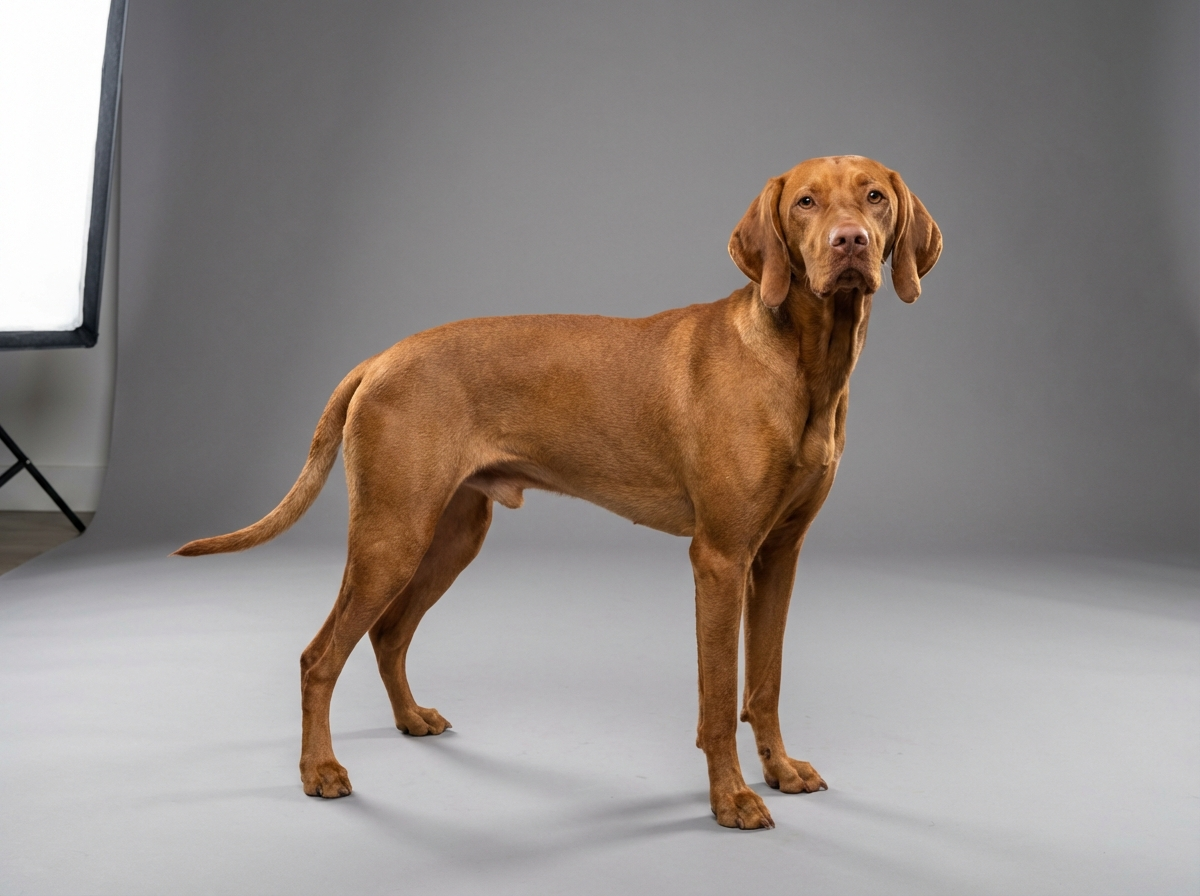
Vizsla hypothyroidism is a common health issue that can affect your dog's energy and mood. Understanding this condition is vital for ensuring your pet's well-being.

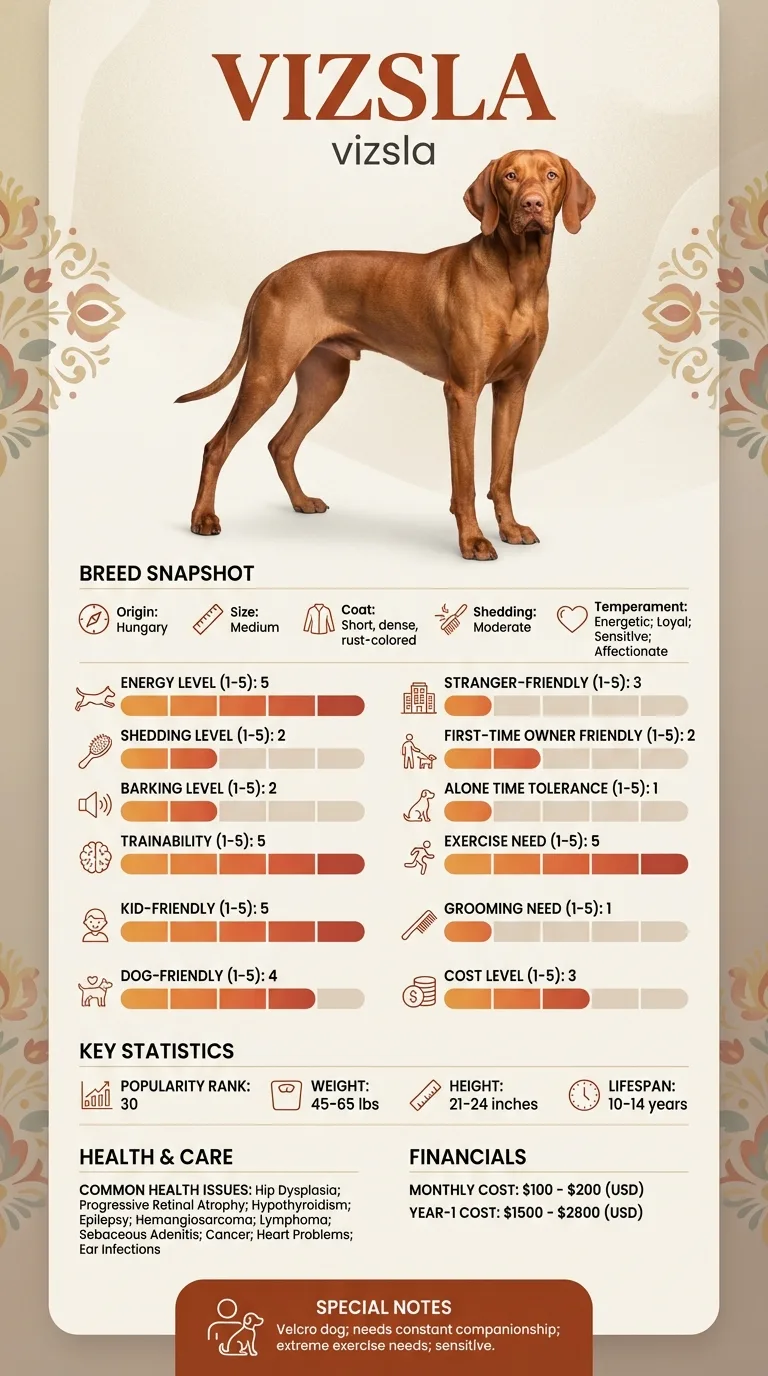
Understanding Vizsla Hypothyroidism: Causes and Solutions infographic

Owners of Vizslas, especially those who notice changes in their dog's behavior or energy, often struggle with hypothyroidism. First-time dog owners may find it challenging to understand this condition and its impact on their pets.

Important reminder

This guide is not medical advice. If your dog shows pain, sudden behavior change, or worsening symptoms, consult a licensed veterinarian.

Some links may be affiliate links. We may earn a commission at no extra cost to you. We only suggest products we believe are helpful for dog owners.

What this problem looks like

Vizsla hypothyroidism is a condition where the dog's thyroid gland doesn't produce enough hormones. This can lead to symptoms like weight gain, lethargy, and changes in coat quality. Owners might notice their Vizsla becoming less active and more prone to weight gain, which can be frustrating for those who love their energetic nature.

Common triggers

  • Genetics and hereditary factors
  • Poor diet or lack of essential nutrients
  • Environmental factors or exposure to certain chemicals

Hypothyroidism is relatively common in Vizslas, especially as they age. It's important for owners to be aware of this risk, as it can affect their dog's overall health and well-being.

Why this happens

Breed factors

Vizslas are prone to certain genetic conditions, including hypothyroidism. This breed may have inherited traits that affect their thyroid function, leading to hormone deficiencies. As energetic and sensitive dogs, they are more susceptible to health issues that can stem from their active lifestyles.

Environment factors

The environment can also impact a Vizsla's thyroid health. Factors like diet, exposure to toxins, and stress can contribute to hormonal imbalances. Additionally, a lack of proper nutrition or chronic stress can exacerbate underlying health problems.

What you can try

At-home strategies

  • Monitor your Vizsla's weight and energy levels. Sudden changes may indicate a thyroid issue. Keep a journal to track any behavioral changes.
  • Provide a balanced diet rich in nutrients, particularly those supporting thyroid health, such as omega-3 fatty acids and antioxidants. Consult with a vet for dietary recommendations.
  • Establish a consistent exercise routine. Regular physical activity can improve your Vizsla's overall health, helping to maintain a healthy weight and energy level.

When to consider a trainer

If your Vizsla shows signs of anxiety or behavioral changes related to their hypothyroidism, consider seeking the help of a professional trainer. They can guide you in addressing specific behavior problems and implementing positive reinforcement techniques.

When to talk to your vet

If you suspect your Vizsla may have hypothyroidism, such as unusual lethargy, weight gain, or skin issues, consult your vet immediately. They can perform blood tests to confirm the diagnosis and recommend an appropriate treatment plan.

Realistic expectations

With proper treatment, you can expect to see improvement in your Vizsla's condition within 4 to 6 weeks. Ongoing management will be necessary for their lifetime.

Success means your Vizsla is back to their energetic self, maintaining a healthy weight, and showing fewer signs of lethargy or behavioral changes.

Mistakes that make this worse

Avoiding common mistakes can help manage your Vizsla's hypothyroidism effectively. Here are some behaviors that can inadvertently worsen the condition.

  • Ignoring symptoms: Many owners overlook signs like weight gain or lethargy, thinking they are just part of aging. It's crucial to monitor these changes and consult a vet promptly.
  • Inconsistent medication: Skipping doses or altering your Vizsla's medication schedule can lead to fluctuating hormone levels. Stick to a consistent routine to maintain stability.
  • Poor diet choices: Feeding low-quality food can worsen health issues. Ensure your Vizsla has a balanced diet rich in nutrients to support their overall well-being.
  • Neglecting exercise: While your Vizsla may have low energy due to hypothyroidism, avoiding regular exercise can lead to further weight gain and health problems. Aim for gentle, consistent activity suited to their energy levels.
  • Overlooking regular vet visits: Failing to schedule routine check-ups can prevent timely adjustments to treatment. Regular vet visits help monitor thyroid levels and overall health.
  • Not addressing behavior issues: Hypothyroidism can lead to changes in behavior, such as anxiety or aggression. Ignoring these can make the situation worse. Training and socialization are essential.
  • Self-diagnosing: Avoid trying to treat your Vizsla's hypothyroidism based on internet advice. Always consult a veterinarian for accurate diagnosis and treatment options.

When Vizsla Hypothyroidism is an Emergency

Understanding when to act quickly is crucial for your Vizsla's health. If you notice any of the following red-flag signs, don't hesitate to call your vet immediately. These symptoms may indicate severe hypothyroidism or complications that require urgent care.

Understanding Vizsla Hypothyroidism: Causes and Solutions - When Vizsla Hypothyroidism is an Emergency
  • Severe lethargy or weakness
  • Rapid weight gain despite normal eating habits
  • Difficulty breathing
  • Unresponsiveness or confusion
  • Severe skin issues (e.g., open sores, extreme itching)
  • Excessive heat sensitivity

Pros

  • Timely intervention can prevent further health issues.
  • Early treatment can improve quality of life.
  • You gain peace of mind knowing you're being proactive.

Cons

  • ! Emergency vet visits can be costly.
  • ! Some symptoms may resolve on their own with time.
  • ! Potential for unnecessary anxiety if misjudged.

When to Monitor and Wait

In cases where your Vizsla shows mild symptoms of hypothyroidism, monitoring can be appropriate. Look for signs like slight weight gain, minor lethargy, or changes in coat quality. If these symptoms are not severe, a watch-and-wait approach might be suitable.

Understanding Vizsla Hypothyroidism: Causes and Solutions - When to Monitor and Wait
  • Slight changes in energy level
  • Minor weight fluctuations
  • Occasional coat dullness

Pros

  • Avoids unnecessary vet visits and costs.
  • Allows time to see if symptoms improve naturally.
  • Can be a good strategy for mild cases.

Cons

  • ! Delaying treatment can lead to worsening symptoms.
  • ! Mild symptoms might mask more serious issues.
  • ! Uncertainty can be stressful for owners.

A Journey to Health: Sarah and Max

Sarah, a busy nurse in Texas, noticed her Vizsla, Max, was gaining weight and seemed less playful. After a vet visit, she learned that Max had hypothyroidism. Sarah was initially overwhelmed by the diagnosis, but with the vet's advice, she started Max on medication. She also adjusted his diet and incorporated more exercise. Within weeks, Max was more energetic, and his weight began to drop. Sarah felt relieved and grateful for the support she received.

Key takeaway: Managing Vizsla hypothyroidism requires commitment, but with the right treatment and lifestyle changes, your dog can thrive again.

Frequently asked questions

Why does my Vizsla have hypothyroidism?

Hypothyroidism in Vizslas is often caused by an autoimmune disorder that damages the thyroid gland. This can lead to a deficiency in thyroid hormones, which are crucial for regulating metabolism. Regular vet check-ups can help diagnose and manage this condition effectively.

How can I stop my Vizsla from having hypothyroidism?

While you can't completely prevent hypothyroidism, regular check-ups with your vet can catch it early. Maintaining a healthy diet and weight can support overall health. If diagnosed, lifelong medication will be necessary to manage the condition.

What are the signs of hypothyroidism in Vizslas?

Common signs include lethargy, weight gain, and changes in coat quality such as hair loss or thinning. You might also notice increased sensitivity to cold or skin issues. If you see these symptoms, consult your vet for testing.

What is the treatment for Vizsla hypothyroidism?

The primary treatment for hypothyroidism is daily medication to replace the missing thyroid hormones. Your vet will monitor hormone levels and adjust the dosage as necessary. Regular follow-ups are important to ensure your Vizsla stays healthy.

Can hypothyroidism cause behavior problems in Vizslas?

Yes, hypothyroidism can lead to changes in behavior such as increased anxiety or lethargy. If you notice significant changes in your Vizsla's behavior, it's essential to discuss this with your vet to evaluate if it's related to their thyroid condition.

How do I train a Vizsla with hypothyroidism?

Training a Vizsla with hypothyroidism should focus on positive reinforcement and patience. Since this breed is sensitive, be gentle and consistent with commands. Consider shorter training sessions to accommodate any fatigue your dog may experience.

What are the early signs of hypothyroidism in Vizslas?

Early signs of hypothyroidism in Vizslas include weight gain, lethargy, and changes in coat quality. You might also notice increased sensitivity to cold or skin issues. If you see these symptoms, it's a good idea to consult your vet.

Can hypothyroidism affect my Vizsla's behavior?

Yes, hypothyroidism can lead to behavioral changes in Vizslas, such as increased anxiety or reduced interest in play. These changes can be frustrating, but they often improve with proper treatment and management.

Is hypothyroidism common in older Vizslas?

Hypothyroidism is more common in older Vizslas, typically developing between 4 and 10 years of age. Regular check-ups with your vet can help catch this condition early and manage it effectively.

Why does my Vizsla have hypothyroidism?

The exact cause of hypothyroidism in Vizslas often isn't clear, but it's usually related to an autoimmune condition where the body attacks the thyroid gland. Genetics may play a role, so discussing your dog's family history with your vet can be helpful.

What treatment options are available for Vizsla hypothyroidism?

Treatment for Vizsla hypothyroidism typically involves hormone replacement therapy, which is usually a daily medication. Regular vet visits are essential to monitor hormone levels and adjust the dosage as needed.

Quick answers

View more answers
Behavior

What are quick tips for managing Vizsla hypothyroidism?

Ensure regular vet visits for blood tests and medication adjustments. Maintain a balanced diet and monitor your Vizsla's weight closely. Keep an eye on energy levels and behavior changes.

Costs

How much does hypothyroidism treatment cost for a Vizsla?

The cost of hypothyroidism treatment can vary, but expect to pay around $30 to $100 per month for medication. Additional vet visits can add to the annual cost.

Health

Can diet affect my Vizsla's hypothyroidism?

A healthy diet can support your Vizsla's overall health, but it won't cure hypothyroidism. Consult your vet for specific dietary recommendations that complement their treatment.

Training

Should I consider any special training for a Vizsla with hypothyroidism?

While standard training is effective, be mindful of your Vizsla's energy levels. Short, engaging sessions work best to keep them focused without overexertion.

Related DogBreedCompass guides

  • Vizsla separation anxiety guideLearn about how to manage your Vizsla's separation anxiety effectively.
  • Vizsla behavior problemsExplore common behavior issues faced by Vizslas and how to address them.
  • Vizsla cost breakdownGet insights into the costs associated with owning a Vizsla, including health care.
  • How to stop Vizsla hypothyroidismUnderstand the signs and training tips for managing hypothyroidism in Vizslas.
  • Vizsla hypothyroidism trainingDiscover training methods specifically designed for Vizslas to ensure a well-behaved pet.

Related guides