Health
What should I feed a Vizsla with liver shunts?
Feed a low-protein, high-quality diet to reduce the liver's workload. Consult your vet for specific dietary recommendations.

Quick answer
What should I feed a Vizsla with liver shunts?
Feed a low-protein, high-quality diet to reduce the liver's workload. Consult your vet for specific dietary recommendations.
Vizsla liver shunts are a serious health issue that can affect your dog's well-being.
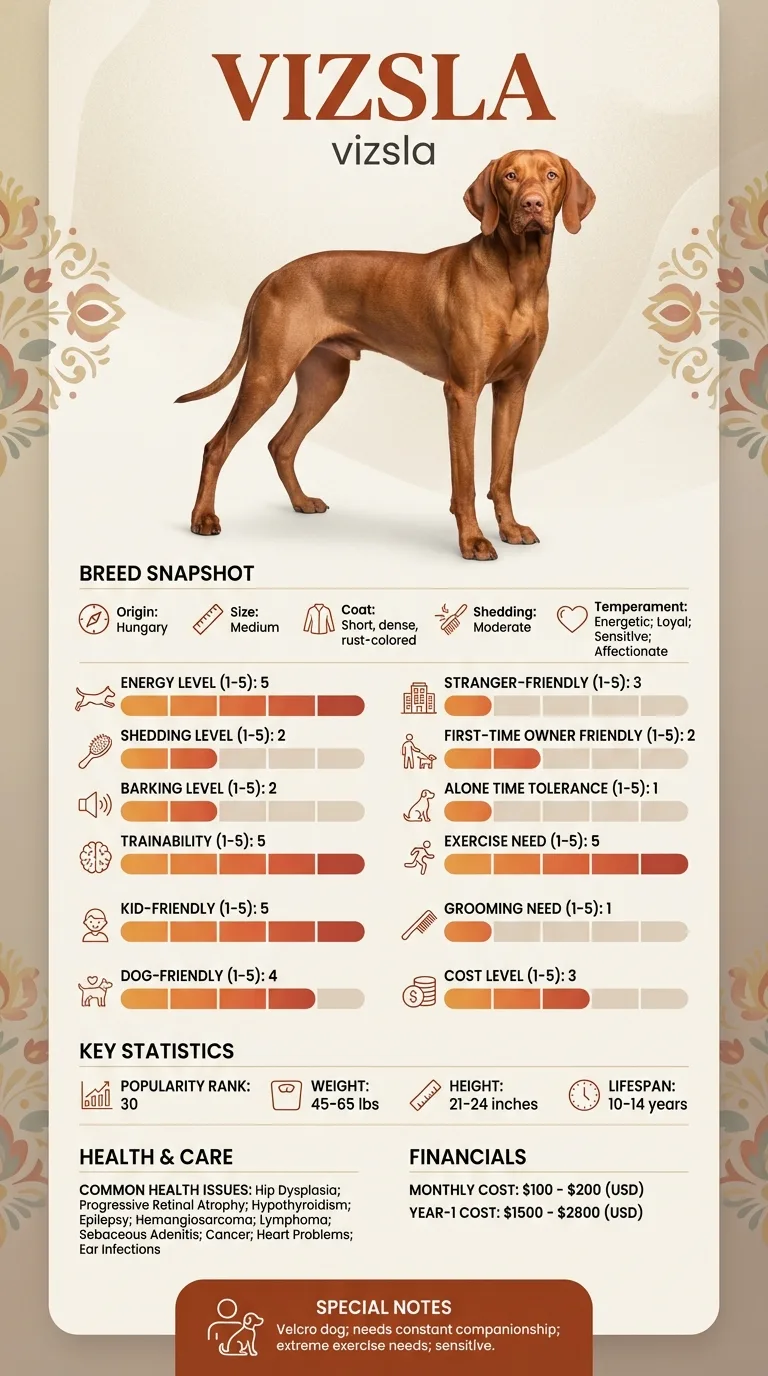
Owners of Vizslas may find themselves facing this challenge, especially if they are first-time pet parents or are not familiar with the breed's specific health issues.
This guide is not medical advice. If your dog shows pain, sudden behavior change, or worsening symptoms, consult a licensed veterinarian.
Some links may be affiliate links. We may earn a commission at no extra cost to you. We only suggest products we believe are helpful for dog owners.
We research and check what we publish, but we do not warrant that any figure, date, price, or statement is accurate, complete, or current, and we accept no liability for any loss, cost, injury, or other harm arising from the use of this site. Use it as one reference among several. You remain responsible for your own decisions and for your dog's care - confirm anything that matters with a licensed veterinarian or another qualified professional before you act on it. Full disclaimer.
Check this first
Recognizing when Vizsla liver shunts become an emergency is crucial for your dog's health. Certain signs indicate that immediate veterinary attention is necessary. These include severe lethargy, continuous vomiting, seizures, or rapid breathing. If your Vizsla experiences any of these symptoms, contact your vet right away.
On the other hand, mild symptoms can usually be monitored at home. If your dog shows occasional lethargy, mild gastrointestinal upset, or slight behavioral changes, these may not require immediate action. Instead, create a plan with your vet to observe your dog's condition closely. Keep detailed notes of any changes in behavior or appetite, and schedule regular check-ups to ensure your Vizsla's health is on track.
If any of these apply, call your vet or an emergency clinic now. The rest of this page is for the cases that are not an emergency.
Vizsla liver shunts can cause serious health issues, impacting daily life significantly. This condition occurs when blood bypasses the liver due to abnormal blood vessels, leading to a buildup of toxins in the bloodstream. Symptoms may include poor growth, vomiting, lethargy, and behavioral changes, making it crucial for owners to be vigilant.
Liver shunts are relatively rare in Vizslas, but they do occur. Awareness of this condition is essential, as it can affect a small percentage of the breed. Early detection and management can greatly improve prognosis.
Vizslas may be more prone to liver shunts due to genetic factors. These shunts can occur when blood vessels bypass the liver, leading to potential health issues. Certain inherited traits in this breed can increase the likelihood of developing these conditions.
Environmental factors such as poor diet, exposure to toxins, or lack of regular veterinary care can also contribute to liver shunts. Stressful living situations or inadequate exercise may worsen these issues. Ensuring a healthy environment can mitigate the risks.
If you notice symptoms like excessive thirst, vomiting, or unusual behavior, consult your vet immediately. Regular check-ups are crucial for early detection of liver shunts. If you suspect your dog has a liver issue, do not hesitate to seek professional advice.
Understanding how to manage Vizsla liver shunts is crucial. However, many owners unintentionally reinforce the problem or delay improvement. Here are some common mistakes to avoid.
Start here: Vizsla Most Common Genetic Disorders: What to Screen For
See all Vizsla health problems, which breeds are prone to liver shunts, or the full Vizsla breed guide for temperament, exercise needs and ownership costs.
Managing Vizsla liver shunts typically takes several months of consistent care and monitoring. Expect to see gradual improvements as you implement changes in diet and medication.
Success means your Vizsla is stable, with reduced symptoms and better overall health. You should notice increased energy levels and a happier demeanor.
Maggie, a dedicated owner from Texas, noticed her Vizsla, Max, was unusually lethargic and had difficulty gaining weight. After consulting her vet, she learned that Max had liver shunts, a serious condition affecting his portal vein. With the vet's guidance, she adjusted Max's diet to include high-quality, easily digestible foods and started a medication regimen. Over the next few months, Maggie closely monitored Max's health, keeping a journal of his progress. With regular vet check-ups and a lot of patience, Max slowly regained his energy and began to thrive once again.
Key takeaway: With the right care and commitment, you can help your Vizsla live a healthier life, even with liver shunts.
Signs of liver shunts in a Vizsla can include poor growth, vomiting, confusion, and excessive drinking or urination. If you notice any of these symptoms, it's important to consult a veterinarian for a proper diagnosis.
Symptoms of liver shunts in Vizslas may include poor growth, vomiting, lethargy, and neurological issues. If you notice these signs, consult your vet for a thorough evaluation.
While you can't prevent congenital liver shunts, you can manage the condition with proper veterinary care. This may include medication, dietary changes, and in some cases, surgery.
Treatment for Vizsla liver shunts typically involves surgery to correct the blood flow issue. Your vet may also recommend a specialized diet to reduce the liver's workload.
Training won’t directly fix liver shunts, but it can help with managing your dog's behavior and well-being. Focus on providing a calm environment and gentle exercise.
The long-term outlook for Vizslas with liver shunts varies. Many dogs can live healthy lives with proper treatment, but some may experience complications.
Yes, liver shunts can be treated in older Vizslas, but the approach may vary based on their overall health. Surgical options are often more effective in younger dogs, while medication and dietary changes may be recommended for older pets.
Liver shunts can cause behavioral changes in Vizslas, such as lethargy or confusion due to toxins building up in the bloodstream. Monitoring your dog's behavior and consulting a vet can help manage these issues.
Yes, genetic testing for liver shunts in Vizslas is available and can help identify predisposed dogs. If you’re considering breeding, testing your dog can help prevent passing on this condition.
Supporting a Vizsla with liver shunts involves providing a low-protein diet and regular vet check-ups. It's also important to create a calm environment to reduce stress, which can worsen their condition.
Feed a low-protein, high-quality diet to reduce the liver's workload. Consult your vet for specific dietary recommendations.
Regular vet check-ups are essential, ideally every 6 to 12 months, to monitor your Vizsla's liver health and adjust treatment as necessary.
Yes, the discomfort and health issues associated with liver shunts can lead to anxiety. Providing a stable, loving environment can help reduce stress.
Certain supplements may support liver health, but always consult your vet before starting any new supplements.
Watch for vomiting, lethargy, and changes in behavior. If your Vizsla shows these signs, contact your vet immediately.
A one-page prep sheet for this condition: the signs, the questions to ask, what to get priced. Unlocks here.
You get: Vet visit prep sheet
No spam. One-click unsubscribe. See our privacy policy.
Preview page 1 before you decide.