Behavior
What are quick tips for managing Vizsla pancreatitis?
To manage Vizsla pancreatitis, maintain a low-fat diet, monitor their weight, and avoid high-fat treats. Regular vet check-ups are crucial to monitor their health.

Quick answer
What are quick tips for managing Vizsla pancreatitis?
To manage Vizsla pancreatitis, maintain a low-fat diet, monitor their weight, and avoid high-fat treats. Regular vet check-ups are crucial to monitor their health.
Vizsla pancreatitis is a serious condition that can affect your dog's health and happiness.
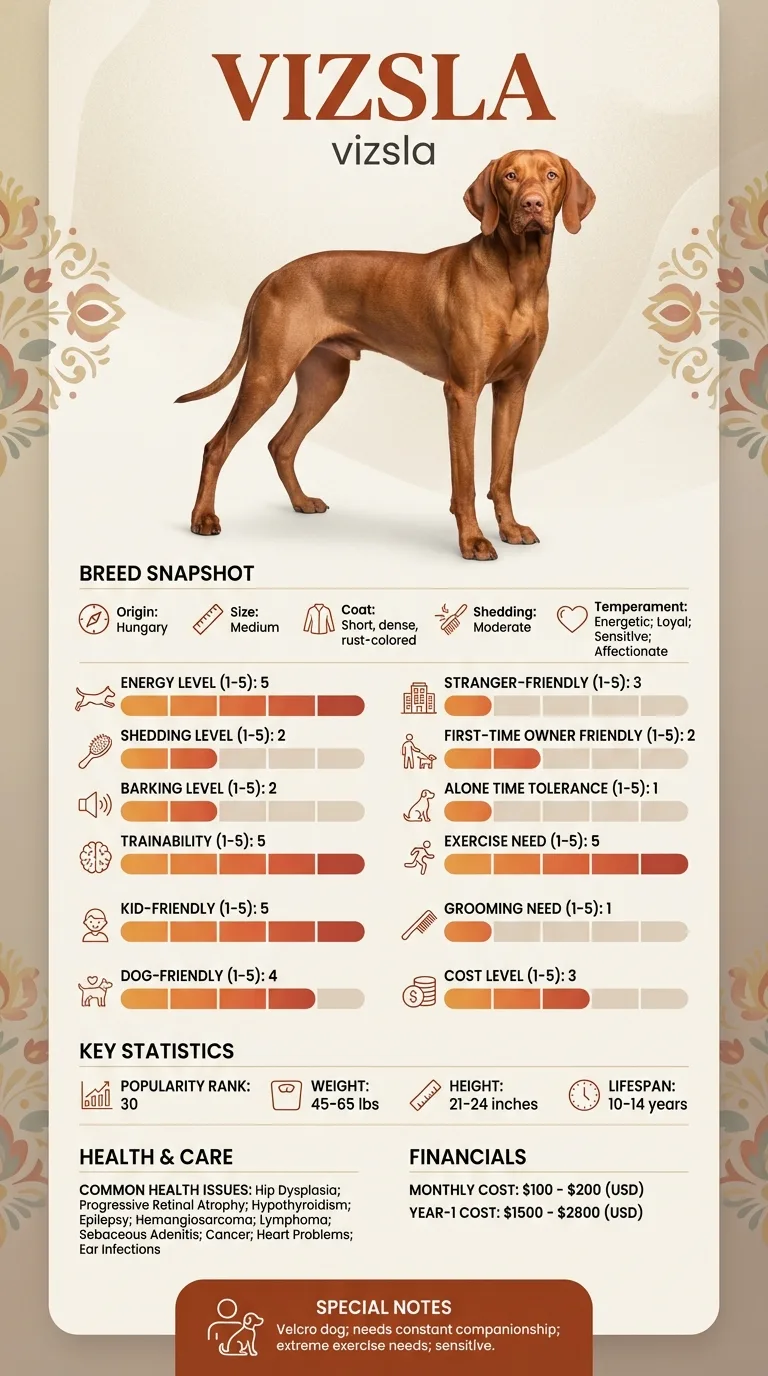
Many Vizsla owners, especially those new to the breed, may face challenges managing pancreatitis. These owners might be unaware of the dietary needs or symptoms of this condition, leading to confusion and concern.
This guide is not medical advice. If your dog shows pain, sudden behavior change, or worsening symptoms, consult a licensed veterinarian.
Some links may be affiliate links. We may earn a commission at no extra cost to you. We only suggest products we believe are helpful for dog owners.
We research and check what we publish, but we do not warrant that any figure, date, price, or statement is accurate, complete, or current, and we accept no liability for any loss, cost, injury, or other harm arising from the use of this site. Use it as one reference among several. You remain responsible for your own decisions and for your dog's care - confirm anything that matters with a licensed veterinarian or another qualified professional before you act on it. Full disclaimer.
Check this first
Knowing when your Vizsla's pancreatitis is an emergency can save their life. If you notice any of the following red-flag signs, you should call your vet immediately. These include severe vomiting, lethargy, unresponsiveness, abdominal pain when touched, or rapid breathing. If your dog displays these symptoms, it could indicate a serious condition requiring prompt medical attention.
On the other hand, mild cases of pancreatitis can sometimes be managed at home. If your Vizsla shows minor symptoms like decreased appetite, mild vomiting, or slight diarrhea, you can monitor them with a plan. Keep them hydrated, withhold food for 12-24 hours, and then introduce a bland diet gradually. Always consult your vet before making any decisions, especially if symptoms persist or worsen.
Remember, it's better to err on the side of caution. If you're unsure, reaching out to your veterinarian for guidance is always a good idea. Their expertise can help you determine the best course of action for your dog's health.
If any of these apply, call your vet or an emergency clinic now. The rest of this page is for the cases that are not an emergency.
Vizsla pancreatitis is a serious condition that affects the dog's pancreas, leading to inflammation. This can cause pain, vomiting, and loss of appetite. Owners may notice their Vizsla appearing lethargic or uncomfortable, especially after eating. Unfortunately, pancreatitis is not uncommon in this breed, often linked to dietary indiscretions or high-fat meals.
Pancreatitis is a fairly common issue for Vizslas, particularly due to their energetic nature and tendency to eat anything that smells good. Regular monitoring and proper diet can help mitigate the risks.
Vizslas can be predisposed to pancreatitis due to their energetic nature and dietary habits. Their high energy levels may lead to a ravenous appetite, sometimes resulting in overeating or consuming inappropriate foods. Additionally, their sensitivity to certain ingredients can make them more prone to digestive issues.
Environmental factors play a significant role in pancreatitis. Stressful situations, changes in diet, or sudden food changes can all trigger inflammation of the pancreas. Poor diet quality, especially high-fat foods, can also contribute to this condition.
If you notice symptoms like vomiting, diarrhea, or lethargy, it's crucial to talk to your vet immediately. They can provide guidance on managing pancreatitis and recommend appropriate dietary changes.
Certain behaviors can unintentionally exacerbate Vizsla pancreatitis. Here are common mistakes and safer alternatives.
Start here: Vizsla Most Common Genetic Disorders: What to Screen For
See all Vizsla health problems, which breeds are prone to pancreatitis, or the full Vizsla breed guide for temperament, exercise needs and ownership costs.
You can expect to see improvements in your Vizsla's condition within 4 to 8 weeks after implementing dietary changes and veterinary guidance.
Success means your Vizsla shows reduced symptoms, maintains a healthy weight, and has improved energy levels.
Maggie, a first-time Vizsla owner, noticed her dog, Max, was lethargic and frequently had upset stomachs. After a vet visit, she learned he had pancreatitis. With guidance from the vet, Maggie switched Max to a low-fat diet and scheduled regular check-ups. Over the next couple of months, Max's energy returned, and he became more playful. Maggie also learned how to manage Max's exercise needs and avoid triggers that could worsen his condition.
Key takeaway: With the right diet and veterinary support, managing Vizsla pancreatitis is possible, leading to a happier, healthier dog.
Vizslas can develop pancreatitis due to dietary indiscretion, obesity, or high-fat diets. Stress and certain medications may also trigger this condition. Always consult your vet for a proper diagnosis and tailored advice.
To stop Vizsla pancreatitis, monitor their diet closely. Feed a low-fat, high-quality dog food and avoid table scraps. Regular vet check-ups and weight management are essential to prevent flare-ups.
Symptoms of pancreatitis in Vizslas include vomiting, diarrhea, lethargy, and abdominal pain. If your dog shows these signs, it's crucial to see a vet immediately for proper treatment.
Yes, you can train a Vizsla with pancreatitis, but focus on low-impact activities. Avoid strenuous exercise until your vet approves. Positive reinforcement training works well for this breed.
During a pancreatitis episode, withhold food for 12-24 hours to allow the pancreas to rest. After that, introduce a bland diet gradually, and consult your vet for a specific recovery plan.
Yes, older Vizslas or those with a history of obesity are more prone to pancreatitis. Genetic factors and lifestyle also play a role. Regular vet visits can help manage their risk.
Pancreatitis can be serious and even life-threatening if not treated promptly. Early intervention and proper care can greatly improve your Vizsla's prognosis.
Early signs of pancreatitis in a Vizsla can include vomiting, abdominal pain, lethargy, and a decreased appetite. If you notice any of these symptoms, it's important to consult your vet promptly as early intervention can make a significant difference.
Yes, diet changes can play a crucial role in managing pancreatitis. A low-fat diet is often recommended, but always consult your veterinarian before making any dietary adjustments to ensure it's appropriate for your dog's specific condition.
While pancreatitis can occur at any age, older Vizslas may be more susceptible due to other health issues or changes in metabolism. Regular vet check-ups are essential to catch potential problems early in senior dogs.
If your Vizsla has a pancreatitis attack, immediate veterinary care is crucial. They may require hospitalization for IV fluids, pain management, and other supportive treatments to help them recover.
Preventing future pancreatitis episodes involves maintaining a consistent, low-fat diet, avoiding table scraps, and monitoring your Vizsla's weight. Regular vet check-ups and discussing any dietary changes with your vet can also help keep your dog healthy.
To manage Vizsla pancreatitis, maintain a low-fat diet, monitor their weight, and avoid high-fat treats. Regular vet check-ups are crucial to monitor their health.
After an episode, start with bland food and gradually reintroduce their regular diet. Ensure they stay hydrated and follow your vet's recovery plan closely.
Watch for signs like vomiting, diarrhea, and abdominal pain. If any symptoms appear, contact your vet immediately to prevent complications.
Training may need to be adjusted during recovery. Focus on gentle, short sessions and avoid high-energy activities until your vet gives the green light.
Treatment costs for pancreatitis can vary but generally range from $500 to $2,000 depending on severity and treatment methods. Always discuss costs with your vet.
A one-page prep sheet for this condition: the signs, the questions to ask, what to get priced. Unlocks here.
You get: Vet visit prep sheet
No spam. One-click unsubscribe. See our privacy policy.
Preview page 1 before you decide.
Early access list
The free prep sheet covers the same-day warning signs, a symptom log and the questions to ask. We are considering a fuller kit that adds a cost worksheet for the usual tests and treatments (US price ranges with their sources) and a plain-English guide to ways of covering the bill. It is not built yet; this list tells us whether it is worth building.
One email, no spam, unsubscribe anytime. Information only, not veterinary advice.