DogBreedCompass
← Back to breed profile

Vizsla Hip Dysplasia Prevalence: What You Need to Know

Vizsla hip dysplasia prevalence is a significant concern for many owners.

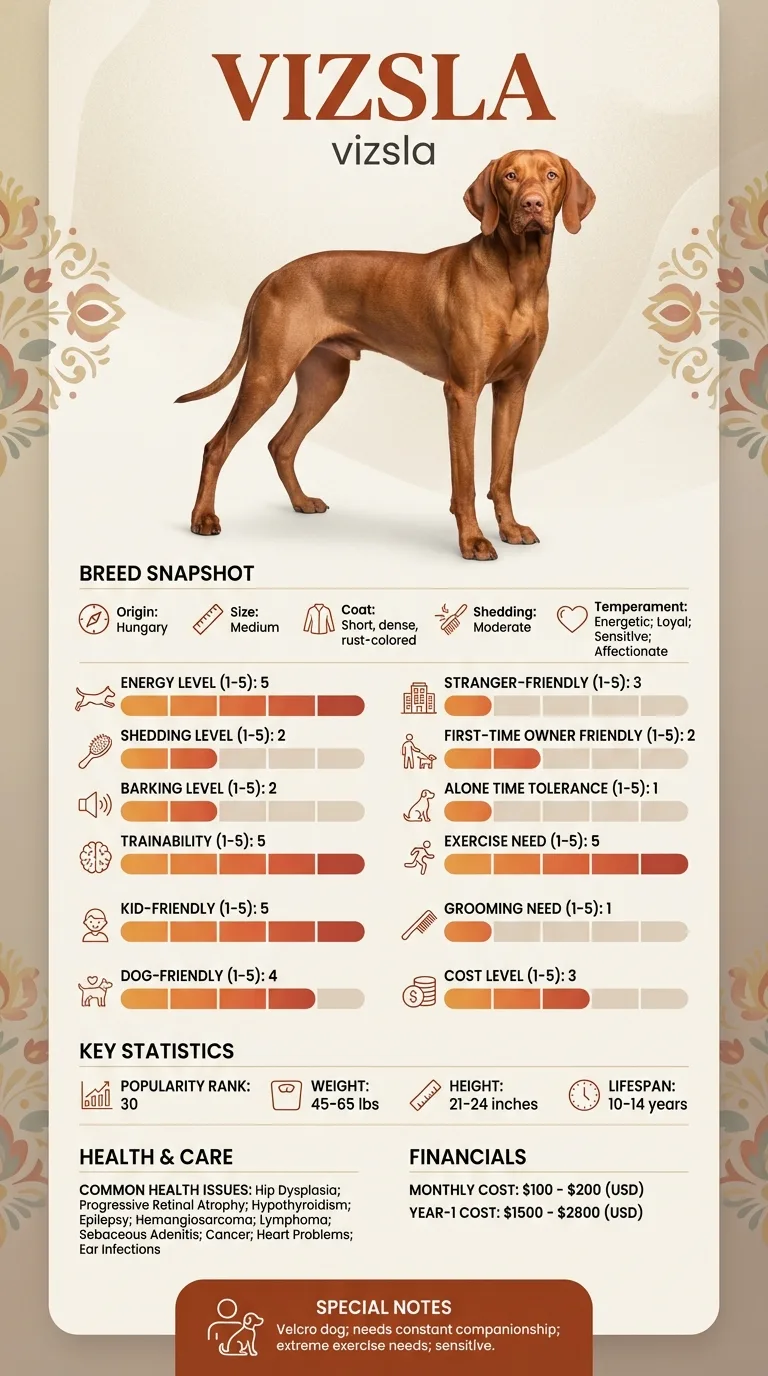
Vizsla Hip Dysplasia Prevalence: What You Need to Know infographic

Owners of Vizslas, especially first-time dog owners, often face challenges in managing this health issue. Busy families or individuals with active lifestyles may find it difficult to recognize symptoms and provide necessary care.

Important reminder

This guide is not medical advice. If your dog shows pain, sudden behavior change, or worsening symptoms, consult a licensed veterinarian.

Some links may be affiliate links. We may earn a commission at no extra cost to you. We only suggest products we believe are helpful for dog owners.

What this problem looks like

Vizsla hip dysplasia prevalence is a common concern among owners of this breed. This issue manifests in various ways, such as difficulty getting up, limping, or reluctance to play. These symptoms can significantly affect a Vizsla's quality of life, especially since they thrive on physical activity.

Common triggers

  • Genetic predisposition from breeding
  • Obesity, which puts extra strain on joints
  • Inadequate exercise during growth phases
  • Rapid growth in puppies

Hip dysplasia is fairly common in Vizslas, especially among those with a family history of the condition. Studies show that around 20-30% of Vizslas may experience hip dysplasia to some degree. Regular vet check-ups and responsible breeding can help mitigate this risk.

Why this happens

Breed factors

Vizslas are medium-sized dogs known for their high energy and athleticism. However, they are also genetically predisposed to hip dysplasia, a condition where the hip joint doesn’t fit into the hip socket properly. This genetic factor is common among many breeds, making it crucial for potential owners to consider their lineage.

Environment factors

The environment plays a significant role in the prevalence of hip dysplasia. Factors such as excessive weight, lack of exercise, and poor nutrition can exacerbate the condition. Additionally, improper training methods or insufficient socialization can lead to behavioral issues, which might affect their overall health.

What you can try

At-home strategies

  • Maintain a healthy weight for your Vizsla by measuring their food portions and providing a balanced diet. Consult with your vet for specific feeding guidelines.
  • Engage your Vizsla in regular, low-impact exercise. Activities like swimming or walking on soft surfaces can help strengthen their muscles without putting too much strain on the joints.
  • Incorporate joint supplements into their diet, like glucosamine and chondroitin, after consulting with your veterinarian. These can help support joint health.

When to consider a trainer

If your Vizsla struggles with behavior issues stemming from hip dysplasia, such as anxiety or aggression, it may be time to consult a professional trainer. Look for someone who specializes in positive reinforcement methods, which can help your dog feel more secure and less stressed.

When to talk to your vet

If you notice any signs of pain, limping, or difficulty getting up, it's essential to consult your veterinarian immediately. They can provide a thorough examination and recommend a treatment plan tailored to your Vizsla's needs.

Realistic expectations

You may start to see improvement in your Vizsla's hip health within 3 to 6 months of implementing a structured exercise and training routine.

Success means your Vizsla moves more comfortably and actively engages in daily activities without showing signs of pain or discomfort.

Mistakes that make this worse – Vizsla hip dysplasia prevalence

When dealing with Vizsla hip dysplasia prevalence, certain common behaviors can unintentionally worsen the issue. Here are some mistakes to avoid, along with better alternatives.

  • Ignoring Weight Management: Allowing your Vizsla to become overweight can put extra pressure on their hips. Instead, monitor their diet and ensure they get regular exercise to maintain a healthy weight.
  • Skipping Regular Vet Check-ups: Failing to have regular check-ups can lead to missed early signs of hip dysplasia. Schedule annual vet visits to keep track of your dog's hip health.
  • Over-exercising: While Vizslas are energetic, too much high-impact exercise can exacerbate hip problems. Opt for low-impact activities like swimming or gentle walks instead.
  • Neglecting Training: Inconsistent training can lead to stress and anxiety in your Vizsla, making hip issues worse. Focus on positive reinforcement training to help your dog feel secure.
  • Not Using Supportive Gear: Forcing your Vizsla to jump or climb stairs without any support can worsen their hip condition. Consider using ramps or supportive harnesses to make mobility easier.
  • Disregarding Pain Signals: If your Vizsla shows signs of pain or discomfort, don't ignore it. Consult your vet to adjust their care and treatment plan.

When Vizsla Hip Dysplasia is an Emergency

Understanding when Vizsla hip dysplasia becomes an emergency is crucial for your pet's well-being. Some signs indicate an urgent need for veterinary attention, while others can be monitored with a plan. Recognizing these signs can help you act quickly and avoid further complications.

Vizsla Hip Dysplasia Prevalence: What You Need to Know - When Vizsla Hip Dysplasia is an Emergency

Red-Flag Signs to Call Your Vet Now

If your Vizsla shows any of these red-flag signs, contact your vet immediately: - Sudden inability to use one or more legs. - Severe pain when moving or being touched. - Noticeable swelling around the hip area. - Whimpering or signs of distress. - Rapid breathing or lethargy. - Loss of appetite or vomiting.

Vizsla Hip Dysplasia Prevalence: What You Need to Know - Red-Flag Signs to Call Your Vet Now
  • Sudden inability to use one or more legs
  • Severe pain when moving or being touched
  • Noticeable swelling around the hip area
  • Whimpering or signs of distress
  • Rapid breathing or lethargy
  • Loss of appetite or vomiting

Mild Cases to Monitor

In some situations, you can monitor your Vizsla at home. Watch for these signs and develop a management plan: - Mild limping after exercise. - Occasional difficulty getting up after resting. - Slight stiffness in the joints. - Reduced activity during warm weather. - Changes in mood or behavior without severe distress.

Vizsla Hip Dysplasia Prevalence: What You Need to Know - Mild Cases to Monitor
  • Mild limping after exercise
  • Occasional difficulty getting up after resting
  • Slight stiffness in the joints
  • Reduced activity during warm weather
  • Changes in mood or behavior without severe distress

Megan and Max: Overcoming Hip Dysplasia Challenges

Megan, a first-time dog owner, noticed her Vizsla, Max, was hesitant to jump and play like other dogs. After a vet visit confirmed hip dysplasia, she felt overwhelmed. With advice from her vet, Megan created a tailored exercise plan focusing on low-impact activities. Over the next few months, she gradually increased Max's activity level while incorporating joint supplements. Soon, he was running and playing with joy, and their bond grew stronger through the shared journey of overcoming this challenge.

Key takeaway: With the right support and a tailored approach, managing Vizsla hip dysplasia can lead to a happier, more active dog.

Frequently asked questions

Why does my Vizsla have hip dysplasia prevalence?

Hip dysplasia prevalence in Vizslas can result from genetic factors, poor nutrition, or rapid growth during puppyhood. It's essential to check the health history of the pup's parents for any hereditary conditions. Regular vet check-ups can help monitor and manage your dog's hip health.

How can I stop Vizsla hip dysplasia prevalence?

To help prevent hip dysplasia, ensure your Vizsla maintains a healthy weight and gets balanced nutrition. Regular exercise is crucial, but avoid high-impact activities until they are fully grown. Consult your vet for a tailored exercise and diet plan.

What are the symptoms of hip dysplasia in a Vizsla?

Symptoms of hip dysplasia in Vizslas can include limping, difficulty getting up, or reluctance to play. You may also notice decreased activity or a waddle when they walk. If you see these signs, it's essential to visit your vet for an evaluation.

What treatments are available for hip dysplasia in Vizslas?

Treatment options for hip dysplasia can range from lifestyle modifications and weight management to medications for pain relief. In severe cases, surgical options may be considered. Always discuss the best treatment plan with your veterinarian.

Can training help with Vizsla hip dysplasia prevalence?

While training won't eliminate hip dysplasia, it can help manage behaviors resulting from discomfort. Gentle, low-impact activities like obedience training can keep your Vizsla engaged without stressing their joints. Consult a trainer experienced with hip dysplasia.

What are the signs of hip dysplasia in my Vizsla?

Common signs of hip dysplasia in Vizslas include difficulty getting up, reluctance to run or jump, and a noticeable limp. You might also notice that your dog struggles with stairs or shows signs of pain when you touch their hips.

At what age can I expect to see symptoms of hip dysplasia in my Vizsla?

Symptoms of hip dysplasia can appear as early as 4 to 6 months of age, but some dogs may not show signs until they are older. Regular veterinary check-ups can help catch issues early on.

How can I manage my Vizsla's hip dysplasia at home?

Managing hip dysplasia at home includes providing a comfortable bed, maintaining a healthy weight, and incorporating low-impact exercises. Consider physical therapy or supplements recommended by your vet to support joint health.

Is hip dysplasia hereditary in Vizslas?

Yes, hip dysplasia is often hereditary, especially in breeds like Vizslas. It's essential to choose a responsible breeder who tests for hip dysplasia in their breeding dogs to reduce the risk in future litters.

When should I consult a vet about my Vizsla's hip dysplasia prevalence?

If you notice any signs of discomfort or mobility issues in your Vizsla, it's time to consult your vet. They can provide a proper diagnosis and recommend treatment options tailored to your dog's needs.

Quick answers

View more answers
Behavior

What are some quick tips for Vizsla hip dysplasia prevalence?

Keep your Vizsla at a healthy weight and provide joint supplements if recommended by your vet. Regular, low-impact exercise can help maintain muscle tone without stressing the hips.

Health

How often should I take my Vizsla to the vet for hip dysplasia concerns?

It's best to have your Vizsla checked at least once a year, especially if they show any signs of discomfort. Early detection can make a significant difference in management.

Costs

Are there costs associated with treating Vizsla hip dysplasia prevalence?

Yes, costs can vary widely based on treatment options. Expect to spend anywhere from a few hundred to several thousand dollars depending on the severity and type of treatment needed.

Training

Should I avoid certain activities with my Vizsla to manage hip dysplasia?

Yes, avoid high-impact activities like running or jumping, especially on hard surfaces. Instead, opt for gentle walks and swimming to keep them active without undue stress.

Related DogBreedCompass guides

  • Vizsla behavior problemsUnderstanding the common health issues in Vizslas can help you anticipate and manage hip dysplasia.
  • Vizsla hip dysplasia prevalence trainingTraining can play a significant role in managing the effects of hip dysplasia.
  • Hip dysplasia overviewLearn more about hip dysplasia and how it affects various breeds, including Vizslas.
  • Vizsla exercise requirementsExplore how exercise needs can impact hip health and overall well-being for your Vizsla.
  • Vizsla separation anxiety guideFind out how to help your Vizsla cope with separation anxiety, which can be linked to health issues.

Related guides