Health
What are quick tips for managing Vizsla most common genetic disorders?
Choose a responsible breeder, keep up with vet check-ups, and maintain a healthy diet for your Vizsla.

Quick answer
What are quick tips for managing Vizsla most common genetic disorders?
Choose a responsible breeder, keep up with vet check-ups, and maintain a healthy diet for your Vizsla.
The Vizsla is a loving and energetic breed, but they can be prone to certain genetic disorders. Understanding these issues is crucial for their health and well-being.
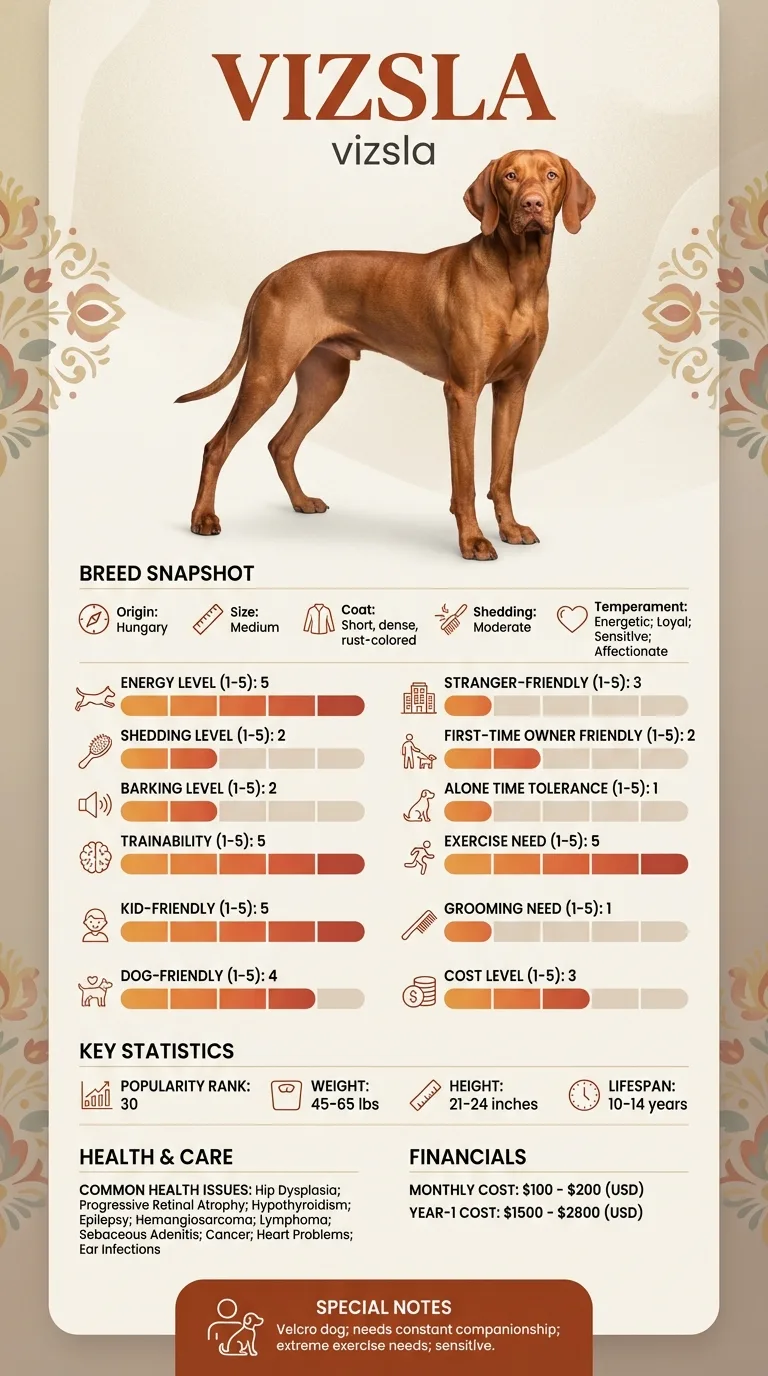
First-time dog owners or busy families may find it challenging to navigate the complexities of health issues in Vizslas. If you live in an apartment or have limited time for exercise, these genetic concerns can feel overwhelming. It's vital to stay informed and proactive about your Vizsla's health.
This guide is not medical advice. If your dog shows pain, sudden behavior change, or worsening symptoms, consult a licensed veterinarian.
Some links may be affiliate links. We may earn a commission at no extra cost to you. We only suggest products we believe are helpful for dog owners.
We research and check what we publish, but we do not warrant that any figure, date, price, or statement is accurate, complete, or current, and we accept no liability for any loss, cost, injury, or other harm arising from the use of this site. Use it as one reference among several. You remain responsible for your own decisions and for your dog's care - confirm anything that matters with a licensed veterinarian or another qualified professional before you act on it. Full disclaimer.
Check this first
Red-flag signs that mean you should contact your vet right away include: - Sudden lethargy or inability to stand - Excessive bleeding or signs of pain - Difficulty breathing or severe coughing - Vomiting or diarrhea that lasts more than 24 hours - Seizures or sudden behavioral changes.
In these situations, it’s better to err on the side of caution. These symptoms could indicate serious conditions like hip dysplasia or heart problems common in Vizslas.
On the other hand, mild cases can often be monitored at home. If your Vizsla shows signs like a slight cough, mild fatigue, or occasional ear scratching, you may be able to wait and observe. In these cases, keeping a close eye on your dog’s behavior and maintaining a health log can help you notice any changes.
If symptoms persist or worsen, make sure to consult your vet. Always trust your instincts—if you feel something is wrong, it’s best to seek professional advice. Keeping a checklist of potential symptoms can help you make informed decisions about your dog's health. This way, you can ensure your Vizsla stays happy and healthy, whether through quick action or careful observation.
If any of these apply, call your vet or an emergency clinic now. The rest of this page is for the cases that are not an emergency.
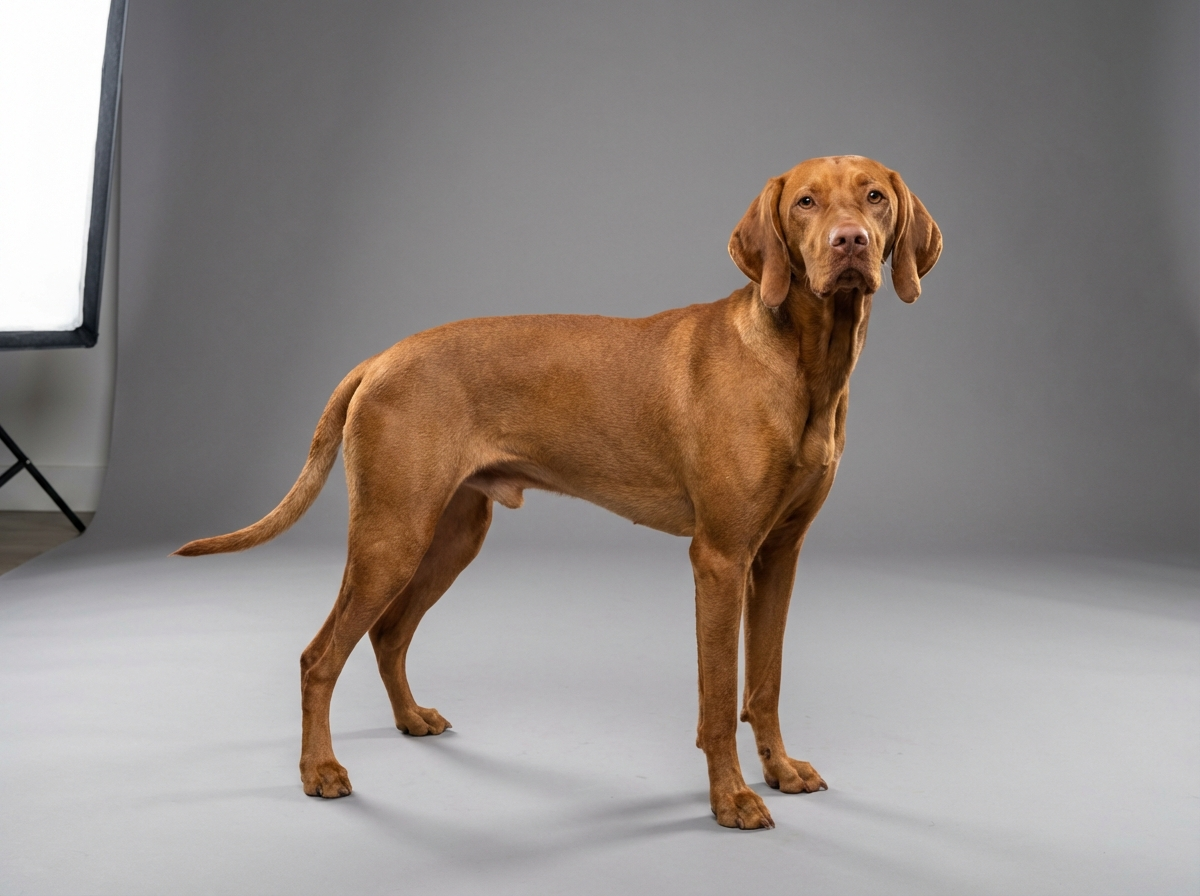
Vizslas are an affectionate and energetic breed, but they can be prone to several genetic disorders. Common issues include hip dysplasia, progressive retinal atrophy, and hypothyroidism. These disorders can lead to significant day-to-day challenges, affecting both the dog’s quality of life and the owner's peace of mind.
Genetic disorders are fairly common among Vizslas due to their breeding history. It's essential for owners to be aware of these issues and seek regular veterinary care to mitigate risks.
Vizslas are prone to certain genetic disorders due to their purebred nature. Common issues include hip dysplasia and progressive retinal atrophy. These inherited traits can be exacerbated by poor breeding practices.
Environmental factors can also contribute to genetic disorders. For example, a lack of proper nutrition or exercise can worsen existing conditions. Stressful living situations, like a noisy environment, may impact their health as well.
If you notice persistent symptoms such as limping, excessive thirst, or changes in behavior, consult your vet. Early intervention can help manage genetic disorders effectively before they worsen.
Avoiding these common mistakes can help reduce the impact of Vizsla most common genetic disorders.
See all Vizsla health problems, which breeds are prone to most common genetic disorders, or the full Vizsla breed guide for temperament, exercise needs and ownership costs.
With proper care and regular vet visits, you can expect to manage your Vizsla's genetic disorders effectively within 6 to 12 months.
Success means having a well-managed health plan that minimizes symptoms, maintains your dog's quality of life, and allows them to enjoy their daily activities.
Sarah, a busy nurse in Chicago, adopted Max, her energetic Vizsla, only to discover he had hip dysplasia. Initially overwhelmed, she learned about his condition and created a tailored exercise and diet plan with her vet. Over several months, Max's symptoms improved significantly, allowing him to run and play without discomfort. Sarah found joy in their daily walks and even began to take Max to agility classes, strengthening their bond.
Key takeaway: Understanding your dog's genetic predispositions and working closely with your vet can significantly enhance their quality of life.
The Vizsla breed is prone to several genetic disorders, including hip dysplasia, progressive retinal atrophy, and hypothyroidism. Regular vet check-ups and genetic screenings can help identify potential issues early.
Genetic disorders in Vizslas often stem from their breeding practices. As a purebred breed, they may inherit health issues from their lineage, which is why responsible breeding is essential.
While you can't completely prevent genetic disorders, you can minimize risks by selecting a reputable breeder who screens for these conditions. Regular vet visits and a healthy lifestyle can also help maintain your Vizsla's overall well-being.
If your Vizsla displays symptoms like limping or vision problems, consult a veterinarian immediately. Early diagnosis can lead to more effective treatment options.
Training can help manage some behaviors linked to genetic disorders. Implementing positive reinforcement techniques will help your Vizsla stay engaged and mentally stimulated, which can be beneficial for their health.
Yes, a balanced diet can support your Vizsla's health and potentially reduce the manifestation of genetic disorders. Consult your vet for dietary recommendations tailored to your Vizsla's specific needs.
Treatment costs for genetic disorders in Vizslas can vary widely. Expect to spend anywhere from $100 to $200 monthly for ongoing care, depending on the condition and its severity.
Common signs can include limping, difficulty seeing, or unusual behavior. Keep an eye out for changes in energy levels or appetite, as these can indicate health issues. Early detection can make a significant difference in treatment.
Yes, genetics play a major role in a Vizsla's health. Breeding practices can influence the likelihood of genetic disorders, so it's essential to choose a reputable breeder who tests for common health issues. This can help reduce the risk for your new puppy.
Older Vizslas may need specialized care, including a tailored diet and a gentle exercise routine. Regular vet check-ups are crucial to monitor any health changes. Consider using supplements that support joint and heart health, as advised by your vet.
If your Vizsla shows persistent signs of discomfort, changes in behavior, or symptoms like excessive barking or lethargy, it's best to consult a vet. Early intervention can often prevent more serious issues from developing.
While training cannot cure genetic disorders, it can improve behavior and reduce anxiety. A well-trained Vizsla is often more manageable and can adapt better to their conditions. Focus on positive reinforcement techniques and consult a trainer experienced with the breed.
Choose a responsible breeder, keep up with vet check-ups, and maintain a healthy diet for your Vizsla.
Look for signs like limping, weight changes, or unusual behavior. Consult your vet for any concerns.
You should budget around $100 to $200 per month for treatment and care.
Low-impact exercises like swimming or gentle walks can be beneficial. Avoid strenuous activities that may worsen conditions.
Aim for at least once a year for healthy Vizslas, or more frequently if your dog has existing health concerns.
A one-page prep sheet for this condition: the signs, the questions to ask, what to get priced. Unlocks here.
You get: Vet visit prep sheet
No spam. One-click unsubscribe. See our privacy policy.
Preview page 1 before you decide.