Health
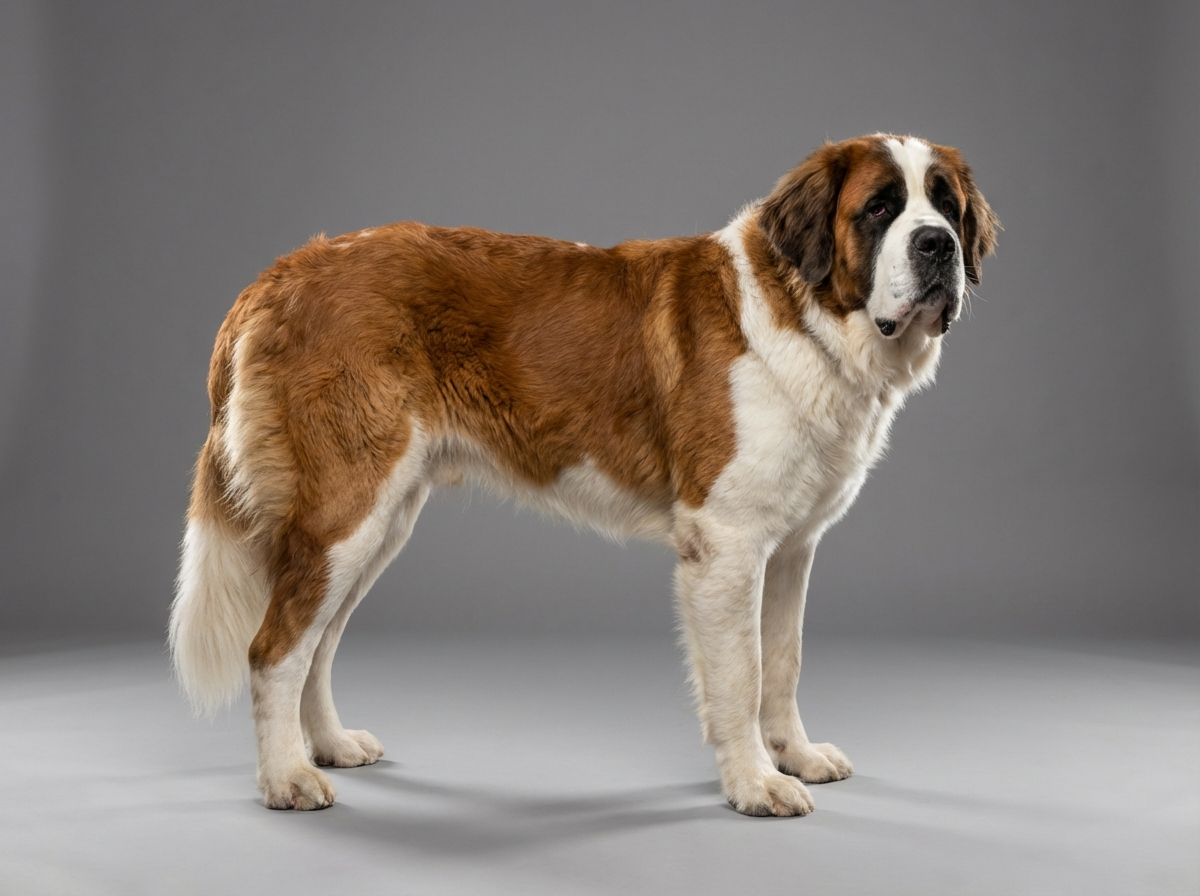
Is comedo syndrome common in Saint Bernards?
No, it's rare outside its namesake breed and an atypical diagnosis for a Saint Bernard.

Quick answer
Is comedo syndrome common in Saint Bernards?
No, it's rare outside its namesake breed and an atypical diagnosis for a Saint Bernard.
If a Saint Bernard is showing small bumps along its back, this specific named syndrome is far less likely than several more common skin conditions this breed already carries real documented risk for.
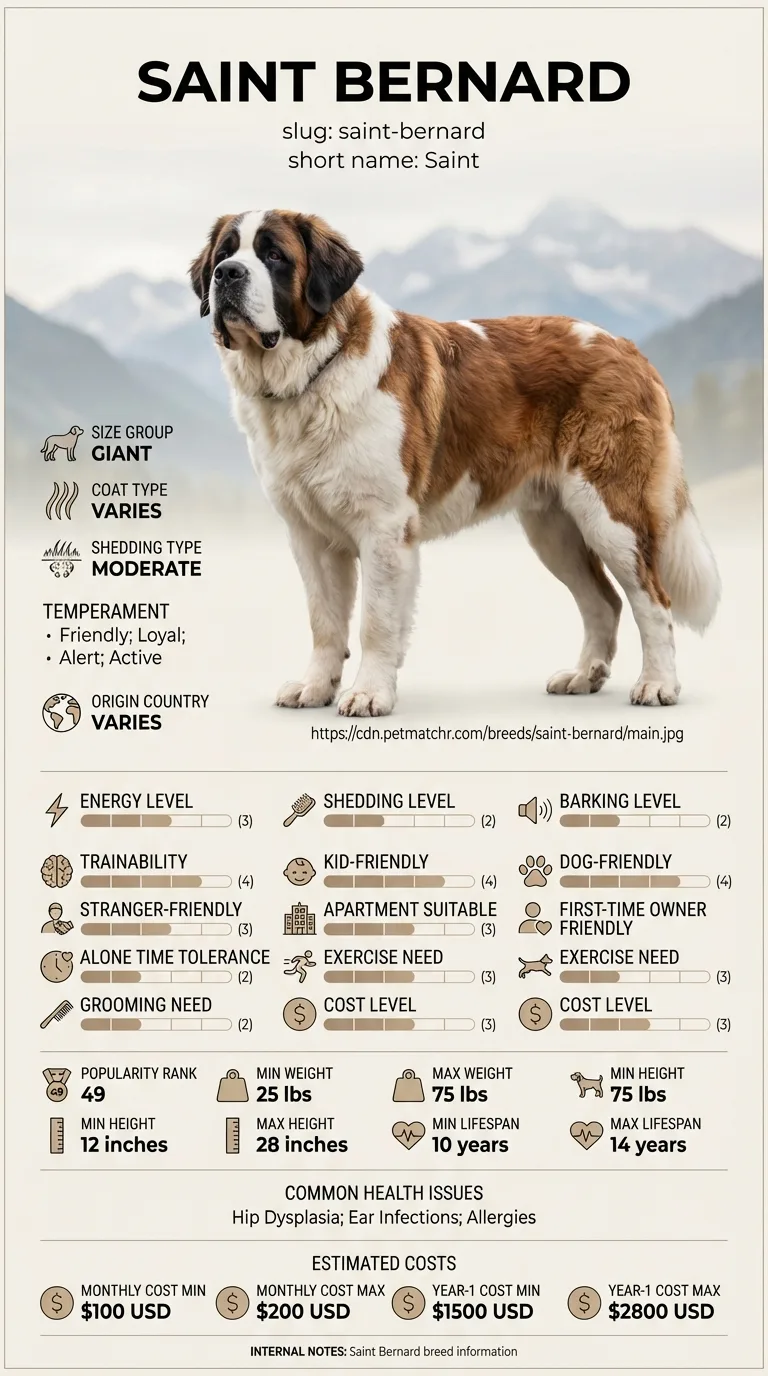
This mostly comes up for owners who've noticed small bumps or blackhead-like spots on their dog's skin and found this specific condition through an internet search, without realizing how strongly it's tied to one particular breed.
This guide is not medical advice. If your dog shows pain, sudden behavior change, or worsening symptoms, consult a licensed veterinarian.
Some links may be affiliate links. We may earn a commission at no extra cost to you. We only suggest products we believe are helpful for dog owners.
Check this first
Isolated skin bumps, comedones or otherwise, are rarely an emergency on their own. However, widespread redness, swelling, discharge, or a dog that seems uncomfortable, is running a fever, or is excessively licking or chewing at the area warrants a prompt vet visit, since these suggest a secondary infection that could worsen without treatment.
Small, stable, non-painful bumps that aren't growing, changing color dramatically, or bothering the dog can usually be evaluated at a routine appointment rather than urgently, giving time for proper diagnosis through exam and possibly a skin scraping or biopsy.
For a Saint Bernard specifically, the more useful emergency-planning question isn't about this rare named syndrome at all, it's making sure any new, persistent skin change gets a proper diagnosis, since the far more common skin issues in this breed, allergic skin disease and facial fold infections, both have their own more time-sensitive considerations worth understanding.
If any of these apply, call your vet or an emergency clinic now. The rest of this page is for the cases that are not an emergency.
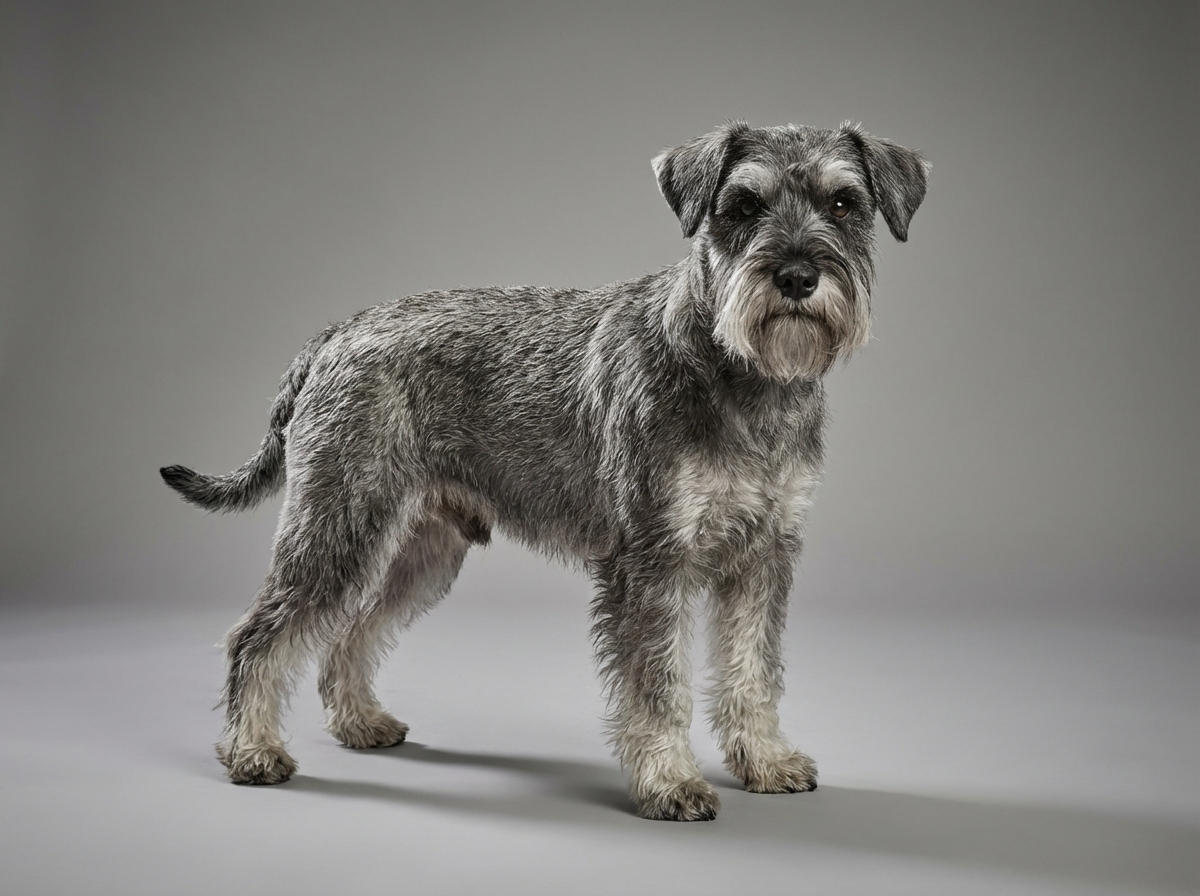
Schnauzer comedo syndrome is a skin condition where hair follicles plug with keratin and oil, forming small blackhead-like bumps, most classically along the back. It's overwhelmingly documented in its namesake breed, making it an atypical, rare finding in a Saint Bernard, where similar-looking skin bumps are far more often explained by more common conditions like skin allergies or bacterial skin infections that this breed does carry documented risk for.
True comedo syndrome is rare outside its namesake breed, and a Saint Bernard showing skin bumps is statistically far more likely to have a different, more commonly documented skin condition in this breed.
The follicular and keratin production patterns associated with comedo syndrome are best documented in its namesake breed, and there isn't strong evidence that Saint Bernards carry a meaningful predisposition to this specific condition, unlike their well-documented risk for skin allergies and fold-related infections tied to their coat type and loose skin.
Because this condition is rare and not established as breed-typical in Saint Bernards, specific environmental drivers for this exact syndrome in the breed aren't well documented; environmental factors more relevant to this breed's actual common skin issues include moisture trapped in skin folds and allergen exposure.
Talk to your vet about any new or persistent skin bumps so an accurate diagnosis can be reached through exam and testing. Widespread redness, swelling, discharge, fever, or a dog that seems uncomfortable and is excessively licking or chewing at the area warrant a prompt vet visit.
Because this condition is genuinely rare outside its namesake breed, the mistakes here mostly involve chasing the wrong diagnosis.
See all Saint Bernard health problems, which breeds are prone to schnauzer comedo syndrome, or the full Saint Bernard breed guide for temperament, exercise needs and ownership costs.
Getting an accurate diagnosis through a vet exam and appropriate testing typically happens within a single visit or a short follow-up period, and treatment for whatever the actual underlying condition turns out to be usually shows improvement within a few weeks.
Success means reaching an accurate diagnosis first, since a Saint Bernard's skin bumps are far more likely to reflect a common, well-documented breed issue than this specific rare named syndrome, and treatment should target what's actually happening.
If you think your Saint has schnauzer comedo syndrome, the plan is three steps: write down what you have seen and when it started, book a veterinary appointment rather than waiting for the next flare, and take video of the behaviour or symptom before you go — the thing you are worried about rarely happens in the consulting room. Screening in the parents covers hip dysplasia, elbow dysplasia, dilated cardiomyopathy.
What the vet visit should produce is a diagnosis and a written plan, not just reassurance: what is being ruled out, what the monitoring interval is, and which signs mean you come back sooner. Ask what the treatment costs across a year rather than per visit, because that is the number that decides whether you are managing this condition or reacting to it.
Between appointments, keep a short log — dates, what you saw, what changed. It is the single most useful thing an owner brings to a follow-up, and for schnauzer comedo syndrome it is often what separates a clear pattern from a guess.
Dana noticed small bumps along her Saint Bernard Milo's back and wondered, after some online research, whether it could be comedo syndrome. Her vet explained the condition is rare outside its namesake breed and ran a skin scraping instead, which identified a mild bacterial folliculitis related to Milo's underlying skin allergies. Milo started a course of medicated shampoo and a broader allergy management plan, and the bumps cleared up within a few weeks. Dana's vet noted that ongoing allergy management would likely prevent recurrence better than treating the bumps as an isolated issue.
Key takeaway: Getting a proper skin test rather than assuming the rare named syndrome applied led Dana to the real underlying cause, allergic skin disease, which is a far more common and directly relevant diagnosis for this breed.
It's a skin condition where hair follicles become plugged with keratin and oil, forming small blackhead-like bumps, most classically along the back and neck, and it's named for the breed in which it's most commonly documented.
No, it's rare outside of its namesake breed. A Saint Bernard showing similar-looking bumps is more likely to have a different, more common skin condition, and a vet exam is the best way to tell them apart.
Small, firm, blackhead-like bumps typically appearing along the back, sometimes becoming irritated or infected if bacteria colonize the plugged follicles.
A vet exam combined with a skin scraping or cytology test can identify plugged follicles and rule out other causes of similar-looking bumps, like folliculitis or other skin conditions.
Skin allergies, bacterial or yeast skin infections, and irritation in facial or body folds are all more commonly documented skin issues in this breed than comedo syndrome specifically.
Treatment typically involves medicated shampoos or topical treatments to help clear plugged follicles, and antibiotics if a secondary bacterial infection has developed.
It's worth a vet visit to get an accurate diagnosis, since several conditions can look similar, but there's no reason to assume the rare, breed-specific syndrome applies without confirmation.
No, it's rare outside its namesake breed and an atypical diagnosis for a Saint Bernard.
Small, blackhead-like bumps typically forming along the back from plugged hair follicles.
Skin allergies or bacterial infections are far more common explanations in Saint Bernards.
A vet exam and skin scraping or cytology test can distinguish it from other, more common skin conditions.
Medicated shampoos or topical treatments, plus antibiotics if there's a secondary infection.
A one-page prep sheet for this condition: the signs, the questions to ask, what to get priced. Unlocks here.
You get: Vet visit prep sheet
No spam. One-click unsubscribe. See our privacy policy.
Preview page 1 before you decide.