Costs
Saint Bernard cost in Honolulu
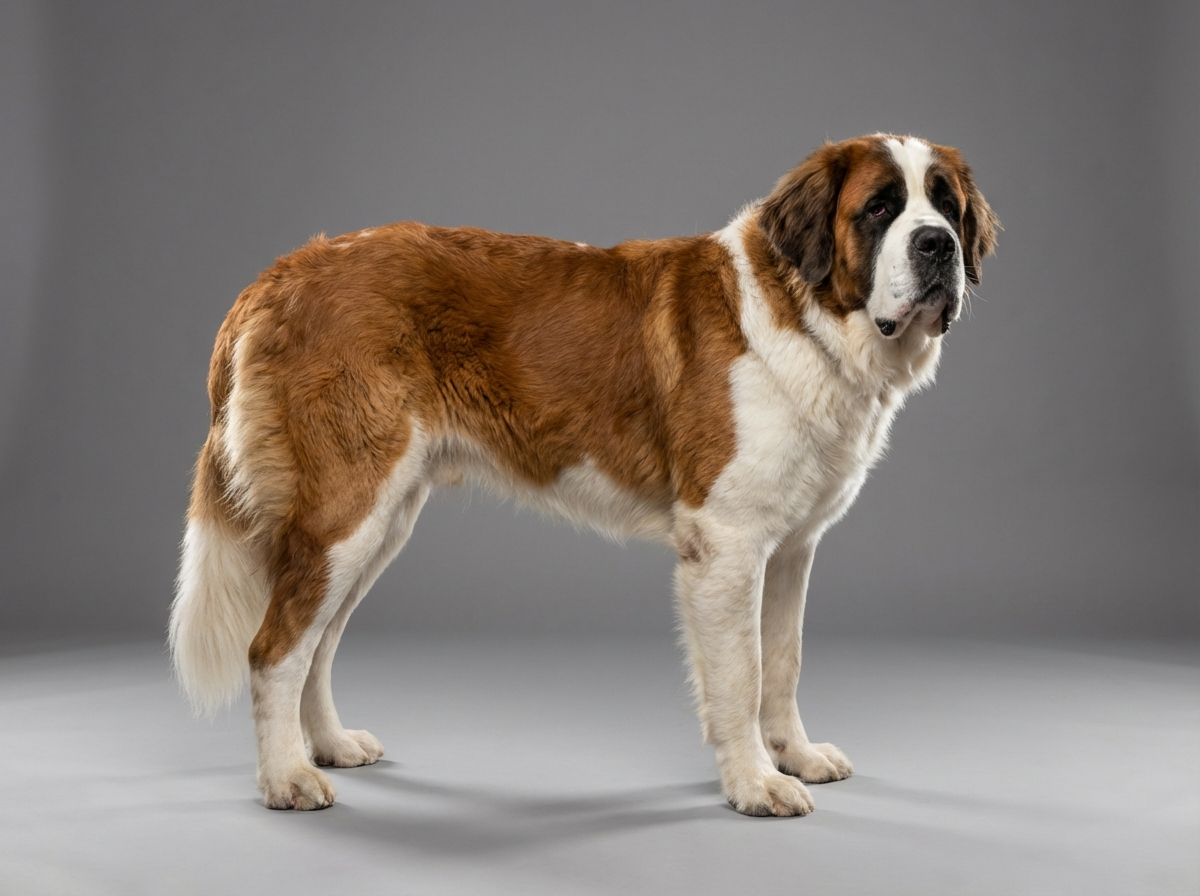
About $233–$481/month and $3,410–$6,510 for year one — the highest on this list, before counting a mainland relocation that for a giant breed means cargo shipment plus Hawaii's import protocol.

See Saint Bernard price across all cities →
Quick answer
Saint Bernard cost in Honolulu
About $233–$481/month and $3,410–$6,510 for year one — the highest on this list, before counting a mainland relocation that for a giant breed means cargo shipment plus Hawaii's import protocol.
A Saint Bernard in Honolulu costs about $233 to $481 a month, with the first year near $3,410 to $6,510 — the highest range anywhere on this list, since Hawaii's cost of living sits well above every mainland market covered here. Before any of that applies, though, there is a one-time bill most guides never mention: getting the dog to the island in the first place. For a 120-to-180-pound animal, that is one of the most expensive relocations in the pet-transport business.
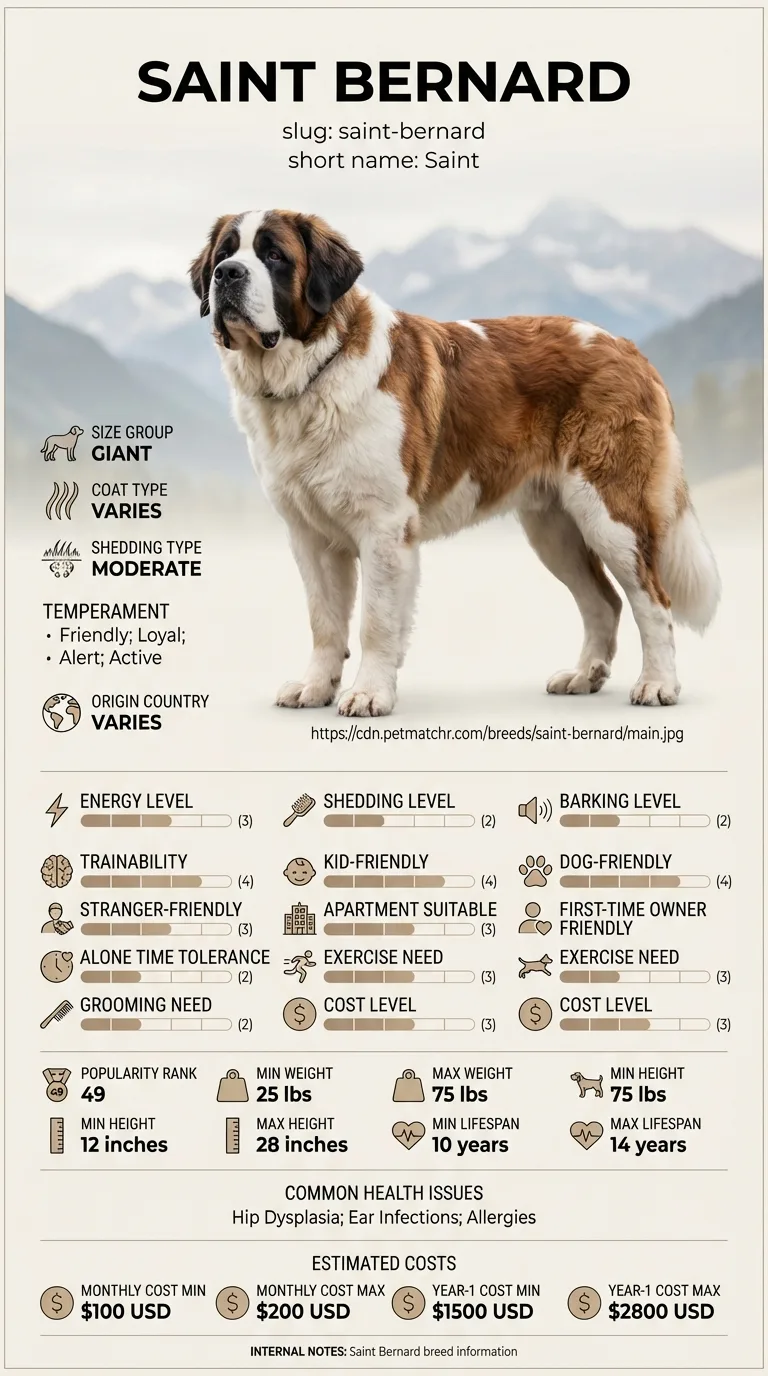
Once the dog is here, the documented conditions to plan for are Hip Dysplasia, Elbow Dysplasia, Dilated Cardiomyopathy, Entropion and Bloat (GDV). Every one of those costs more in Honolulu than anywhere else on this list, and the island's twelve-month climate keeps parasite prevention running at this breed's top dosing weight all year.
Honolulu carries the highest ongoing figures on this list, and for an arriving dog the largest single expense is a one-time transport and compliance bill that does not appear in any monthly average.
Estimate · source: estimation · confidence: medium · updated 2026-09-06 · not a quote
| Item | Cost range |
|---|---|
One-time setup (giant crate, bed, first exam, spay/neuter) Island pricing on both hardware and surgery, and separate from any mainland relocation and import compliance costs. | $806 - $1395 |
| Item | Cost range |
|---|---|
Food (giant-breed volume at island prices) Everything arrives by sea, and the quantity is set by an animal that may reach 180 pounds. This is the largest recurring line by a wide margin. | $112 - $198 |
Parasite prevention (twelve-month tropical season) A full year of dosing at the highest weight bracket, with no seasonal break of the kind mainland cities get. | $50 - $90 |
Each range starts from a national baseline for this breed's size class and is then adjusted for local cost of living and veterinary pricing. The baselines, and the source each one came from, are listed on our sources page (dataset 2026.09). Two inputs, the purchase price and the emergency reserve, have no published national figure we could verify, so we leave them to you rather than invent them.
These are planning estimates, not quotes. Your own numbers will move with the individual dog, your vet and your insurer. Build a budget with your own figures.
Honolulu is the market where self-funding a giant-breed emergency is hardest, because every input costs more here than anywhere else on this list.
Enrol early and enrol properly. An island market with the highest service pricing covered here is exactly where an uninsured surgical case does the most damage to a household budget.
Only an owner with a genuinely substantial liquid reserve should consider carrying this exposure without cover in this market.
The relocation is where the largest avoidable money sits. After that, the savings come from managing climate and buying food in a way the supply chain supports.
Plan the move months before the flight, not weeks. The blood titre test carries a waiting period before the dog is eligible for direct airport release, and that period is the item that most often forces a change of plans. Getting the paperwork exactly right is the difference between collecting your dog at the airport and paying for quarantine.
The cargo side is where the breed matters. Airlines size and price animal shipments by the crate, and this dog needs the largest crate category they will handle, at the maximum end of the weight schedule. Not every carrier accepts giant-breed cargo on every route, and some suspend live-animal transport during hot months for the animals' safety, which narrows the calendar further.
The honest summary is that a Saint Bernard is among the most difficult and expensive dogs to bring to Hawaii, and that owners already living here who acquire a puppy locally sidestep the entire problem.
This is a heavy double-coated breed developed for cold mountain work. Honolulu is warm and humid every month of the year. That does not make ownership impossible — plenty of thick-coated dogs live well in the tropics — but it does make air conditioning, shade and time-of-day discipline non-negotiable rather than optional.
Helpfully, the breed's exercise requirement is rated 2 out of 5, which is low. An animal that is content with two short, unhurried outings is far easier to keep safe in a warm climate than one that needs an hour of hard running. Early morning and after dark, with the rest of the day spent inside on a cool floor, is a complete and comfortable routine for this dog.
Everything else carries the island premium. Food arrives by sea, veterinary and boarding services price above every mainland market on this list, and prevention runs a full twelve months at the highest dosing tier the products offer.

A family relocating to Oahu began arranging their Saint Bernard's paperwork six weeks before the flight and discovered the blood titre waiting period would not be satisfied in time for direct airport release. Their options were a delayed flight for the dog or paid quarantine on arrival. They delayed, boarded him on the mainland with relatives for a month, and flew him over afterwards as cargo. The whole episode cost more than the airfare for two people.
Key takeaway: For Honolulu, the biggest number in a giant breed's first year is often the arrival. Start the compliance clock long before you book anything.
About $233–$481, the highest range on this list, reflecting Hawaii's cost of living and the island's twelve-month prevention season.
Roughly $3,410–$6,510 for ongoing costs plus setup — and that is before any relocation cost if the dog is arriving from the mainland.
Hawaii is rabies-free and requires microchipping, rabies vaccination history, a blood titre test with a mandated waiting period, and advance documentation. Done correctly, the dog can be released at the airport rather than quarantined.
A dog this size cannot fly in a cabin. It travels as manifest cargo in the largest crate airlines accept, priced on combined weight and dimensions, and not every carrier takes giant-breed cargo year-round.
With discipline, yes. Air conditioning, shade and walking at dawn and after dark are essential rather than optional, and the breed's low 2-out-of-5 exercise need makes that routine easy to sustain.
Around $1,900, the largest figure on this list, reflecting island service pricing applied to a giant-breed patient.
About $233–$481/month and $3,410–$6,510 for year one — the highest on this list, before counting a mainland relocation that for a giant breed means cargo shipment plus Hawaii's import protocol.
This guide is not medical advice. If your dog shows pain, sudden behavior change, or worsening symptoms, consult a licensed veterinarian.
Some links may be affiliate links. We may earn a commission at no extra cost to you. We only suggest products we believe are helpful for dog owners.
We research and check what we publish, but we do not warrant that any figure, date, price, or statement is accurate, complete, or current, and we accept no liability for any loss, cost, injury, or other harm arising from the use of this site. Use it as one reference among several. You remain responsible for your own decisions and for your dog's care - confirm anything that matters with a licensed veterinarian or another qualified professional before you act on it. Full disclaimer.
One sheet with every line item, the emergency fund and when insurance pays off - unlocks on this page.
You get: 12-month budget sheet
No spam. One-click unsubscribe. See our privacy policy.
Preview page 1 before you decide.