Health
What determines patellar luxation treatment?
The specific grade (I through IV) and whether the dog shows lameness are what determine whether surgery is recommended.

Quick answer
What determines patellar luxation treatment?
The specific grade (I through IV) and whether the dog shows lameness are what determine whether surgery is recommended.
Two dogs can both carry the same diagnosis, patellar luxation, and need completely different treatment plans depending on where their case falls on the grading scale and whether it's tangled up with another orthopedic issue.
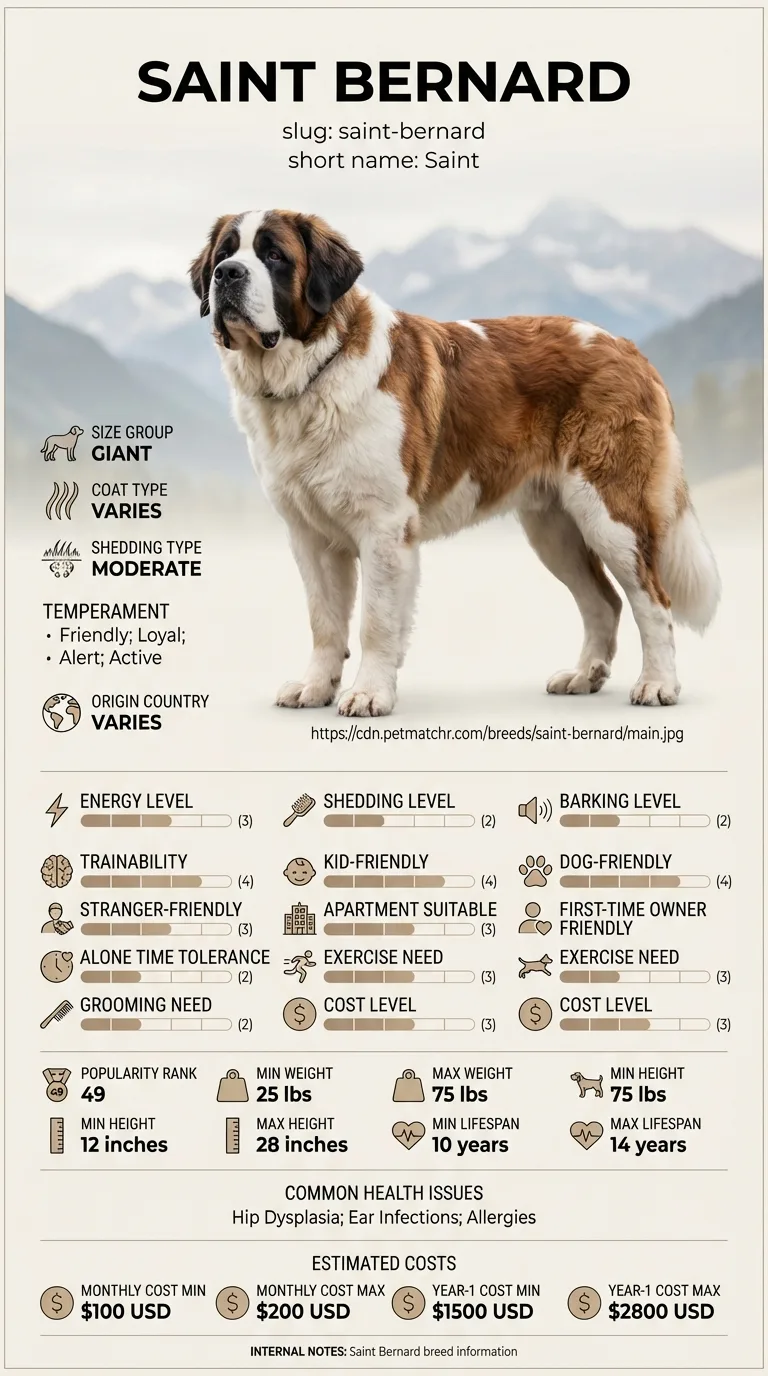
This matters most to owners who've already had a luxation confirmed and now need to make a real decision about surgery, timing, and recovery, rather than owners just starting to notice a gait quirk.
This guide is not medical advice. If your dog shows pain, sudden behavior change, or worsening symptoms, consult a licensed veterinarian.
Some links may be affiliate links. We may earn a commission at no extra cost to you. We only suggest products we believe are helpful for dog owners.
We research and check what we publish, but we do not warrant that any figure, date, price, or statement is accurate, complete, or current, and we accept no liability for any loss, cost, injury, or other harm arising from the use of this site. Use it as one reference among several. You remain responsible for your own decisions and for your dog's care - confirm anything that matters with a licensed veterinarian or another qualified professional before you act on it. Full disclaimer.
Check this first
Patellar luxation itself is rarely an emergency, but a sudden, severe increase in lameness, a leg held completely off the ground with obvious pain, or a kneecap that becomes stuck out of place and won't reduce on its own should be seen by a vet promptly, since these can indicate a more serious grade or an additional injury like a torn ligament.
Most cases progress at a manageable pace: an intermittent skip that becomes gradually more frequent, or a kneecap that starts staying out of place slightly longer each time before resetting. This is appointment territory, where imaging and a grading exam guide next steps, rather than an emergency situation.
After surgery, the emergency-versus-routine distinction shifts to recovery: sudden severe swelling, a wound that opens or discharges, or a complete refusal to bear any weight during the recovery period are signs to call the surgeon promptly, while some swelling and mild reluctance to use the leg fully is a more typical part of the expected healing process.
If any of these apply, call your vet or an emergency clinic now. The rest of this page is for the cases that are not an emergency.
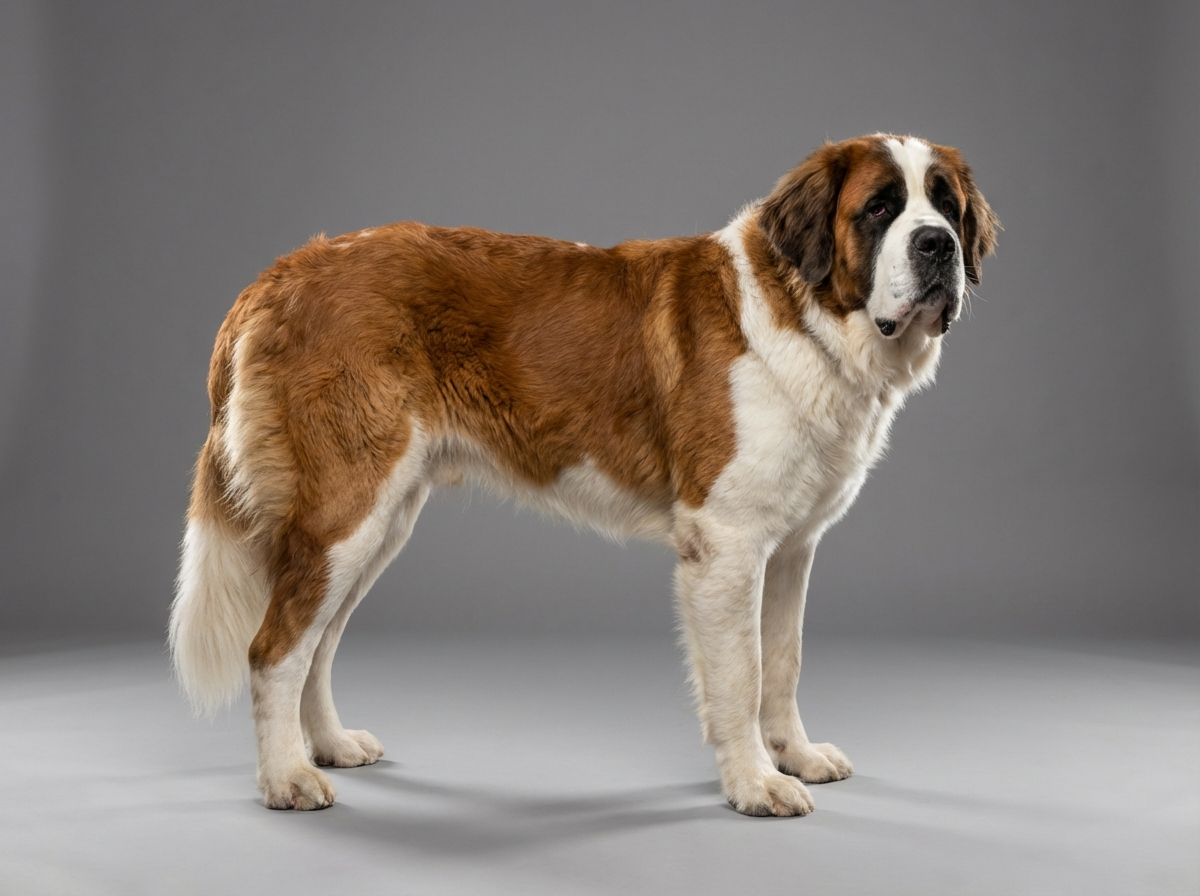
Patellar luxation treatment decisions hinge on the specific grade, I through IV, that a vet assigns after a physical exam, since the same underlying diagnosis can range from an incidental finding needing no treatment to a significant structural problem requiring surgical correction. In a giant breed like the Saint Bernard, luxation sometimes appears alongside other orthopedic conditions, which adds another layer to the treatment decision beyond the grade alone.
Patellar luxation is diagnosed across a range of severities in giant breeds, and while lower grades are relatively more common as incidental findings, higher grades requiring surgical intervention are a real and meaningful consideration for owners managing this diagnosis.
In giant breeds, higher-grade patellar luxation is often connected to broader limb conformation issues, sometimes alongside hip dysplasia or general growth-related joint laxity, rather than existing as a fully isolated condition the way it more often does in small breeds. This means the treatment plan sometimes needs to address more than just the kneecap alone.
Excess body weight and high-impact activity both accelerate wear on an already unstable joint, and untreated progression over time increases the odds that secondary arthritis develops, which is a key reason vets weigh surgical timing carefully once a higher grade is confirmed.
Talk to your vet about grading and treatment options once a luxating patella is confirmed, and follow up promptly if lameness increases or the kneecap seems to stay displaced longer than before. A leg held completely off the ground with obvious pain, or a kneecap stuck out of place, needs prompt evaluation.
Once a diagnosis is confirmed, a few decisions specifically around grading and surgery timing tend to go wrong.
See all Saint Bernard health problems, which breeds are prone to patellar luxation, or the full Saint Bernard breed guide for temperament, exercise needs and ownership costs.
Grading and treatment decisions are typically made within a single vet visit or a short follow-up period, and surgical recovery generally spans six to eight weeks of restricted activity before a full return to normal exercise.
Success means a stable, properly tracking kneecap after treatment, whether that's simple monitoring for a mild case or a successful surgical correction with full rehabilitation for a more severe one, resulting in a comfortable, low-lameness gait long-term.
Ahmed's Saint Bernard, Kodiak, was diagnosed with a grade III luxating patella at eighteen months old, with a noticeable limp that didn't resolve with rest. Given the grade and persistent lameness, Ahmed's vet referred him to a board-certified surgeon for a giant-breed-specific surgical approach. Kodiak's surgery addressed both the kneecap tracking and some mild concurrent looseness in the joint. After eight weeks of restricted activity and structured rehabilitation, Kodiak returned to normal exercise with a stable gait and no recurrence over the following year.
Key takeaway: Getting the specific grade and a specialist opinion, rather than treating the diagnosis generically, is what led Ahmed to the surgical approach that actually addressed Kodiak's full orthopedic picture.
Vets use a grade I to IV scale: grade I means the kneecap can be manually luxated but returns to place on its own, while grade IV means the kneecap is permanently displaced and can't be manually repositioned. Higher grades generally mean more significant lameness and structural involvement.
Not necessarily. Grade I cases without lameness are sometimes monitored without surgery, while grade II cases are evaluated based on symptoms. Grade III and IV cases, along with any grade causing persistent lameness, typically benefit most from surgical correction.
Surgical options vary depending on the specific anatomical issue but commonly include deepening the groove the kneecap sits in, realigning the tendon attachment, and tightening soft tissue on the side the kneecap slips toward.
Most dogs need six to eight weeks of restricted activity and structured rehabilitation after surgery, with a gradual return to normal exercise guided by the surgeon's recommendations.
Recurrence is possible, particularly in more severe cases or larger dogs, which is part of why following post-surgical activity restrictions and any recommended rehabilitation closely matters for long-term success.
Yes, an unstable or improperly tracking kneecap causes abnormal wear on the joint over time, and untreated higher-grade luxation is associated with a higher risk of secondary arthritis developing.
Surgical correction represents a significant orthopedic expense, generally comparable to other joint surgeries in a large dog, and costs can be higher if referral to a specialist surgeon is needed for a complex case.
The specific grade (I through IV) and whether the dog shows lameness are what determine whether surgery is recommended.
Not always, mild grade I cases without lameness are sometimes simply monitored rather than operated on.
Typically six to eight weeks of restricted activity and structured rehabilitation.
Yes, untreated higher-grade luxation causes abnormal joint wear that can lead to arthritis over time.
Yes, it's a significant orthopedic surgical expense, similar to other major joint procedures.
A one-page prep sheet for this condition: the signs, the questions to ask, what to get priced. Unlocks here.
You get: Vet visit prep sheet
No spam. One-click unsubscribe. See our privacy policy.
Preview page 1 before you decide.