Behavior
What is Miniature Schnauzer patellar luxation?
It's a condition where the kneecap dislocates, causing pain and mobility issues.

Quick answer
What is Miniature Schnauzer patellar luxation?
It's a condition where the kneecap dislocates, causing pain and mobility issues.
Miniature Schnauzer patellar luxation is a common issue where the kneecap dislocates from its normal position. This can lead to pain and mobility issues for your dog.
Owners of Miniature Schnauzers, particularly those who notice their pets limping or showing signs of discomfort, often face this challenge. First-time dog owners may feel overwhelmed, not knowing how to help their furry friends.
This guide is not medical advice. If your dog shows pain, sudden behavior change, or worsening symptoms, consult a licensed veterinarian.
Some links may be affiliate links. We may earn a commission at no extra cost to you. We only suggest products we believe are helpful for dog owners.
We research and check what we publish, but we do not warrant that any figure, date, price, or statement is accurate, complete, or current, and we accept no liability for any loss, cost, injury, or other harm arising from the use of this site. Use it as one reference among several. You remain responsible for your own decisions and for your dog's care - confirm anything that matters with a licensed veterinarian or another qualified professional before you act on it. Full disclaimer.
Check this first
Recognizing when Miniature Schnauzer patellar luxation becomes an emergency is crucial. If your dog suddenly cannot use their leg, is in severe pain, or is excessively whining, these are red flags that need immediate attention. Other signs to watch for include swelling around the knee, a noticeable limp, or if your dog is unable to extend their leg straight.
In less severe cases, you may notice your Mini Schnauzer occasionally limping after exercise or when jumping. If this happens, monitor the situation for a few days. You can try to limit their activity and ensure they are on a soft surface when resting. If they are still limping after a week, it’s time to consult your vet.
Always err on the side of caution. If your dog's condition worsens or if you have any doubts about their well-being, don't hesitate to reach out to a veterinarian. They can provide the best guidance tailored to your Miniature Schnauzer's specific needs.
If any of these apply, call your vet or an emergency clinic now. The rest of this page is for the cases that are not an emergency.
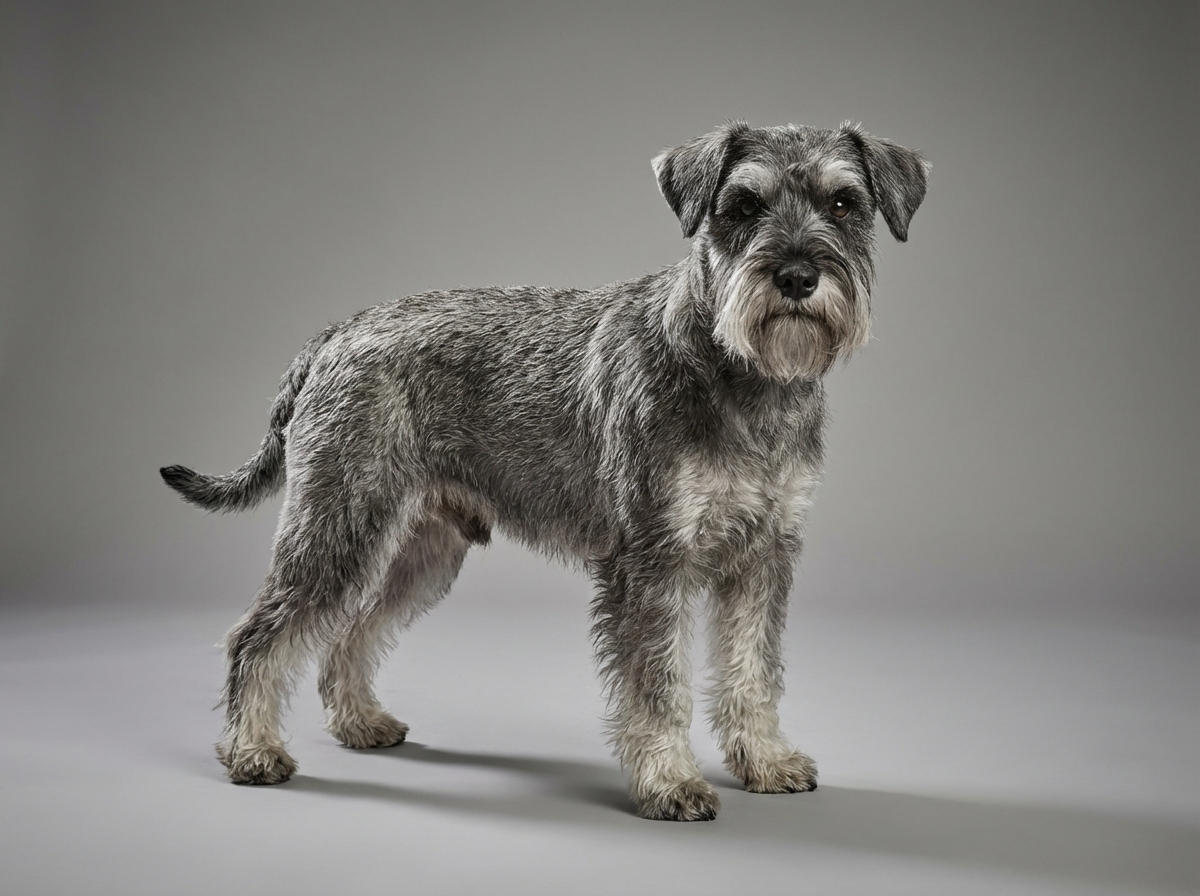
Miniature Schnauzers are prone to patellar luxation, which is when the kneecap slips out of place. This condition can cause discomfort and lead to mobility issues if not addressed. Owners often notice their dog limping or favoring a leg, especially after exercise or playtime.
Patellar luxation is relatively common in Miniature Schnauzers, with estimates suggesting that around 20% may experience this issue during their lifetime. Early diagnosis and proper care can help manage the condition effectively.
Miniature Schnauzers, like many small breeds, are prone to patellar luxation due to their anatomy. Their small size can lead to weaker ligaments and a shallow groove in the thigh bone, making dislocation more likely. Genetic factors also play a role, so if your Mini Schnauzer has a family history of this issue, they're at higher risk.
Environmental factors can contribute as well. Excessive jumping or rough play on hard surfaces can increase the risk of dislocation. Additionally, being overweight puts extra strain on their joints, making it easier for the kneecap to slip out of place.
Consult your vet if you notice swelling, limping, or if your dog is reluctant to use one of their legs. These could be signs of a more serious issue. If your Mini Schnauzer has recurring patellar luxation, your vet may recommend further treatment options, including surgery.
Avoiding these common mistakes can help manage Miniature Schnauzer patellar luxation more effectively.
Start here: Miniature Schnauzer Most Common Genetic Disorders: Screening
See all Miniature Schnauzer health problems, which breeds are prone to patellar luxation, or the full Miniature Schnauzer breed guide for temperament, exercise needs and ownership costs.
With consistent care and follow-up with your vet, you can expect to see improvements in your Miniature Schnauzer's patellar luxation symptoms within 4 to 6 weeks.
Success means your dog can walk and play without pain or discomfort, showing increased mobility and a happier demeanor.
Sam, a busy nurse living in a small apartment, noticed his Miniature Schnauzer, Bella, limping during their daily walks. After a vet visit, he learned that Bella had patellar luxation. Sam felt overwhelmed but decided to follow a training regimen focusing on strength-building exercises and weight management. He also adjusted Bella's playtime to avoid any rough activities that could worsen her condition. Gradually, Bella regained her confidence and reduced her limping. Sam was relieved to see her running around the apartment again, full of energy.
Key takeaway: Patellar luxation can be managed effectively with proper training and care, leading to a happier, healthier dog.
Miniature Schnauzers can develop patellar luxation due to genetic factors or physical traits, such as their small size. This condition occurs when the kneecap dislocates from its normal position, often causing pain or difficulty in movement. Regular vet check-ups can help catch this issue early.
Look for signs like limping, difficulty jumping, or a noticeable shift in their gait. If your Miniature Schnauzer seems reluctant to walk or plays less than usual, it may be time to consult your vet. Early detection is key to managing this condition effectively.
Treatment can range from physical therapy and weight management to surgery in severe cases. Your vet will assess the severity of the luxation and recommend the best course of action. Regular exercise can also help strengthen the muscles around the knee.
Maintaining a healthy weight and providing regular, low-impact exercise is crucial. Avoid high-impact activities that could strain their knees. Additionally, using joint supplements may support their overall joint health.
Yes, patellar luxation is often hereditary, especially in small breeds like the Miniature Schnauzer. If you are considering breeding, ensure both parents are screened for this condition to reduce the risk in offspring.
Training can aid in managing patellar luxation by encouraging gentle movement and proper posture. Focus on low-impact activities and avoid jumping or running on hard surfaces. Consult a professional trainer for tailored exercises.
Create a safe environment by minimizing slippery surfaces and providing soft bedding. Monitor their activity level and adjust their routine based on their comfort. Regular vet visits are essential for ongoing management and adjustments.
Yes, older Miniature Schnauzers may experience more severe symptoms of patellar luxation due to age-related wear on their joints. They may also have a harder time recovering from episodes. Regular vet check-ups can help manage this condition in senior dogs.
You can help your Miniature Schnauzer by providing a comfortable, supportive bed and ensuring they don't jump or climb stairs excessively. Gentle, controlled exercise can also help strengthen their leg muscles. Always consult your vet before starting any home treatment.
Surgery for Miniature Schnauzer patellar luxation is usually recommended when the condition significantly affects your dog's quality of life or if they show persistent pain. Your vet can guide you on the best timing based on your dog's specific situation and health status.
Gentle training methods that focus on building muscle strength and stability can be beneficial. Techniques that encourage controlled movements, like leash walking or swimming, can help. Always work with a professional trainer or your vet to develop a safe training plan.
It's a condition where the kneecap dislocates, causing pain and mobility issues.
Treatment can range from $500 to $3,000 depending on the severity and type of care needed.
Keep your Miniature Schnauzer at a healthy weight and provide low-impact exercise.
Not always; many dogs manage well with non-surgical treatments, but surgery may be needed for severe cases.
Create a soft, non-slippery environment and limit jumping to reduce stress on their knees.
A one-page prep sheet for this condition: the signs, the questions to ask, what to get priced. Unlocks here.
You get: Vet visit prep sheet
No spam. One-click unsubscribe. See our privacy policy.
Preview page 1 before you decide.