Behavior
What are quick tips for Poodle patellar luxation?
Maintain a healthy weight and provide low-impact exercises to keep your Poodle's muscles strong. Regular vet visits can help monitor their condition.

Quick answer
What are quick tips for Poodle patellar luxation?
Maintain a healthy weight and provide low-impact exercises to keep your Poodle's muscles strong. Regular vet visits can help monitor their condition.
Poodle patellar luxation is a common issue that affects many Poodles. This condition involves the dislocation of the knee cap, which can lead to pain and mobility problems.
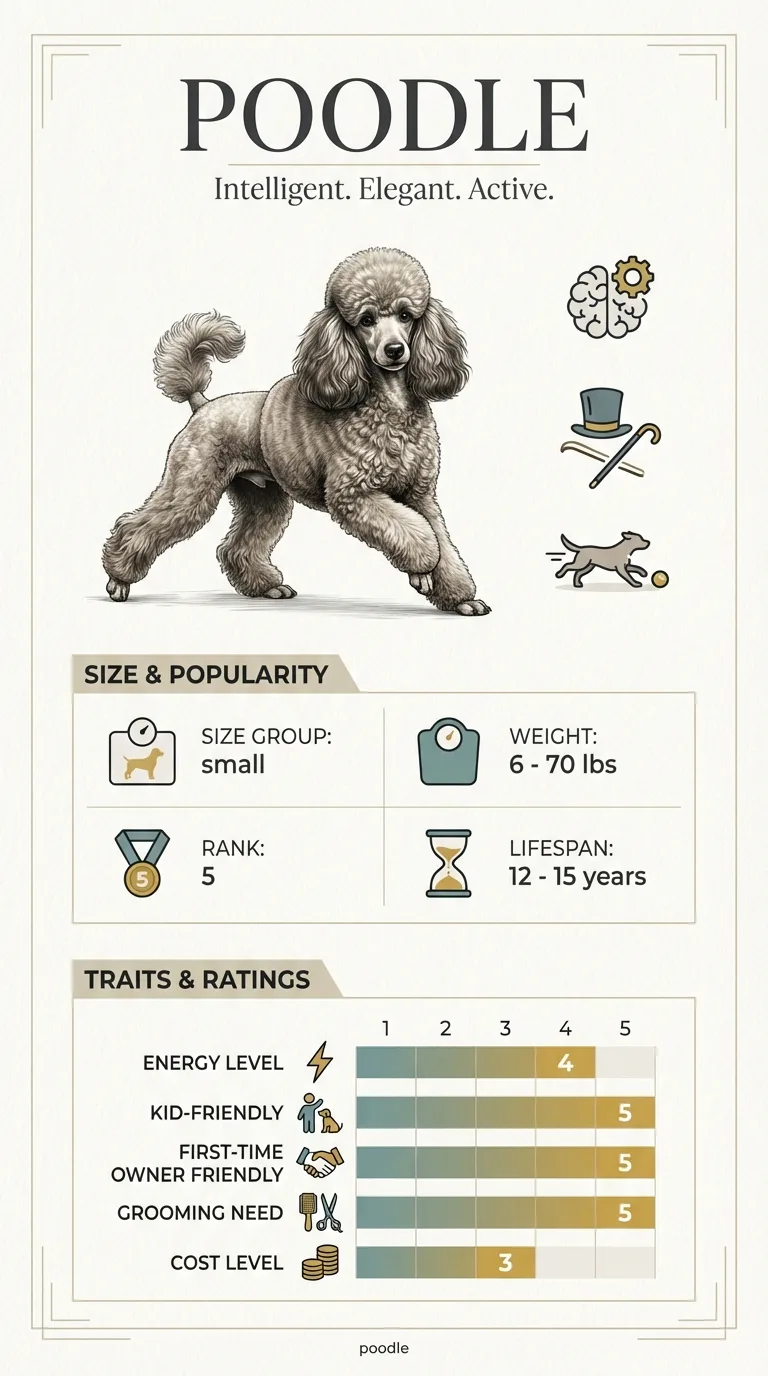
Typically, first-time Poodle owners or busy families may struggle with recognizing symptoms of patellar luxation. If you're unsure about your dog's health or behavior, this guide will help you navigate the challenges.
This guide is not medical advice. If your dog shows pain, sudden behavior change, or worsening symptoms, consult a licensed veterinarian.
Some links may be affiliate links. We may earn a commission at no extra cost to you. We only suggest products we believe are helpful for dog owners.
We research and check what we publish, but we do not warrant that any figure, date, price, or statement is accurate, complete, or current, and we accept no liability for any loss, cost, injury, or other harm arising from the use of this site. Use it as one reference among several. You remain responsible for your own decisions and for your dog's care - confirm anything that matters with a licensed veterinarian or another qualified professional before you act on it. Full disclaimer.
Check this first
Recognizing when Poodle patellar luxation becomes an emergency is crucial for your dog’s health. In some cases, you may need to call your vet immediately. Look for signs like severe limping, inability to place weight on the affected leg, or persistent crying and whining. These symptoms suggest that your dog is in significant pain or that the injury could be more serious than a simple luxation.
If your Poodle has swelling around the knee or is unable to fully extend the leg, these are also red flags. These issues often require urgent veterinary attention. Waiting too long could lead to further complications or chronic pain.
On the other hand, if your Poodle occasionally dislocates their kneecap but shows no signs of extreme discomfort, you can monitor the situation at home. Mild cases might include a temporary limp or brief periods of reluctance to jump. In these situations, observe your dog’s behavior closely and consider scheduling a vet visit for a proper assessment. You can also create a management plan to help prevent further luxation episodes, which may include controlled exercise and avoiding high-impact activities.
If any of these apply, call your vet or an emergency clinic now. The rest of this page is for the cases that are not an emergency.
Poodle patellar luxation is a common knee issue that occurs when the kneecap dislocates or moves out of its normal position. This condition can lead to pain and difficulty in walking or running, impacting your Poodle's quality of life. Owners often notice their Poodle limping, favoring a leg, or suddenly stopping during play due to discomfort.
Patellar luxation is relatively common in Poodles, with studies estimating that around 15% to 20% of this breed may experience it at some point in their lives. It is especially prevalent in smaller Poodles, who are more susceptible to joint problems.
Poodles can be prone to patellar luxation due to their genetic makeup. This condition often occurs in smaller breeds, where the structure of the knee joint may not be strong enough to keep the kneecap in place. The Poodle’s active lifestyle can exacerbate this issue, especially if they engage in high-impact activities.
Environmental factors can also contribute to patellar luxation. Slippery floors, improper jumping surfaces, and lack of supportive exercise can increase the risk. Additionally, obesity can put extra strain on the knees, making the problem worse.
If you notice persistent limping, swelling, or if your Poodle seems to be in pain, it’s essential to talk to your veterinarian. They can evaluate the severity of the patellar luxation and recommend appropriate treatment options, including possible surgery if necessary.
Avoiding these common mistakes can help your Poodle with patellar luxation feel better and heal faster.
See all Poodle health problems, which breeds are prone to patellar luxation, or the full Poodle breed guide for temperament, exercise needs and ownership costs.
Improvement in your Poodle's patellar luxation can take anywhere from a few weeks to several months. Consistent care and follow-up with your vet are essential.
Success means your Poodle can walk and run comfortably without signs of pain or limping. Regular vet check-ups and a tailored exercise plan will help maintain their knee health.
Emily, a first-time dog owner, adopted Bella, a lively Poodle. Soon after, she noticed Bella limping and often favoring her back leg. Concerned, Emily took Bella to the vet, who diagnosed her with patellar luxation. The vet recommended a mix of training exercises, weight management, and joint supplements. Emily dedicated time to teach Bella gentle commands to strengthen her leg muscles. After a few months of patience and care, Bella was running around the park again, full of energy. Emily learned the importance of regular vet visits and how vital her involvement was in Bella’s recovery.
Key takeaway: With the right training and commitment, you can help your Poodle manage patellar luxation and enjoy a happy, active life.
Signs include limping, difficulty in walking, or sudden changes in activity levels. You may also notice your Poodle 'skipping' or shaking their leg. If you see these signs, visit your vet for an evaluation.
To manage Poodle patellar luxation, provide a balanced diet and maintain a healthy weight. Regular low-impact exercise can strengthen the leg muscles. Consult your vet for specific exercises and treatment options.
Yes, proper training can help by reinforcing good movement and avoiding activities that strain the knees. Incorporate gradual exercise and avoid jumping or climbing stairs. Always consult a trainer familiar with patellar luxation issues.
Surgery may be recommended if your Poodle experiences severe symptoms or if the luxation is frequent. However, many mild cases can be managed with physical therapy and weight management. Always consult your vet for the best approach.
Yes, patellar luxation can worsen if not treated. Over time, it may lead to increased pain or even arthritis in the knee joint. Regular check-ups with your vet can help monitor the condition.
For older Poodles, gentle exercise and maintaining a healthy weight are crucial. Consider low-impact activities like short walks and swimming, along with supportive joint supplements, to help manage their condition.
Yes, patellar luxation can be hereditary, especially in certain breeds like Poodles. If you're considering breeding, it's important to check for this condition in both parents to help reduce the risk in future puppies.
Maintain a healthy weight and provide low-impact exercises to keep your Poodle's muscles strong. Regular vet visits can help monitor their condition.
Ensure your Poodle has a comfortable resting area and avoid activities that put strain on their knees. Gentle walks and swimming can be beneficial.
Look for a vet who specializes in orthopedic issues and has experience with small breeds like Poodles. They should offer a range of treatment options.
Yes, seek out training programs that focus on building strength and proper movement for dogs with knee problems. A professional trainer can tailor exercises to your Poodle's needs.
A one-page prep sheet for this condition: the signs, the questions to ask, what to get priced. Unlocks here.
You get: Vet visit prep sheet
No spam. One-click unsubscribe. See our privacy policy.
Preview page 1 before you decide.