What are Bulldog (English) patellar luxation quick tips?
Maintain your Bulldog's weight and provide moderate exercise to reduce risk. Regular vet check-ups can help catch issues early. Consider low-impact activities to keep their knees healthy.
Bulldog (English) patellar luxation is a common issue that affects many dogs, causing pain and mobility problems.
Many Bulldog owners, especially first-time pet parents, may find their dogs experiencing this issue. Owners who are unaware of the signs may find themselves confused when their dog shows signs of discomfort or limping.
This guide is not medical advice. If your dog shows pain, sudden behavior change, or worsening symptoms, consult a licensed veterinarian.
Some links may be affiliate links. We may earn a commission at no extra cost to you. We only suggest products we believe are helpful for dog owners.
Bulldog (English) patellar luxation is a common problem where the kneecap dislocates from its normal position. This can lead to pain, lameness, and difficulty in walking. Bulldogs may show signs of discomfort, limping, or an uneven gait, particularly after exercise or play.
Patellar luxation is quite common in Bulldogs, with estimates suggesting it affects about 30% of the breed. This issue is especially prevalent in younger dogs but can also appear in older Bulldogs as they age.
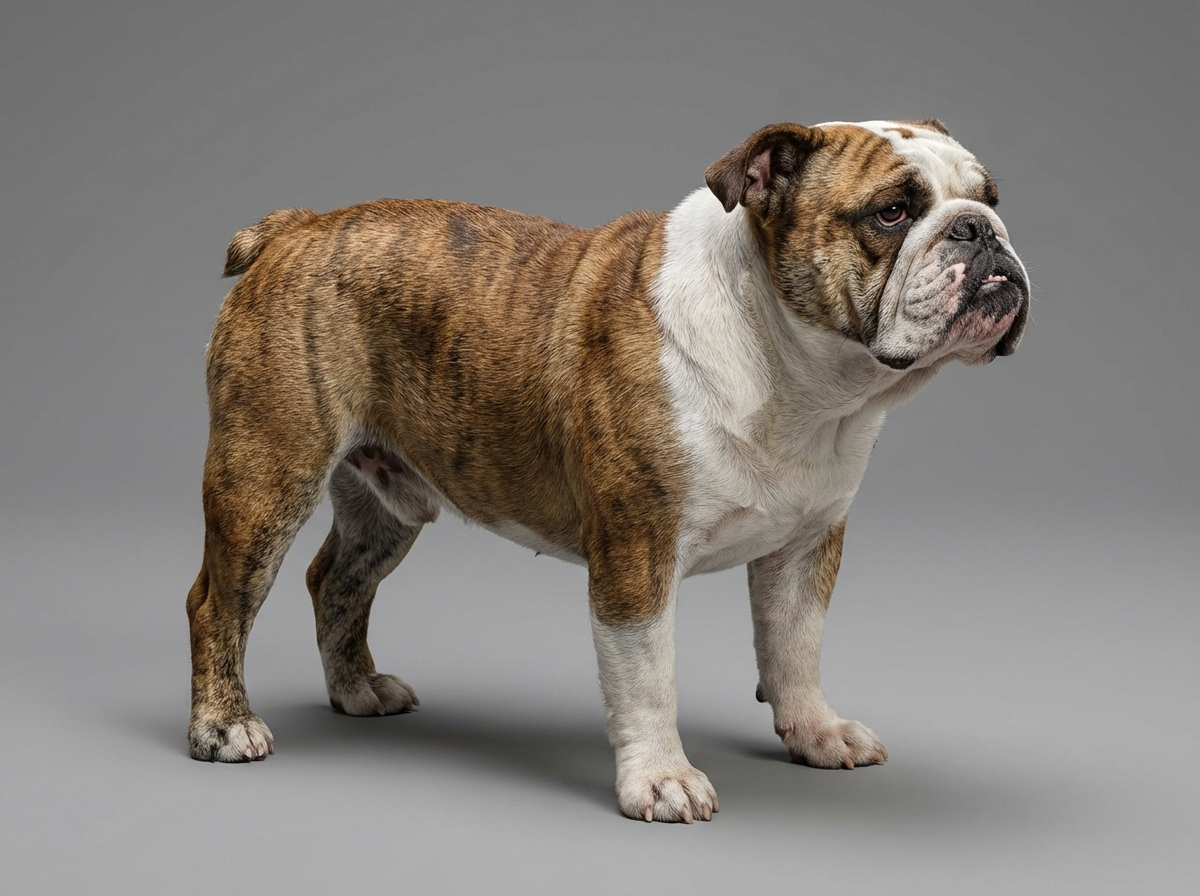
Bulldogs are prone to patellar luxation due to their unique skeletal structure. Their short legs and heavy bodies can lead to misalignment of the knee joint, making dislocation more likely. Additionally, genetic factors can contribute to this condition, particularly in Bulldogs.
Environmental factors, such as excessive jumping or rough play, can worsen patellar luxation. Overweight Bulldogs are at higher risk too, as extra weight puts more strain on their joints. Lack of proper exercise can also weaken the muscles around the knee, increasing the chance of dislocation.
If your Bulldog shows signs of discomfort or persistent limping, consider consulting a dog trainer who specializes in mobility issues. They can guide you on strengthening exercises and proper techniques to prevent further injury.
If your Bulldog frequently dislocates their kneecap or shows significant pain, it's crucial to talk to your vet. They can assess the severity of the condition and recommend treatment options, which may include surgery in severe cases.
With consistent training, you can see improvement in behavior related to Bulldog (English) patellar luxation within 4 to 6 weeks. However, managing this condition may require ongoing support and adjustments over the dog's lifetime.
Success means your Bulldog is more comfortable, has improved mobility, and shows reduced signs of pain or discomfort. You'll notice them engaging in activities they enjoy, like playing or walking without hesitation.
Avoid these common mistakes to help your Bulldog (English) with patellar luxation.
Knowing when Bulldog (English) patellar luxation is an emergency can save your dog's health. If you notice your Bulldog suddenly limping, holding up a leg, or crying out in pain, it's crucial to act fast. Other red flags include severe swelling around the knee, inability to bear weight, or a visible deformity in the leg.
These signs indicate that you should call your vet immediately.
In contrast, if your Bulldog occasionally shows mild limping after a long walk or seems hesitant to jump but is otherwise behaving normally, it may not be urgent. In these cases, you can monitor your dog's condition, ensuring they rest and avoid strenuous activities. Keeping an eye on their behavior and adjusting their exercise can help manage the problem without immediate veterinary intervention.
However, if the mild limping persists or worsens over a few days, you should consult your vet for further evaluation. Regular check-ups can help catch any developing issues before they become serious. Remember, it's better to be safe than sorry when it comes to your Bulldog's joint health.

Maggie, a busy nurse in San Diego, noticed her Bulldog, Max, limping after playtime. Concerned, she learned about Bulldog (English) patellar luxation and started researching how to stop this problem. With the help of a vet and a tailored exercise plan, Maggie committed to regular, low-impact activities and gentle stretches. She also incorporated training sessions focused on building Max's strength. Over weeks, she saw Max's confidence grow and his limping decrease significantly.
Key takeaway: Patellar luxation can be managed effectively with the right training and care. Consistency and professional guidance are key to helping your Bulldog lead a happier, more active life.
Bulldog (English) patellar luxation often occurs due to genetic predispositions or structural issues in the knee joint. It can also be influenced by their overall weight and activity level. Monitoring your Bulldog's weight and ensuring they get appropriate exercise can help manage this condition.
To help manage Bulldog (English) patellar luxation, consider maintaining a healthy weight through diet and exercise. Regular vet check-ups are important, and in some cases, surgery may be necessary. Training exercises that strengthen the muscles around the knee can also be beneficial.
Signs of patellar luxation in Bulldogs include limping, reluctance to walk or jump, and abnormal leg positioning. You may also notice your dog suddenly lifting their leg and holding it up for a moment. If you see these signs, it's best to consult your vet.
In mild cases, Bulldog (English) patellar luxation may be managed with physical therapy, weight management, and targeted exercises. However, more severe cases might require surgical intervention to properly align the knee. Always consult your vet for personalized advice.
Recovery time after surgery for Bulldog (English) patellar luxation typically ranges from 8 to 12 weeks. During this time, limited activity and regular follow-up visits to the vet are crucial. Proper aftercare can help ensure a successful recovery.
Signs of patellar luxation in Bulldogs include limping, difficulty walking, and sudden movements where the dog seems to skip or hop. You might also notice your dog holding their leg up for a period after an activity. If these behaviors persist, it's best to consult your vet.
In some cases, mild patellar luxation can be managed with physical therapy, weight management, and specific exercises to strengthen the leg muscles. However, more severe cases may require surgical intervention for a long-term solution. Always discuss treatment options with your veterinarian.
Patellar luxation can develop in Bulldogs at any age, but older dogs may experience worsening symptoms due to weakened ligaments and overall joint health. Regular check-ups can help monitor any changes in your dog's condition as they age.
Yes, patellar luxation is often hereditary, especially in Bulldogs. Responsible breeding practices can help reduce the risk of this condition in future generations. If you're considering getting a Bulldog, look for breeders who screen for this and other health issues.
If you notice signs of limping or any changes in your Bulldog's mobility, it's important to consult your vet. Early diagnosis and treatment can prevent further complications and help manage your dog's comfort and quality of life.
Maintain your Bulldog's weight and provide moderate exercise to reduce risk. Regular vet check-ups can help catch issues early. Consider low-impact activities to keep their knees healthy.
Focus on gentle exercises that strengthen their legs and avoid high-impact activities. Training that promotes controlled movements can also help. Consult a vet for a tailored training plan.
Yes, Bulldogs are prone to several health issues including hip dysplasia and respiratory problems. Regular vet visits can help manage these risks effectively.
Treatment costs can vary widely, with surgery potentially costing thousands of dollars. Routine vet visits and medications can also add to the overall expenses.
Incorporate a balanced diet and regular, moderate exercise into your Bulldog's routine. Adjusting their activity levels can significantly improve their joint health.