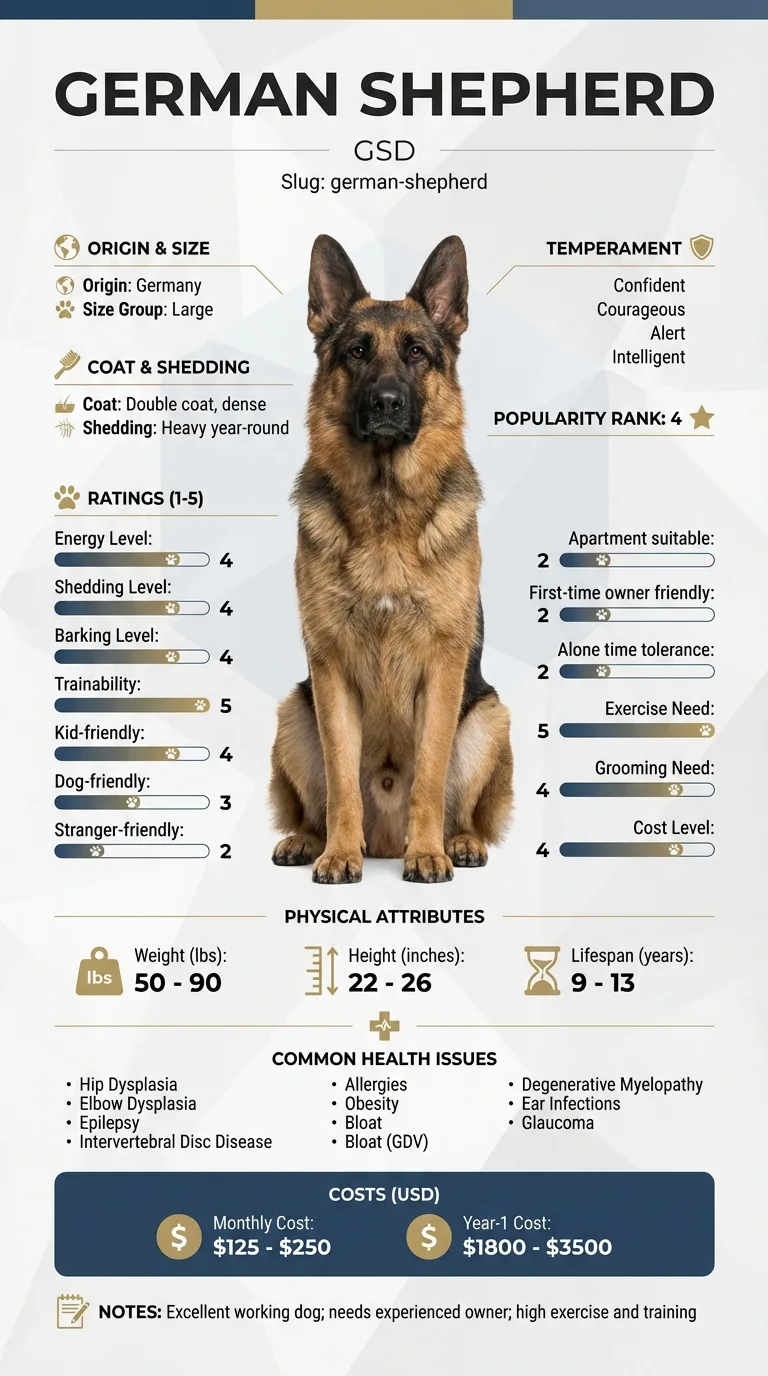
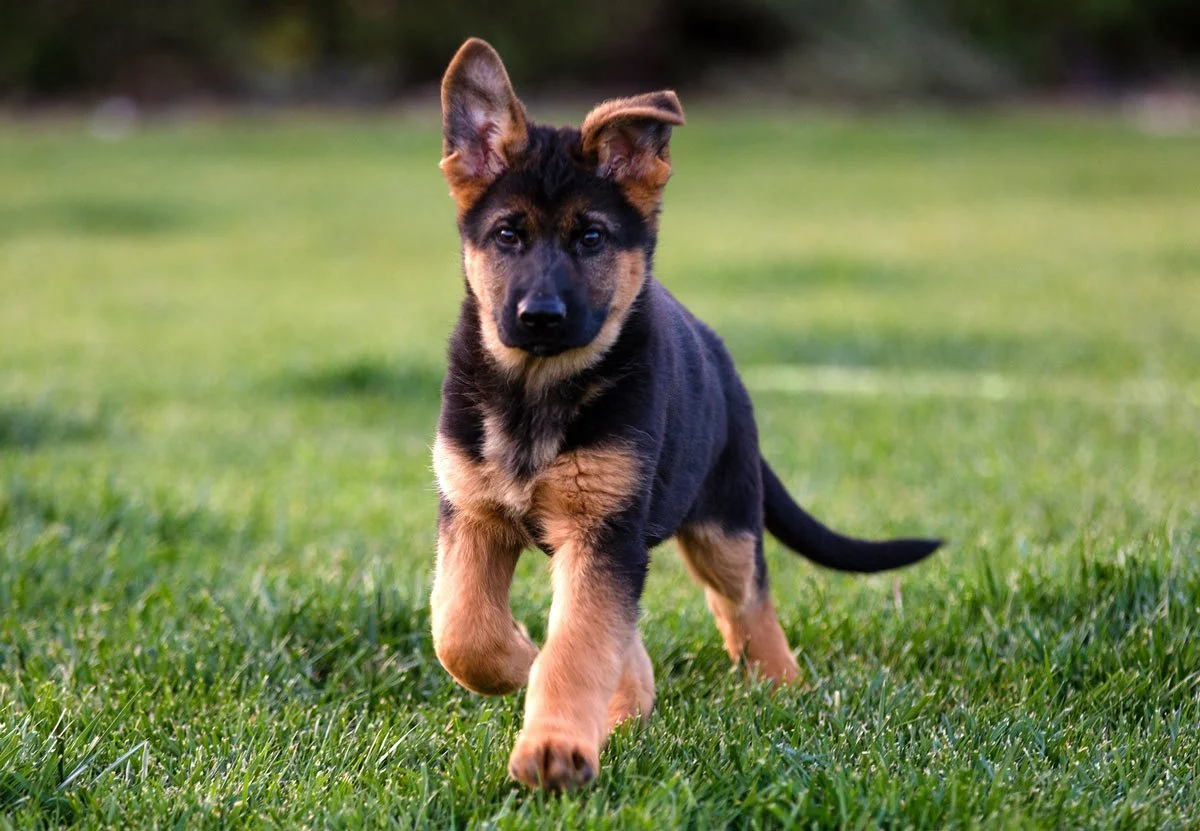
German Shepherd Patellar Luxation: What You Need to Know
Quick answer
What are some quick tips for German Shepherd patellar luxation?
To help manage German Shepherd patellar luxation, keep your dog at a healthy weight, provide joint supplements, and avoid high-impact activities. Consult your vet for specific exercises and treatment options.
German Shepherd patellar luxation is a condition where the kneecap dislocates, causing pain and mobility issues.
Owners of German Shepherds, especially those who are active and energetic, may find themselves dealing with this issue. It's common among dog owners who may notice their pets limping or showing reluctance to exercise.
Important reminder
This guide is not medical advice. If your dog shows pain, sudden behavior change, or worsening symptoms, consult a licensed veterinarian.
Some links may be affiliate links. We may earn a commission at no extra cost to you. We only suggest products we believe are helpful for dog owners.
We research and check what we publish, but we do not warrant that any figure, date, price, or statement is accurate, complete, or current, and we accept no liability for any loss, cost, injury, or other harm arising from the use of this site. Use it as one reference among several. You remain responsible for your own decisions and for your dog's care - confirm anything that matters with a licensed veterinarian or another qualified professional before you act on it. Full disclaimer.
Check this first
When German Shepherd Patellar Luxation is an Emergency
Recognizing when German Shepherd patellar luxation becomes an emergency is crucial for your dog's well-being. If your dog shows severe signs of pain, such as yelping when moving, or refuses to put weight on the affected leg, it's time to call your vet. Other red flags include swelling around the knee joint, inability to straighten the leg, or signs of shock, like rapid breathing and lethargy.
If any of these apply, call your vet or an emergency clinic now. The rest of this page is for the cases that are not an emergency.
What this problem looks like
German Shepherd patellar luxation is a common issue where the kneecap slips out of its normal position. This dislocation can cause pain, difficulty walking, and even lameness. Owners may notice their dog limping or favoring a leg, especially after exercise or playtime.
Common triggers
Genetics, as certain dogs may be predisposed to this condition.
High-impact activities or sudden movements can exacerbate the problem.
Being overweight increases stress on the knees, making luxation more likely.
Patellar luxation is relatively common in German Shepherds, especially in younger dogs. Estimates suggest it affects around 15-20% of the breed, making it a significant concern for potential owners.
Why this happens
Breed factors
German Shepherds are prone to certain genetic factors that can lead to patellar luxation. Their larger size and muscular build can put additional stress on their knee joints. If their legs are not properly aligned due to their structure, it can increase the risk of dislocation.
Environment factors
Environmental factors can also play a role in patellar luxation. Lack of proper exercise can weaken the muscles around the knee, making it more susceptible to injury. Additionally, slippery floors or rough terrain can lead to falls or sudden movements that may dislocate the kneecap.
What you can do at home (once it is not an emergency)
When to talk to your vet
Consult your vet if your dog exhibits ongoing limping or pain. They can provide a proper diagnosis and discuss treatment options, which may include physical therapy or surgery in severe cases.
At home, alongside your vet's plan
Maintain a healthy weight for your German Shepherd. Excess weight can strain the knees and worsen symptoms.
Provide low-impact exercises, such as swimming or walking on soft surfaces. This helps to strengthen the muscles without over-stressing the joints.
Implement a consistent stretching routine, focusing on the legs and joints. This can improve flexibility and reduce the chances of injury.
Consider using non-slip mats or rugs in your home to help your dog navigate safely and avoid slips.
Monitor your dog's activity levels. Limit jumping or rough play to prevent aggravating the condition.
Mistakes that make Patellar Luxation worse
Avoiding these common mistakes can help improve your German Shepherd's condition.
Ignoring signs of discomfort: If your German Shepherd shows signs of pain or limping, it's crucial to consult a vet instead of waiting for symptoms to pass.
Overexercising: While exercise is essential, too much can strain their knees. Stick to moderate, controlled activities rather than intense play.
Neglecting weight management: Obesity can worsen patellar luxation. Ensure your dog maintains a healthy weight with proper diet and exercise.
Skipping physical therapy: Some owners may overlook the benefits of physical therapy. A vet-recommended program can significantly aid recovery.
Using harsh training methods: Punishment can increase anxiety and resistance in your dog. Focus on positive reinforcement techniques instead.
Delaying veterinary care: If your dog experiences frequent luxation episodes, don't postpone a vet visit. Early intervention can prevent further complications.
Failing to follow a structured training plan: Inconsistent training may hinder your dog's understanding of commands. A consistent, positive approach is key.
Most German Shepherds with patellar luxation can show improvement within 3 to 6 months with a dedicated care and management plan.
Success looks like your dog being able to walk, run, and play without significant pain or discomfort. You should see fewer signs of limping or difficulty in movement.
When to Monitor and Wait
In less severe cases, you might notice your German Shepherd occasionally limping or favoring one leg without showing extreme discomfort. If your dog can still engage in normal activities, such as walking or playing, you can consider monitoring the situation. Create a plan to limit their activity and observe for any changes, keeping a close eye on their behavior and mobility.
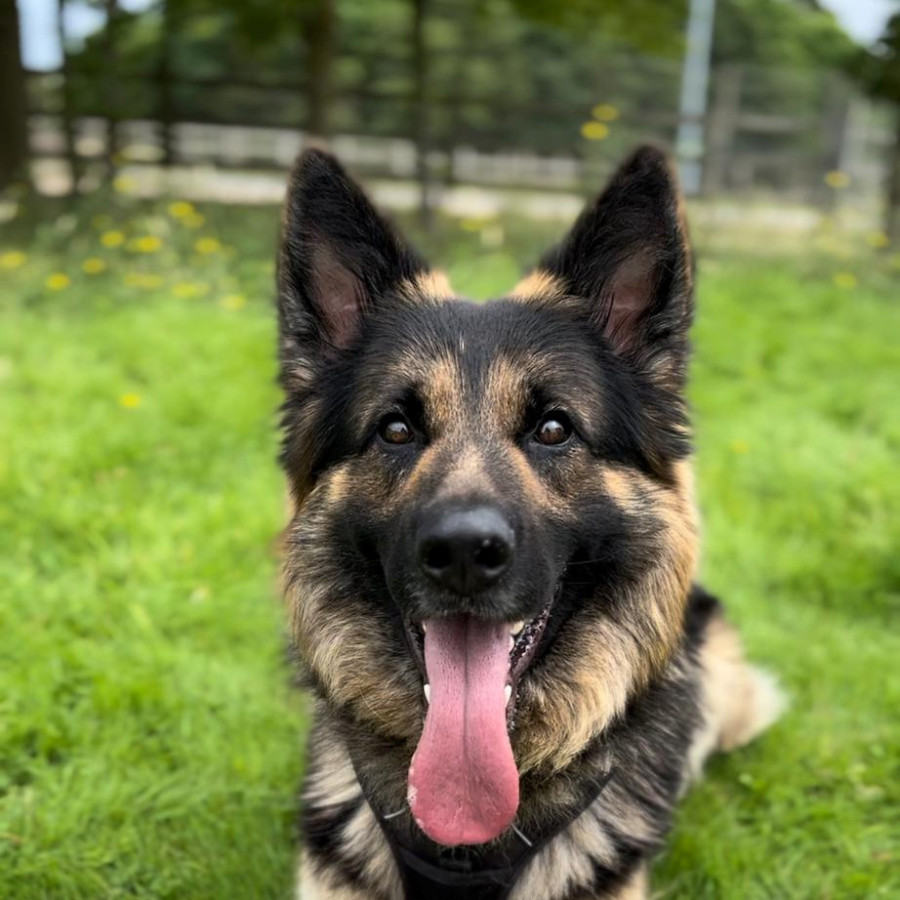
German Shepherd Patellar Luxation: What You Need to Know - When to Monitor and WaitGerman Shepherd Patellar Luxation: What You Need to Know - When to Monitor and WaitGerman Shepherd Patellar Luxation: What You Need to Know - When to Monitor and Wait
A Journey to Recovery: Max the German Shepherd
When Sarah adopted Max, her German Shepherd, she noticed he occasionally limped after playing. After a vet visit, she learned Max had patellar luxation. Determined to help him, Sarah committed to a training program focusing on strengthening his legs and managing his activity levels.
She also adjusted his diet to ensure he maintained a healthy weight. Over several months, Max's strength improved, and he began running and playing without limping. Sarah felt relieved and proud to see him happy and active again.
Key takeaway: With commitment and a tailored approach, owners can significantly improve their dog's quality of life despite health challenges like patellar luxation.
Frequently asked questions
Why does my German Shepherd have patellar luxation?
German Shepherd patellar luxation often occurs due to genetic factors, particularly in breeds with a predisposition to joint issues. It can also result from injury or trauma. Regular veterinary check-ups can help identify these issues early.
How can I stop my German Shepherd from suffering from patellar luxation?
To manage German Shepherd patellar luxation, focus on maintaining a healthy weight and ensuring proper exercise. Strengthening the muscles around the knee through targeted exercises can also help. Consult your vet for a tailored treatment plan.
Is surgery necessary for German Shepherd patellar luxation?
Surgery for German Shepherd patellar luxation may be necessary in severe cases where the dislocation is frequent and causes pain. Less severe cases can often be managed with physical therapy and lifestyle changes. Always consult your veterinarian for the best course of action.
What can I do at home for my German Shepherd with patellar luxation?
At home, you can help your German Shepherd by providing a comfortable resting area and avoiding activities that strain the knee. Gentle, controlled exercises can aid recovery, but always check with your vet before starting any new regimen.
What causes patellar luxation in German Shepherds?
Patellar luxation in German Shepherds can be caused by genetic factors, improper development of the knee joint, or trauma. The condition occurs when the kneecap dislocates from its normal position, leading to discomfort and mobility issues.
How can I manage my German Shepherd's patellar luxation at home?
Managing patellar luxation at home may involve providing a comfortable resting area, maintaining a healthy weight, and limiting strenuous activities. Gentle exercises and physical therapy can also help strengthen the muscles around the knee joint.
When should I take my German Shepherd to the vet for patellar luxation?
You should take your German Shepherd to the vet if you notice signs of limping, difficulty walking, or excessive licking of the knee area. If the dislocation happens frequently or your dog shows signs of pain, professional evaluation is essential.
Can older German Shepherds develop patellar luxation?
Yes, older German Shepherds can develop patellar luxation, especially if they have a history of joint issues or have experienced trauma. Arthritis or degenerative conditions can also contribute to the problem in senior dogs.
What are the long-term effects of untreated patellar luxation in German Shepherds?
Untreated patellar luxation can lead to chronic pain, arthritis, and decreased mobility over time. This can significantly affect your dog's quality of life, making it important to address the condition as soon as possible.
What are some quick tips for German Shepherd patellar luxation?
To help manage German Shepherd patellar luxation, keep your dog at a healthy weight, provide joint supplements, and avoid high-impact activities. Consult your vet for specific exercises and treatment options.
Costs
How much does it cost to treat German Shepherd patellar luxation?
Treatment costs for German Shepherd patellar luxation can range from $1,000 to $3,000 for surgery, depending on the severity. Ongoing care, including vet visits and physical therapy, may add to these costs.
Health
Are there any health risks associated with patellar luxation?
Yes, German Shepherd patellar luxation can lead to arthritis and joint pain if not managed properly. Regular vet check-ups can help monitor and mitigate these risks.
Training
Can training help with my German Shepherd’s patellar luxation?
Yes, targeted training can strengthen the muscles around the knee, which may help stabilize the patella. Consult a professional trainer or vet for appropriate exercises.
Related DogBreedCompass guides
German Shepherd behavior problems – Learn about common health issues that might affect your German Shepherd, including patellar luxation.
German Shepherd cost breakdown – Understand the costs associated with owning a German Shepherd, which can help you budget for potential health issues like patellar luxation.
German Shepherd training guide – Get insights on the unique needs of German Shepherds, including exercise and training, to help mitigate health issues.
A fuller vet-visit kit for German Shepherd Patellar Luxation
The free prep sheet covers the same-day warning signs, a symptom log and the questions to ask. We are considering a fuller kit that adds a cost worksheet for the usual tests and treatments (US price ranges with their sources) and a plain-English guide to ways of covering the bill. It is not built yet; this list tells us whether it is worth building.
One email, no spam, unsubscribe anytime. Information only, not veterinary advice.