Health
What's the main everyday eye risk for this breed?
Loose lower lids leave more of the eye exposed to dust, debris and minor trauma than in a tighter-lidded breed.

Quick answer
What's the main everyday eye risk for this breed?
Loose lower lids leave more of the eye exposed to dust, debris and minor trauma than in a tighter-lidded breed.
It isn't always a diagnosable condition. Sometimes it's simply a blade of grass, a gust of dusty wind, or a stick during play finding its way to an eye that has less natural protection than a tighter-lidded dog's would.
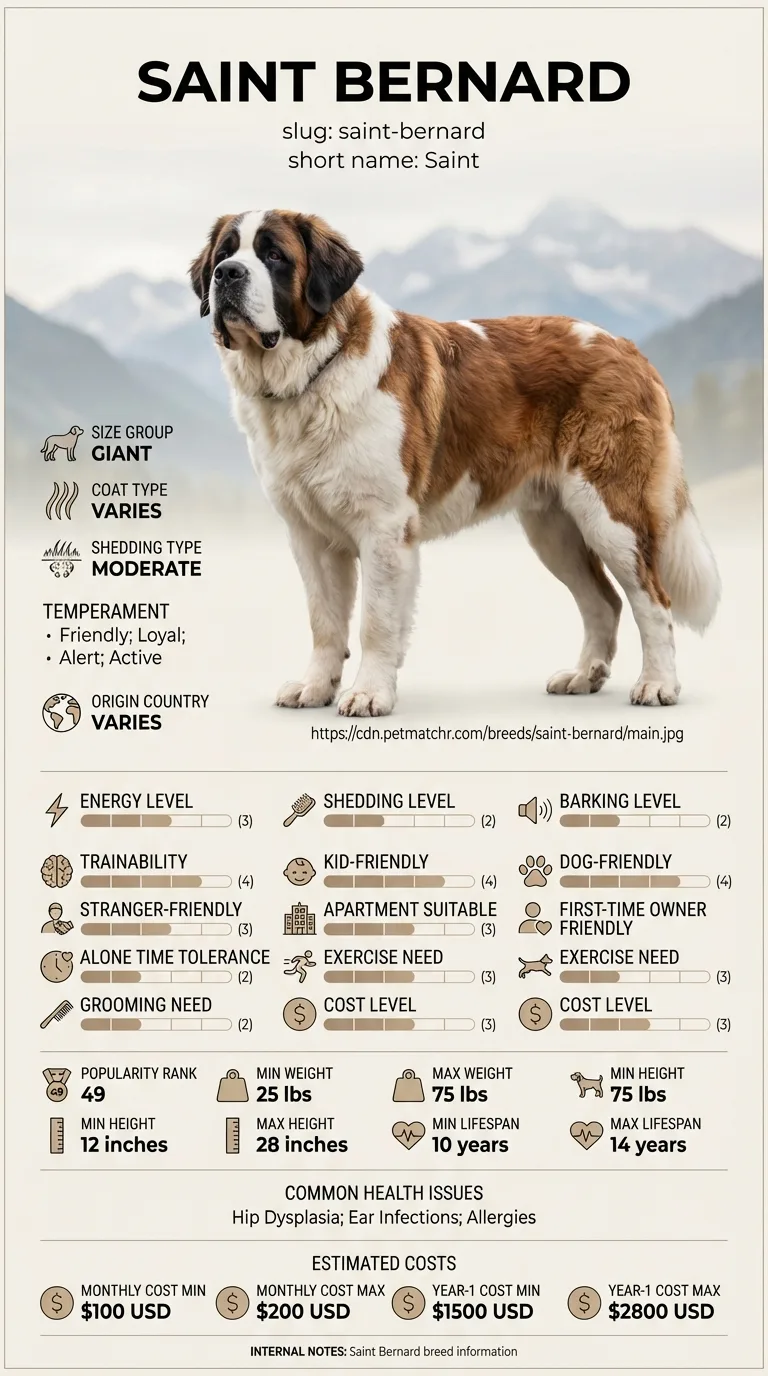
Owners noticing occasional eye redness, tearing or minor irritation without an obvious underlying diagnosis, and wondering whether this is just normal exposure-related irritation or something needing closer attention.
This guide is not medical advice. If your dog shows pain, sudden behavior change, or worsening symptoms, consult a licensed veterinarian.
Some links may be affiliate links. We may earn a commission at no extra cost to you. We only suggest products we believe are helpful for dog owners.
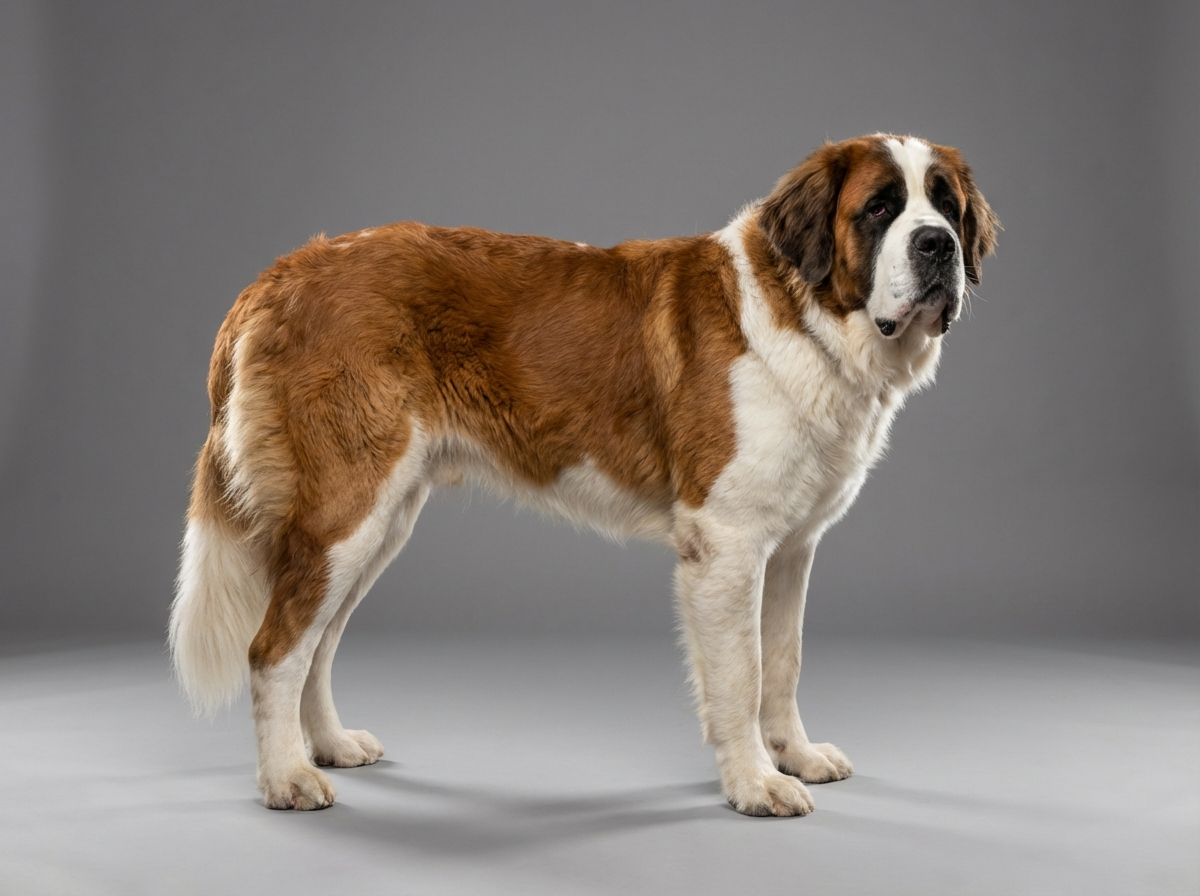
Everyday eye exposure and minor trauma risk in Saint Bernards stems from loose lower lids that leave more of the eye's surface unprotected than in a tighter-lidded breed, increasing susceptibility to dust, debris, dryness and minor injury during ordinary daily activity, independent of any specific diagnosable condition.
Minor, everyday eye irritation from environmental exposure is a common practical reality for this breed given its loose lower-lid structure, making regular attention a reasonable routine rather than an occasional concern.
This breed's loose lower lids provide less natural physical protection for the eye's surface than a tighter-lidded breed has, leaving more area exposed to environmental debris and minor trauma during normal daily activity.
Outdoor conditions — dust, wind, tall grass, rough play — are the primary environmental contributors, with car rides involving a head out the window being a specific, commonly cited and avoidable risk.
See a vet for any eye irritation lasting more than a day or two, or any squinting, apparent pain, or visible discharge. Treat as an emergency any sudden severe pain, a visibly injured or cloudy cornea, or a dog pawing intensely and persistently at one eye.
See all Saint Bernard health problems, which breeds are prone to eye problems, or the full Saint Bernard breed guide for temperament, exercise needs and ownership costs.
Minor exposure-related irritation typically resolves within a day or two with basic care like a saline rinse. This is an ongoing, lifelong practical consideration rather than something that resolves permanently, given the underlying structural exposure risk.
Success is catching and addressing minor irritation quickly, before it develops into a more serious scratch or infection, through consistent everyday attention rather than expecting to eliminate exposure risk entirely.
A tighter-lidded breed's eyes are more fully protected by snugly fitting eyelids that blink debris away efficiently and maintain a more even tear film across the surface. This breed's looser lower lids leave a larger area of the eye's surface exposed during normal activity, meaning dust, pollen, grass seeds and other everyday debris have more opportunity to make direct contact and cause irritation.
This is a different concern from a diagnosable structural condition like entropion — it's simply the practical reality of managing an eye with less natural physical protection during ordinary outdoor time, play, and even car rides with a window down. None of this means avoiding normal activity, but it does mean paying closer attention to minor eye irritation than an owner of a tighter-lidded breed might need to.
These are simple, practical habits, not medical treatments, aimed at reducing the everyday exposure this breed's eye structure makes more likely.

If you think your Saint has eye problems, the plan is three steps: write down what you have seen and when it started, book a veterinary appointment rather than waiting for the next flare, and take video of the behaviour or symptom before you go — the thing you are worried about rarely happens in the consulting room. Screening in the parents covers hip dysplasia, elbow dysplasia, dilated cardiomyopathy.
What the vet visit should produce is a diagnosis and a written plan, not just reassurance: what is being ruled out, what the monitoring interval is, and which signs mean you come back sooner. Ask what the treatment costs across a year rather than per visit, because that is the number that decides whether you are managing this condition or reacting to it.
Between appointments, keep a short log — dates, what you saw, what changed. It is the single most useful thing an owner brings to a follow-up, and for eye problems it is often what separates a clear pattern from a guess.
Milo, a four-year-old Saint Bernard, loved riding with his head out the car window on family drives, something his owners had always found endearing. After noticing recurring mild eye redness following these rides, they mentioned it to their vet, who explained the direct wind and debris exposure as a likely, avoidable cause given his breed's looser lower lids. Milo's family switched to keeping the window only partially down, and the recurring redness stopped entirely within a couple of weeks. They kept a saline rinse on hand for any future dusty walks, using it occasionally without further issues.
Key takeaway: A small, easily overlooked daily habit was the actual source of Milo's recurring irritation — identifying the specific everyday exposure, rather than treating each redness episode separately, was what solved it for good.
No — this page covers everyday exposure and minor trauma risk from loose lower lids, while entropion is a specific, diagnosable structural condition where the eyelid rolls inward. Both relate to facial structure but are different concerns.
Occasional, brief redness that resolves within a day, especially after a dusty walk or windy car ride, is often just normal exposure irritation. Persistent or worsening redness deserves a vet check.
A vet-approved saline solution is generally safe for gentle rinsing after exposure to dust or debris, but ask your vet for a specific product recommendation and appropriate use.
Yes — a head fully out of a moving car window exposes the eyes directly to wind-blown debris and can cause genuine irritation or minor injury, so many vets recommend against it.
Brief, mild redness or tearing that resolves quickly is usually just exposure. Squinting, apparent pain, cloudiness, or symptoms lasting more than a day or two warrant a vet visit to rule out a more serious issue.
Occasional minor exposure irritation typically doesn't affect long-term vision, but repeated untreated trauma or scratches can potentially lead to more serious complications, so ongoing attention matters.
Loose lower lids leave more of the eye exposed to dust, debris and minor trauma than in a tighter-lidded breed.
Yes — this is about everyday exposure and minor trauma, while entropion is a specific structural condition where the eyelid rolls inward.
A head fully out of a moving window exposes eyes directly to debris; many vets recommend avoiding this specifically.
A gentle rinse with a vet-approved saline solution can help clear irritating debris.
If it persists beyond a day or two, or is accompanied by squinting or apparent pain.
A one-page prep sheet for this condition: the signs, the questions to ask, what to get priced. Unlocks here.
You get: Vet visit prep sheet
No spam. One-click unsubscribe. See our privacy policy.
Preview page 1 before you decide.