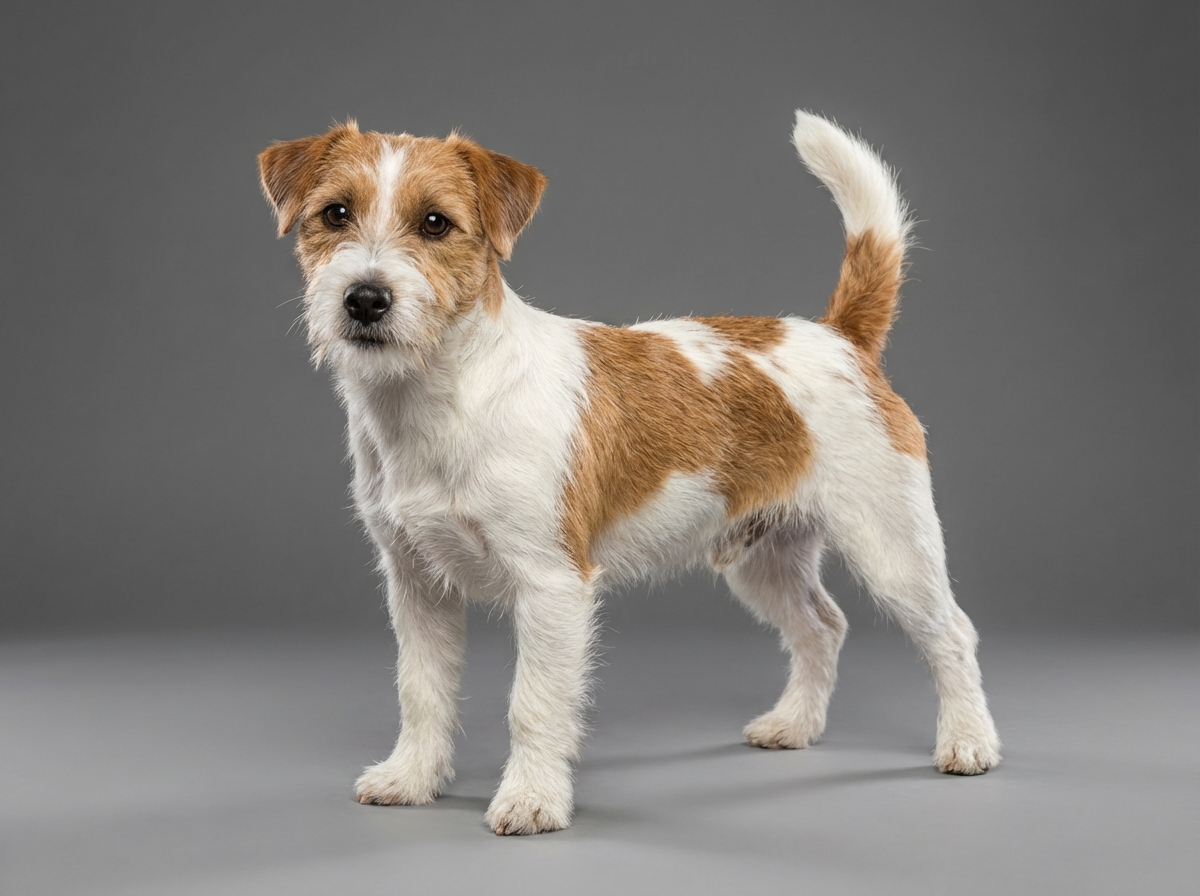
What are quick tips for managing Jack Russell Terrier eye problems?
Ensure regular vet visits and maintain a clean environment to reduce irritants. Monitor their eyes daily for any unusual signs, and prevent rough play that could lead to injuries.
Jack Russell Terrier eye problems can affect their quality of life. These issues often stem from genetic predisposition or environmental factors.

Busy owners or families with active lifestyles may find it challenging to monitor their dog's eye health. Additionally, first-time dog owners might be unsure of the signs to look for.
This guide is not medical advice. If your dog shows pain, sudden behavior change, or worsening symptoms, consult a licensed veterinarian.
Some links may be affiliate links. We may earn a commission at no extra cost to you. We only suggest products we believe are helpful for dog owners.
Jack Russell Terrier eye problems can manifest as excessive tearing, redness, or discharge. These issues often stem from injuries, allergies, or hereditary conditions like Progressive Retinal Atrophy. Owners may notice their JRT squinting, pawing at their eyes, or being unusually sensitive to light, which can be concerning.
Eye problems are relatively common in Jack Russell Terriers due to their active nature and tendency to explore. While not every JRT will face these issues, many owners report at least one eye-related concern during their dog's lifetime.
Jack Russell Terriers are small, energetic dogs with a fearless nature. This breed is often curious and can get themselves into trouble, leading to potential eye injuries. Additionally, they may be predisposed to certain genetic eye conditions, such as Progressive Retinal Atrophy and Lens Luxation.
Environmental factors include exposure to allergens and irritants that can cause eye problems. For instance, dust, pollen, or even certain cleaning products can lead to irritation. Furthermore, rough play or accidents can result in trauma to the eyes, especially in high-energy environments.
If your Jack Russell Terrier shows signs of anxiety or aggression related to eye issues, consider hiring a professional trainer. A trainer can help you address behavior changes that may arise from discomfort or fear.
If you notice persistent redness, discharge, or your dog is frequently pawing at their eyes, it's time to consult your veterinarian. Early intervention can prevent more serious issues and ensure your dog’s comfort and health.
Improving Jack Russell Terrier eye problems may take several weeks to months of consistent care and attention. Regular vet check-ups and following a tailored treatment plan will help monitor progress.
Success means your Jack Russell Terrier experiences reduced eye irritation, improved comfort, and a better quality of life. You should notice fewer signs of discomfort and more playful behavior.
Avoiding common mistakes can significantly improve your Jack Russell Terrier's eye health. Here are some frequent missteps to watch out for.
Knowing when to call your vet for Jack Russell Terrier eye problems can be crucial. There are clear signs that indicate an emergency, and others that can be monitored carefully. If you notice any of the red-flag signs below, don't hesitate—contact your vet immediately.
Signs that mean 'call your vet now': sudden onset of squinting, excessive tearing or discharge, noticeable swelling around the eyes, redness of the eye or eyelid, or if your dog is rubbing its eyes frequently. Additionally, if your Jack Russell Terrier exhibits signs of pain, such as whining or avoiding light, it's time to seek veterinary assistance right away.
On the other hand, mild cases can often be managed at home. If your dog has minor eye irritation with no swelling or redness, you might just need to monitor the situation. Consider keeping an eye on its behavior and any changes in discharge. If symptoms persist or worsen, set up a vet appointment. Remember, it's always better to err on the side of caution when your dog's health is at stake.

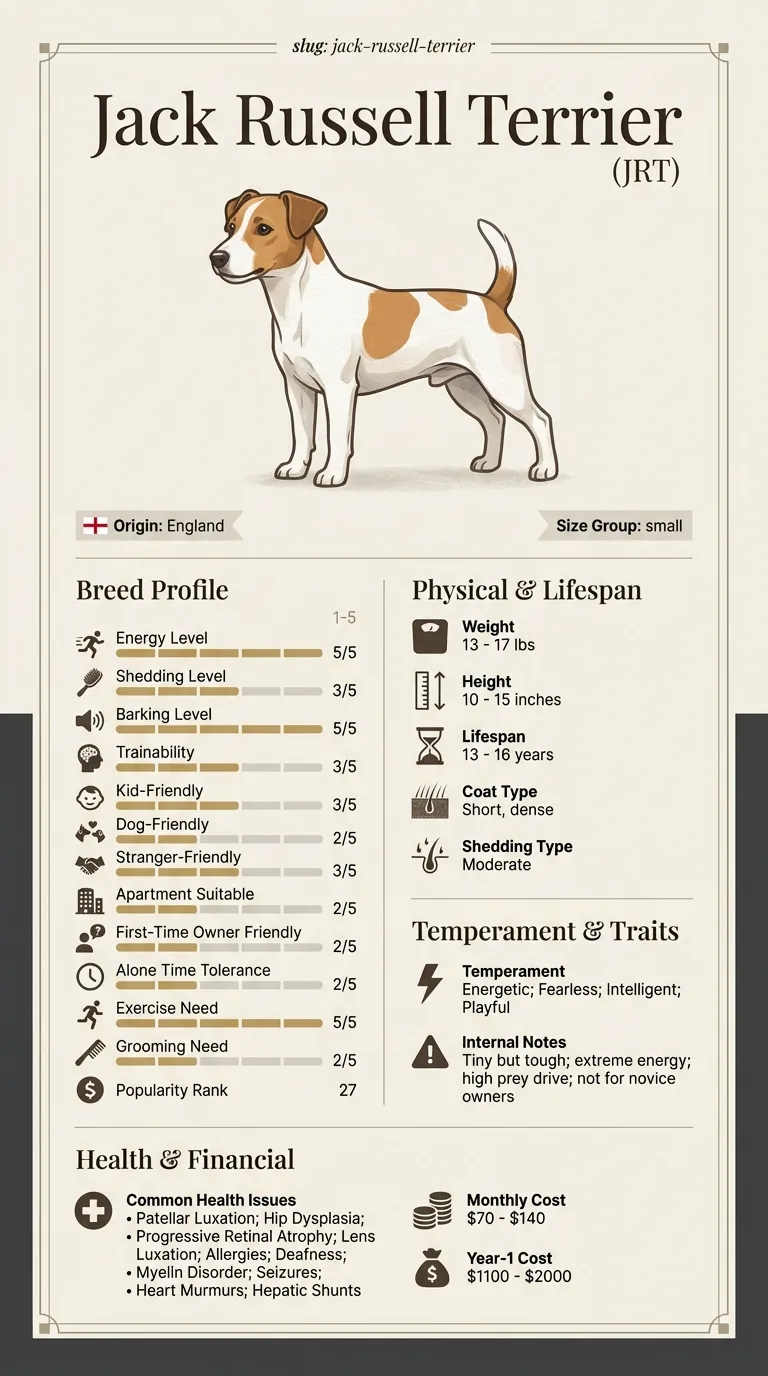
Emily, a first-time dog owner, adopted Max, her spunky Jack Russell Terrier. Soon after bringing him home, she noticed he was squinting and occasionally pawing at his eyes. Concerned, she took him to the vet and learned that Max had a common eye issue often seen in JRTs. With a treatment plan that included eye drops and regular check-ups, Emily was diligent about administering the medication and keeping Max's environment safe. After a few months, Max's eyes improved significantly, and he returned to his lively self.
Key takeaway: Being proactive and attentive can lead to significant improvements in your dog's health. Regular vet visits and following treatment plans are key to managing Jack Russell Terrier eye problems.
Jack Russell Terriers can experience eye problems due to various factors, including genetic predispositions and environmental conditions. Common issues include progressive retinal atrophy and lens luxation. Regular vet check-ups can help identify these problems early. This answer relates to Jack Russell Terrier eye problems.
To prevent eye problems in your Jack Russell Terrier, ensure they have regular veterinary check-ups and a healthy diet. Keep their environment safe and avoid exposure to irritants like smoke and dust. Training them to avoid rough play can also minimize the risk of injury.
Watch for symptoms such as excessive tearing, squinting, or rubbing their eyes. Other signs include redness, cloudiness, or a change in behavior like disinterest in play. If you notice any of these signs, consult your veterinarian promptly.
Yes, conditions like progressive retinal atrophy and lens luxation are more common in Jack Russell Terriers. These can lead to vision impairment or loss if not treated. Regular screenings can help catch these issues early.
If your Jack Russell Terrier has an eye injury, do not attempt to treat it yourself. Instead, take them to a veterinarian immediately for a proper assessment and treatment. Prompt care can prevent serious complications.
Yes, eye problems can lead to behavioral changes in Jack Russell Terriers. They may become more withdrawn or anxious due to discomfort or impaired vision. Observing their behavior can help you notice when something is wrong.
Common signs of eye problems in Jack Russell Terriers include excessive tearing, squinting, or redness in the eyes. You may also notice them rubbing their eyes frequently or having difficulty seeing in certain conditions.
To prevent eye problems, ensure your Jack Russell Terrier has regular vet check-ups and is protected from potential hazards. Avoid letting them play in areas with sharp objects or irritants, and consider using protective eyewear if they engage in high-energy activities.
Take your Jack Russell Terrier to the vet if you notice persistent redness, swelling, or discharge from their eyes. Additionally, if they show signs of pain or seem to have trouble seeing, it's important to seek professional advice as soon as possible.
Yes, older Jack Russell Terriers can develop eye problems due to age-related conditions such as cataracts or progressive retinal atrophy. Regular veterinary check-ups are crucial to monitor their eye health as they age.
While training can’t cure eye problems, you can teach your Jack Russell Terrier to avoid certain activities that may worsen their condition. Positive reinforcement can help them learn to stay away from irritants or hazards that could damage their eyes.
Ensure regular vet visits and maintain a clean environment to reduce irritants. Monitor their eyes daily for any unusual signs, and prevent rough play that could lead to injuries.
Treating eye problems can range from $100 for basic vet visits to over $1,000 for surgeries, depending on the condition. Always budget for regular health checks to catch issues early.
Yes, they are prone to conditions like progressive retinal atrophy and lens luxation. Awareness and early intervention are key to managing these risks.
Use positive reinforcement to teach them to avoid rough play and potential hazards. Consistent training can help instill safe behaviors around their eyes.