Behavior
What are Labradoodle eye problems quick tips?
Maintain a clean environment and schedule regular vet check-ups to catch issues early.

Quick answer
What are Labradoodle eye problems quick tips?
Maintain a clean environment and schedule regular vet check-ups to catch issues early.
Labradoodle eye problems can be concerning for dog owners. These issues can affect your dog’s quality of life if not addressed promptly.
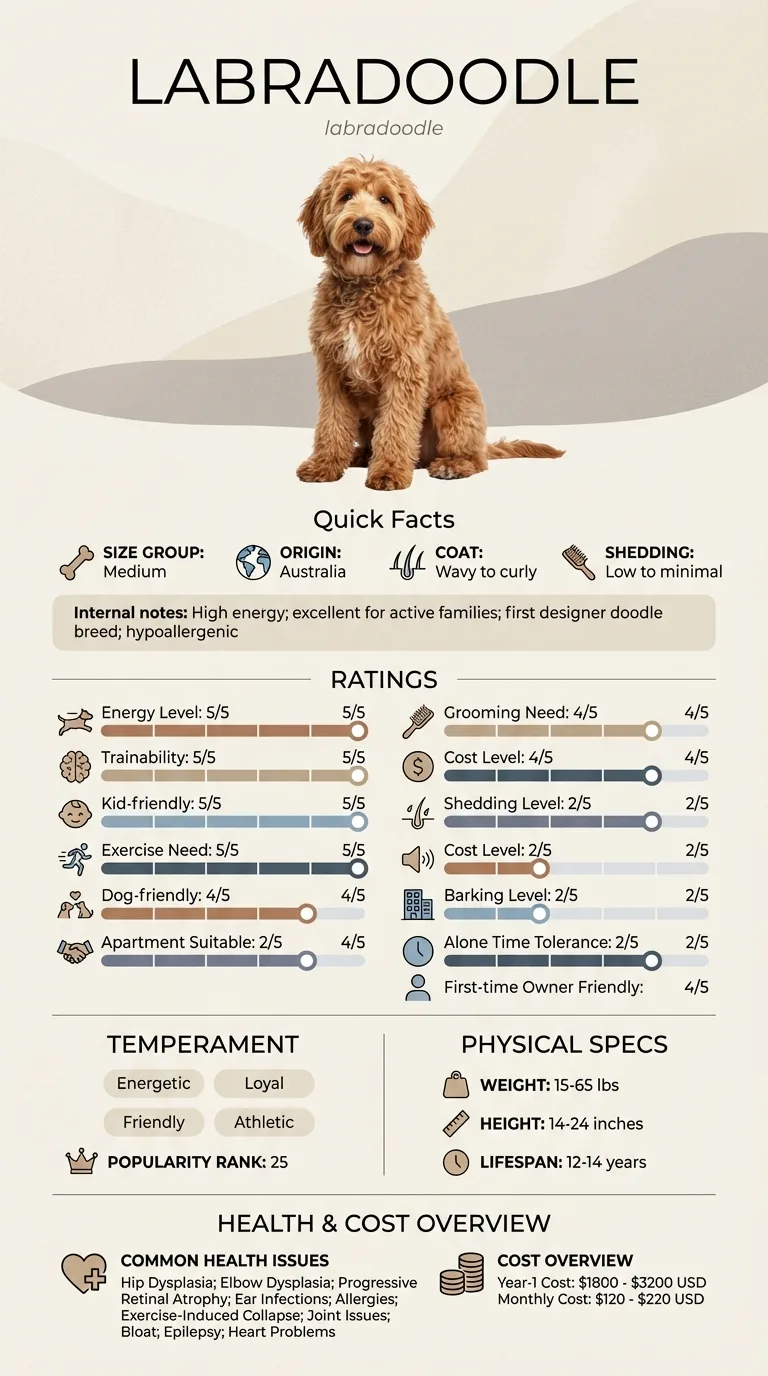
This issue often affects first-time dog owners or families who may not be familiar with the specific health concerns of Labradoodles. Busy pet parents juggling work and family life might find it challenging to spot these problems early.
This guide is not medical advice. If your dog shows pain, sudden behavior change, or worsening symptoms, consult a licensed veterinarian.
Some links may be affiliate links. We may earn a commission at no extra cost to you. We only suggest products we believe are helpful for dog owners.
We research and check what we publish, but we do not warrant that any figure, date, price, or statement is accurate, complete, or current, and we accept no liability for any loss, cost, injury, or other harm arising from the use of this site. Use it as one reference among several. You remain responsible for your own decisions and for your dog's care - confirm anything that matters with a licensed veterinarian or another qualified professional before you act on it. Full disclaimer.
Check this first
Recognizing when Labradoodle eye problems require immediate attention is crucial for your dog's health. Some signs indicate a need to call your vet right away, while others may be monitored at home. Knowing the difference can save your Labradoodle from pain or severe issues.
Emergency signs include sudden vision loss, excessive tearing, swelling around the eyes, or blood in the eye. If your Labradoodle is squinting persistently or has a cloudy appearance in one or both eyes, these could be signs of serious conditions like cataracts or glaucoma. In these situations, don’t wait—contact your vet immediately.
On the other hand, if your Labradoodle is experiencing mild redness, occasional tearing, or seems to be rubbing their eyes infrequently, you can monitor these signs at home. Keep an eye on their behavior and consider a plan to reduce irritation, like avoiding allergens. If symptoms persist for more than a few days, it’s wise to consult your vet for further guidance. Always err on the side of caution when it comes to your furry friend’s vision.
If any of these apply, call your vet or an emergency clinic now. The rest of this page is for the cases that are not an emergency.
Labradoodle eye problems can manifest as watery eyes, redness, or excessive blinking. These issues often appear on a day-to-day basis, making your dog uncomfortable and potentially affecting their quality of life. Common triggers include allergies, foreign objects, and genetic predispositions.
Eye problems are relatively common in Labradoodles due to their genetic makeup. Many Labradoodles may experience some form of eye issue during their lifetime, making it essential for owners to be proactive in monitoring their dog's eye health.
Labradoodles can be prone to certain eye problems due to their genetics. Common issues include Progressive Retinal Atrophy (PRA) and other hereditary conditions. These problems can arise as the dog ages and may lead to vision loss if not addressed.
Environmental factors can also contribute to eye problems in Labradoodles. For example, exposure to allergens, irritants, or injury can cause redness, tearing, or infections. Inadequate grooming can lead to matting around the eyes, trapping moisture and debris.
Consult your vet if you notice persistent eye issues, such as excessive tearing or cloudiness. It's important to get a professional diagnosis to rule out serious conditions like PRA or infections.
Avoiding these common mistakes can help manage Labradoodle eye problems more effectively.
Start here: Labradoodle Most Common Genetic Disorders: Screening
See all Labradoodle health problems, which breeds are prone to eye problems, or the full Labradoodle breed guide for temperament, exercise needs and ownership costs.
Most Labradoodle eye problems can take 1 to 3 months to manage effectively, depending on the severity and treatment approach.
Success means your Labradoodle's symptoms are significantly reduced, with improved eye health and comfort, allowing them to enjoy daily activities without discomfort.
Emily, a busy nurse in Seattle, noticed her Labradoodle Max was squinting and rubbing his eyes more often. After a vet visit, she learned he had mild allergies causing eye irritation. With a treatment plan that included eye drops and regular cleaning, Emily dedicated time each week to follow through. Within two months, Max's eyes were much better, and he was back to his playful self. Emily found that incorporating eye care into their routine not only helped Max but also strengthened their bond as they spent quality time together.
Key takeaway: Consistency in care is crucial; regular attention can help manage Labradoodle eye problems effectively.
Labradoodles can experience eye problems due to various factors, including genetics and environmental exposure. Common issues include allergies, progressive retinal atrophy, and other inherited conditions. Regular vet check-ups can help identify and manage these problems early.
Preventing eye problems in your Labradoodle involves regular grooming to keep their eyes clean and free of debris. Ensure they have a balanced diet for overall health and schedule regular vet visits to monitor their eye health. Proper hydration also contributes to eye health.
Signs of eye problems in Labradoodles include excessive tearing, redness, swelling, or cloudiness in the eyes. You might also notice your dog squinting or having difficulty seeing. If you observe any of these symptoms, consult your vet promptly.
To manage Labradoodle eye problems, ensure regular vet check-ups and follow their recommendations for treatment. Using hypoallergenic products can reduce irritation, and keeping your dog's face clean can help. Early intervention is key to preventing long-term issues.
Yes, some eye problems in Labradoodles can be hereditary, particularly those linked to conditions like progressive retinal atrophy. Responsible breeding practices can help minimize these risks, so consider the breeder's history and health testing when choosing a puppy.
Yes, Labradoodles can be prone to certain eye diseases, such as Progressive Retinal Atrophy and cataracts. These conditions can lead to vision loss if not addressed. Regular vet check-ups can help catch these issues early.
You should consult your vet if your Labradoodle shows persistent symptoms like excessive tearing or discharge. Additionally, any sudden changes in their vision or behavior related to eye discomfort are also reasons to seek veterinary advice. Early intervention can be key to effective treatment.
While some minor eye irritations can be treated at home with vet-approved products, it’s crucial to consult a veterinarian for proper diagnosis and treatment. Home remedies might not address underlying issues and can sometimes worsen the condition. Always prioritize professional guidance.
Maintain a clean environment and schedule regular vet check-ups to catch issues early.
Regularly groom your Labradoodle to remove allergens and debris that can irritate their eyes.
If your Labradoodle has red eyes, consult your vet to determine the cause and appropriate treatment.
Yes, a balanced diet rich in omega fatty acids can support eye health and reduce inflammation.
Consider using hypoallergenic shampoos and eye drops recommended by your vet to ease irritation.
A one-page prep sheet for this condition: the signs, the questions to ask, what to get priced. Unlocks here.
You get: Vet visit prep sheet
No spam. One-click unsubscribe. See our privacy policy.
Preview page 1 before you decide.