Health
What's the key difference from vomiting?
Regurgitation is passive with little warning and brings up undigested food; vomiting is active with retching.

Quick answer
What's the key difference from vomiting?
Regurgitation is passive with little warning and brings up undigested food; vomiting is active with retching.
Regurgitation looks like vomiting from across the room, but the two point to completely different problems inside the body.
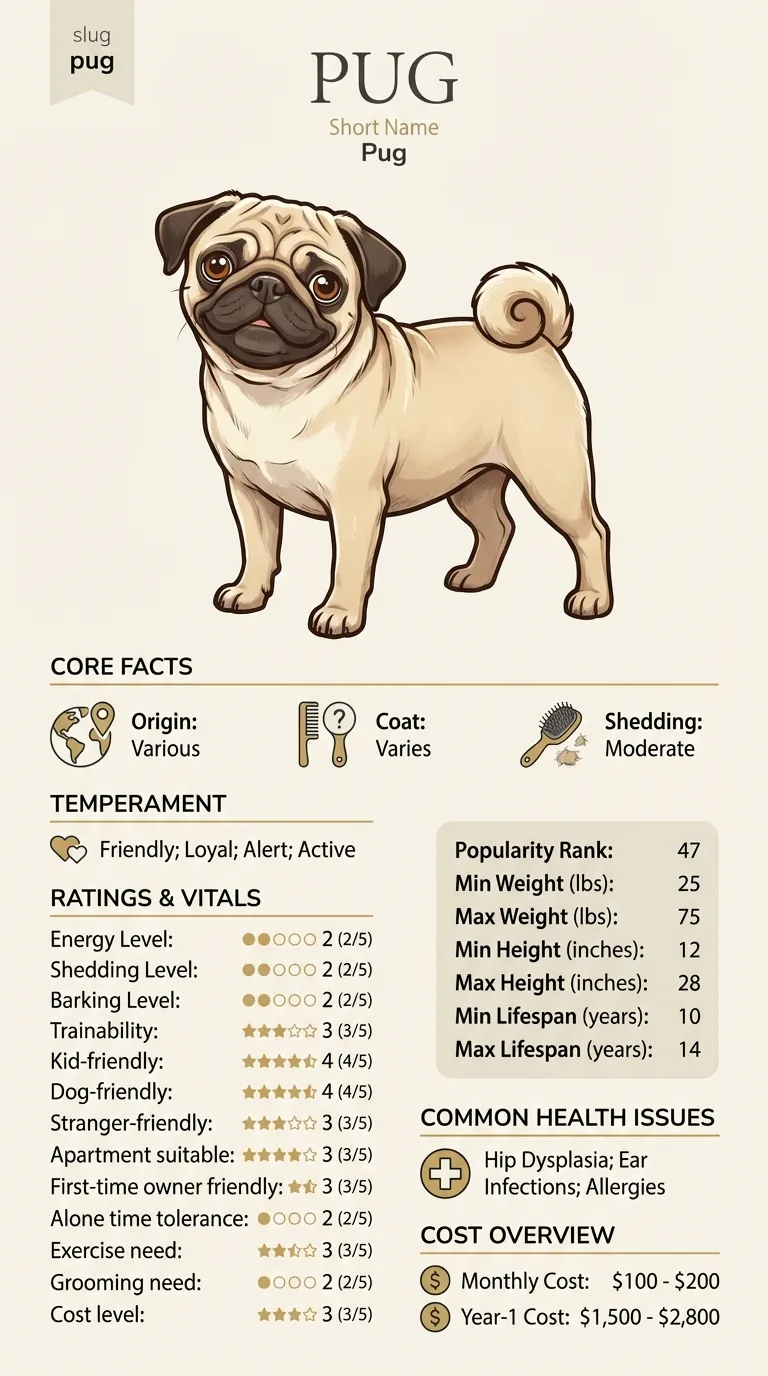
This is relevant for owners who've noticed their dog bringing up undigested food, especially soon after eating, and want to understand whether that's ordinary vomiting or something that points specifically to the esophagus.
This guide is not medical advice. If your dog shows pain, sudden behavior change, or worsening symptoms, consult a licensed veterinarian.
Some links may be affiliate links. We may earn a commission at no extra cost to you. We only suggest products we believe are helpful for dog owners.
Esophageal disease affects the muscular tube moving food from mouth to stomach, most often noticed through regurgitation, a passive bringing-up of undigested food distinct from active vomiting. It carries a real risk of aspiration pneumonia and may be connected in some brachycephalic dogs to the airway pressure changes created by chronic breathing obstruction.
True esophageal motility disease is not extremely common, but regurgitation as a symptom is reported often enough in brachycephalic breeds that it's worth understanding on its own terms rather than assuming it's simple vomiting.
Some veterinary literature suggests a connection between this breed's chronic airway obstruction and esophageal function, theorized to relate to the negative pressure changes created by working hard to breathe around a narrowed airway over time.
Fast eating and swallowing excess air can contribute to regurgitation episodes independent of any underlying esophageal dysfunction, making feeding pace a relevant factor to manage regardless of the root cause.
See your vet if you notice recurring episodes of undigested food coming back up with little effort, especially if paired with coughing, fever, or labored breathing afterward, which could indicate aspiration pneumonia and needs prompt attention rather than a wait-and-see approach.
Start here: Pug Most Common Genetic Disorders: What to Screen For
See all PUG health problems, which breeds are prone to esophageal disease, or the full PUG breed guide for temperament, exercise needs and ownership costs.
Diagnosis through contrast X-ray or endoscopy typically takes one to two weeks including scheduling. Management with diet and feeding adjustments often shows improvement within a few weeks, though some underlying causes require ongoing, long-term management.
Success means fewer regurgitation episodes and no aspiration-related complications, achieved through appropriate feeding adjustments and, if needed, treatment of any underlying cause identified.
Vomiting is an active process involving abdominal contractions, retching, and typically some warning signs like drooling or lip licking beforehand; it brings up partially digested food, often with bile, from the stomach. Regurgitation is passive: food, often still looking undigested and tubular in shape from the esophagus, comes back up with little to no effort or warning, sometimes shortly after eating and sometimes well afterward if the food sat in a poorly functioning esophagus. This distinction matters clinically, since regurgitation points toward the esophagus itself rather than the stomach or intestines, directing diagnosis and treatment down an entirely different path.
Because regurgitated material can be inhaled into the airway rather than fully expelled, dogs with chronic esophageal dysfunction face an elevated risk of aspiration pneumonia, a lung infection from inhaled food or liquid. In brachycephalic dogs specifically, some veterinary literature has noted a connection between chronic airway obstruction and swallowing or esophageal dysfunction, since the negative pressure changes created by working hard to breathe around an obstructed airway may affect normal esophageal function over time. A dog with recurring regurgitation combined with any coughing, especially after eating, or unexplained respiratory infections deserves a workup that considers both the esophagus and the airway together rather than treating them as unrelated systems.

If you think your Pug has esophageal disease, the plan is three steps: write down what you have seen and when it started, book a veterinary appointment rather than waiting for the next flare, and take video of the behaviour or symptom before you go — the thing you are worried about rarely happens in the consulting room. Screening in the parents covers brachycephalic airway syndrome (boas), pug dog encephalitis, corneal ulcers.
What the vet visit should produce is a diagnosis and a written plan, not just reassurance: what is being ruled out, what the monitoring interval is, and which signs mean you come back sooner. Ask what the treatment costs across a year rather than per visit, because that is the number that decides whether you are managing this condition or reacting to it.
Between appointments, keep a short log — dates, what you saw, what changed. It is the single most useful thing an owner brings to a follow-up, and for esophageal disease it is often what separates a clear pattern from a guess.
Buddy's owner initially brought him in for what she described as recurring vomiting after meals, but a closer look revealed the material was undigested and came up with little effort, pointing toward regurgitation rather than vomiting. A contrast X-ray study found mild esophageal motility dysfunction. With feeding changes, smaller portions and a brief post-meal rest before activity, Buddy's episodes dropped significantly. His vet also noted his chronic mild breathing obstruction as a possible contributing factor and recommended keeping his weight down to reduce added strain on both systems.
Key takeaway: Correctly identifying regurgitation as distinct from vomiting changes the entire diagnostic and treatment path, and in this breed, it's worth considering alongside airway health rather than as a purely separate digestive issue.
Regurgitation is passive, with little to no retching or warning, and typically brings up undigested, tube-shaped food. Vomiting is active, involving abdominal heaving and retching, and brings up partially digested food, often with bile.
Because the material can be inhaled into the airway rather than fully expelled, chronic regurgitation carries a real risk of aspiration pneumonia, a lung infection, which is why it needs proper diagnosis rather than being dismissed as minor stomach upset.
Some veterinary literature has explored a connection between chronic airway obstruction and esophageal dysfunction in brachycephalic breeds, since working hard to breathe around an obstructed airway may affect swallowing mechanics over time.
Diagnosis typically involves a barium contrast X-ray study or endoscopy to directly visualize the esophagus and how it's functioning, since standard X-rays alone often don't clearly show esophageal motility problems.
Treatment depends on the specific cause and may include dietary changes, like feeding from an elevated position or a specific food consistency, alongside medication a vet prescribes; some structural causes may need surgical correction.
Coughing, fever, lethargy, and labored breathing following an episode of regurgitation are signs of possible aspiration pneumonia and need prompt veterinary evaluation rather than waiting to see if they resolve.
Regurgitation is passive with little warning and brings up undigested food; vomiting is active with retching.
Aspiration pneumonia, from inhaled food or liquid entering the airway instead of the stomach.
A barium contrast X-ray or endoscopy to directly assess esophageal function.
Yes, feeding position and food consistency changes are often part of a management plan.
Coughing, fever, or labored breathing after regurgitation suggests aspiration pneumonia and needs urgent care.
A one-page prep sheet for this condition: the signs, the questions to ask, what to get priced. Unlocks here.
You get: Vet visit prep sheet
No spam. One-click unsubscribe. See our privacy policy.
Preview page 1 before you decide.