Behavior
What are quick tips for Havanese esophageal disease?
Feed smaller, more frequent meals and consider a soft diet. Regular vet check-ups are essential for monitoring your dog's health.

Quick answer
What are quick tips for Havanese esophageal disease?
Feed smaller, more frequent meals and consider a soft diet. Regular vet check-ups are essential for monitoring your dog's health.
Havanese esophageal disease is a serious condition that can affect your furry friend's ability to eat and drink comfortably. Understanding this problem is crucial for their health.
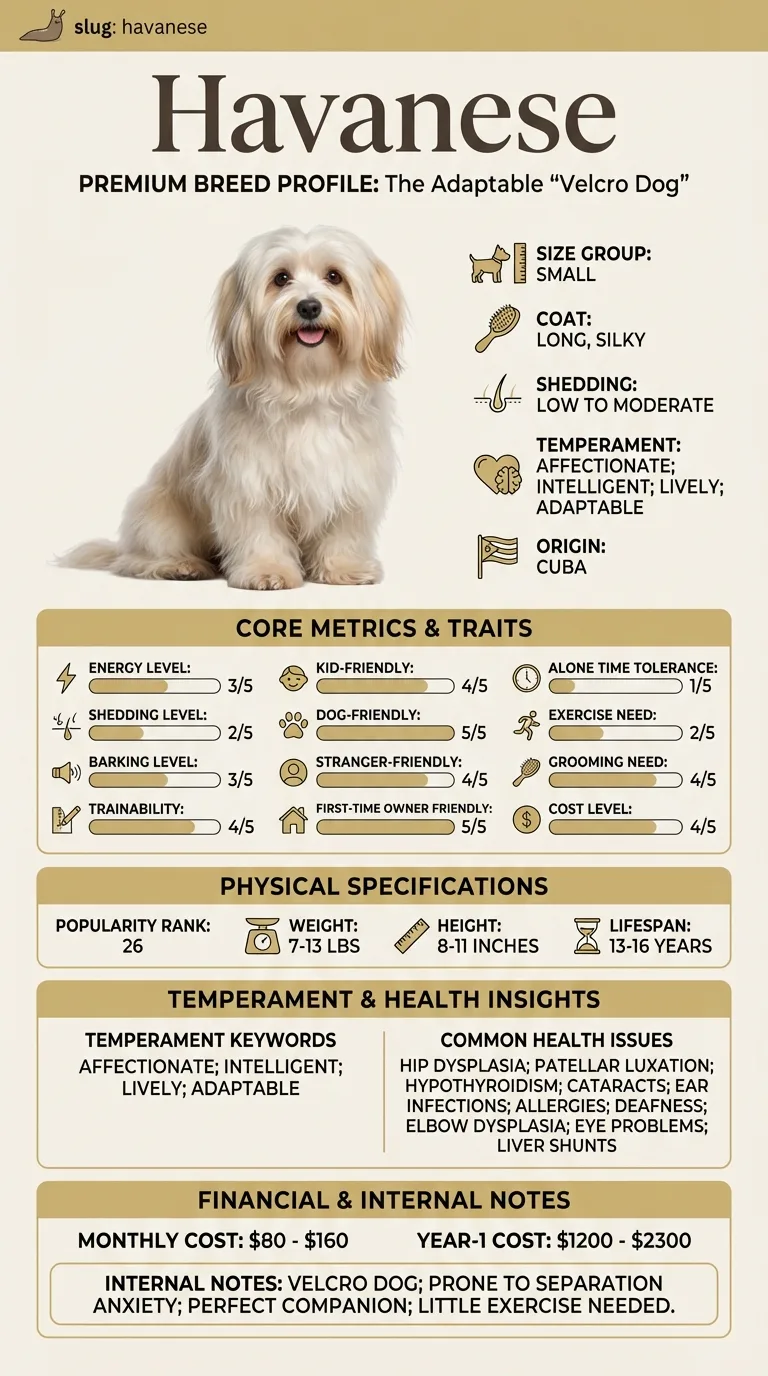
Typically, Havanese owners, especially first-time dog parents, may find themselves worried about their dog's eating habits and overall health. Those living in apartments or with busy schedules might notice these issues more, as they may not be able to monitor their dog's eating behavior closely.
This guide is not medical advice. If your dog shows pain, sudden behavior change, or worsening symptoms, consult a licensed veterinarian.
Some links may be affiliate links. We may earn a commission at no extra cost to you. We only suggest products we believe are helpful for dog owners.
We research and check what we publish, but we do not warrant that any figure, date, price, or statement is accurate, complete, or current, and we accept no liability for any loss, cost, injury, or other harm arising from the use of this site. Use it as one reference among several. You remain responsible for your own decisions and for your dog's care - confirm anything that matters with a licensed veterinarian or another qualified professional before you act on it. Full disclaimer.
Check this first
Call your vet immediately if you notice any of the following red-flag signs: - Difficulty breathing or choking - Excessive drooling or gagging - Vomiting or regurgitation that persists - Signs of pain, such as whining or refusing to eat - Swollen abdomen, which may indicate a blockage
These symptoms could indicate a serious issue that requires urgent care. If your Havanese is displaying milder symptoms, such as occasional coughing or slight discomfort after eating, you might monitor them for a while. Keep track of their eating habits and note any changes in behavior.
It's important to create a plan if you're watching and waiting. Ensure your dog eats smaller, more frequent meals and consider softening their food. If symptoms worsen or don’t improve in a few days, reach out to your vet for further guidance.
In summary, trust your instincts. If something seems seriously off, it’s always better to err on the side of caution. Your Havanese relies on you to notice their needs and keep them safe.
If any of these apply, call your vet or an emergency clinic now. The rest of this page is for the cases that are not an emergency.
Havanese esophageal disease can be a concerning issue for pet owners. This condition typically manifests as difficulty swallowing, gagging, or regurgitating food. Owners might notice their Havanese struggling to eat or becoming uncomfortable during mealtime, which can be distressing to both the dog and owner.
Esophageal disease is relatively common in Havanese, with reports indicating that they are 265% more likely to develop this condition compared to other breeds. This heightened risk can be attributed to their small size and unique anatomy.
Havanese dogs are prone to certain health issues, including esophageal disease. Their small size can lead to anatomical challenges that increase the risk of swallowing problems, contributing to this condition. Additionally, their affectionate nature makes them more susceptible to anxiety-related eating issues, which can exacerbate esophageal problems.
Environmental factors such as feeding habits and stress levels can also impact a Havanese's esophageal health. If they eat too quickly or are fed inappropriate foods, this can lead to complications. High-stress environments, such as noisy households or frequent changes in routine, can trigger anxiety and negatively affect their eating behaviors.
If you notice persistent vomiting, difficulty swallowing, or changes in appetite, it's essential to talk to your vet. These could be signs of more serious health issues, including advanced esophageal disease. Your vet can provide a thorough examination and recommend appropriate treatments or dietary adjustments.
Avoiding these common mistakes can help improve your Havanese's condition. Here are some behaviors to watch out for.
Start here: Havanese Most Common Genetic Disorders: What to Screen For
See all Havanese health problems, which breeds are prone to esophageal disease, or the full Havanese breed guide for temperament, exercise needs and ownership costs.
It typically takes 1 to 3 months to see significant improvements in a Havanese with esophageal disease, depending on the severity of the condition and how well the owner sticks to the treatment plan.
Success looks like decreased vomiting and discomfort during eating, along with your Havanese regaining energy and enthusiasm for meals.
When Lisa adopted Bella, her playful Havanese, she noticed Bella often vomited after eating. After consulting a vet, Lisa learned that Bella had esophageal disease, which made eating uncomfortable. Determined to help Bella, Lisa followed a strict feeding schedule with smaller, more frequent meals and used a slow feeder to prevent her from gulping down food. Gradually, Bella's symptoms improved. Within a month, she was eating without issues and playing energetically again.
Key takeaway: Consistent care and attention to feeding habits can significantly improve the quality of life for a Havanese with esophageal disease.
Havanese esophageal disease can be caused by a variety of factors, including genetic predisposition and environmental influences. Many Havanese dogs have a higher risk due to their unique anatomy and may experience issues like regurgitation or difficulty swallowing.
To manage Havanese esophageal disease, ensure your dog is eating smaller, more frequent meals and avoid feeding dry kibble, which can exacerbate symptoms. Consulting your vet for a proper diet plan and treatment options is crucial.
Yes, some cases of esophageal disease can be hereditary. If you have concerns about your Havanese's health, discussing their family history with your vet can provide valuable insights.
Watch for signs like frequent regurgitation, difficulty eating, or excessive drooling. If these symptoms persist, it’s important to consult your veterinarian for a proper diagnosis and treatment.
Training can help by teaching your Havanese to eat calmly and at a slower pace, which may reduce the risk of regurgitation. Incorporating positive reinforcement during meal times can also make feeding more enjoyable.
Common symptoms include gagging, vomiting, difficulty swallowing, and excessive drooling. If your Havanese shows these signs, it’s crucial to consult your vet for a proper diagnosis.
A poor diet can exacerbate esophageal issues. Feeding your Havanese smaller, softer meals may help alleviate symptoms and improve their overall condition.
Training should focus on positive reinforcement and patience. Avoid stressful situations that could worsen their condition, and consult a professional trainer familiar with health issues.
You should take your Havanese to the vet if they show persistent symptoms like vomiting or difficulty eating. Early intervention is key to managing Havanese esophageal disease effectively.
Feed smaller, more frequent meals and consider a soft diet. Regular vet check-ups are essential for monitoring your dog's health.
Use raised feeding dishes to make swallowing easier and encourage slow eating with puzzle feeders.
Contact your vet if regurgitation occurs frequently, as they can help determine the underlying cause and recommend treatment.
Yes, Havanese are at a higher risk for esophageal disease compared to other breeds due to their anatomy, so be vigilant about health monitoring.
A one-page prep sheet for this condition: the signs, the questions to ask, what to get priced. Unlocks here.
You get: Vet visit prep sheet
No spam. One-click unsubscribe. See our privacy policy.
Preview page 1 before you decide.