Health
What GI condition is specifically linked to airway obstruction in this breed?
Hiatal hernia and reflux, theorized to result from chronic negative pressure changes during labored breathing.

Quick answer
What GI condition is specifically linked to airway obstruction in this breed?
Hiatal hernia and reflux, theorized to result from chronic negative pressure changes during labored breathing.
Some of this breed's stomach trouble may start in the airway, not the gut.
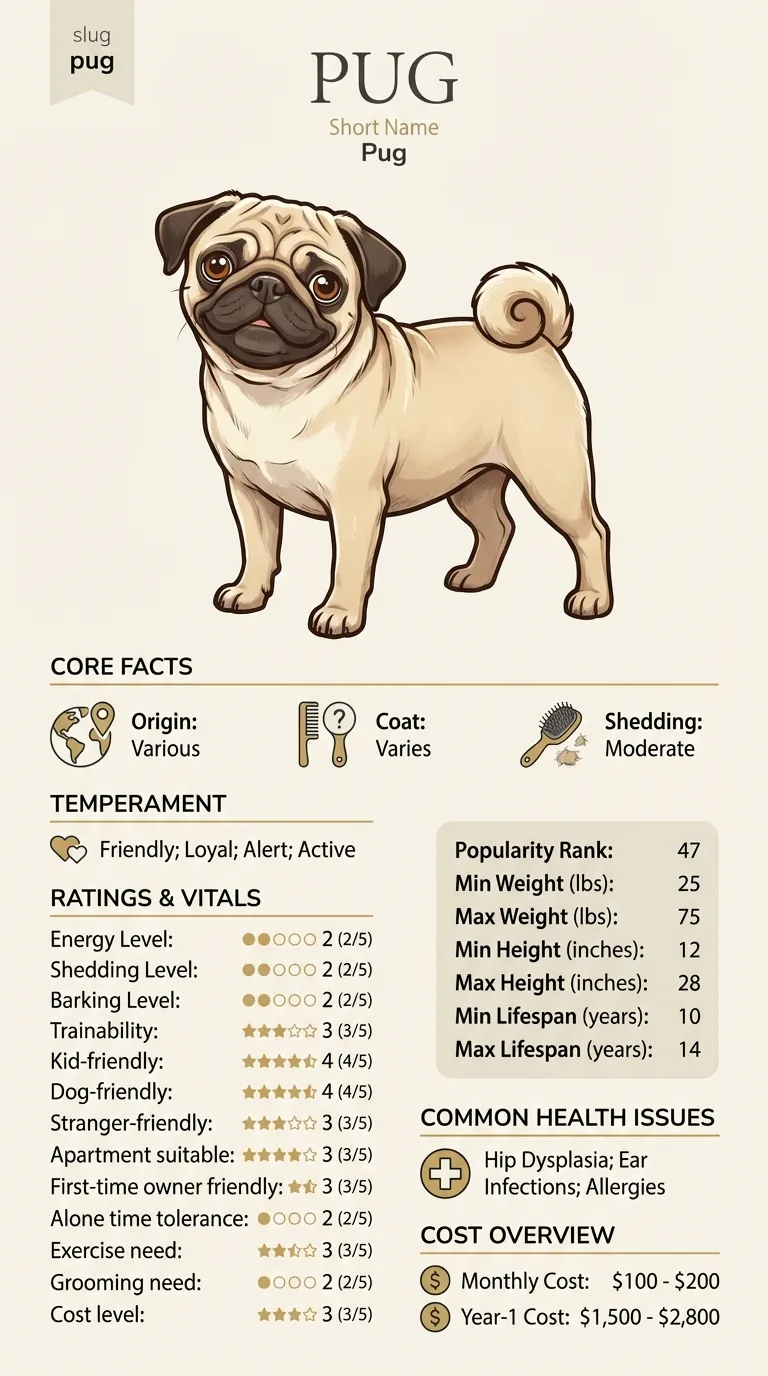
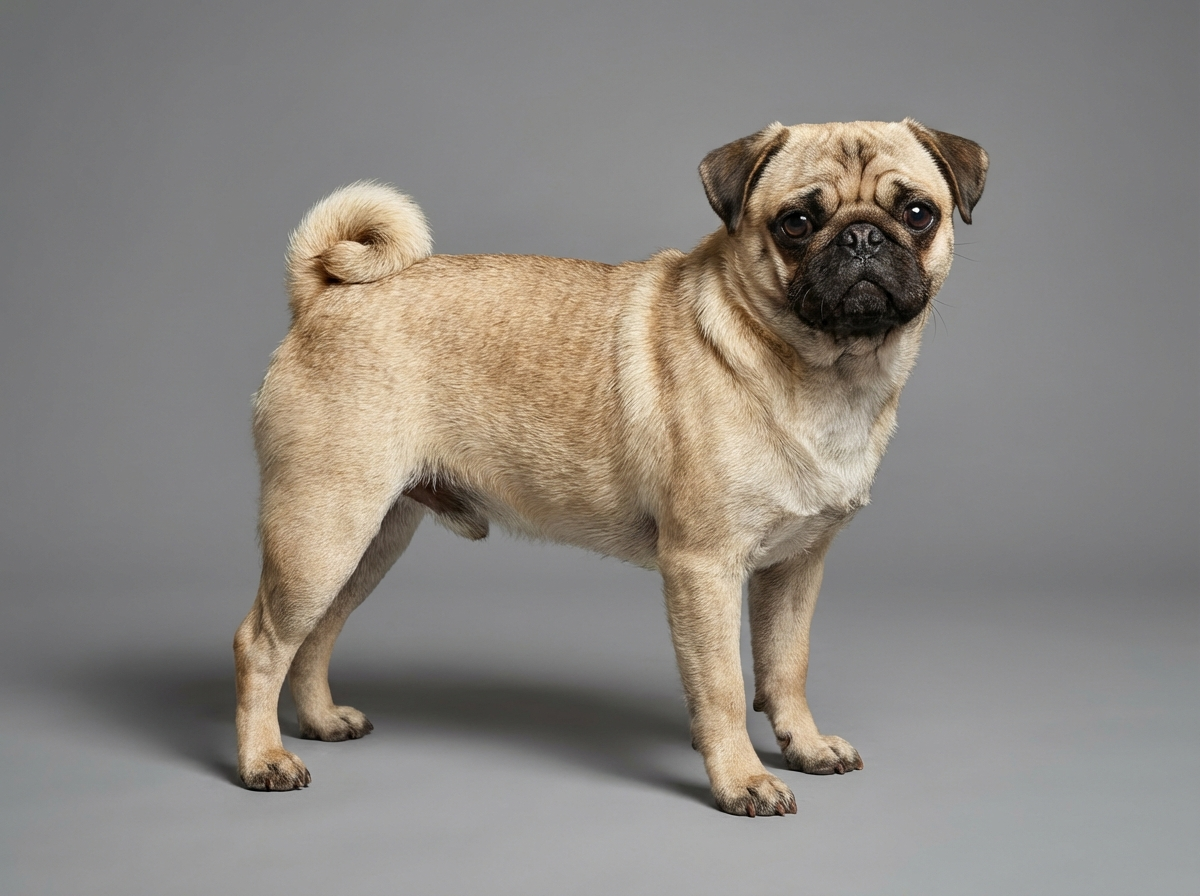
This is relevant for owners managing a Pug with chronic vomiting, regurgitation, or reflux-like symptoms, particularly alongside known BOAS, since understanding this connection can shape a more complete treatment conversation with your vet.
This guide is not medical advice. If your dog shows pain, sudden behavior change, or worsening symptoms, consult a licensed veterinarian.
Some links may be affiliate links. We may earn a commission at no extra cost to you. We only suggest products we believe are helpful for dog owners.
Gastrointestinal disorders in this breed sometimes connect directly to chronic airway obstruction: brachycephalic dogs are documented as having elevated rates of hiatal hernia and reflux, theorized to result from the negative chest pressure created by labored breathing pulling part of the stomach upward through the diaphragm over time.
Hiatal hernia and reflux are documented at elevated rates in brachycephalic breeds broadly in veterinary literature, making this a real, breed-relevant connection worth understanding rather than treating chronic digestive symptoms as purely a separate issue.
This breed's chronic airway obstruction is directly implicated in this specific digestive connection, with the repeated negative pressure from labored breathing theorized as a mechanical contributor to hiatal hernia development over time.
Anything that worsens breathing effort day to day, heat, excess weight, exertion, may indirectly compound this pressure-related mechanism, making general BOAS management relevant to digestive health too.
Bring chronic regurgitation, vomiting, or post-meal discomfort to your vet's attention, especially if your dog has known or suspected BOAS, since a combined assessment of both systems may be more informative than treating the digestive symptoms in isolation.
Start here: Pug Most Common Genetic Disorders: What to Screen For
See all PUG health problems, which breeds are prone to gastrointestinal disorders, or the full PUG breed guide for temperament, exercise needs and ownership costs.
Diagnosis through imaging typically takes one to two weeks including scheduling. Symptom management with diet and medication often shows improvement within a few weeks, while addressing the underlying airway obstruction, if pursued surgically, follows its own separate recovery timeline.
Success means reduced digestive symptoms achieved through a combined understanding of both the digestive and airway systems, rather than treating chronic reflux as an isolated stomach problem disconnected from your dog's breathing.
A hiatal hernia occurs when part of the stomach pushes upward through the diaphragm into the chest cavity. In brachycephalic dogs, working hard to breathe against airway resistance creates unusually strong negative pressure within the chest with every labored breath. Over time, this repeated negative pressure is theorized to gradually pull part of the stomach upward through the diaphragm's opening, contributing to a hiatal hernia and the reflux symptoms that come with it, an airway-driven mechanism distinct from how this condition typically develops in a dog without breathing obstruction.
Symptoms can include regurgitation, chronic mild vomiting, reduced appetite, or signs of discomfort after eating, and can look similar to other digestive issues on the surface. What sets this apart is the pattern of symptoms tracking alongside BOAS severity and effort of breathing, which is why a full workup for chronic GI symptoms in this breed reasonably includes an assessment of airway status too. Management often addresses both systems together: treating reflux symptoms directly with dietary and medical management while also addressing the underlying airway obstruction, sometimes surgically, since improving breathing effort can reduce the ongoing pressure changes contributing to the digestive symptoms in the first place.

If you think your Pug has gastrointestinal disorders, the plan is three steps: write down what you have seen and when it started, book a veterinary appointment rather than waiting for the next flare, and take video of the behaviour or symptom before you go — the thing you are worried about rarely happens in the consulting room. Screening in the parents covers brachycephalic airway syndrome (boas), pug dog encephalitis, corneal ulcers.
What the vet visit should produce is a diagnosis and a written plan, not just reassurance: what is being ruled out, what the monitoring interval is, and which signs mean you come back sooner. Ask what the treatment costs across a year rather than per visit, because that is the number that decides whether you are managing this condition or reacting to it.
Between appointments, keep a short log — dates, what you saw, what changed. It is the single most useful thing an owner brings to a follow-up, and for gastrointestinal disorders it is often what separates a clear pattern from a guess.
Rocco's owner had been managing his occasional regurgitation episodes for over a year as a standalone digestive quirk, until a vet visit for worsening breathing effort prompted a more thorough workup. Imaging revealed a mild hiatal hernia, and Rocco's vet explained the likely connection to his moderate BOAS. Rocco's plan addressed both: dietary adjustments for his digestive symptoms alongside a referral to discuss surgical airway correction. Several months after his soft palate surgery, his owner noticed his regurgitation episodes had also become noticeably less frequent.
Key takeaway: In this breed, chronic digestive symptoms are worth discussing alongside airway health rather than as an entirely separate system, since treating the underlying breathing obstruction can meaningfully improve both.
Working hard to breathe against airway resistance creates strong negative pressure within the chest, which is theorized to gradually pull part of the stomach upward through the diaphragm over time, contributing to a hiatal hernia and reflux symptoms.
It's when part of the stomach pushes upward through an opening in the diaphragm into the chest cavity. It can cause reflux-like symptoms including regurgitation and discomfort after eating.
Imaging like X-rays, sometimes with contrast, or endoscopy can identify a hiatal hernia directly, and a vet will typically consider it alongside an assessment of your dog's BOAS severity if breathing effort seems related to the symptom pattern.
Yes, inflammatory bowel disease and other primary GI conditions have different underlying mechanisms and aren't specifically linked to airway obstruction the way hiatal hernia and reflux are documented to be in brachycephalic breeds.
In some cases, yes; addressing the underlying airway obstruction, sometimes through surgery, can reduce the chronic negative pressure changes contributing to reflux-related symptoms, making combined management a reasonable approach.
No, reflux and regurgitation can have several causes; a hiatal hernia is one documented possibility more specifically associated with brachycephalic breeds, not an automatic explanation for every digestive symptom.
Hiatal hernia and reflux, theorized to result from chronic negative pressure changes during labored breathing.
Regurgitation, chronic mild vomiting, reduced appetite, or discomfort after eating.
Imaging or endoscopy can identify a hiatal hernia directly, alongside an assessment of airway status.
In some cases, yes, since it addresses the underlying pressure mechanism contributing to the hernia.
It shares symptoms with reflux but has a specific structural cause tied to a hiatal hernia in this context.
A one-page prep sheet for this condition: the signs, the questions to ask, what to get priced. Unlocks here.
You get: Vet visit prep sheet
No spam. One-click unsubscribe. See our privacy policy.
Preview page 1 before you decide.