Health
What's the earliest sign of diabetes?
Increased thirst and urination, often noticed as needing the water bowl refilled more than usual.

Quick answer
What's the earliest sign of diabetes?
Increased thirst and urination, often noticed as needing the water bowl refilled more than usual.
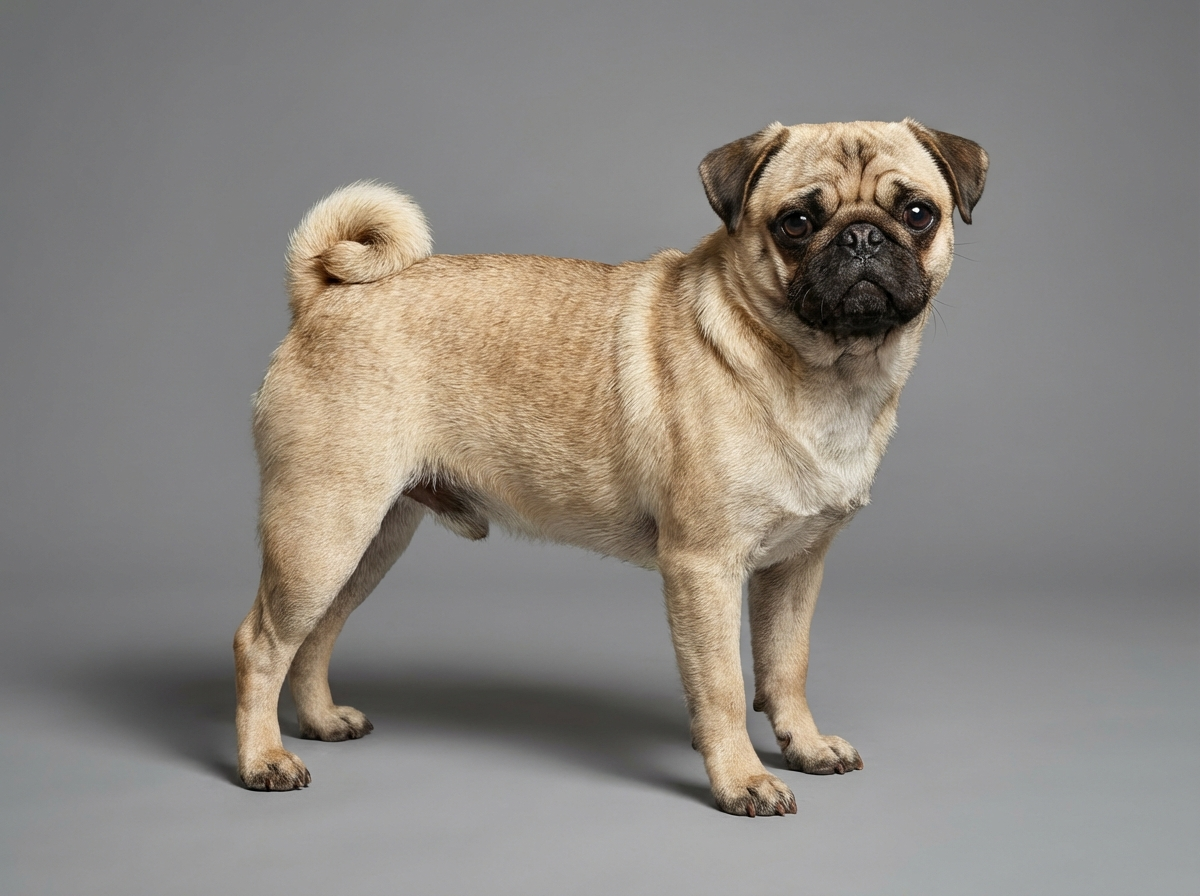
For many Pugs, diabetes isn't a bolt from the blue; it's the bill coming due after years of extra weight.
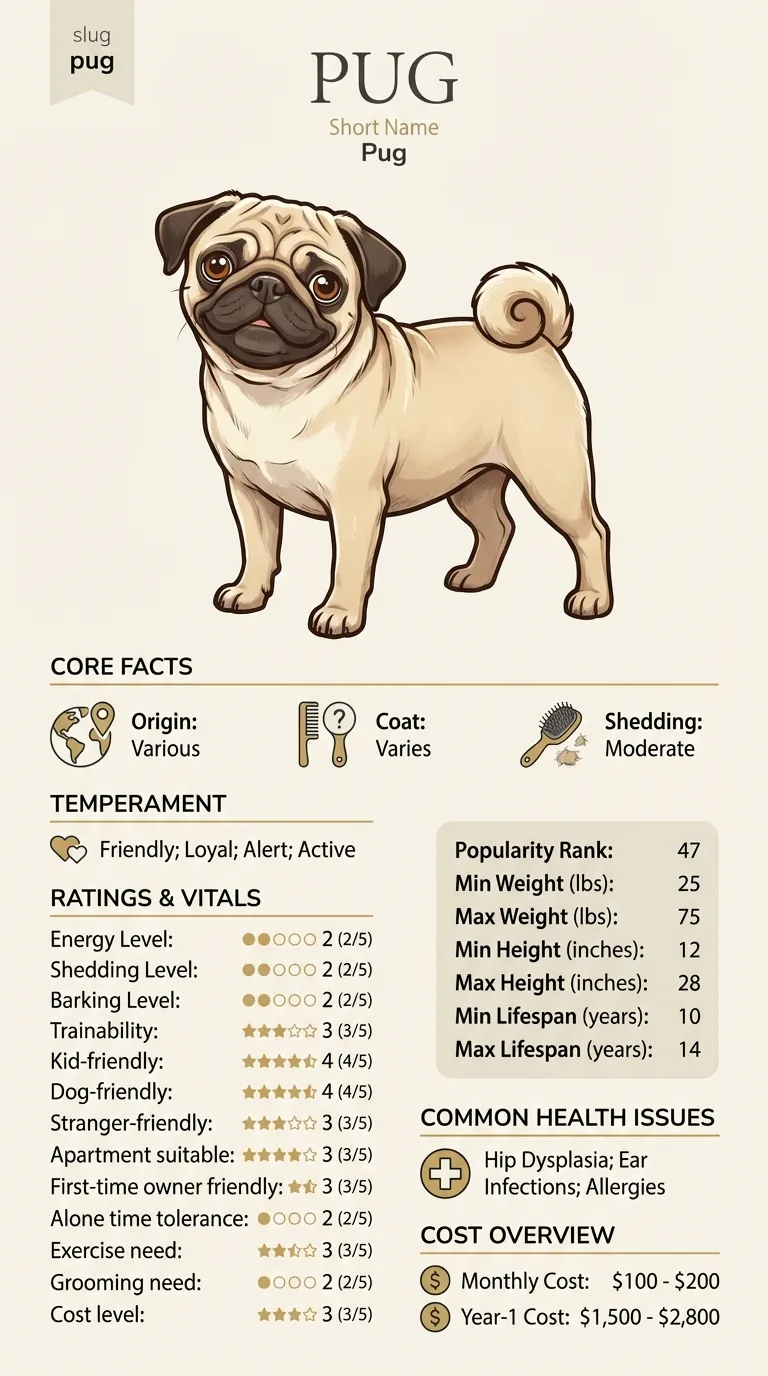
This is most relevant for owners of middle-aged to senior Pugs, particularly those who have struggled with weight management over the years, since obesity is one of the more consistently identified risk factors for developing diabetes in dogs.
This guide is not medical advice. If your dog shows pain, sudden behavior change, or worsening symptoms, consult a licensed veterinarian.
Some links may be affiliate links. We may earn a commission at no extra cost to you. We only suggest products we believe are helpful for dog owners.
We research and check what we publish, but we do not warrant that any figure, date, price, or statement is accurate, complete, or current, and we accept no liability for any loss, cost, injury, or other harm arising from the use of this site. Use it as one reference among several. You remain responsible for your own decisions and for your dog's care - confirm anything that matters with a licensed veterinarian or another qualified professional before you act on it. Full disclaimer.
Diabetes mellitus disrupts a dog's ability to regulate blood sugar and frequently develops after years of excess weight in this breed, given its documented tendency toward obesity. It typically presents through a recognizable combination of increased thirst, increased appetite, and unexplained weight loss, and is managed long-term through consistent insulin administration and routine.
Diabetes is a fairly common endocrine diagnosis in aging dogs generally, and this breed's documented tendency toward weight gain makes lifetime weight management a genuinely relevant factor in individual risk.
This breed's well-documented tendency toward obesity is one of the more consistently identified risk factors for diabetes in dogs generally, making weight history over a Pug's lifetime a meaningful factor in individual risk.
Diet composition, portion control, and activity level over years all shape the weight trajectory that contributes to diabetes risk, making these some of the more directly controllable factors available to an owner.
See your vet promptly if you notice increased thirst and urination, especially paired with increased appetite and weight loss. If diabetes is diagnosed, follow the prescribed insulin and monitoring plan closely, and contact your vet if your dog seems unusually lethargic, is not eating, or you're unsure about dosing.
Start here: Pug Most Common Genetic Disorders: What to Screen For
See all PUG health problems, which breeds are prone to diabetes, or the full PUG breed guide for temperament, exercise needs and ownership costs.
Getting a diabetic dog's blood sugar well regulated typically takes several weeks of insulin dose adjustments and monitoring after diagnosis. Once stable, ongoing management becomes a lifelong daily routine with periodic vet rechecks.
Success means stable blood sugar, normal thirst and appetite, and a good quality of life maintained through consistent daily management, not a cure, since diabetes in dogs is a lifelong condition rather than one that resolves.
Increased thirst and urination are usually the earliest and most noticeable signs, often showing up as a dog suddenly needing water refilled more often or having accidents indoors despite being previously reliable. Increased appetite paired with unexplained weight loss is another classic combination, a dog eating normally or even more than usual while still losing weight, which reflects the body's cells being unable to use glucose properly despite plenty of it circulating in the blood. Lethargy and a dull coat can follow as the disease progresses. This combination of symptoms, rather than any single one alone, is what typically prompts a vet to run blood and urine tests to check for diabetes specifically.
Diagnosis is confirmed through blood and urine glucose testing, sometimes repeated to rule out temporary stress-related elevations. Once confirmed, daily management for most diabetic dogs centers on consistent insulin administration at the same times each day, paired with consistent meal timing and portions, since insulin dosing depends on predictable food intake. This is a significant daily commitment, requiring an owner comfortable with a fixed schedule and, eventually, comfortable giving injections, but most owners adapt to the routine within a few weeks, and many diabetic dogs go on to live comfortably for years with consistent management and monitoring.

Roxy's owner first noticed she was refilling the water bowl nearly twice as often as usual, and Roxy, previously reliably house-trained, started having accidents indoors. A vet visit and bloodwork confirmed diabetes, likely following years of Roxy carrying extra weight that her owner had struggled to manage. The first few weeks of insulin injections and strict meal timing felt overwhelming, but within a month it became routine. Two years later, Roxy remains stable with twice-daily insulin and regular vet checks, and her owner says the water-bowl detail, easy to dismiss at first, turned out to be the clue that mattered most.
Key takeaway: The earliest sign of diabetes is often something as unremarkable as increased water consumption, worth paying attention to rather than dismissing, especially in a breed with a documented weight-gain tendency.
Increased thirst and urination are usually the earliest noticeable signs, sometimes alongside increased appetite paired with unexplained weight loss. Any combination of these warrants a vet visit for blood and urine testing.
Yes, obesity is one of the more consistently identified risk factors for diabetes in dogs generally, and given this breed's documented tendency toward weight gain, lifetime weight management plays a real role in individual risk.
Through blood and urine glucose testing, sometimes repeated over a short period to rule out temporary stress-related elevations and confirm a true, persistent pattern consistent with diabetes.
Most diabetic dogs require insulin injections as the core of treatment; diet and exercise support management but typically aren't sufficient on their own once a dog is diagnosed.
Most dogs are managed with insulin injections once or twice daily at consistent times, paired with consistent meal timing, as prescribed and adjusted by your vet based on regular blood sugar monitoring.
Tight blood sugar control can help slow cataract development, though many diabetic dogs do develop cataracts at some point regardless, which is why regular eye checks are part of ongoing diabetes management.
Ongoing costs include insulin, monitoring supplies, and regular vet checkups, adding up to a meaningful recurring monthly expense that's worth planning for once a diagnosis is confirmed.
Increased thirst and urination, often noticed as needing the water bowl refilled more than usual.
Yes, obesity is one of the more consistently identified risk factors for diabetes in dogs.
Most diabetic dogs need insulin injections once or twice daily at consistent times.
No, diet supports management but insulin is typically the core treatment once diagnosed.
Insulin, supplies, and monitoring add a real recurring cost; ask your vet for a realistic estimate.
A one-page prep sheet for this condition: the signs, the questions to ask, what to get priced. Unlocks here.
You get: Vet visit prep sheet
No spam. One-click unsubscribe. See our privacy policy.
Preview page 1 before you decide.