Health
What does a cataract look like?
A cloudy, whitish-blue haze centered over the pupil, deeper in the eye than the surface.

Quick answer
What does a cataract look like?
A cloudy, whitish-blue haze centered over the pupil, deeper in the eye than the surface.
A cloudy lens and a cloudy cornea look similar to an untrained eye but come from entirely different places.
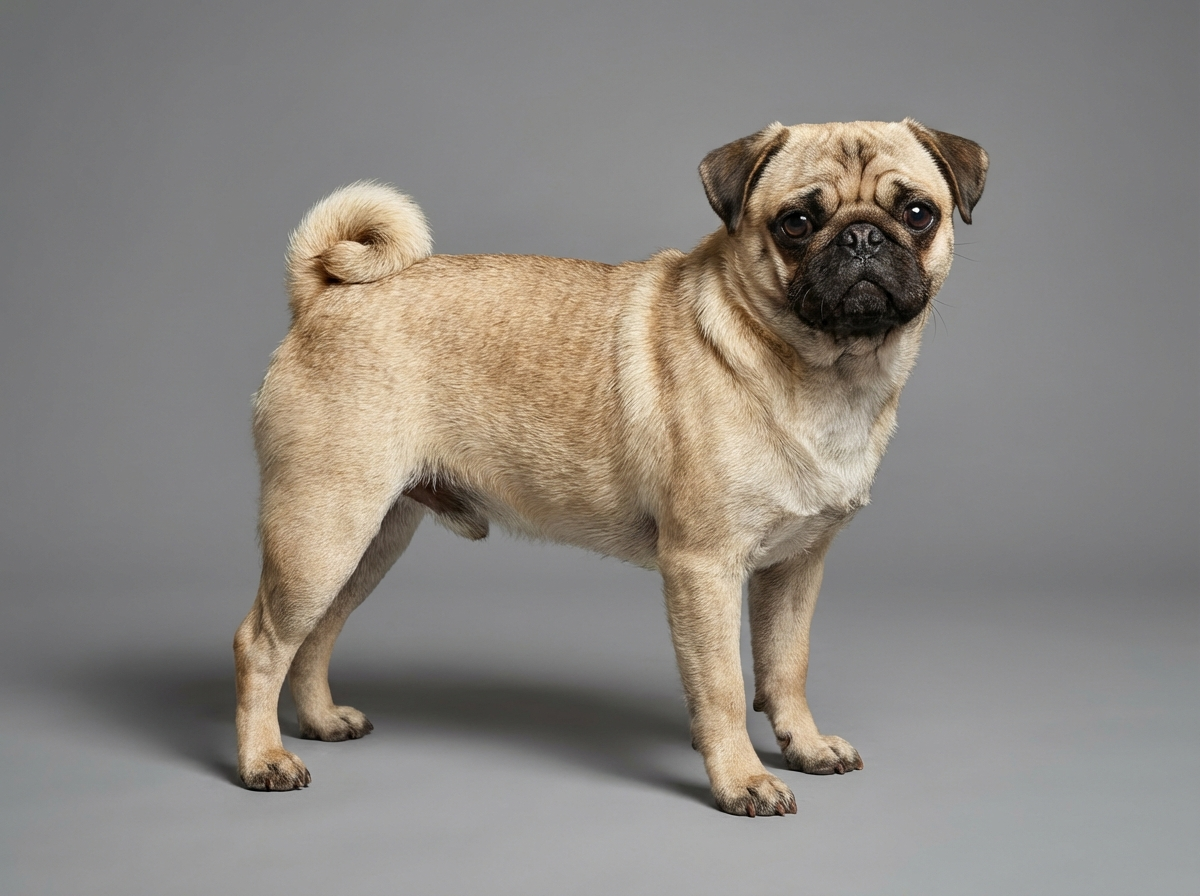
This affects owners of aging Pugs most often, since age-related cataracts are the most common form, but it's also directly relevant to owners managing a diabetic dog, since cataracts are a well-documented complication of diabetes that can develop surprisingly fast.
This guide is not medical advice. If your dog shows pain, sudden behavior change, or worsening symptoms, consult a licensed veterinarian.
Some links may be affiliate links. We may earn a commission at no extra cost to you. We only suggest products we believe are helpful for dog owners.
We research and check what we publish, but we do not warrant that any figure, date, price, or statement is accurate, complete, or current, and we accept no liability for any loss, cost, injury, or other harm arising from the use of this site. Use it as one reference among several. You remain responsible for your own decisions and for your dog's care - confirm anything that matters with a licensed veterinarian or another qualified professional before you act on it. Full disclaimer.
A cataract is clouding of the eye's lens that can develop from normal aging, as a fast-progressing complication of diabetes, or, less commonly, as an inherited juvenile condition. Each path has a different typical timeline and management approach, and distinguishing between them shapes how urgently treatment is needed.
Age-related cataracts are common in aging dogs across many breeds, Pugs included. Diabetic cataracts are less common overall but well documented as a rapid complication whenever diabetes is present and poorly controlled.
This breed's documented tendency toward obesity carries an indirect connection here, since obesity is a risk factor for diabetes, which in turn can cause rapid cataract development; the cataract itself isn't a direct breed trait so much as a downstream possibility.
Blood sugar control is the most significant environmental and management factor for diabetic cataracts specifically, while age-related cataracts largely reflect the simple passage of time rather than an environmental trigger.
See your vet if you notice new cloudiness in either eye, especially if it appears suddenly or your dog seems to be losing vision quickly, since that pattern suggests a diabetic cause needing urgent attention rather than a slow age-related change.
Start here: Pug Most Common Genetic Disorders: What to Screen For
See all PUG health problems, which breeds are prone to cataracts, or the full PUG breed guide for temperament, exercise needs and ownership costs.
Age-related cataracts progress over months to years. Diabetic cataracts can progress within days to weeks if blood sugar isn't controlled. Surgery, when pursued, typically involves a single procedure with several weeks of recovery and follow-up.
Success for surgical cases means restored functional vision in most dogs; for monitored cases, it means tracking progression closely enough to intervene before a slow-developing cataract meaningfully limits quality of life.
Age-related cataracts develop gradually over years as lens proteins naturally break down and clump, typically starting as a small, barely noticeable haze that slowly expands. Diabetic cataracts follow a very different, much faster timeline: elevated blood sugar causes fluid shifts within the lens that can cloud it completely within days to weeks of a diabetes diagnosis, which is one reason a sudden change in vision in a diabetic dog needs prompt attention. Inherited juvenile cataracts, less common, appear in young dogs, sometimes as puppies, unrelated to age or diabetes, and reflect a genetic tendency rather than a lifestyle or aging factor.
Cataract surgery involves removing the clouded natural lens and typically replacing it with an artificial one, a well-established procedure in veterinary ophthalmology with generally good success rates in otherwise healthy eyes. It's not automatically recommended for every cataract; a small, early, slow-progressing one in an older dog with limited overall vision needs may simply be monitored. Surgery becomes more clearly worthwhile when a cataract is significantly affecting a dog's ability to navigate and function, particularly if it's progressing toward full blindness. It's worth knowing that not every eye is a good surgical candidate, since underlying inflammation or other eye conditions can affect the decision.

If you think your Pug has cataracts, the plan is three steps: write down what you have seen and when it started, book a veterinary appointment rather than waiting for the next flare, and take video of the behaviour or symptom before you go — the thing you are worried about rarely happens in the consulting room. Screening in the parents covers brachycephalic airway syndrome (boas), pug dog encephalitis, corneal ulcers.
What the vet visit should produce is a diagnosis and a written plan, not just reassurance: what is being ruled out, what the monitoring interval is, and which signs mean you come back sooner. Ask what the treatment costs across a year rather than per visit, because that is the number that decides whether you are managing this condition or reacting to it.
Between appointments, keep a short log — dates, what you saw, what changed. It is the single most useful thing an owner brings to a follow-up, and for cataracts it is often what separates a clear pattern from a guess.
When seven-year-old Penny's eyes went noticeably cloudy over the course of about two weeks, far faster than her owner expected for age-related changes, a vet visit revealed both cataracts and previously undiagnosed diabetes. Penny's rapid vision loss turned out to be a classic diabetic cataract presentation. Once her blood sugar was brought under control with a management plan, her vet discussed cataract surgery to restore her vision, which Penny's owner pursued a few months later with a good outcome. Her owner said the sudden change in her eyes, more than any other symptom, was what pushed her to get Penny checked.
Key takeaway: A fast-developing cataract, unlike the slow age-related kind, is often the first visible sign of an underlying diabetes diagnosis and deserves prompt investigation rather than being treated as a stand-alone eye issue.
Look for a cloudy, whitish-blue haze in the center of the eye, over the pupil, as opposed to a hazy sheen across the whole surface of the eye, which suggests a different corneal issue. Any noticeable clouding warrants a vet visit for a proper eye exam.
No. Cataracts affect the lens, deeper inside the eye, while corneal clouding affects the clear surface layer at the front. They can look superficially similar to an owner but involve entirely different structures and require different management.
Yes, diabetic cataracts can develop remarkably quickly, sometimes clouding the lens completely within days to weeks of uncontrolled blood sugar, which is one reason vision changes in a diabetic dog need prompt veterinary attention.
No, small, slow-progressing cataracts in an older dog may simply be monitored, especially if they aren't significantly affecting daily function. Surgery is more strongly considered when vision loss is meaningfully impacting a dog's quality of life.
Success rates are generally good in an otherwise healthy eye without significant underlying inflammation or other complications, though your veterinary ophthalmologist can give you odds specific to your dog's eye health.
Age-related cataracts aren't preventable, though managing diabetes well can slow or reduce the risk of diabetic cataracts developing as quickly as they otherwise might.
Cataracts themselves typically aren't painful, though they can sometimes trigger secondary inflammation inside the eye, which is uncomfortable and is one reason regular monitoring by a vet matters even for a cataract not yet considered for surgery.
Yes, dogs generally adapt well to gradual vision loss, relying more on scent and memory of familiar spaces, though sudden vision loss, as can happen with diabetic cataracts, is harder to adjust to and warrants extra patience and consistency at home.
A cloudy, whitish-blue haze centered over the pupil, deeper in the eye than the surface.
Yes, diabetic cataracts can cloud a lens within days to weeks of uncontrolled blood sugar.
No, small or slow-progressing ones in older dogs are often just monitored rather than operated on.
It's one of the pricier elective eye procedures; a veterinary ophthalmologist can give an estimate specific to your dog.
Usually not on their own, though they can occasionally trigger secondary eye inflammation that does need treatment.
A one-page prep sheet for this condition: the signs, the questions to ask, what to get priced. Unlocks here.
You get: Vet visit prep sheet
No spam. One-click unsubscribe. See our privacy policy.
Preview page 1 before you decide.