Health
Is the Old English Sheepdog a long-backed breed?
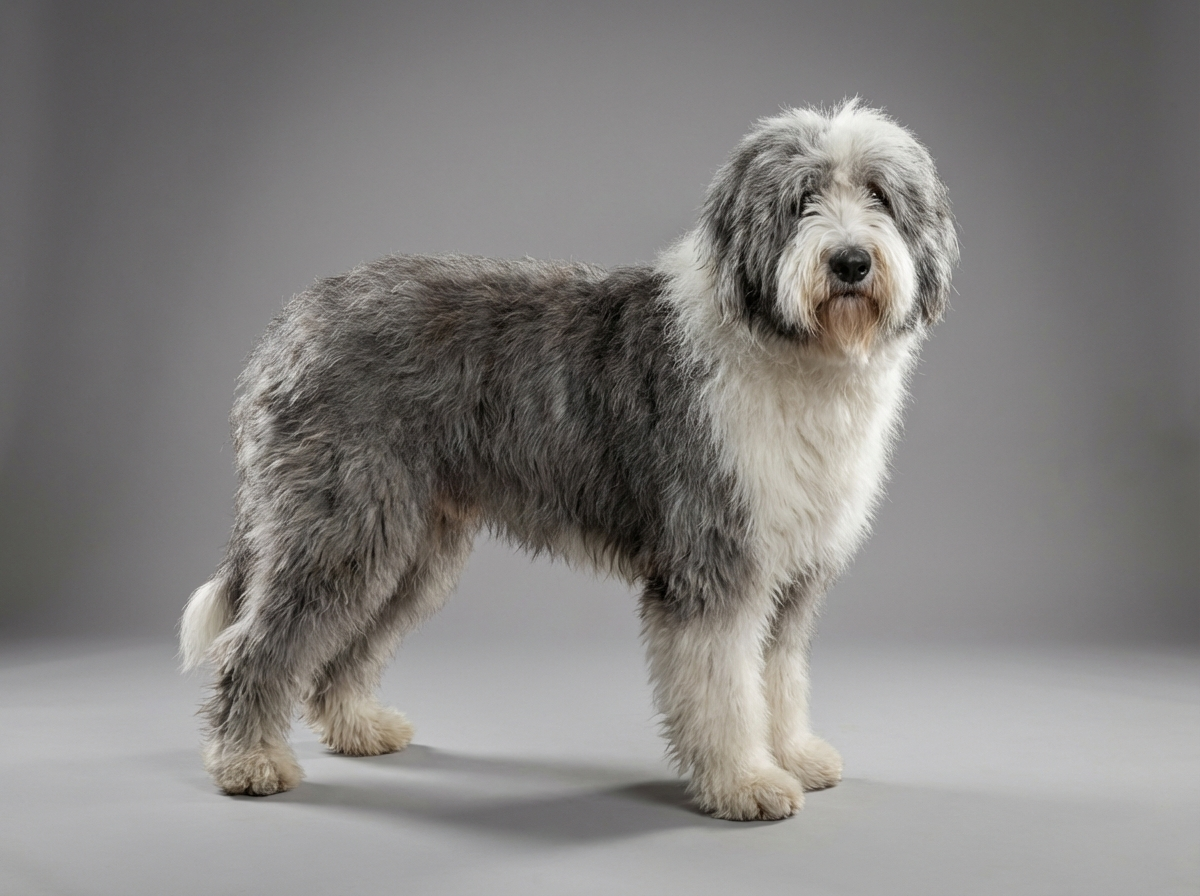
No, it's a proportionate, square-built large breed, not a long-spine, short-leg body type like a Dachshund or Corgi.

Quick answer
Is the Old English Sheepdog a long-backed breed?
No, it's a proportionate, square-built large breed, not a long-spine, short-leg body type like a Dachshund or Corgi.
If you've read that your Old English Sheepdog's long spine puts them at risk, that's a mix-up with a different body type. The real story here is about size, weight, and a coat that hides muscle changes along the back.
This affects owners of any Old English Sheepdog past middle age, since the real risk factors here, body weight and general wear on a large frame, build up gradually rather than being tied to a specific body shape this breed doesn't actually have.
This guide is not medical advice. If your dog shows pain, sudden behavior change, or worsening symptoms, consult a licensed veterinarian.
Some links may be affiliate links. We may earn a commission at no extra cost to you. We only suggest products we believe are helpful for dog owners.
We research and check what we publish, but we do not warrant that any figure, date, price, or statement is accurate, complete, or current, and we accept no liability for any loss, cost, injury, or other harm arising from the use of this site. Use it as one reference among several. You remain responsible for your own decisions and for your dog's care - confirm anything that matters with a licensed veterinarian or another qualified professional before you act on it. Full disclaimer.
Check this first
A dog that suddenly can't stand, drags a hind leg, loses bladder or bowel control, or yelps sharply when touched along the spine needs emergency veterinary attention immediately. These can be signs of a more serious spinal issue, including disc problems, that require urgent diagnosis and treatment to prevent permanent damage.
Milder, gradual stiffness that improves with gentle movement and doesn't involve any loss of coordination is more consistent with ordinary muscular strain or early arthritis, and can typically be addressed with a routine, rather than emergency, vet visit.
If any of these apply, call your vet or an emergency clinic now. The rest of this page is for the cases that are not an emergency.
Back problems in this breed are driven by size, weight, and general mechanical wear rather than an inherited long-back body shape, which this breed does not have. Muscular strain and age-related spinal arthritis are the most realistic concerns, compounded by a coat that hides early physical changes.
Mild, age-related back stiffness is common in large dogs generally by their senior years. More serious spinal conditions are less common but not negligible, particularly as the dog ages past eight or nine.
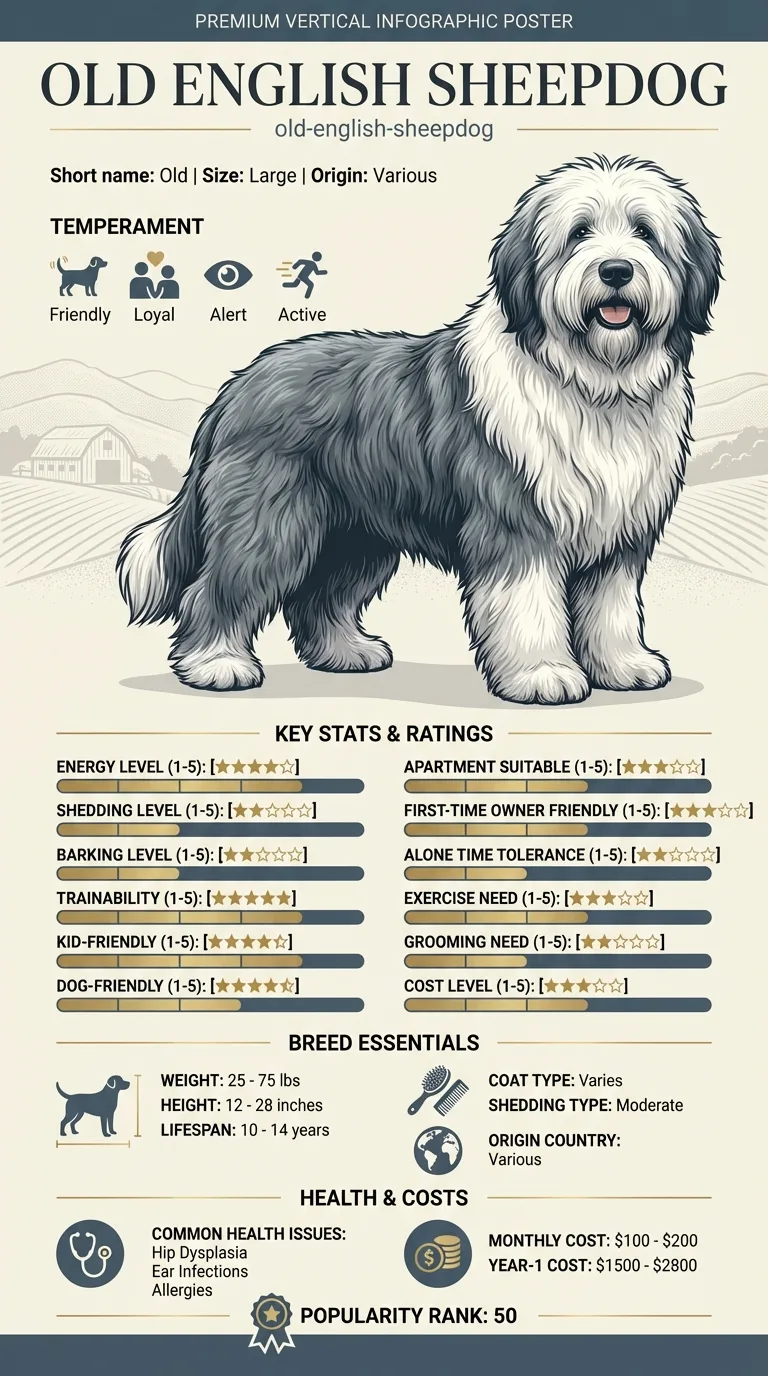
This breed's actual structure, a proportionate, square-built large dog rather than a long-spine, short-leg type, means the chondrodystrophic disc disease common in breeds like Dachshunds isn't the primary concern here. Instead, the sheer size and weight of the breed, sixty to a hundred pounds on a spine and supporting muscles, is what creates gradual mechanical wear over the years.
Excess body weight, repeated high-impact jumping, and inconsistent exercise patterns are the main environmental contributors, all of which add avoidable stress to a spine that's already working to support a large frame.
Talk to your vet about a hunched posture, reluctance to be touched along the back, a shortened stride, or stiffness that doesn't improve with gentle movement. Seek emergency care for sudden inability to stand, dragging a limb, or loss of bladder or bowel control.
Since the long-spine explanation doesn't apply here, it's worth knowing what actually does contribute to back discomfort in this breed.
See all OLD English Sheepdog health problems, which breeds are prone to back problems, or the full OLD English Sheepdog breed guide for temperament, exercise needs and ownership costs.
Muscular back strain typically improves within one to two weeks with rest and vet guidance. Age-related spinal arthritis is a longer-term, ongoing management situation similar to arthritis elsewhere in the body.
Success looks like a dog that moves through normal daily activities without obvious discomfort, with occasional stiff days managed through weight control and activity adjustment rather than chronic pain.
Otis's owner read online that his back stiffness was 'due to his long spine and short legs' and assumed nothing could be done about an inherited body shape. At the vet visit, it became clear Otis is actually a well-proportioned, square-built dog, not a long-backed breed at all, and his stiffness traced instead to about fifteen pounds of extra weight he'd gained over the past year, invisible under his thick coat. A gradual weight-loss plan and a ramp for the car resolved most of his stiffness within about six weeks, with no inherited spinal shape involved at all.
Key takeaway: A generic explanation about body shape doesn't apply to every breed. In this dog's case, the real cause, and the real fix, was weight, not anatomy he was born with.
No. This is a proportionate, square-built large breed. The 'long spine, short legs' body type belongs to chondrodystrophic breeds like Dachshunds, Corgis, and Basset Hounds, and doesn't describe the Old English Sheepdog's structure.
The real drivers are this breed's large size and weight, sixty to a hundred pounds, combined with normal wear over the years, excess body weight, and repeated jumping impact, rather than any inherited body-shape issue.
Watch for behavioral signs instead: a hunched or tucked posture, reluctance to be touched or brushed along the back, a shortened stride, or hesitation before jumping.
Not necessarily. General back pain can come from muscle strain or spinal arthritis, while disc disease is a more specific condition. This breed's non-chondrodystrophic build means the early-onset disc disease common in short-legged breeds is less of a concern here, though age-related disc degeneration can still occur.
Not entirely, but keeping your dog at a healthy weight, providing consistent moderate exercise, and using ramps or steps for the car and furniture can meaningfully reduce the mechanical strain that leads to back discomfort.
Reducing repeated high-impact jumping, like jumping directly into a tall vehicle, is reasonable, but total activity restriction isn't usually necessary or healthy. A ramp or step is a simple middle ground.
Yes, in most cases. Muscular strain and spinal arthritis both respond well to weight management, appropriate exercise, and vet-directed pain management. More serious spinal conditions may require imaging and a specialist referral.
No, it's a proportionate, square-built large breed, not a long-spine, short-leg body type like a Dachshund or Corgi.
Body weight, general wear from size, and repeated jumping impact are the real contributing factors, not an inherited body shape.
A hunched posture, shortened stride, or reluctance to be touched along the back, often noticed before any obvious limp.
Yes, a ramp or step for the car and furniture is a simple way to reduce repeated jumping impact on the spine.
Mild, gradual stiffness that improves with movement can start with a routine vet visit, but sudden inability to stand or loss of coordination needs emergency care.
A one-page prep sheet for this condition: the signs, the questions to ask, what to get priced. Unlocks here.
You get: Vet visit prep sheet
No spam. One-click unsubscribe. See our privacy policy.
Preview page 1 before you decide.